

What is Agrobiodiversity? Understanding the Foundation of Our Food Systems
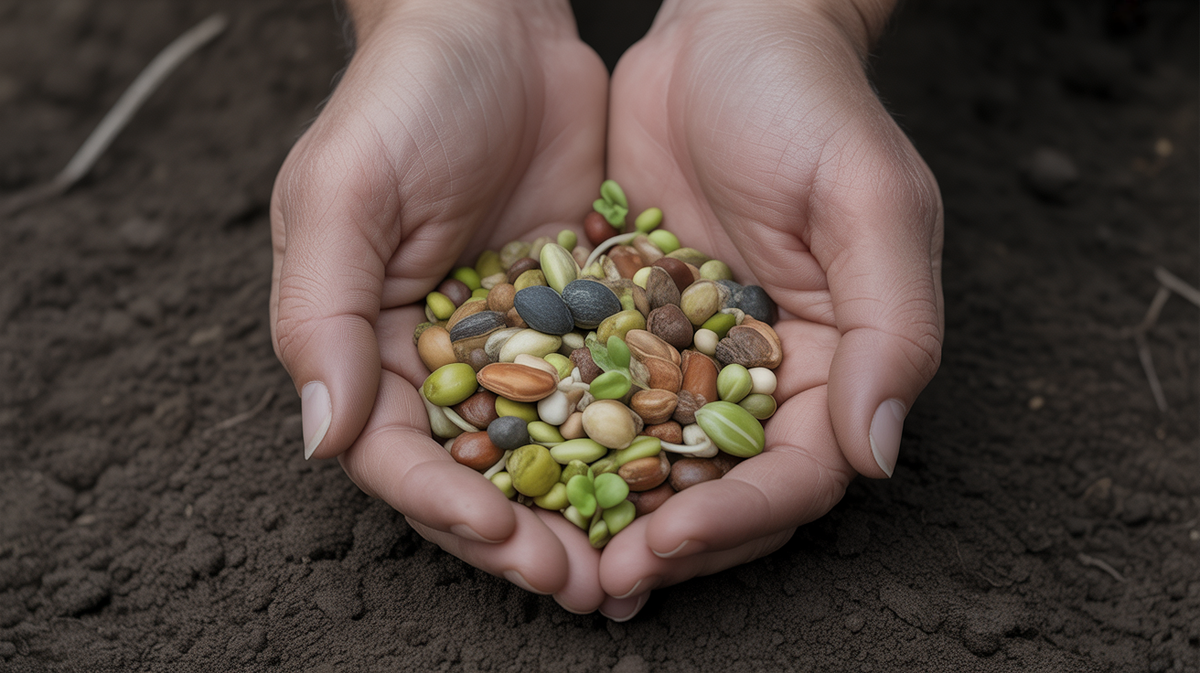
In the vast tapestry of life on Earth, specific elements hold disproportionate weight when it comes to human survival and ecological stability. One such critical element is agrobiodiversity. Simply put, agrobiodiversity refers to the variety and variability of animals, plants, and microorganisms that are essential for food and agriculture. This encompasses everything from the genetic diversity within a single crop species to the diversity of species used for food and farming, and the diversity of agroecosystems themselves.
💡 Key Takeaways
- Agrobiodiversity is the foundation of resilient food systems, offering resistance to pests, diseases, and climate change.
- Loss of agricultural diversity threatens global food security and the ability to adapt to future environmental challenges.
- Protecting and promoting diverse crop varieties and livestock breeds is essential for sustainable food production.
- Individual and collective actions, from consumer choices to policy changes, can contribute to agrobiodiversity conservation.
“From a planetary perspective, agrobiodiversity isn’t just about food; it’s the very biological insurance policy for humanity against the escalating impacts of climate change and environmental shifts.”
— Dr. Marcus Sterling, PhD, Planetary Geoscientist & Climatologist
The concept of agrobiodiversity meaning extends beyond just the crops in our fields. It includes livestock breeds, fish in aquaculture, insects like pollinators and pest controllers, and soil organisms that maintain fertility. It’s the living fabric that sustains our ability to produce food, fibers, and other agricultural products.
In This Article
- → What is Agrobiodiversity? Understanding the Foundation of Our Food Systems
- — 💡 Key Takeaways
- → Why Agrobiodiversity Matters: Pillars of Food Security and Resilience
- — 🌧️ Climate Change Resilience
- — 🦠 Pest and Disease Resistance
- — 🍽️ Nutritional Diversity and Human Health
- — 🌍 Ecosystem Services
- → The Alarming Decline: Threats to Agrobiodiversity
- — Monoculture and Industrial Agriculture
- — Habitat Loss and Land-Use Change
- — Climate Change Impacts
- — Economic Pressures and Policy Gaps
- → Strategies for Protection and Promotion: Securing Our Food Future
- — In Situ Conservation (On-Farm)
- — Ex Situ Conservation (Off-Farm)
- — Sustainable Farming Practices
- — Policy Support and Consumer Choices
- → The Broader Context: Agrobiodiversity in Earth’s Unseen Forces
Why Agrobiodiversity Matters: Pillars of Food Security and Resilience
The importance of agrobiodiversity cannot be overstated. It is not merely an academic concept but a fundamental safeguard against future uncertainties, directly impacting global food security, environmental health, and human well-being. For a deeper understanding of the broader concept, explore our guide on Biodiversity in Biology: Concepts and Significance.
🌧️ Climate Change Resilience
With an increasingly unpredictable global climate, the ability of our food systems to adapt is paramount. Diverse crop varieties and livestock breeds possess varying tolerances to drought, floods, heatwaves, and new disease vectors. Relying on a narrow genetic base leaves us vulnerable; a diverse portfolio allows farmers to select species or varieties that are better suited to changing local conditions, ensuring continued yields even in challenging environments.
🦠 Pest and Disease Resistance
Monocultures, while efficient in the short term, are highly susceptible to widespread pest infestations and diseases. A single pathogen or pest can wipe out an entire crop if it lacks genetic diversity. Agrobiodiversity, however, acts as a natural buffer. When different varieties are grown together, or when a diverse range of crops are rotated, the spread of pests and diseases is naturally inhibited, reducing the need for costly and environmentally damaging chemical interventions.
🍽️ Nutritional Diversity and Human Health
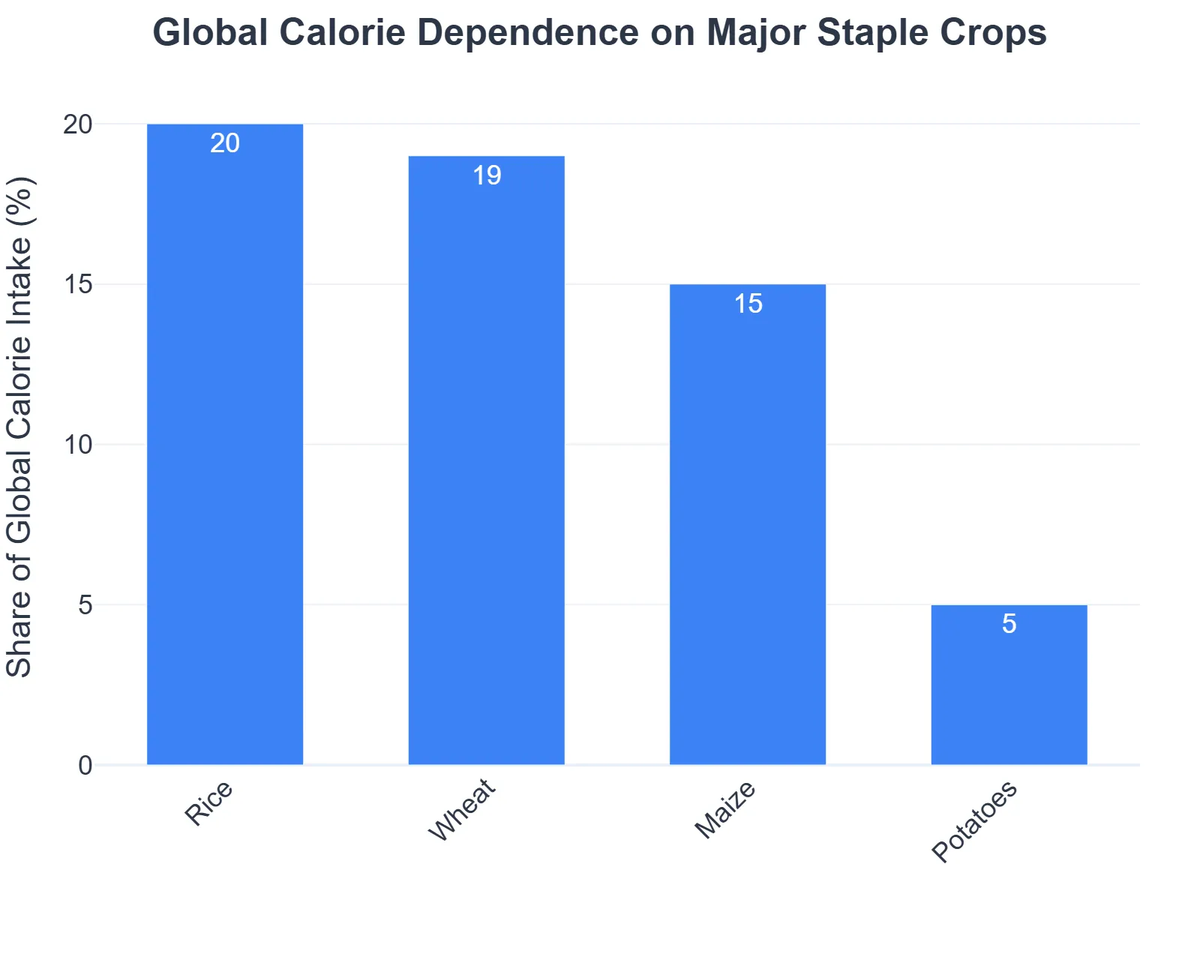
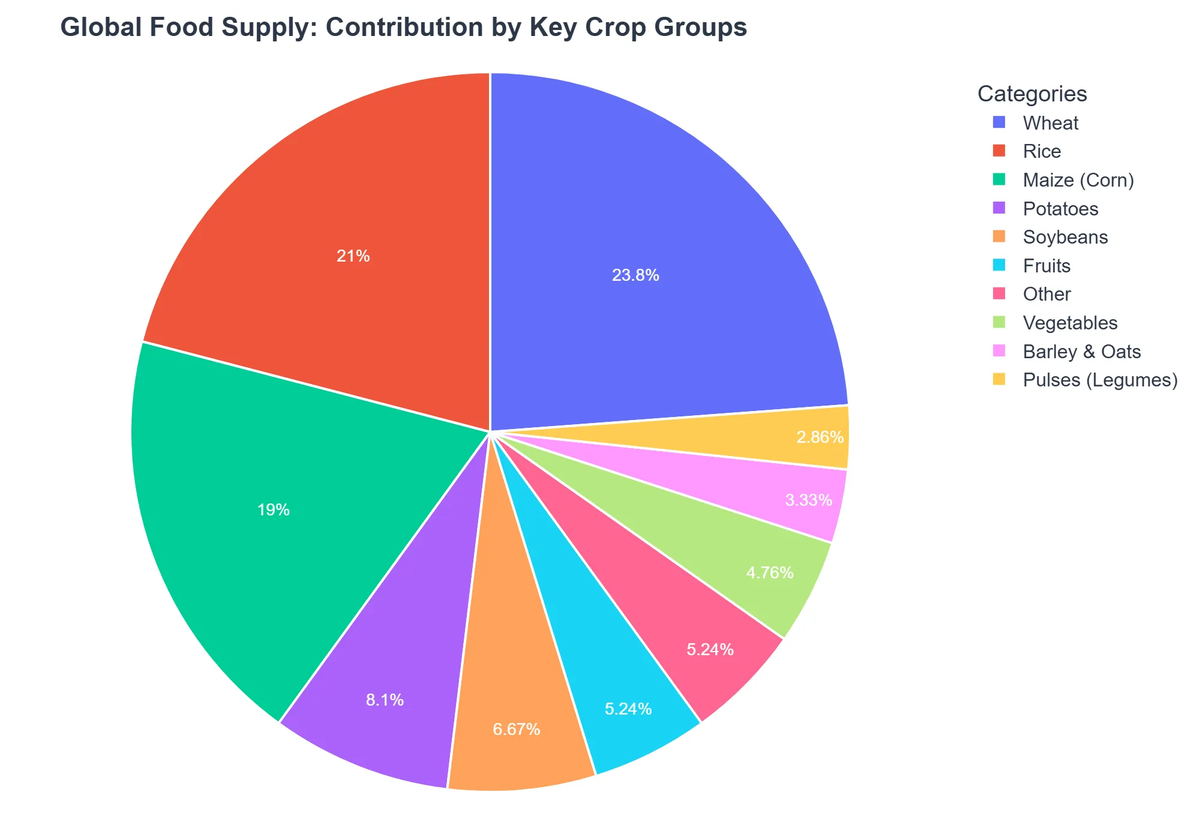
Historically, human diets were far more diverse, incorporating thousands of different plant and animal species. Today, a significant portion of the world’s caloric intake comes from just a handful of staple crops like wheat, rice, maize, and potatoes. This reduction in dietary diversity can lead to nutritional deficiencies. Protecting and promoting agrobiodiversity means preserving a wider array of nutrient-rich foods, contributing directly to better human health and balanced diets globally.
🌍 Ecosystem Services
Healthy agricultural ecosystems rely on a multitude of services provided by nature itself. Agrobiodiversity supports these vital processes:
- ✅ Soil Health: Diverse root systems, cover crops, and microorganisms enrich soil, prevent erosion, and enhance water retention.
- ✅ Pollination: A variety of crops and wild plants attracts diverse pollinators, essential for fruit and seed production.
- ✅ Water Regulation: Diverse farming landscapes can improve water infiltration and reduce runoff, supporting local water cycles.
- ✅ Pest Control: Natural predators of pests thrive in diverse agroecosystems, reducing crop damage.
Understanding these critical interdependencies is part of grasping Earth’s Unseen Forces: The Hidden Dynamics of Our Planet.
The Alarming Decline: Threats to Agrobiodiversity
Despite its immense value, agrobiodiversity is under severe threat globally. Decades of agricultural practices focused on industrialization and high-yield monocultures have led to a significant erosion of genetic resources. This decline poses a serious risk to our future food supply.
Monoculture and Industrial Agriculture
The drive for efficiency and scale has led to the widespread adoption of monoculture farming – the cultivation of a single crop over large areas. While this can maximize output of specific commodities, it drastically reduces the genetic diversity of cultivated crops. Traditional, often more diverse, local varieties are replaced by a few commercially viable strains. This over-reliance on a handful of varieties makes our food systems brittle and susceptible to collapse, as highlighted in concerns about whether [EXTERNAL_LINK url=”https://www.thebigq.org/2018/12/10/does-reduced-agrobiodiversity-threaten-our-food-systems/” text=”reduced agrobiodiversity threatens our food systems”].
Habitat Loss and Land-Use Change
The expansion of agricultural land, often for large-scale industrial farming, leads to the destruction of natural habitats such as forests, wetlands, and grasslands. This conversion not only reduces the diversity of wild species but also eliminates crucial areas where traditional varieties of crops and livestock breeds might have been maintained by local communities. The direct link between Deforestation and Biodiversity: The Devastating Link and the loss of natural biodiversity is a stark reminder of these impacts.
Climate Change Impacts
While agrobiodiversity offers resilience to climate change, climate change itself also poses a threat. Shifting temperature zones, altered precipitation patterns, and increased frequency of extreme weather events can make traditional growing areas unsuitable for certain crops or livestock, forcing farmers to abandon local varieties or breeds that can no longer thrive. This creates a vicious cycle of further biodiversity loss.
Economic Pressures and Policy Gaps
Market demands often favor uniform, standardized products, leading farmers away from diverse and often regionally adapted varieties. Economic incentives, or the lack thereof, can discourage the cultivation of heirloom crops or the raising of traditional livestock breeds. Additionally, inadequate policies or enforcement regarding intellectual property rights over genetic resources can undermine efforts to conserve and share valuable agrobiodiversity.
Strategies for Protection and Promotion: Securing Our Food Future
Reversing the trend of agrobiodiversity loss is critical. A multifaceted approach involving conservation, sustainable practices, and supportive policies is essential to protect our food systems for generations to come. This aligns with broader efforts towards Agrodiversity: Protecting Earth’s Agricultural Future.
In Situ Conservation (On-Farm)
This approach focuses on maintaining genetic diversity in the natural environment where crops and animals develop their distinctive properties. It involves supporting farmers who continue to cultivate traditional varieties and raise local livestock breeds, often through practices like:
- ✅ Community Seed Banks: Local initiatives where farmers save, share, and exchange seeds, preserving heirloom varieties adapted to local conditions.
- ✅ Participatory Plant Breeding: Farmers actively collaborate with researchers to develop new varieties that meet local needs and preferences, using diverse genetic material.
Empowering local communities in this process is vital for successful on-farm conservation.
Ex Situ Conservation (Off-Farm)
Complementary to on-farm efforts, ex situ conservation involves preserving genetic material outside its natural habitat. This includes:
- ➡️ Gene Banks: Facilities that store seeds, tissues, and other genetic material under controlled conditions, acting as a global safety net for crop diversity.
- ➡️ Seed Vaults: Large-scale, long-term storage facilities like the Svalbard Global Seed Vault, which secures duplicate seeds from gene banks worldwide, providing an ultimate backup for our food supply. Learn more about [EXTERNAL_LINK url=”https://www.seedvault.no/2023/10/03/securing-the-foundation-of-our-food-supply-at-18-celsius/” text=”securing the foundation of our food supply”].
- ➡️ Botanical Gardens and Zoos: While not strictly agricultural, these institutions play a role in conserving wild relatives of cultivated plants and endangered livestock breeds.
Sustainable Farming Practices
Adopting farming methods that inherently support and enhance agrobiodiversity is crucial. These practices include:
- 💡 Crop Rotation and Intercropping: Planting different crops in sequence or together to improve soil health, break pest cycles, and increase overall farm diversity.
- 💡 Agroforestry: Integrating trees and shrubs into agricultural landscapes, providing diverse products, improving soil, and creating habitats for beneficial organisms.
- 💡 Organic and Ecological Farming: Reducing reliance on synthetic inputs that can harm soil life and beneficial insects, fostering a more biodiverse farm ecosystem.
Such practices are essential for [EXTERNAL_LINK url=”https://sustainableagriculture.net/blog/from-commodification-to-conservation-restoring-agrobiodiversity-through-seed-breeding-part-ii/” text=”restoring agrobiodiversity through conscious agricultural choices”].
Policy Support and Consumer Choices
Government policies and consumer demand play a significant role in shaping agricultural landscapes. Policies can include incentives for farmers to grow diverse crops, support for traditional farming methods, and funding for gene banks. Consumers, by choosing diverse, locally sourced, and sustainably produced foods, can directly support the farmers who maintain agrobiodiversity. This involves appreciating a wider range of food options and understanding their origin.
Recommended Video
The Broader Context: Agrobiodiversity in Earth’s Unseen Forces
Agrobiodiversity is a pivotal component of the intricate web of Earth’s Unseen Forces: The Hidden Dynamics of Our Planet. It represents a fundamental aspect of the planet’s ecological resilience and capacity to sustain human life. The genetic blueprints contained within traditional crops and livestock breeds are not just agricultural commodities; they are historical records of adaptation and survival, offering invaluable solutions to future challenges.
By protecting agrobiodiversity, we are not just safeguarding food options; we are preserving the very intelligence of nature that has evolved over millennia to cope with environmental stresses. This critical resource empowers us to build more robust, adaptable, and sustainable food systems, ensuring that future generations inherit a planet capable of feeding itself.
What is agrobiodiversity?
Agrobiodiversity refers to the variety of life forms relevant to food and agriculture, encompassing the diversity of plants, animals, and microorganisms, as well as the ecosystems in which they exist.
Why is agrobiodiversity important for food security?
It provides the genetic resources necessary for crops and livestock to adapt to new environmental conditions, pests, and diseases, ensuring resilient food supplies in the face of climate change and other threats.
How does climate change impact agrobiodiversity?
Climate change can lead to habitat loss, altered growing seasons, and increased extreme weather events, accelerating the loss of traditional crop varieties and livestock breeds that are less adapted to new conditions.
What can individuals do to support agrobiodiversity?
Individuals can support agrobiodiversity by choosing diverse foods, buying local and seasonal produce, supporting farmers who grow heritage varieties, and advocating for policies that promote sustainable agricultural practices.