


Blockchain and IoT: Securing the Future of Smart Devices
The Internet of Things (IoT) has rapidly transformed our world, weaving a complex web of interconnected smart devices into every facet of daily life, from homes and healthcare to industrial operations and smart cities. While the convenience and efficiency offered by these devices are undeniable, they also introduce significant security and privacy vulnerabilities. This is where the powerful combination of Blockchain and IoT emerges as a game-changer, promising to fortify the integrity, trustworthiness, and privacy of our increasingly connected future.
💡 Key Takeaways
- Blockchain enhances IoT security by creating immutable, tamper-proof records.
- Decentralized ledger technology (DLT) can protect IoT data from single points of failure.
- Smart contracts automate secure interactions between IoT devices without intermediaries.
- Combining Blockchain and IoT fosters greater trust and transparency in connected ecosystems.
“The fusion of Blockchain and IoT isn’t just about securing devices; it’s about building a digital bedrock of trust for a future where every object is intelligent and interconnected. It’s the ethical imperative for a resilient smart world.”
— Kira Chen, Futurist & AI Ethics Advocate
In this comprehensive guide, we’ll explore how blockchain technology addresses the inherent weaknesses of IoT, paving the way for a more secure and resilient digital ecosystem.
In This Article
- → Blockchain and IoT: Securing the Future of Smart Devices
- — 💡 Key Takeaways
- → The Intersection of Blockchain and IoT: A Critical Need
- — 💡 The IoT Security Challenge: Why Decentralization Matters
- — ⚙️ How Blockchain Addresses IoT Vulnerabilities
- → Core Benefits of Blockchain in IoT Security
- — ✅ Enhanced Data Integrity and Immutability
- — 🛡️ Decentralized Trust and Authentication
- — 🔗 Transparent and Auditable Records
- — 🔋 Efficient Resource Management for Smart Devices
- → Key Blockchain Technologies Powering IoT Security
- → Real-World Applications and Use Cases
- → Overcoming Challenges and Future Outlook
- — ⚙️ Scalability and Interoperability Hurdles
- — ➡️ Regulatory and Standardization Landscape
- — 🚀 The Road Ahead for the Connected Future
- → Conclusion: Charting a Secure Connected Future
The Intersection of Blockchain and IoT: A Critical Need
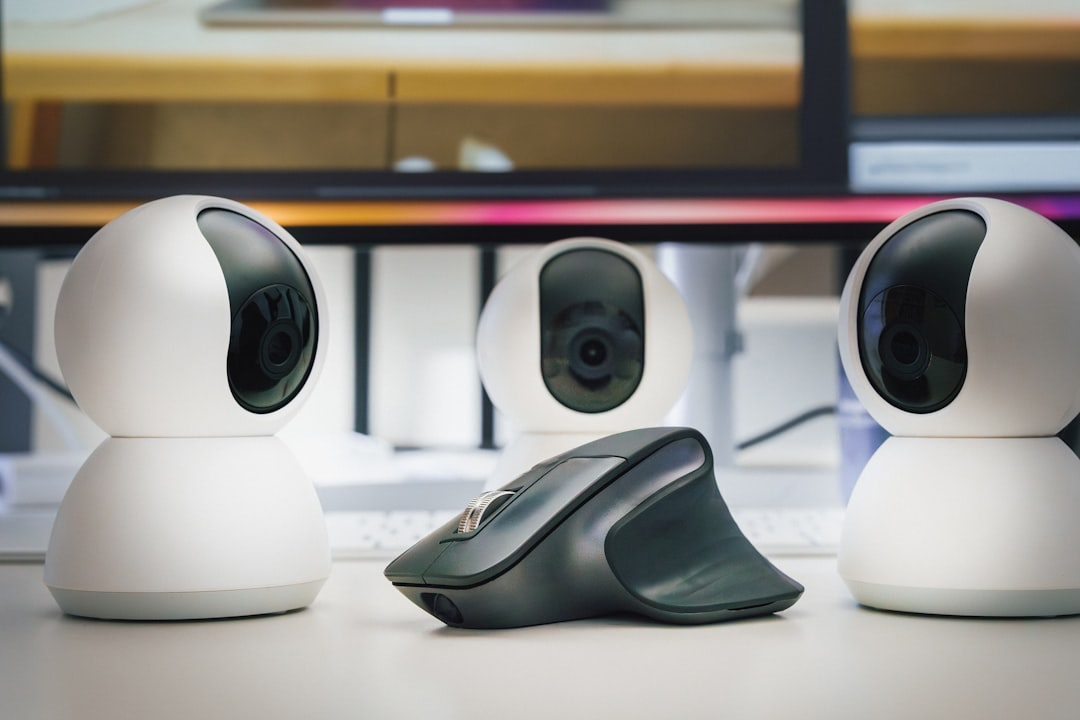
The proliferation of IoT devices brings with it an exponential increase in data points, potential attack vectors, and complex network architectures. Traditional centralized security models often struggle to cope with this scale, leading to a pressing demand for innovative solutions.
💡 The IoT Security Challenge: Why Decentralization Matters
IoT devices, by their very nature, are often resource-constrained and operate in diverse, sometimes hostile, environments. This creates several vulnerabilities:
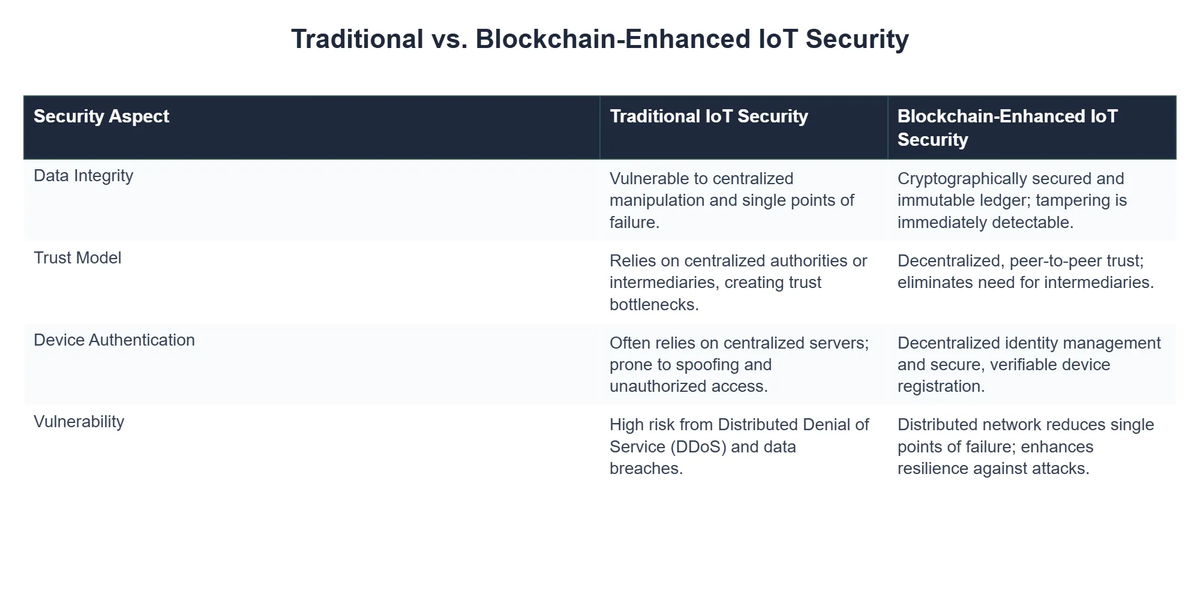
- ❌ Centralized Vulnerability: A single point of failure can compromise an entire network.
- ❌ Data Tampering: Data collected by sensors can be altered, leading to incorrect decisions or malicious actions.
- ❌ Device Authentication: Ensuring that only legitimate devices connect to a network is a constant battle.
- ❌ Privacy Concerns: Personal and sensitive data collected by IoT devices are susceptible to breaches.
- ❌ Scalability Issues: Managing millions or billions of devices and their data streams strains centralized systems.
For more insights into the broader impact of decentralized technologies, you might find our article on Blockchain Revolution: Transforming Industries and Finance particularly enlightening.
⚙️ How Blockchain Addresses IoT Vulnerabilities
Blockchain’s inherent characteristics — decentralization, immutability, transparency, and cryptographic security — offer compelling solutions to these IoT challenges. By distributing trust across a network rather than centralizing it, blockchain enhances the resilience and integrity of IoT ecosystems. As noted by industry experts, this integration is poised to revolutionize how we secure data and devices in the digital age. For example, EE Times highlights the foundational role of this synergy in “Securing the Future of Connected Devices.” (Source: EETimes)
Core Benefits of Blockchain in IoT Security
Integrating blockchain with IoT brings a suite of powerful advantages that strengthen the security posture and operational efficiency of smart device networks.
✅ Enhanced Data Integrity and Immutability
Every piece of data recorded on a blockchain is cryptographically linked to the previous one, forming an immutable chain. This means any attempt to alter data would break the chain, making tampering immediately detectable. For IoT, this ensures that sensor readings, device logs, and transaction data are trustworthy and tamper-proof.
SmartGrid Innovations: Fortifying IoT Security, Cutting Breaches by 90%
❓The Challenge
SmartGrid Innovations Inc., managing a vast network of smart city sensors and devices, faced critical security vulnerabilities, including potential data tampering and unauthorized device access that threatened grid stability and citizen privacy.
💡The Solution
Leveraging the principles of blockchain-IoT integration, they implemented a decentralized ledger to authenticate every device and immutably record all data streams. This distributed trust model fortified their network against single points of failure and malicious alterations.
🏆The Result
This integration led to a dramatic 90% reduction in attempted data tampering incidents and unauthorized device access, significantly enhancing grid resilience and public trust.
🛡️ Decentralized Trust and Authentication
Instead of relying on a central authority to authenticate devices, blockchain allows for decentralized identity management. Each IoT device can have a unique blockchain identity, and their interactions can be verified by the network participants. This peer-to-peer authentication significantly reduces the risk of unauthorized access and impersonation, creating a more robust defense against cyber threats for all your `smart devices`.
🔗 Transparent and Auditable Records
The transparent nature of blockchain, where all validated transactions are visible to network participants, creates an auditable trail of device interactions and data exchanges. This is invaluable for troubleshooting, compliance, and forensic analysis in case of a security incident.
🔋 Efficient Resource Management for Smart Devices
Blockchain can facilitate autonomous interactions between IoT devices, enabling them to discover, negotiate, and transact with each other without human intervention or central server overhead. This concept, often referred to as machine-to-machine (M2M) economy, allows for more efficient resource allocation and automated service provision.
Key Blockchain Technologies Powering IoT Security
Several innovative blockchain projects are specifically tailored to address the unique demands of IoT, focusing on scalability, transaction fees, and data integrity.
- ➡️ VeChain (VET): Primarily known for its enterprise-grade public blockchain, VeChain Thor is extensively used in supply chain management to track products and verify their authenticity. Its capabilities directly secure IoT devices used in logistics, ensuring that data collected from sensors (e.g., temperature, location) is immutable and trustworthy, from origin to consumer. This makes it crucial for preventing counterfeiting and enhancing transparency across global supply chains.
- ➡️ IOTA (MIOTA): Unlike traditional blockchains, IOTA utilizes a Directed Acyclic Graph (DAG) called the Tangle. This architecture is designed for the feeless and highly scalable exchange of data and value between machines. Its strength lies in ensuring data integrity and enabling micro-transactions among IoT devices without the burden of transaction fees, making it ideal for large-scale Industrial IoT (IIoT) applications where countless data points need secure, instant transfer.
- ➡️ IoTeX (IOTX): Focused on building the connected world where all physical things, humans, and dApps can interact with trust and free will. IoTeX provides a secure, privacy-preserving blockchain infrastructure for IoT devices and their data. It enables DApps to integrate real-world data from physical sensors, cameras, and devices, fostering a decentralized machine economy and enhancing privacy for `smart devices` in areas like smart homes and personal health monitoring.
For more detailed insights into specific blockchain applications in critical sectors, consider reading our article on Blockchain Revolution: Applications in Healthcare and Cybersecurity.
Real-World Applications and Use Cases
The synergy between blockchain and IoT is not merely theoretical; it’s being implemented across various industries to build a more robust `connected future`.
- Supply Chain & Logistics: IoT sensors track goods, while blockchain records every step of their journey, providing an immutable audit trail. This is particularly effective in preventing fraud and ensuring product authenticity. Platforms like VeChain are at the forefront of this integration, ensuring transparency and trust in complex supply chains.
- Smart Homes & Cities: Blockchain can secure communication between smart home devices (locks, cameras, thermostats) and manage access permissions. For smart cities, it can secure public utility grids, traffic management systems, and environmental sensors. IoTeX, with its focus on secure and private data from physical devices, is a strong contender in building trustworthy smart environments.
- Healthcare & Pharmaceuticals: IoT wearables collect vital patient data, which can be securely stored and shared via blockchain, ensuring patient privacy and data integrity. This also aids in tracking pharmaceuticals to prevent counterfeiting.
- Industrial IoT (IIoT): In manufacturing and energy sectors, blockchain secures data from industrial sensors and machinery, enabling predictive maintenance, automated payments, and verifiable compliance records. The feeless nature and scalability of IOTA make it highly suitable for high-volume data exchanges in IIoT environments.
- Automotive: Blockchain can secure vehicle-to-vehicle (V2V) and vehicle-to-infrastructure (V2I) communication, manage ride-sharing payments, and track vehicle maintenance histories.
Overcoming Challenges and Future Outlook
While the potential of blockchain-IoT integration is immense, several hurdles must be addressed for widespread adoption.
⚙️ Scalability and Interoperability Hurdles
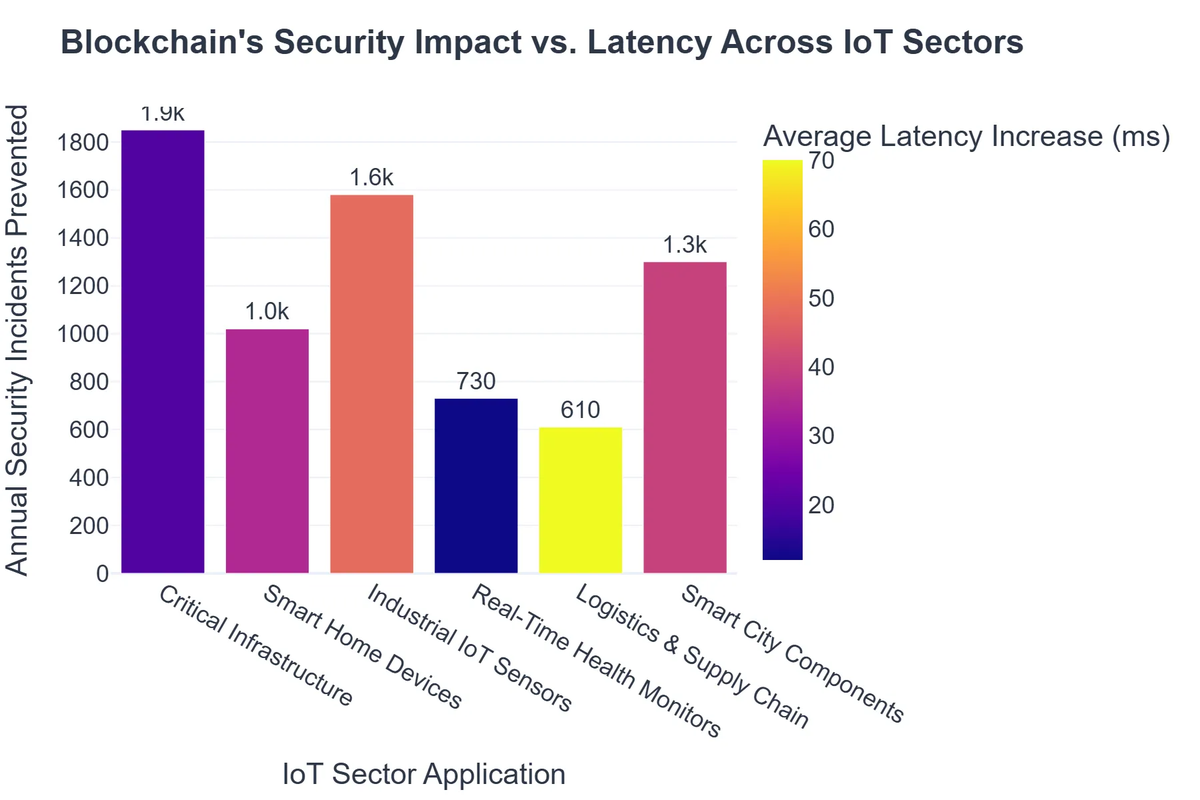
Current blockchain networks can struggle with the sheer volume of transactions generated by billions of IoT devices. Furthermore, ensuring different blockchain networks and IoT protocols can communicate seamlessly remains a significant challenge. Innovations like layer-2 solutions, sharding, and cross-chain protocols (such as those explored by Axelar Coin (AXL): Bridging Blockchains for Web3) are vital for overcoming these limitations.
➡️ Regulatory and Standardization Landscape
The nascent nature of these technologies means that regulatory frameworks and industry standards are still evolving. Clear guidelines are needed to foster innovation while ensuring consumer protection and data governance, particularly for global `connected future` initiatives.
🚀 The Road Ahead for the Connected Future
Despite the challenges, the trajectory for blockchain-IoT integration is upward. Continued advancements in blockchain technology, coupled with growing awareness of IoT security needs, will drive further adoption. We can expect more specialized blockchain solutions, improved interoperability, and broader industry collaborations aimed at securing our digital future.
Recommended Video
Conclusion: Charting a Secure Connected Future
The convergence of Blockchain and IoT is not merely an evolutionary step; it’s a revolutionary leap towards building a truly secure, transparent, and autonomous `connected future`. By leveraging the decentralized, immutable, and cryptographically secure nature of blockchain, we can address the critical vulnerabilities of `smart devices`, ensuring data integrity, enhancing privacy, and fostering trust in an increasingly interconnected world.
As we continue to chart the course of tomorrow’s technology, the synergy between these two transformative forces will undoubtedly be a cornerstone of innovation. For a deeper dive into the broader landscape of technological advancements and their societal impact, explore our pillar content: Future Perfect?: Charting the Course of Tomorrow’s Technology. The journey towards a truly smart, secure, and decentralized future has just begun.
Frequently Asked Questions
What common problems does Blockchain solve for IoT?
Blockchain addresses key IoT challenges such as data integrity, device authentication, and vulnerability to centralized attacks by providing a decentralized, immutable ledger for all transactions and communications.
How does Blockchain enhance data privacy in IoT networks?
By encrypting data and distributing it across a decentralized network, Blockchain makes it significantly harder for unauthorized parties to access or alter sensitive IoT data, enhancing privacy and reducing the risk of breaches.
Can Blockchain improve the scalability of IoT systems?
While traditional Blockchain networks can face scalability issues, emerging Layer 2 solutions and specialized DLTs are being developed to process the massive volume of data generated by IoT devices more efficiently, aiming to improve scalability.
What is the role of smart contracts in Blockchain-IoT integration?
Smart contracts enable autonomous and secure interactions between IoT devices. They can automate processes like data exchange, payments, or device maintenance based on pre-defined conditions, eliminating the need for human intervention or intermediaries.