


Cyber Threat Protection: Essential Strategies for Digital Security
In our increasingly interconnected world, digital security is no longer just an IT department’s concern; it’s a fundamental pillar of personal privacy, business continuity, and national infrastructure. As technology evolves at an exponential pace, so too do the sophistication and volume of cyber threats. Understanding and implementing robust cyber threat protection strategies is paramount for anyone navigating the digital landscape.
💡 Key Takeaways
- Implement multi-factor authentication (MFA) across all accounts.
- Regularly update software and operating systems to patch vulnerabilities.
- Practice strong password hygiene using unique, complex passwords.
- Recognize and avoid phishing attempts and social engineering tactics.
“As AI advances, so too will the sophistication of cyber threats. Our digital security strategies must evolve from reactive defenses to proactive, predictive measures, ensuring human values remain at the core of our tech-driven future.”
— Kira Chen, Futurist & AI Ethics Advocate
From individual users safeguarding their personal data to multinational corporations defending against sophisticated espionage, the need for effective digital security has never been greater. This comprehensive guide will equip you with the essential knowledge and actionable strategies to fortify your defenses against the ever-present danger of network security threats. For a broader perspective on the technological advancements shaping our world, explore our insights into Future Perfect?: Charting the Course of Tomorrow’s Technology.
In This Article
- → Cyber Threat Protection: Essential Strategies for Digital Security
- — 💡 Key Takeaways
- → Understanding the Digital Threat Landscape
- — Common Types of Cyber Attacks
- → Foundational Cyber Security Measures
- — 🔐 Strong Authentication and Access Control
- — ⚙️ Regular Software Updates and Patch Management
- — 🛡️ Antivirus and Endpoint Protection
- → Advanced Threat Detection and Response
- — 🌐 Network Segmentation and Firewalls
- — 🔍 Threat Intelligence and Behavioral Analytics
- — Incident Response Planning
- → Protecting Against Insider Threats
- — Recognizing Insider Threat Indicators
- — Strategies for Insider Threat Mitigation
- → Securing E-commerce and Data
- — Payment Card Industry Data Security Standard (PCI DSS) Compliance
- — Web Application Firewalls (WAFs)
- — Secure Coding Practices
- — Data Encryption
- → The Human Element: Training and Awareness
- — Continuous Security Awareness Training
- — Fostering a Culture of Security
- → Building a Resilient Cyber Security Posture
- — Regular Security Audits and Penetration Testing
- — Compliance and Regulatory Adherence
- → Conclusion
Understanding the Digital Threat Landscape

Before we can defend, we must understand what we’re defending against. The digital threat landscape is vast and continually shifting, presenting a myriad of challenges for individuals and organizations alike. Recognizing the common type of attack in network security is the first step towards building effective defenses.
Common Types of Cyber Attacks
- ✅ Malware: Malicious software designed to disrupt, damage, or gain unauthorized access to computer systems. This includes viruses, worms, Trojans, ransomware, and spyware.
- ✅ Phishing: Deceptive attempts to trick individuals into revealing sensitive information (e.g., usernames, passwords, credit card details) by disguising as a trustworthy entity in an electronic communication.
- ✅ DDoS Attacks (Distributed Denial of Service): Overwhelming a target system with a flood of internet traffic to disrupt its normal functioning. For more details on defending against such attacks, the Canadian Centre for Cyber Security offers valuable guidance on DDoS Defenses.
- ✅ SQL Injection: A code injection technique used to attack data-driven applications, in which malicious SQL statements are inserted into an entry field for execution.
- ✅ Zero-Day Exploits: Attacks that exploit a previously unknown vulnerability in a computer application or operating system, for which no patch or fix has yet been developed.
- ✅ Man-in-the-Middle (MitM) Attacks: Where an attacker intercepts and potentially alters communications between two parties who believe they are communicating directly with each other.
Foundational Cyber Security Measures
Establishing a strong foundation is crucial for effective cyber threat protection. These measures are often the first line of defense and should be universally applied.
🔐 Strong Authentication and Access Control
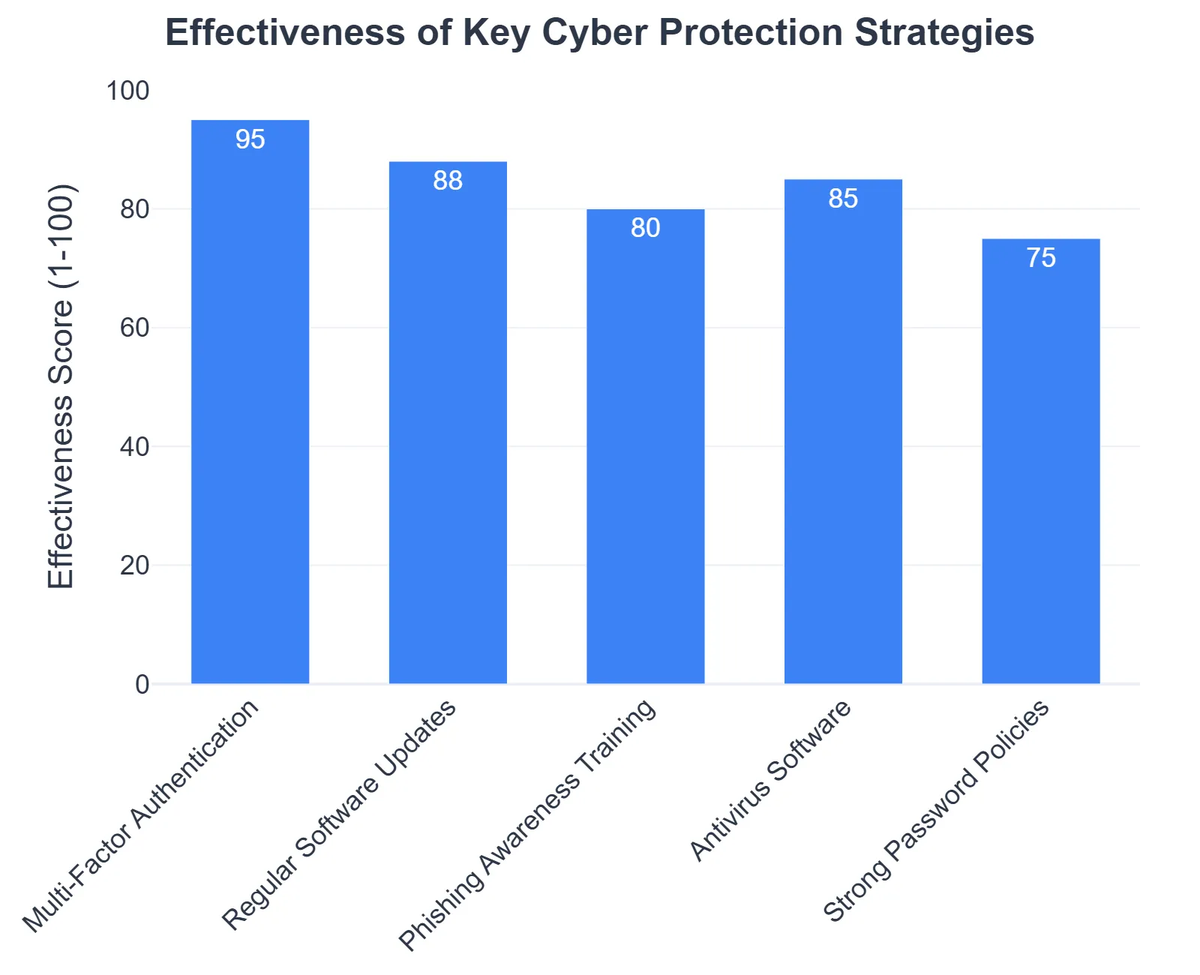
- ➡️ Multi-Factor Authentication (MFA): Implement MFA for all accounts wherever possible. This adds an extra layer of security beyond just a password, requiring two or more verification factors.
- ➡️ Strong, Unique Passwords: Encourage the use of complex, unique passwords for every account. Password managers can greatly assist in this.
- ➡️ Principle of Least Privilege (PoLP): Grant users only the minimum necessary permissions to perform their job functions.
⚙️ Regular Software Updates and Patch Management
Keeping software, operating systems, and applications up-to-date is non-negotiable. Updates often include critical security patches that address newly discovered vulnerabilities.
- 💡 Automate Updates: Where possible, enable automatic updates to ensure patches are applied promptly.
- 💡 Prioritize Critical Patches: Implement a system to quickly identify and deploy patches for high-severity vulnerabilities.
🛡️ Antivirus and Endpoint Protection
Every device, from personal computers to corporate servers, needs robust protection. Solutions like Norton 360 offer comprehensive protection for individuals and small businesses, bundling antivirus, VPN, password manager, and more into a single suite. For enterprises, the focus shifts to more sophisticated endpoint detection and response (EDR) solutions, a topic explored further in our guide on Endpoint Cyber Security: Fortifying Your Network.
Advanced Threat Detection and Response
As threats evolve, so must our defensive capabilities. Advanced solutions move beyond signature-based detection to proactively identify and neutralize sophisticated attacks.
🌐 Network Segmentation and Firewalls
Segmenting networks limits the lateral movement of attackers if they manage to breach one part of the system. Next-generation firewalls (NGFWs), such as those offered by Palo Alto Networks, provide advanced capabilities like application awareness, intrusion prevention, and threat intelligence integration to inspect traffic at a deeper level than traditional firewalls.
🔍 Threat Intelligence and Behavioral Analytics
Leveraging threat intelligence feeds and applying behavioral analytics helps identify anomalous activities that might indicate a breach or a novel attack. Solutions like CrowdStrike Falcon utilize machine learning and AI to detect suspicious behavior on endpoints, providing advanced EDR capabilities that go beyond traditional antivirus to predict and prevent attacks.
Incident Response Planning
Even with the best defenses, breaches can occur. A well-defined incident response plan is critical to minimize damage, recover quickly, and learn from the event.
- ✅ Preparation: Establish a dedicated incident response team, define roles, and develop playbooks for various incident types.
- ✅ Identification & Containment: Quickly detect, analyze, and isolate affected systems to prevent further compromise.
- ✅ Eradication & Recovery: Remove the threat, restore systems from clean backups, and ensure vulnerabilities are patched.
- ✅ Post-Incident Analysis: Review what happened, identify root causes, and implement improvements.
Protecting Against Insider Threats
The danger often lies within. Insider threat security focuses on mitigating risks posed by current or former employees, contractors, or business partners who have legitimate access to an organization’s systems or data.
Recognizing Insider Threat Indicators
- ➡️ Unusual network activity or data access.
- ➡️ Attempts to bypass security controls.
- ➡️ Unexplained changes in behavior or performance.
- ➡️ High-privilege access granted without clear business justification.
Strategies for Insider Threat Mitigation
- 💡 User Behavior Analytics (UBA): Monitor user activity for suspicious patterns.
- 💡 Data Loss Prevention (DLP): Implement DLP solutions to prevent sensitive data from leaving the controlled environment.
- 💡 Regular Audits and Monitoring: Conduct routine audits of access logs and system activity.
- 💡 Robust Offboarding Procedures: Ensure all access is revoked immediately upon an employee’s departure.
Securing E-commerce and Data
For businesses operating online, particularly those involved in transactions, understanding and mitigating security threats of e commerce is paramount. Consumer trust hinges on the assurance that their data and financial information are safe.
Cyber Threat Protection: Pros & Cons of Digital Security Strategies
Pros
- ✔Safeguards sensitive data and privacy.
- ✔Prevents financial losses from cyberattacks.
- ✔Ensures business continuity and system uptime.
- ✔Builds trust and maintains reputation.
Cons
- ✖Can incur significant implementation and maintenance costs.
- ✖Requires continuous updates and vigilant monitoring.
- ✖May impact system performance or user convenience.
- ✖No absolute guarantee against all evolving threats.
Payment Card Industry Data Security Standard (PCI DSS) Compliance
Any entity that stores, processes, or transmits cardholder data must comply with PCI DSS. This standard sets forth requirements for protecting sensitive payment information.
Web Application Firewalls (WAFs)
WAFs protect web applications from common attacks such as SQL injection, cross-site scripting (XSS), and other OWASP Top 10 vulnerabilities, acting as a shield between web applications and the internet.
Secure Coding Practices
Developers must adhere to secure coding principles to minimize vulnerabilities during the software development lifecycle. Regular security testing, including penetration testing and vulnerability scanning, is essential.
Data Encryption
Encrypting data both in transit (e.g., via SSL/TLS) and at rest (e.g., database encryption) adds a critical layer of protection, rendering data unintelligible to unauthorized parties even if breached.
The Human Element: Training and Awareness
Technology alone cannot fully protect an organization or individual. Human error remains one of the largest vulnerabilities. Effective cyber threat protection hinges significantly on well-informed users.
Continuous Security Awareness Training
Regular training can turn your employees into your strongest defense. This goes beyond annual briefings, incorporating simulated phishing attacks and real-time alerts. According to CybSafe, security awareness training is crucial for several reasons, including reducing human error and fostering a security-first culture. Read more about why security awareness training is important.
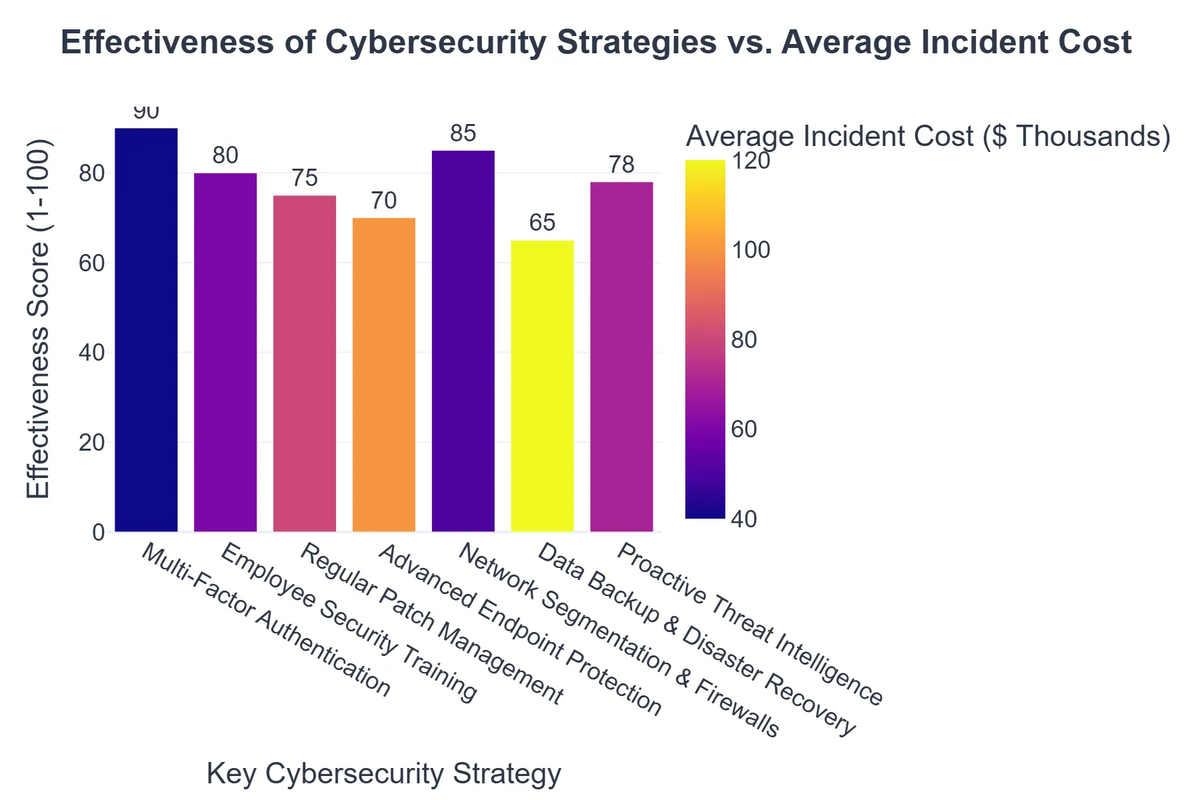
- 💡 Phishing Drills: Periodically test employees with simulated phishing emails to reinforce training.
- 💡 Best Practices Education: Educate users on safe browsing habits, the dangers of suspicious links, and the importance of reporting anomalies.
- 💡 Social Engineering Awareness: Train staff to recognize and resist social engineering tactics used by attackers.
Fostering a Culture of Security
Security should be everyone’s responsibility, from the top down. Leadership must champion security initiatives, and employees should feel empowered to report potential threats without fear of reprisal.
Building a Resilient Cyber Security Posture
Achieving robust cyber threat protection is an ongoing journey, not a destination. It requires continuous adaptation, vigilance, and investment.
Regular Security Audits and Penetration Testing
Independent security audits and penetration tests can uncover vulnerabilities that internal teams might miss, providing an objective assessment of your security posture. This is a critical component of Cyber Security: Essential Strategies for a Protected Digital Future.
Compliance and Regulatory Adherence
Adhering to relevant industry standards and government regulations (e.g., GDPR, HIPAA for Healthcare Cyber Security: Protecting Patient Data, NIST, ISO 27001) not only ensures legal compliance but also enforces best practices for data protection.
For a comprehensive overview of best practices, the Cybersecurity and Infrastructure Security Agency (CISA) provides a valuable resource on Cybersecurity Best Practices.
Recommended Video
Conclusion
The digital world is fraught with perils, but it is also a realm of immense opportunity. By proactively adopting essential strategies for cyber threat protection, individuals and organizations can significantly mitigate risks and build a resilient defense against the evolving landscape of network security threats. It’s a continuous process of learning, adapting, and investing in the right technologies and, most importantly, in human awareness.
Staying informed, implementing multi-layered security solutions, and fostering a security-conscious culture are not merely best practices; they are prerequisites for thriving in the digital age. Your vigilance today ensures your digital safety tomorrow.
Frequently Asked Questions
What is the most common cyber threat today?
Phishing attacks remain one of the most prevalent threats, attempting to trick individuals into revealing sensitive information through deceptive emails or websites.
How often should I change my passwords?
Instead of frequent changes, focus on creating strong, unique passwords for each service, ideally using a password manager, and enabling multi-factor authentication (MFA).
Is antivirus software still necessary?
Yes, robust antivirus software provides a crucial layer of defense against malware, ransomware, and other malicious programs, complementing other security measures.
What is multi-factor authentication (MFA)?
MFA adds an extra layer of security by requiring two or more verification factors to gain access to an account, such as a password plus a code from your phone.