


Top 100 Biotechnology Companies: A Deep Dive into Innovation and Impact
The biotechnology sector is a crucible of innovation, constantly pushing the boundaries of what’s possible in medicine, agriculture, and industrial processes. At its core, biotechnology harnesses biological systems and living organisms to develop groundbreaking products and technologies. Understanding the landscape of top 100 biotechnology companies is crucial for anyone interested in the future of health, sustainability, and scientific advancement. These biotech industry leaders are not just creating new drugs; they’re redefining how we approach disease, food production, and environmental challenges.
💡 Key Takeaways
- Understand the diverse sectors within biotechnology, from therapeutics to agribiotech.
- Identify key players and their impact on global scientific and economic landscapes.
- Learn about the major trends and challenges facing the top biotech firms.
- Gain insights into potential investment opportunities and future growth areas.
“The genomics revolution has profoundly reshaped the biotech landscape. These top companies aren’t just innovating; they’re decoding the very blueprint of life to solve some of humanity’s most pressing challenges.”
— Julian Aris, Evolutionary Biologist & Geneticist
From gene editing breakthroughs to novel therapeutic antibodies, the impact of these companies resonates across global economies and directly influences human well-being. This article will provide a comprehensive overview of what defines these titans of the industry, the sectors they dominate, and what makes them stand out in a highly competitive and rapidly evolving field. For a foundational understanding of the entire domain, explore The Code of Life: Decoding Genetics, Evolution, and Existence.
In This Article
- → Top 100 Biotechnology Companies: A Deep Dive into Innovation and Impact
- — 💡 Key Takeaways
- → 🔬 The DNA of Innovation: What Defines a Leading Biotech Company?
- — ✅ Key Characteristics of Biotech Industry Leaders
- → 📈 Key Sectors Driving Biotech Growth & Impact
- — 💊 Pharmaceuticals & Therapeutics
- — 🌱 Agricultural Biotechnology
- — 🧪 Industrial Biotechnology (White Biotechnology)
- — 🧬 Diagnostics & Research Tools
- → 🔍 Navigating the Landscape: Identifying Top Biotech Players
- — 🌍 Global Hubs of Biotech Excellence
- → ⭐ Case Studies: Innovators Leading the Charge
- — Gilead Sciences: Pioneering in Antivirals
- — Amgen: A Leader in Human Therapeutics
- — Vertex Pharmaceuticals: Revolutionizing Cystic Fibrosis Treatment
- → 🔮 The Future of Biotech: Trends and Horizons
- — 🤖 AI and Machine Learning in Drug Discovery
- — 🧬 Gene Editing and Cell Therapies
- — 🔬 Personalized Medicine
- — 🌱 Sustainable Biotechnology
- → Conclusion: The Enduring Impact of Biotech Industry Leaders
🔬 The DNA of Innovation: What Defines a Leading Biotech Company?

Identifying the top companies in biotechnology isn’t simply about market capitalization; it’s about a complex interplay of scientific prowess, robust R&D pipelines, commercial success, and strategic vision. These entities are at the forefront of Nature Biotechnology: Top Biotech Research and Scientific Publications, driving the scientific agenda.
✅ Key Characteristics of Biotech Industry Leaders
- ➡️ Robust R&D Pipeline: A strong portfolio of drugs, therapies, or technologies in various stages of development (preclinical, clinical trials Phases I, II, III).
- 💡 Breakthrough Innovation: A history of bringing truly novel and impactful products to market, often addressing unmet medical needs or creating entirely new categories.
- 💰 Financial Stability & Investment: Significant revenue streams, strong balance sheets, and the ability to attract substantial investment to fund expensive and long-term R&D. Many leading firms have seen their valuation soar through successful biotech IPOs, as tracked by industry sources like BioPharma Dive.
- 🌐 Global Reach & Market Presence: The ability to commercialize products worldwide, navigate diverse regulatory environments, and establish strong market penetration.
- 🧠 Talent Acquisition & Retention: A magnet for top scientific and business talent, fostering an environment of discovery and collaboration.
- 🛡️ Strong Intellectual Property: A robust portfolio of patents and proprietary technologies that protect their innovations and provide a competitive edge. Understanding Biotechnology Patents: Protecting Innovation in Life Sciences is critical in this industry.
📈 Key Sectors Driving Biotech Growth & Impact
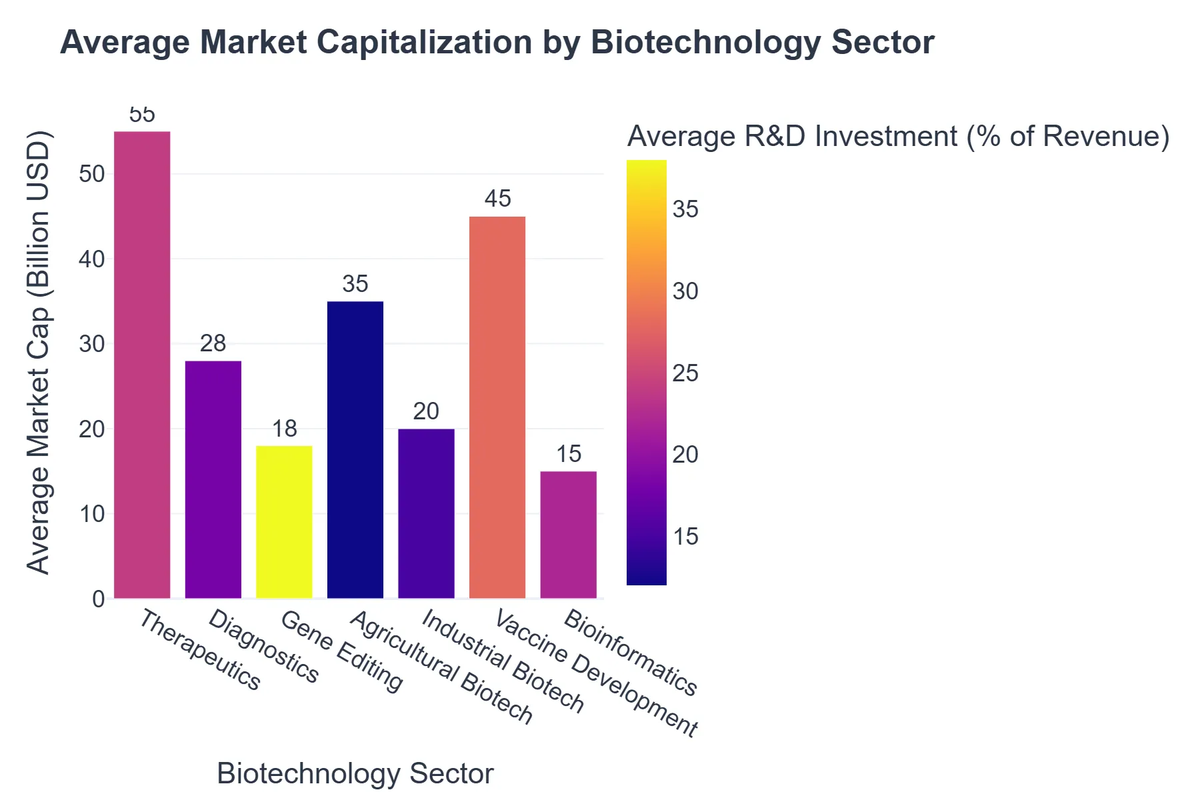
Biotechnology is a vast field, with its leading companies often specializing in or excelling across several critical sectors. Each sector presents unique challenges and opportunities for biotech innovation.

💊 Pharmaceuticals & Therapeutics
This is arguably the largest segment, focusing on the discovery, development, and commercialization of biologically-derived drugs. These can include monoclonal antibodies, gene therapies, cell therapies, vaccines, and recombinant proteins. The impact here is direct, offering new treatments for diseases ranging from cancer and autoimmune disorders to rare genetic conditions.
🌱 Agricultural Biotechnology
Companies in this space focus on improving crop yield, pest resistance, nutritional value, and sustainability in agriculture. This involves genetic modification of crops, developing bio-pesticides, and creating advanced diagnostic tools for plant health. Discover more about the diverse uses in Biotechnology Applications: Beyond Medicine.
🧪 Industrial Biotechnology (White Biotechnology)
This sector applies biotech principles to industrial processes, aiming for more sustainable and efficient manufacturing. Examples include producing biofuels, enzymes for detergents, bio-based plastics, and optimizing chemical synthesis using biological catalysts. It’s about leveraging biology to reduce environmental impact and costs.
🧬 Diagnostics & Research Tools
Many biotech companies specialize in developing sophisticated diagnostic tools, genetic sequencing technologies, and laboratory reagents that enable scientific research and clinical testing. These tools are foundational for drug discovery and personalized medicine.
🔍 Navigating the Landscape: Identifying Top Biotech Players
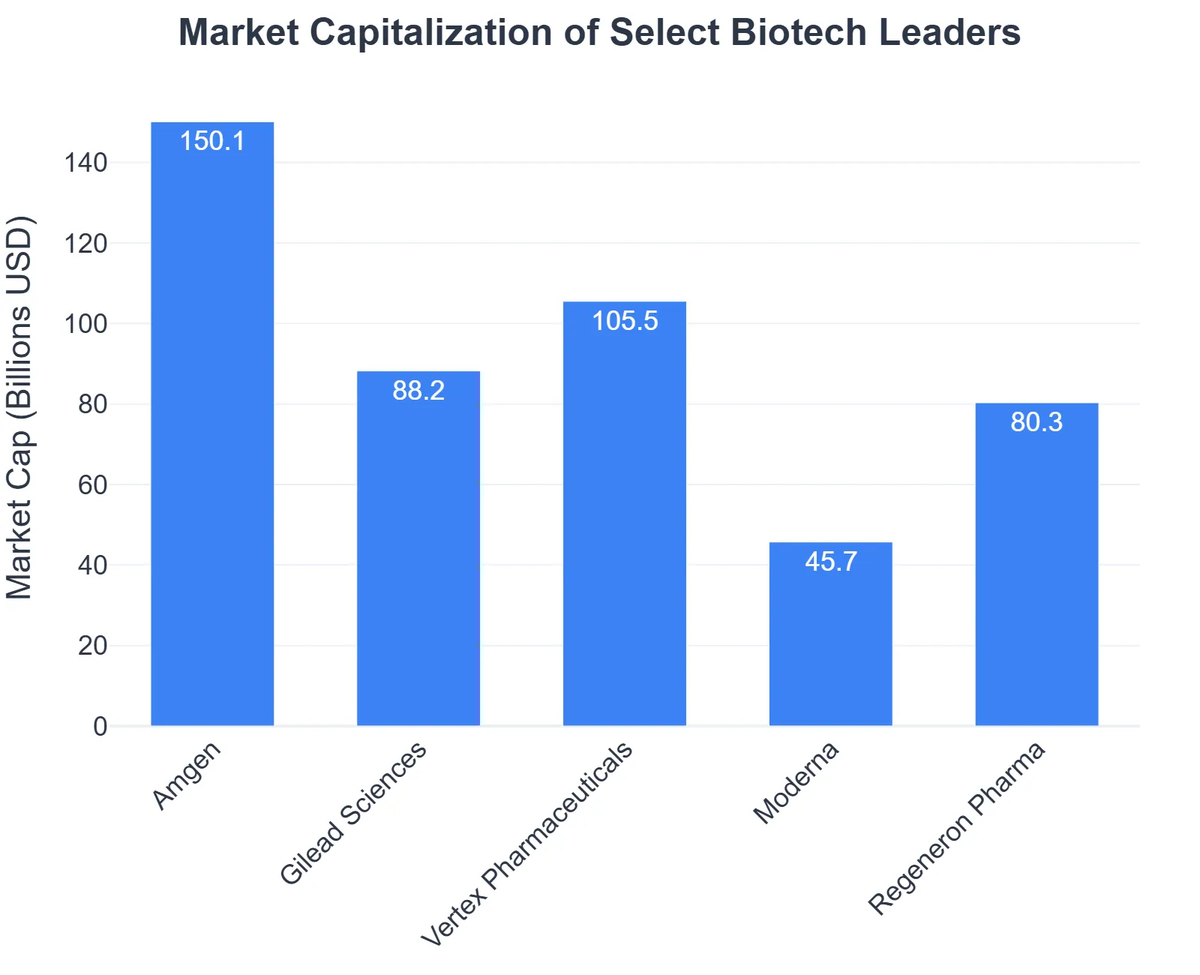
While compiling an exhaustive, definitive list of the “top 100 biotechnology companies” is challenging due to constant market fluctuations, mergers, acquisitions, and R&D breakthroughs, we can identify them by their consistent performance and impact across the globe. These companies are often recognized for their intellectual property strength and innovation, as highlighted by reports such as the Clarivate Top 100 Global Innovators.
🌍 Global Hubs of Biotech Excellence
Leading biotech companies are concentrated in regions with strong academic research institutions, significant venture capital funding, and supportive regulatory environments. Key hubs include:
- ✅ Boston/Cambridge, USA
- ✅ San Francisco Bay Area, USA
- ✅ San Diego, USA
- ✅ Basel, Switzerland
- ✅ London/Oxford/Cambridge, UK
- ✅ Shanghai/Beijing, China
- ✅ Specific initiatives like the Department of Biotechnology India: Driving India’s Bio Revolution are also fostering regional growth.
⭐ Case Studies: Innovators Leading the Charge
To illustrate the characteristics of leading biotech companies, let’s look at a few prominent examples that consistently rank among the top. These companies exemplify the drive for biotech innovation that defines the sector’s best.
Gilead Sciences: Pioneering in Antivirals
Gilead Sciences is a prime example of a biotech powerhouse, particularly renowned for its groundbreaking work in antiviral drugs. From its early successes in HIV/AIDS therapies to its rapid development of treatments for Hepatitis C, Gilead has consistently demonstrated the ability to bring life-saving medications to market. Their focus on areas with high unmet medical needs and their robust R&D pipeline have solidified their position as a leading biotech company.

Amgen: A Leader in Human Therapeutics
Amgen stands as one of the world’s largest independent biotechnology companies, focusing on human therapeutics. Their portfolio spans multiple therapeutic areas, including oncology, nephrology, cardiovascular disease, bone health, and neuroscience. Amgen’s strength lies in its deep understanding of molecular biology and its ability to translate that knowledge into innovative biologic medicines, making it a cornerstone among biotech industry leaders.
Vertex Pharmaceuticals: Revolutionizing Cystic Fibrosis Treatment
Vertex Pharmaceuticals is a testament to focused innovation, particularly in rare diseases. They have revolutionized the treatment of cystic fibrosis (CF) with a series of transformative modulator therapies that address the underlying cause of the disease. Vertex’s success highlights the potential for biotech companies to dramatically improve patient outcomes in highly specialized areas, showcasing significant biotech innovation. For a broader look at other significant players, refer to Top Biotech Companies: Innovators Shaping Our Future.
🔮 The Future of Biotech: Trends and Horizons
The biotechnology landscape is never static. Several key trends are shaping the future, indicating where the next generation of leading biotech companies will emerge.
🤖 AI and Machine Learning in Drug Discovery
The integration of artificial intelligence and machine learning is accelerating drug discovery, enabling faster identification of drug candidates and predicting their efficacy. Companies like Accutar Biotechnology: Pioneering AI-Driven Drug Discovery are at the forefront of this revolution.
🧬 Gene Editing and Cell Therapies
Advances in CRISPR technology and the continued development of CAR-T cell therapies promise cures for previously untreatable genetic disorders and cancers, opening vast new therapeutic avenues.
🔬 Personalized Medicine
Tailoring treatments based on an individual’s genetic makeup is becoming a reality, leading to more effective and safer therapies. This relies heavily on sophisticated diagnostic tools and genomic data analysis.
🌱 Sustainable Biotechnology
The focus on environmental sustainability is driving innovation in biofuels, bioremediation, and bioplastics, demonstrating biotechnology’s role in addressing global environmental challenges. This also ties into the growing convergence of Biotechnology and Nanotechnology: A Powerful Convergence for novel solutions.

Recommended Video
Conclusion: The Enduring Impact of Biotech Industry Leaders
The quest to identify the top 100 biotechnology companies is a dynamic pursuit, reflecting the rapid pace of scientific discovery and commercialization in the sector. These are the companies that are not merely profitable but are fundamentally transforming healthcare, agriculture, and industry. Their commitment to research and development, their ability to navigate complex regulatory landscapes, and their relentless pursuit of breakthroughs make them true biotech industry leaders.
As we look ahead, the continuous evolution of genetic technologies, the convergence with artificial intelligence, and the global imperative for sustainable solutions ensure that the biotechnology sector will remain at the forefront of innovation, profoundly impacting the “Code of Life” for generations to come.
Frequently Asked Questions
What criteria were used to select the top 100 biotechnology companies?
Companies were selected based on market capitalization, revenue, R&D investment, pipeline strength, innovation, and global impact across various biotech sectors.
How is biotechnology impacting the healthcare industry?
Biotechnology is revolutionizing healthcare through gene therapies, personalized medicine, advanced diagnostics, novel drug discovery, and vaccine development, leading to more effective and targeted treatments.
Are there specific emerging trends within the biotech sector?
Key emerging trends include CRISPR gene editing, synthetic biology, AI-driven drug discovery, cell and gene therapies, and the integration of biotech with digital health platforms.
Where can I find investment opportunities in biotechnology?
Investment opportunities exist across public markets (ETFs, individual stocks), venture capital for startups, and specialized biotech funds. Always conduct thorough due diligence or consult a financial advisor.