


For anyone captivated by the sheer majesty and intricate details of our planet, understanding its fundamental building blocks is paramount. From the fiery depths of volcanoes to the sparkling allure of a rare gemstone, the Earth tells a story written in stone. When it comes to deciphering this geological narrative, one resource stands out as an unparalleled guide for enthusiasts, students, and professionals alike: Geology.com.
💡 Key Takeaways
- Geology.com offers a vast database of rock and mineral information.
- It provides in-depth articles on various geological topics and processes.
- The site serves as an invaluable educational resource for all levels of interest.
- It is a trusted source for accurate and comprehensive earth science knowledge.
“Geology.com is an indispensable digital field guide for anyone, from students to seasoned geophysical explorers. Its accuracy and breadth of content truly bridge the gap between academic theory and practical observation of Earth’s dynamic systems.”
— Marcus Sterling, Geophysical Explorer & Climate Dynamics Analyst
This premier geology website has established itself as the ultimate digital repository for everything related to rocks, minerals, geological processes, and Earth science. It serves as a vital bridge between complex scientific concepts and accessible, engaging information, making the study of rocks and Earth’s dynamics enjoyable and insightful for all.
Discover how Earth’s Unseen Forces: The Hidden Dynamics of Our Planet shape everything we see and experience, and learn how Geology.com illuminates these mysteries.
In This Article
- — 💡 Key Takeaways
- → Unpacking Geology.com: A Digital Gateway to Earth Science
- — ✅ What Makes Geology.com an Authority?
- → Exploring the Vast Database of Geology.com Rocks and Minerals
- — 💎 Delving into Minerals
- — 🪨 Understanding Rocks
- → Beyond the Basics: Gemstones, Maps, and Earth Processes
- — 🗺️ Geological Maps and Data
- — ✨ The World of Gemstones
- — 🌋 Earth’s Dynamic Forces
- → Educational Resources and Practical Tools for Learning
- — 📚 Learning Aids for Students and Educators
- — 📦 Geology.com Rock & Mineral Kits
- → Identifying Your Finds: Practical Guidance
- — 🔎 Tips for Rock and Mineral Identification
- → Why Geology.com is Your Go-To Resource
- → Conclusion: Your Journey into Earth’s Depths Begins Here
Unpacking Geology.com: A Digital Gateway to Earth Science
Geology.com is far more than just a collection of articles; it’s a meticulously curated portal designed to educate and inspire. It covers a vast spectrum of topics, ensuring that whether you’re a novice or an expert, you’ll find valuable insights.
✅ What Makes Geology.com an Authority?
- ➡️ Comprehensive Content: From basic rock identification to in-depth analyses of geological phenomena, the site covers it all.
- ➡️ Visual Richness: High-quality images, maps, and diagrams enhance understanding, making complex subjects digestible.
- ➡️ Regular Updates: The site consistently adds new articles, news, and features, keeping its content fresh and relevant.
- ➡️ User-Friendly Interface: Easy navigation allows users to quickly find information on specific rocks, minerals, or geological events.
Exploring the Vast Database of Geology.com Rocks and Minerals
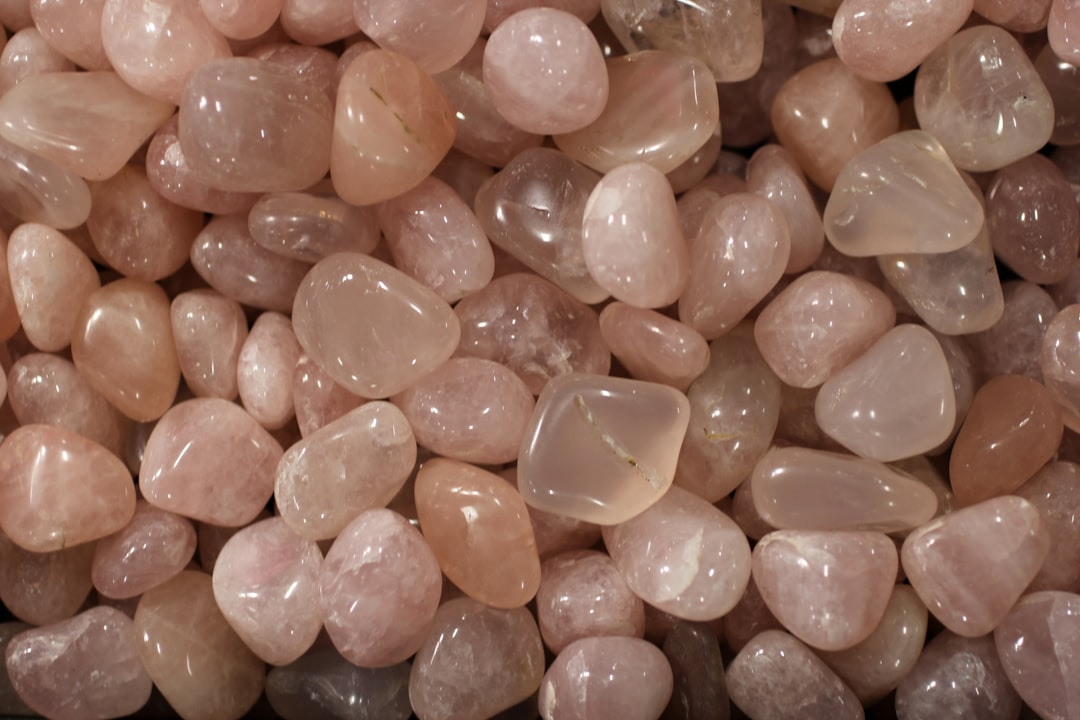
The core strength of Geology.com lies in its extensive and meticulously organized database of rocks and minerals. It’s an indispensable tool for anyone wanting to identify, learn about, or simply marvel at Earth’s geological treasures.
💎 Delving into Minerals
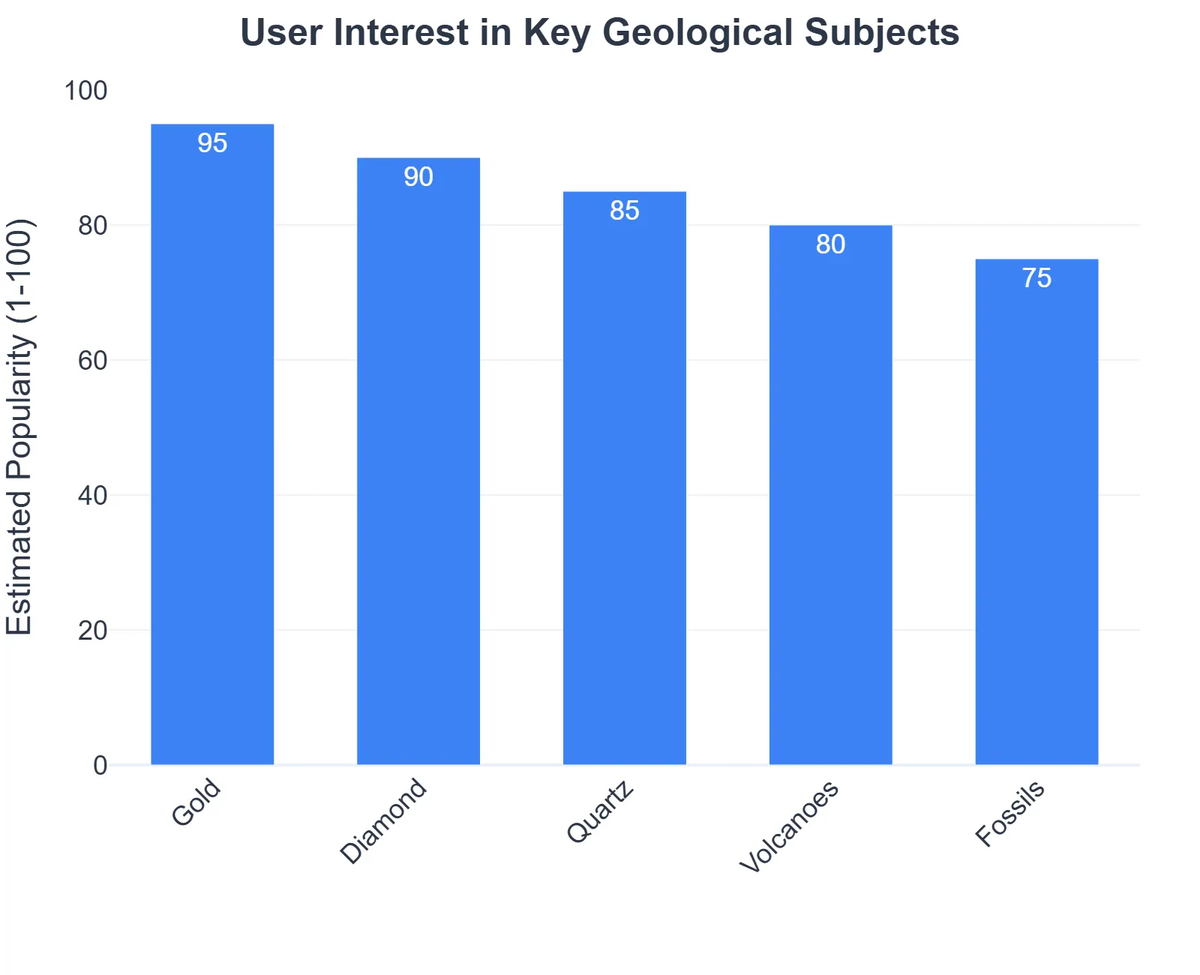
The minerals section is incredibly robust, offering detailed profiles for hundreds of different mineral species. Each profile typically includes:
- ✅ Chemical Composition: What elements make up the mineral.
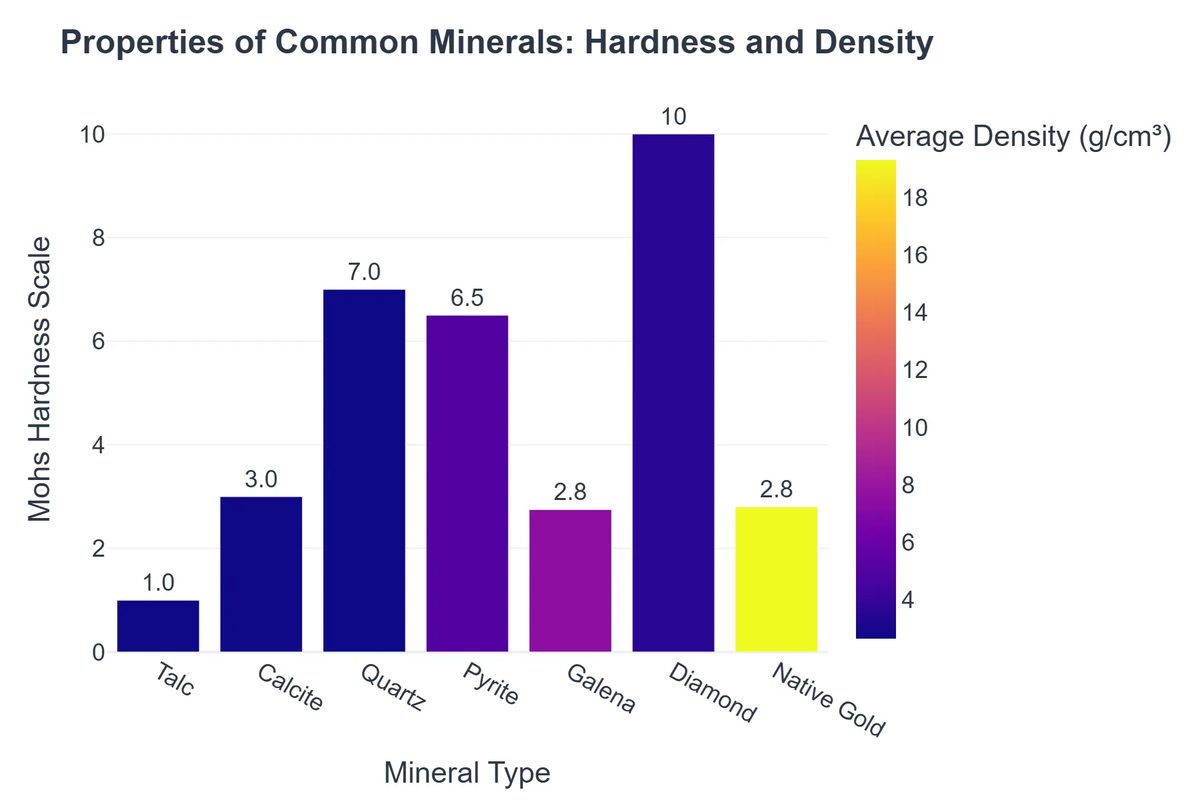
- ✅ Physical Properties: Hardness, streak, luster, cleavage, fracture, specific gravity, and crystal habit.
- ✅ Identification Tips: Practical advice on how to identify the mineral in the field.
- ✅ Uses: Industrial, economic, and aesthetic applications of the mineral.
- ✅ Stunning Photography: High-resolution images showcase the mineral’s appearance from various angles.
🪨 Understanding Rocks
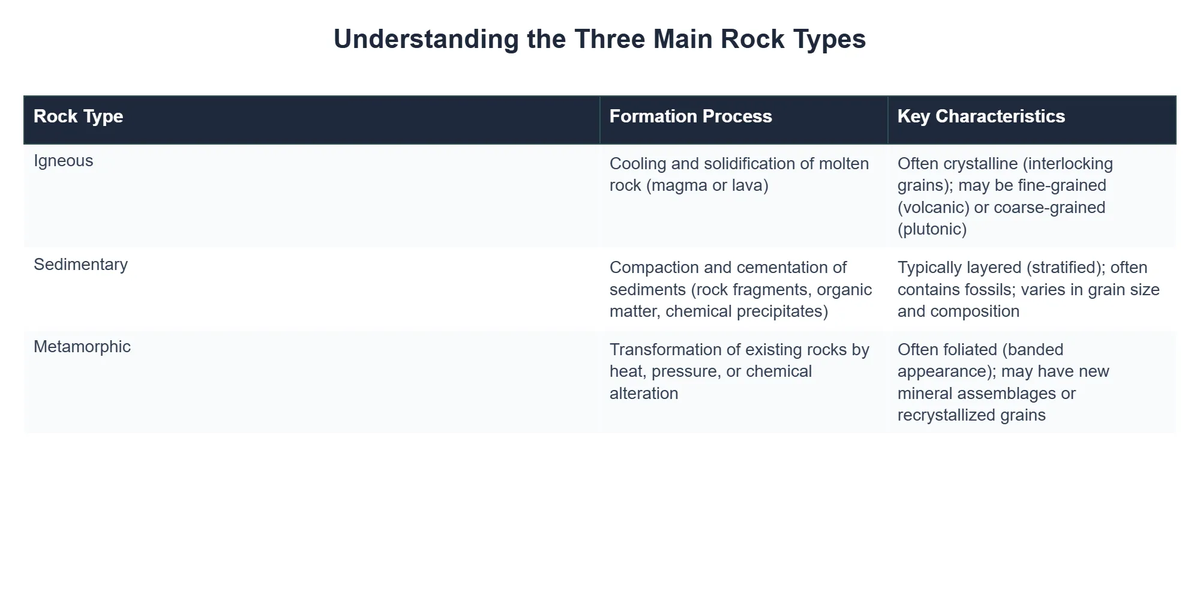
Geology.com provides clear explanations of the three main rock types—igneous, sedimentary, and metamorphic—and delves into numerous examples within each category. This section helps users understand rock formation, geological processes, and their significance.
- 💡 Igneous Rocks: Learn about rocks formed from molten magma or lava, such as granite and basalt.
- 💡 Sedimentary Rocks: Explore rocks formed from the accumulation and cementation of sediments, like sandstone and shale. For more on specific sedimentary forms, consider reading about Chert Geology: Hardness, Origin, and Cryptocrystalline Nature.
- 💡 Metamorphic Rocks: Discover rocks transformed by heat, pressure, or chemical alteration, including marble and slate.
Beyond the Basics: Gemstones, Maps, and Earth Processes
While rocks and minerals form the foundation, Geology.com extends its reach to cover a myriad of other fascinating geological subjects, making it a truly holistic resource.
🗺️ Geological Maps and Data
The site offers an impressive array of geological maps, including state-specific maps, world maps, and thematic maps focusing on specific resources or hazards. These visual tools are invaluable for understanding geological distribution and tectonic activity.
Geology.com: A Review of its Strengths and Weaknesses
Pros
- ✔Extensive and diverse content on geology, rocks, and minerals.
- ✔Features high-quality images and clear, accessible explanations.
- ✔Useful for a wide range of users, from hobbyists to professionals.
- ✔Includes up-to-date news and current events in geology.
Cons
- ✖Website design may appear somewhat dated to modern users.
- ✖Frequent advertisements can sometimes distract from the content.
- ✖Lacks interactive features, such as forums or identification tools.
- ✖Depth of information can vary, with some niche topics being less detailed.
✨ The World of Gemstones
A dedicated section on gemstones provides insights into their formation, properties, and cultural significance. It’s a great resource for jewelers, collectors, and anyone fascinated by the beauty of Earth’s precious materials.
🌋 Earth’s Dynamic Forces
Geology.com also explains the powerful forces that shape our planet, from plate tectonics to erosion and volcanism. Understanding these dynamics is crucial for comprehending geological features and natural hazards. To dive deeper into volcanic processes, explore our article on Volcanology: A Deep Dive into the Science of Fire Mountains.
Educational Resources and Practical Tools for Learning
Recognizing the diverse needs of its audience, Geology.com provides practical resources to aid learning and exploration, catering to both classrooms and curious individuals.
📚 Learning Aids for Students and Educators
- ➡️ Glossaries and Definitions: Clear explanations of geological terms.
- ➡️ Study Guides: Resources to help students grasp key concepts.
- ➡️ Lesson Plans: Valuable tools for educators seeking to introduce geology in an engaging way.
📦 Geology.com Rock & Mineral Kits
For those who prefer a hands-on approach, Geology.com offers its own specialized Geology.com rock & mineral kits. These kits are meticulously curated to provide a representative collection of common rocks and minerals, complete with identification guides and educational materials. They are an excellent complement to the website’s digital content, allowing users to apply theoretical knowledge to real-world samples. These kits are ideal for:
- ✅ Aspiring geologists and young scientists.
- ✅ Homeschooling families looking for practical science tools.
- ✅ Anyone wanting to start a personal rock and mineral collection.
Identifying Your Finds: Practical Guidance
One of the most common questions for geology enthusiasts is “What is this rock/mineral I found?” Geology.com offers invaluable guidance on the identification process.
🔎 Tips for Rock and Mineral Identification
- 💡 Start with Basics: Observe color, luster, hardness, and crystal shape.
- 💡 Use Specific Tests: Streak test, acid test, specific gravity, and magnetism can provide crucial clues.
- 💡 Compare with Known Samples: Use the extensive photo galleries and descriptions on Geology.com to cross-reference your find.
- 💡 Seek Expert Help: If unsure, consider reaching out to local geological societies or university departments for assistance, as suggested by resources like the School of Earth Sciences at Missouri State University, which offers identification services.
Why Geology.com is Your Go-To Resource
In a world overflowing with information, the reliability and depth of Geology.com make it a standout. It’s not just a website; it’s a community-driven project dedicated to fostering geological literacy.
- ➡️ Accuracy and Authority: Content is rigorously researched and presented by experts in the field.
- ➡️ Accessibility: Complex concepts are broken down into easy-to-understand language.
- ➡️ Holistic Approach: From basic identification to advanced geological processes and economic geology (such as the topics an Oil Geologist: Exploring Earth’s Energy Resources would explore), the site covers it all.
- ➡️ Community Value: It serves as a hub for learning and discovery for millions worldwide.
Recommended Video
Conclusion: Your Journey into Earth’s Depths Begins Here
Whether you’re embarking on your first rock-hounding adventure, preparing for a geology exam, or simply curious about the ground beneath your feet, Geology.com is the definitive resource. Its vast collection of articles, high-quality visuals, practical identification guides, and educational tools—including valuable Geology.com rock & mineral kits—make it an indispensable companion for anyone fascinated by the Earth’s unseen forces.
Embrace the adventure of discovery and let Geology.com be your guide to the incredible world of rocks, minerals, and the dynamic planet we call home.
Frequently Asked Questions
What kind of content can I find on Geology.com?
Geology.com features extensive information on rocks, minerals, gemstones, geological processes, maps, current events related to earth science, and educational resources for students and educators.
Is Geology.com suitable for beginners?
Absolutely! Geology.com is designed to be accessible for all levels, from curious beginners and students to seasoned professionals and researchers, offering clear explanations and detailed resources.
How can Geology.com help me learn about geology?
It provides comprehensive articles, detailed mineral and rock identification guides, definitions of geological terms, and news updates, making it an excellent platform for self-study and formal education.