


In the rapidly evolving landscape of Web3, platforms capable of supporting truly decentralized applications and fostering vibrant communities are paramount. Among the leading contenders stands Hive Blockchain, a robust and highly performant distributed ledger designed from the ground up to power the next generation of the internet. It’s not just a blockchain; it’s a dynamic ecosystem built for speed, scalability, and user empowerment, making it a critical player in the realm of Web3 innovation.
💡 Key Takeaways
- Hive is a highly scalable and fast decentralized blockchain platform built for Web3 applications.
- It boasts a robust, community-driven ecosystem supporting diverse dApps from social media to gaming.
- The platform offers extremely low transaction costs and high throughput, making it developer-friendly.
- Hive’s commitment to true decentralization ensures censorship resistance and user data control.
“Hive’s commitment to true decentralization offers a vital blueprint for Web3, ensuring that the future of digital interaction remains resilient, transparent, and ethically aligned, free from single points of control that often plague emerging technologies.”
— Kira Chen, Futurist & AI Ethics Advocate
This article delves deep into the essence of Hive, exploring its unique architecture, diverse use cases, and why it’s poised to be a cornerstone of the decentralized future. We’ll uncover how this decentralized platform is enabling creators, gamers, and developers to build and interact in ways previously unimaginable.
In This Article
- — 💡 Key Takeaways
- → What is Hive Blockchain?
- — 🌐 Origins and Core Philosophy
- — ⚡ Key Characteristics
- → ⚙️ The Architecture Behind Web3 Innovation
- — 🤝 Delegated Proof of Stake (DPoS) Consensus
- — ⛽ Resource Credit System
- → 🎮 Empowering Decentralized Applications (dApps)
- — 👾 Gaming on Hive: A Glimpse into Splinterlands
- — ✍️ Social Media and Content Creation with PeakD
- — 💡 Other Notable Hive Network dApps
- → Why Hive Stands Out in the Web3 Landscape
- — 💸 Feeless Transactions and User Experience
- — 🛡️ Community Governance and Censorship Resistance
- — 🛠️ Developer Friendliness
- → 📈 Charting the Future: Hive’s Role in Web3 Adoption
- — 🚀 Scalability and Mass Adoption
- — 🔗 Interoperability and Cross-Chain Potential
- → Conclusion: Hive as a Pillar of Decentralization
What is Hive Blockchain?
Hive Blockchain is an open-source, delegated proof-of-stake (DPoS) blockchain specifically engineered for speed, scalability, and free transactions. Launched in March 2020 as a hard fork of the Steem blockchain, Hive quickly established itself as a community-driven, censorship-resistant alternative, prioritizing decentralization and user sovereignty.
🌐 Origins and Core Philosophy
- ✅ Community-Led Foundation: Hive emerged from a collective desire for a truly decentralized and community-governed platform, free from centralized control.
- ✅ Focus on Web3 Use Cases: From its inception, Hive was designed to facilitate a wide array of Web3 applications, including social media, gaming, content creation, and digital asset management.
- ✅ Unwavering Commitment to Freedom: It emphasizes censorship resistance and user ownership of data and content, core tenets of the decentralized web.
⚡ Key Characteristics
Hive distinguishes itself through several standout features:
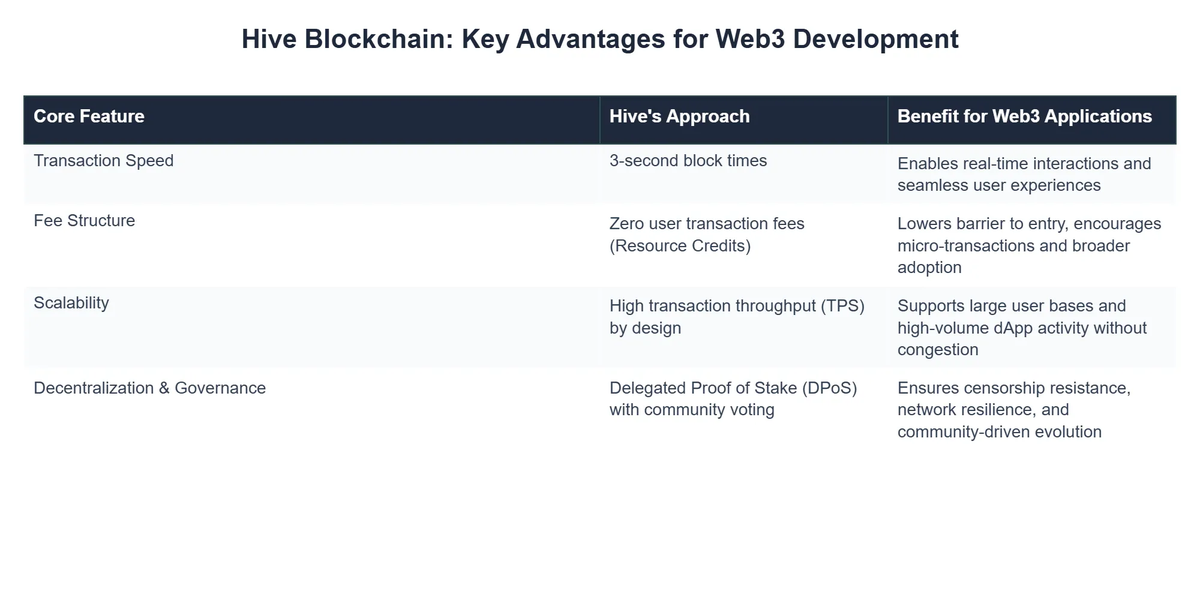
- ➡️ Lightning-Fast Transactions: With 3-second block times, the Hive Network offers near-instant finality, making it ideal for interactive applications.
- ➡️ Feeless Operations: Users transact without paying gas fees, relying instead on a unique Resource Credit system, which significantly enhances the user experience.
- ➡️ Scalability: Designed to handle a high volume of transactions and user activity without compromising performance.
- ➡️ Integrated Wallet & Accounts: Simplifies user onboarding and interaction with dApps.
⚙️ The Architecture Behind Web3 Innovation

The strength of Hive lies in its underlying technological architecture, which ensures efficiency, security, and decentralization.
🤝 Delegated Proof of Stake (DPoS) Consensus
Hive utilizes a DPoS consensus mechanism, a highly efficient form of Proof of Stake. In DPoS, token holders vote for a set of ‘witnesses’ (block producers) who are responsible for validating transactions and maintaining the blockchain. This system offers:
- 💡 High Throughput: Faster transaction processing compared to Proof of Work systems.
- 💡 Energy Efficiency: Significantly less energy-intensive than Bitcoin or Ethereum’s traditional PoW.
- 💡 Decentralized Governance: The community actively participates in the network’s direction by electing witnesses.
⛽ Resource Credit System
A cornerstone of Hive’s user experience is its innovative Resource Credit (RC) system. Instead of paying gas fees for every transaction, users are allocated RCs based on the amount of HIVE tokens they hold and stake. These RCs are consumed when performing operations (like posting, commenting, or transferring tokens) and regenerate over time. This design:
- ✅ Eliminates Transaction Fees: Makes the network accessible and affordable for everyday use.
- ✅ Prevents Spam: Requires a certain “cost” in RCs, deterring malicious spamming while keeping legitimate use free.
- ✅ Improves User Experience: Removes a significant barrier to entry often found in other blockchains.
🎮 Empowering Decentralized Applications (dApps)
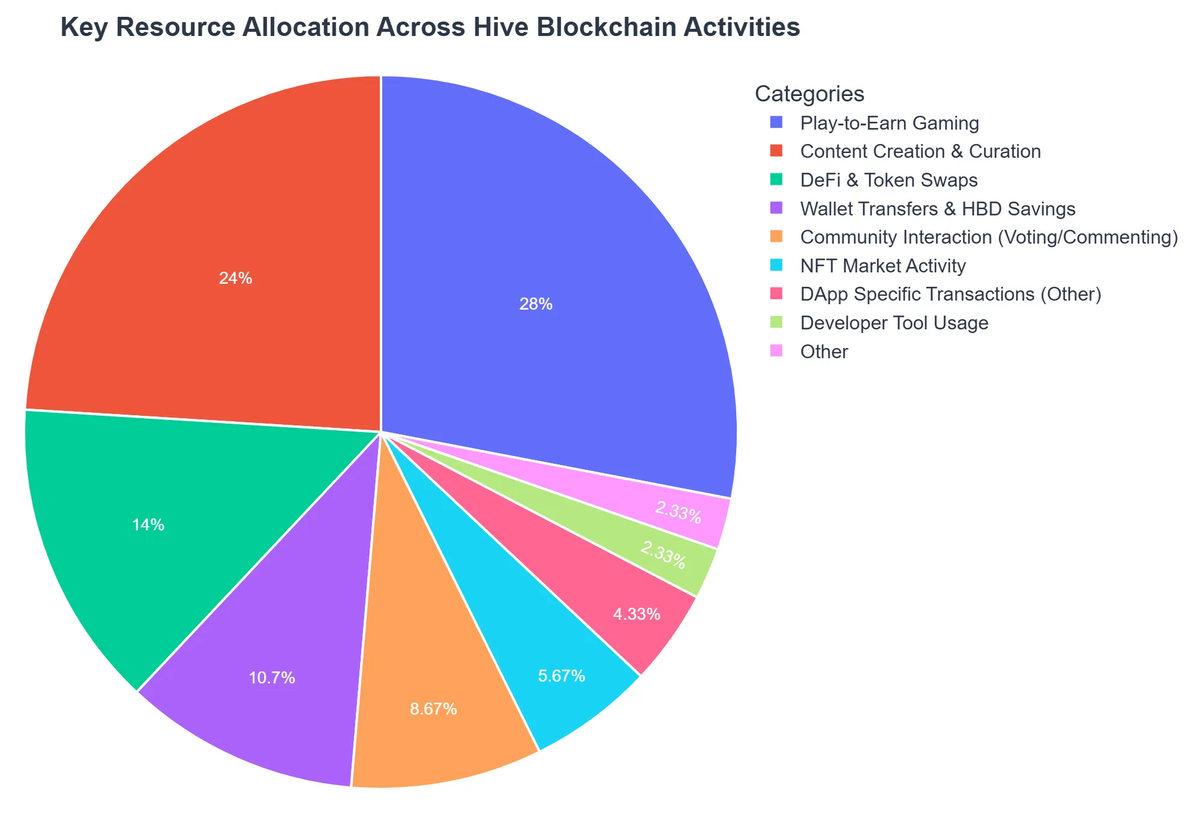
The Hive Network is a vibrant hub for a diverse range of decentralized applications. These dApps leverage Hive’s fast, feeless, and robust infrastructure to deliver truly Web3 experiences. For a broader understanding of how these applications function, you might find our article on Decentralized App (dApp): The Future of Digital Interaction particularly insightful.
👾 Gaming on Hive: A Glimpse into Splinterlands
One of the most prominent success stories on Hive is Splinterlands, a popular blockchain-based collectible card game. Splinterlands perfectly showcases Hive’s capabilities for gaming:
- ✅ True Digital Asset Ownership: Players own their in-game cards as NFTs, tradable on secondary markets.
- ✅ Fast Gameplay: Hive’s rapid block times ensure smooth and responsive gameplay, unlike many other blockchain games.
- ✅ Active Economy: A thriving player-driven economy for cards, land, and other in-game assets.
The integration of blockchain into gaming is a fascinating area; you can explore more about this trend in our piece on Blockchain Poker: Fair Play and Decentralized Gaming.
✍️ Social Media and Content Creation with PeakD
The Hive Network has emerged as a strong contender in the decentralized social media space. Platforms like PeakD serve as powerful front-ends for interacting with the Hive blockchain’s social layer.
- ✅ Censorship Resistance: Content published on Hive is immutable and resistant to arbitrary takedowns.
- ✅ User Rewards: Content creators and curators can earn HIVE tokens and Hive-based stablecoins through a unique proof-of-brain mechanism.
- ✅ Community Governance: Users have a direct say in platform development and moderation.
💡 Other Notable Hive Network dApps
Beyond gaming and social media, the Hive Network hosts a diverse ecosystem:
- ➡️ Decentralized Finance (DeFi): Projects leveraging Hive’s speed for decentralized exchanges and financial services.
- ➡️ NFT Marketplaces: Platforms for minting and trading digital collectibles.
- ➡️ Tokenized Communities: Niche communities built around specific interests, leveraging Hive’s tokenomics.
Why Hive Stands Out in the Web3 Landscape
Hive’s design principles and features address many of the challenges faced by early blockchain platforms, positioning it as a significant force in the Web3 movement.
💸 Feeless Transactions and User Experience
The absence of direct transaction fees is a massive draw, making the user experience seamless and removing a major barrier to mass adoption. This contrasts sharply with networks where fluctuating gas fees can make simple interactions prohibitively expensive.
🛡️ Community Governance and Censorship Resistance
Hive’s DPoS model ensures that the community, rather than a centralized entity, holds the power. This robust governance mechanism, combined with the immutable nature of blockchain, makes Hive inherently censorship-resistant. Content and applications on Hive are less susceptible to arbitrary removal or manipulation.
How ‘PixelPlay Games’ Turbocharged Player Engagement with Hive
❓The Challenge
PixelPlay Games faced significant challenges with player engagement and in-game economy due to slow transaction speeds and prohibitive fees on their previous Web3 platform.
💡The Solution
By migrating their in-game assets and marketplace to Hive Blockchain, PixelPlay Games capitalized on its lightning-fast, feeless transactions and robust decentralized architecture. This allowed for truly instant item trading and fostered genuine player ownership.
🏆The Result
This strategic shift resulted in a 90% reduction in transaction friction for players, leading to a 150% increase in daily active traders and a 40% boost in overall player retention.
🛠️ Developer Friendliness
The Hive Developer Portal provides extensive documentation and tools, making it relatively straightforward for developers to build and deploy dApps. Its established codebase and active community support further simplify the development process.
📈 Charting the Future: Hive’s Role in Web3 Adoption
As the digital world shifts towards decentralized paradigms, platforms like Hive are crucial. Its foundational strengths position it well for future growth and broader adoption.
🚀 Scalability and Mass Adoption
Hive’s architecture is built for scale, capable of handling millions of daily operations. This capacity is vital for mainstream adoption, as Web3 applications will increasingly need to cater to a global user base without performance degradation.
🔗 Interoperability and Cross-Chain Potential
While Hive boasts a strong internal ecosystem, its future success also hinges on its ability to interact with other blockchains. Efforts in developing bridges and fostering interoperability will allow Hive-based assets and applications to flow seamlessly across the broader blockchain ecosystem, contributing to the vision of a truly interconnected decentralized internet.
For a comprehensive understanding of the broader technological shifts shaping our digital future, we highly recommend exploring our pillar content: Future Perfect?: Charting the Course of Tomorrow’s Technology.
Recommended Video
Conclusion: Hive as a Pillar of Decentralization
Hive Blockchain stands as a testament to the power of a community-driven, decentralized approach to building the internet. With its unique feeless transaction model, lightning-fast block times, and robust DPoS consensus, it provides an ideal foundation for Web3 innovation. From the immersive gaming experiences of Splinterlands to the censorship-resistant social media facilitated by PeakD, the Hive Network is actively shaping how we interact, create, and own our digital lives.
As the Web3 frontier expands, Hive’s commitment to user empowerment, scalability, and decentralization solidifies its position as a vital platform, ready to welcome the next wave of builders, creators, and users into the future of the internet.
Frequently Asked Questions
What is Hive Blockchain?
Hive is a fast, scalable, and decentralized blockchain platform designed for Web3 applications and services, known for its robust infrastructure and community focus.
What makes Hive decentralized?
Hive utilizes a Delegated Proof of Stake (DPoS) consensus mechanism and a globally distributed network of independent witnesses, ensuring no single entity controls the chain and promoting censorship resistance.
What types of applications run on Hive?
A diverse range of applications thrives on Hive, including social media platforms (e.g., PeakD, Ecency), gaming (e.g., Splinterlands), content creation tools, and various DeFi projects.
Does Hive have transaction fees?
A key advantage of Hive is its unique resource credit system, which allows users to perform transactions with virtually zero transaction fees, enhancing usability for dApps and everyday interactions.