
What is a Decentralized App (dApp)? The Core Principles
In the rapidly evolving digital landscape, a new paradigm of applications is emerging: the decentralized app, commonly known as a dApp. Unlike traditional software applications that run on centralized servers owned and controlled by a single entity (like Google, Facebook, or Apple), dApps operate on a decentralized peer-to-peer network, typically a blockchain.
💡 Key Takeaways
- dApps are applications running on a decentralized network, typically a blockchain, offering enhanced transparency and user control.
- Unlike traditional apps, dApps operate without central authority, making them censorship-resistant and often more secure.
- They represent a core component of the Web3 vision, shifting power from corporations to individual users.
- Key benefits include censorship resistance, enhanced privacy, and the potential for new economic models.
“dApps are not just about new tech; they’re about reimagining the very architecture of trust and power in our digital lives. They pave the way for a more equitable and resilient future, though not without new ethical considerations.”
— Kira Chen, Futurist & AI Ethics Analyst
In This Article
- → What is a Decentralized App (dApp)? The Core Principles
- — 💡 Key Takeaways
- — 💡 Understanding Decentralization
- — 🛡️ Key Characteristics of dApps
- → How dApps Work: Beyond the Server-Client Model
- — ⚙️ The Role of Smart Contracts
- — 🔗 Interacting with the Blockchain
- → Use Cases: Where dApps Are Already Shaping Our World
- — 💰 Decentralized Finance (DeFi)
- — 🎮 Gaming & NFTs
- — 🌐 Decentralized Social Media & Identity
- — 📦 Supply Chain & Logistics
- → The Future Landscape: Challenges and Opportunities for dApps
- — 🚧 Current Hurdles
- — 🚀 The Promise of Web3
💡 Understanding Decentralization
At its heart, decentralization means there’s no single point of control or failure. Instead of relying on a central authority, dApps distribute their operations across a network of computers. This fundamental shift from centralized to decentralized infrastructure offers distinct advantages:

- ✅ No Single Point of Failure: If one node goes down, the network continues to function.
- ✅ Censorship Resistance: No single entity can shut down the dApp or block specific users.
- ✅ Transparency: Transactions and operations are often recorded on a public ledger (the blockchain), making them verifiable by anyone.
- ✅ Immutability: Once data is recorded on the blockchain, it’s extremely difficult, if not impossible, to alter or remove.
This architecture is powered by smart contracts – self-executing contracts with the terms of the agreement directly written into lines of code. These contracts automatically execute when predetermined conditions are met, eliminating the need for intermediaries.
🛡️ Key Characteristics of dApps
While often associated with cryptocurrencies, dApps are much broader. Their defining characteristics extend beyond mere digital currency to fundamental operational principles:
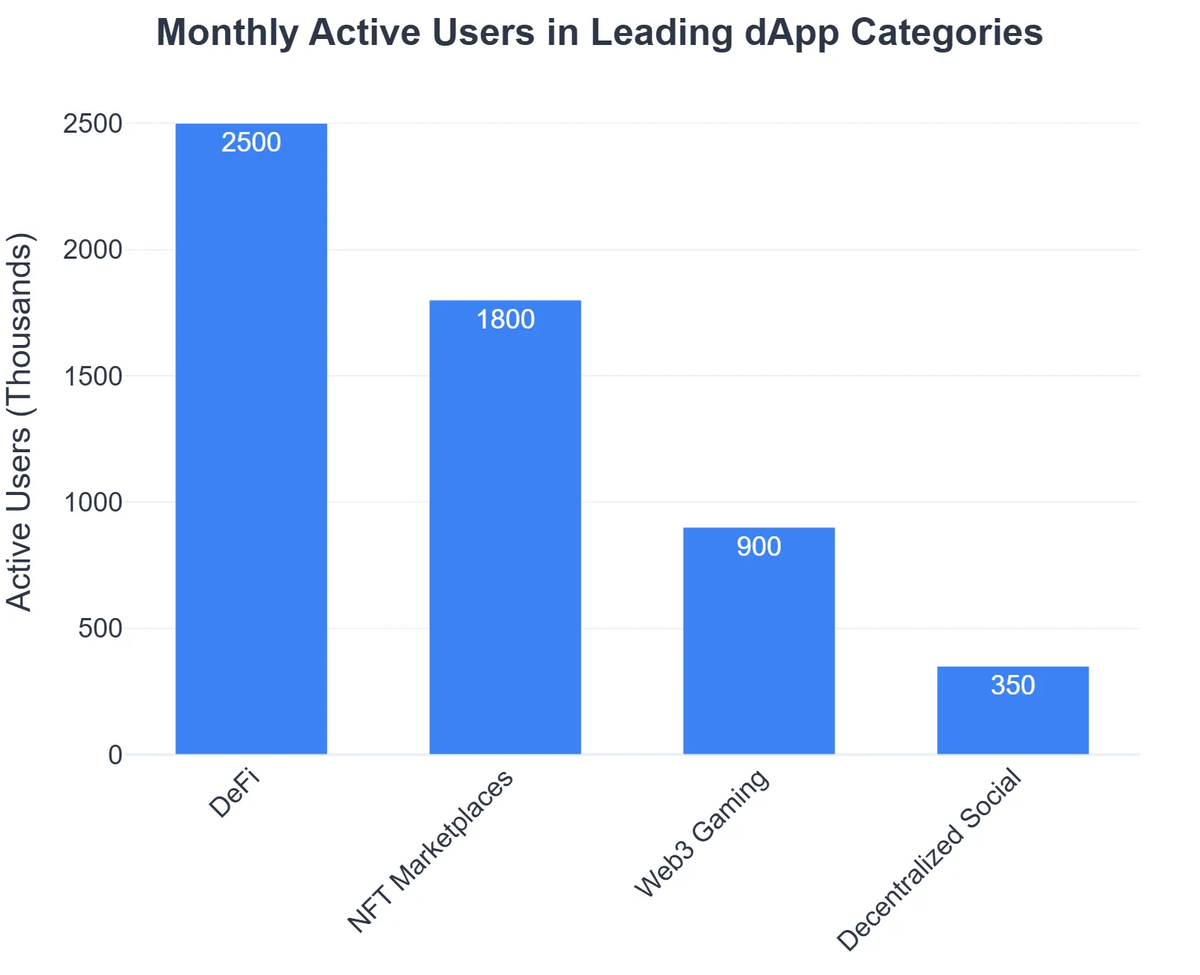
- ➡️ Open Source: The code is typically public, allowing anyone to verify its functionality and security.
- ➡️ Cryptographically Secured: Data and transactions are protected using advanced encryption techniques, ensuring integrity and authenticity.
- ➡️ No Central Control: Governed by consensus mechanisms or community voting, rather than a single company or individual.
- ➡️ Incentivized Operation: Often, participants (miners, validators) are rewarded with tokens for maintaining the network, ensuring its continued operation.
How dApps Work: Beyond the Server-Client Model
The operational mechanics of a dApp diverge significantly from the client-server model we’re accustomed to. Instead of users sending requests to a central server, dApps leverage the distributed ledger technology of blockchains.
⚙️ The Role of Smart Contracts
Smart contracts are the engine of most dApps. They are programs stored on a blockchain that run when predetermined conditions are met. These contracts automate the execution of agreements, removing the need for third parties and introducing trustless interactions.
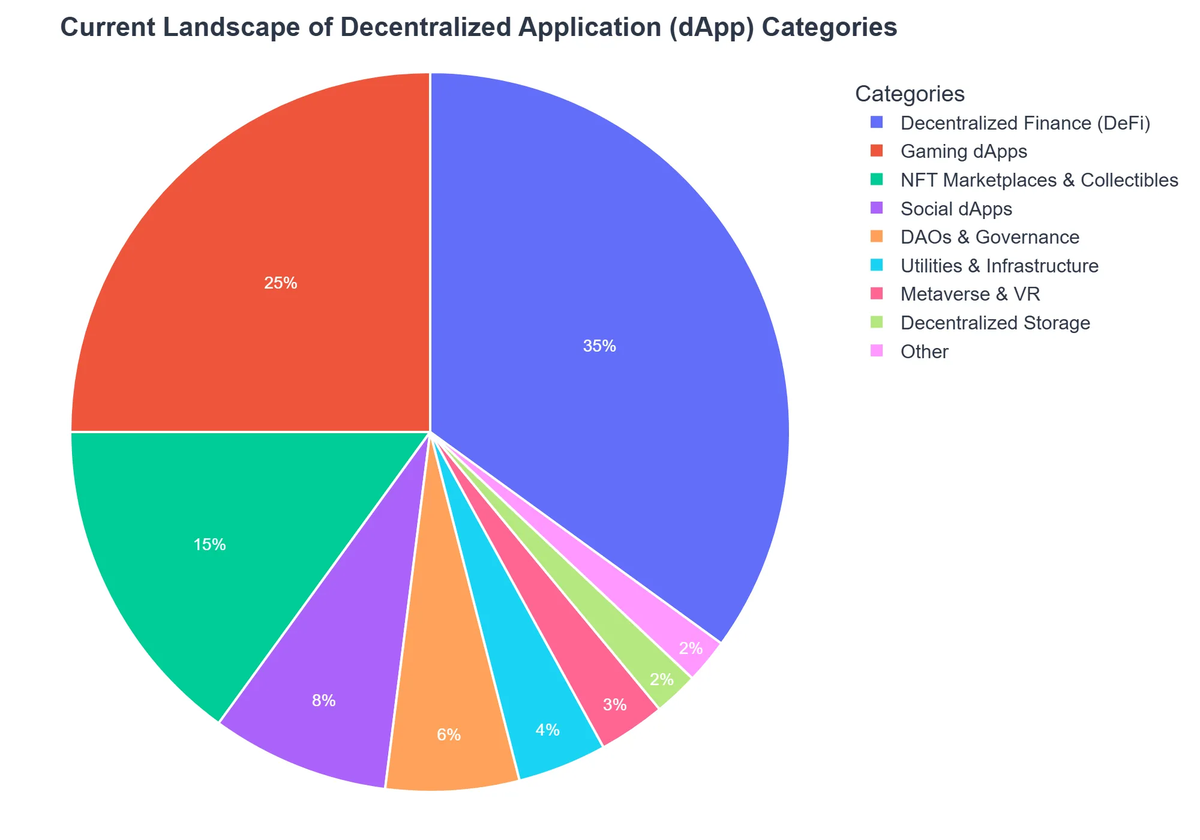
- 💡 Automated Execution: Once deployed, smart contracts execute automatically without human intervention, assuming their conditions are met.
- 💡 Verifiability: Because they reside on the blockchain, their code and execution history are transparent and auditable.
- 💡 Common Platforms: Ethereum pioneered smart contracts, but many other blockchains like Binance Smart Chain, Solana, Polygon, and Avalanche also support them. Understanding foundational concepts like Public Crypto Explained: A Beginner’s Guide to Decentralized Assets is key to grasping how these platforms underpin dApps.
🔗 Interacting with the Blockchain
Users interact with dApps through various interfaces, often web-based, that connect to a blockchain node. This connection typically requires a cryptocurrency wallet (like MetaMask or WalletConnect) which acts as a digital identity and a means to sign transactions.
- ➡️ User Interface (Frontend): This is what you see and click on – it’s often a standard web interface, but instead of talking to a central server, it’s communicating with the blockchain via a web3 library.
- ➡️ Blockchain (Backend): The smart contracts and data are stored and executed on the blockchain network. When you perform an action (e.g., make a trade, cast a vote), your wallet signs a transaction that is then sent to the network for processing.
- ➡️ Consensus Mechanisms: The network’s nodes validate and add these transactions to the blockchain through various consensus mechanisms (like Proof of Work or Proof of Stake), ensuring security and agreement across the distributed ledger.
Use Cases: Where dApps Are Already Shaping Our World
dApps are not just theoretical concepts; they are actively driving innovation across numerous sectors, pushing the boundaries of what digital interaction can be. For more examples, you can explore resources like 10 Examples of Decentralized Applications (dApps) to Know in 2023.
Decentralized Apps (dApps): Pros and Cons
Pros
- ✔Enhanced Security and Immutability via Blockchain
- ✔Censorship Resistance and Decentralized Control
- ✔User Data Ownership and Greater Privacy
Cons
- ✖Scalability Limitations and Performance Issues
- ✖Complex User Experience and Adoption Barriers
- ✖High Transaction Costs (Gas Fees)
- ✖Regulatory Uncertainty and Evolving Standards
💰 Decentralized Finance (DeFi)
DeFi is arguably the most mature dApp sector, aiming to recreate traditional financial services in a decentralized, permissionless, and transparent manner. This includes:
- ✅ Decentralized Exchanges (DEXs): Platforms like Uniswap and SushiSwap allow users to trade cryptocurrencies directly peer-to-peer, without an intermediary.
- ✅ Lending and Borrowing Protocols: Services like Aave and Compound enable users to lend out their crypto assets to earn interest or borrow against their holdings.
- ✅ Stablecoins: Crypto assets pegged to the value of fiat currencies (like USD) that facilitate stable transactions within the DeFi ecosystem.
🎮 Gaming & NFTs
dApps are revolutionizing the gaming industry by introducing true digital ownership and play-to-earn models.
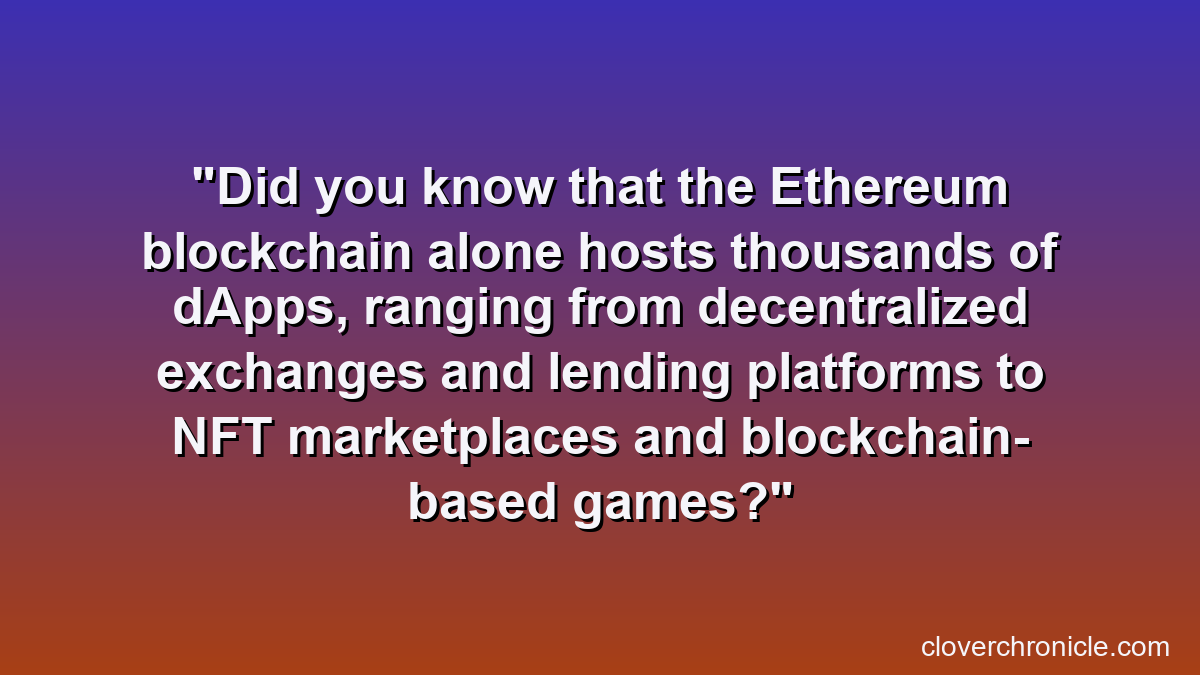
- ➡️ Play-to-Earn (P2E) Games: Games like Axie Infinity allow players to earn cryptocurrency and NFTs through gameplay, which can then be traded or sold.
- ➡️ Non-Fungible Tokens (NFTs): Unique digital assets that represent ownership of anything from art to in-game items, secured by blockchain technology. NFTs enable verifiable scarcity and provenance. Many Top Cryptocurrency Projects are deeply involved in this space.
🌐 Decentralized Social Media & Identity
Concerns over data privacy and censorship in traditional social media have paved the way for decentralized alternatives, offering users more control over their data and content.
- ✅ User Data Ownership: Platforms like Minds or the ecosystem built on Hive Blockchain: Decentralized Platform for Web3 aim to return data ownership to the users.
- ✅ Censorship-Resistant Content: Content posted on decentralized social media is harder to remove by a central authority. Learn more about the potential of Decentralized Social Media.
- ✅ Self-Sovereign Identity (SSI): Giving individuals complete control over their digital identities, enabling selective disclosure of personal information.
📦 Supply Chain & Logistics
Blockchain’s transparency and immutability make it ideal for tracking goods and ensuring integrity throughout supply chains.
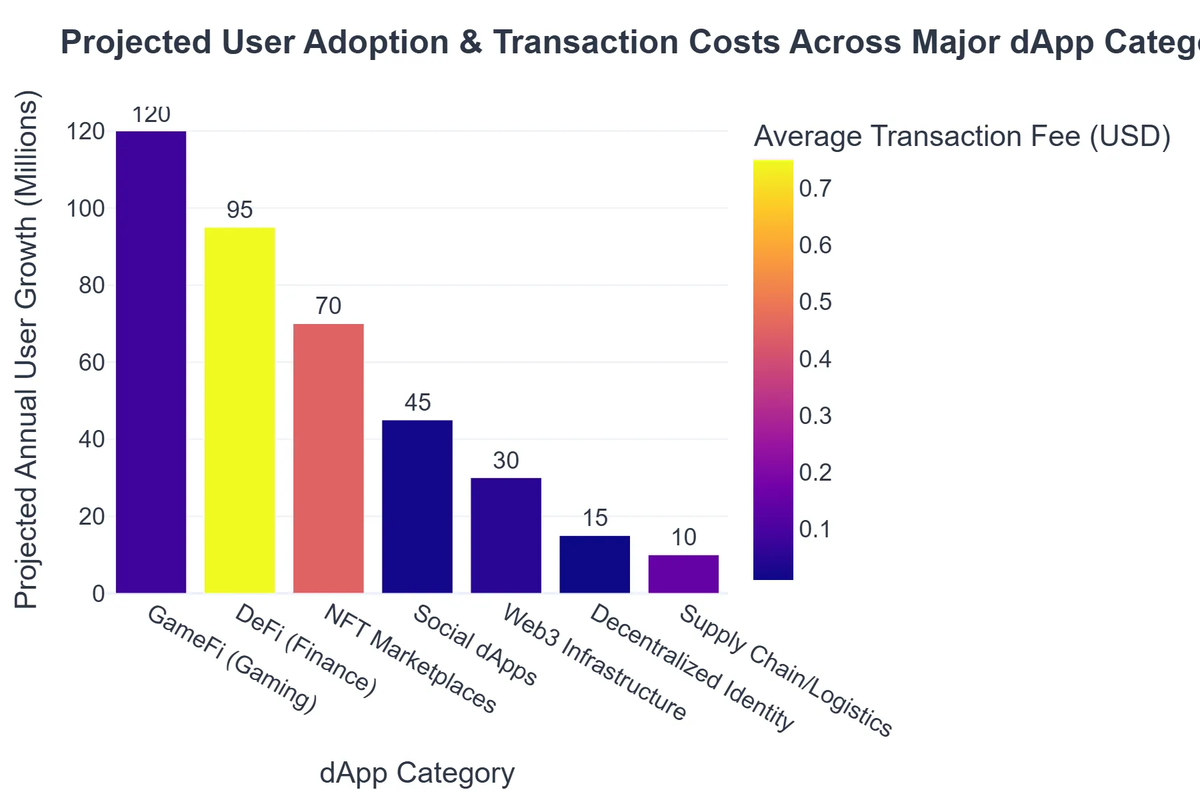
- 💡 Enhanced Transparency: Track products from origin to consumer, reducing fraud and verifying authenticity.
- 💡 Improved Efficiency: Automate payments and record-keeping with smart contracts.
The Future Landscape: Challenges and Opportunities for dApps
The journey of dApps is still in its early stages, marked by both significant hurdles and immense promise for the future of digital interaction, especially within the broader context of Future Perfect?: Charting the Course of Tomorrow’s Technology.
🚧 Current Hurdles
Despite their innovative nature, dApps face several challenges that hinder mainstream adoption:
- ➡️ Scalability: Many blockchains, especially older ones, struggle with transaction throughput, leading to slow speeds and high fees during peak usage. This is an ongoing area of research and development, with new solutions like sharding and layer-2 protocols emerging.
- ➡️ User Experience (UX): Interacting with dApps can be complex for new users, often requiring technical knowledge of wallets, gas fees, and blockchain networks. UX design is crucial for broader adoption.
- ➡️ Regulatory Uncertainty: The lack of clear regulations across different jurisdictions creates legal ambiguities and compliance challenges for dApp developers and users.
- ➡️ Security Risks: While blockchains are secure, smart contracts can have vulnerabilities if not coded perfectly, leading to exploits and loss of funds. Auditing is paramount.
🚀 The Promise of Web3
dApps are a cornerstone of the emerging Web3 vision – a decentralized internet where users control their data, identity, and digital assets. This shift promises a more equitable and open digital world, moving away from the centralized control of Web2 giants.
- ✅ Data Sovereignty: Users regain ownership and control over their personal data, rather than it being owned by corporations.
- ✅ Open & Permissionless Innovation: Anyone can build on public blockchains without needing permission, fostering a truly open innovation ecosystem.
- ✅ New Economic Models: From play-to-earn gaming to decentralized autonomous organizations (DAOs), dApps are enabling novel ways for communities to organize, create value, and share ownership. Projects like Theta Token: Revolutionizing Decentralized Video Streaming and TON Blockchain: Telegram’s Decentralized Network are prime examples of this evolving landscape, offering glimpses into decentralized futures for media and communication. Interoperability solutions like Axelar Coin (AXL): Bridging Blockchains for Web3 are also vital to connect these disparate dApp ecosystems.
Recommended Video
As technology progresses and these challenges are addressed, dApps are poised to redefine digital interaction, creating a more secure, transparent, and user-centric online experience.
What is a dApp?
A decentralized application (dApp) is a software application that runs on a decentralized network, such as a blockchain, rather than a single central server, enabling greater transparency and autonomy.
How do dApps differ from traditional apps?
Traditional apps are controlled by a central entity, while dApps operate autonomously on a blockchain, offering greater transparency, censorship resistance, and direct user control without intermediaries.
What are common use cases for dApps?
dApps are used in diverse sectors including decentralized finance (DeFi), blockchain gaming, social media, digital collectibles (NFTs), supply chain management, and secure digital identity.
Are dApps secure?
dApps inherit the robust cryptographic security of their underlying blockchain. While the blockchain itself is highly secure, the dApp’s smart contracts can still have vulnerabilities if not properly audited.