
GMO Plants: Explained with Examples, Benefits, and Controversies
In an era defined by rapid scientific advancement and an ever-growing global population, the role of agriculture in ensuring food security has never been more critical. At the forefront of this evolution are GMO plants – genetically modified organisms that have been engineered to possess specific desirable traits. These innovations have sparked intense debate, with proponents highlighting their potential to revolutionize food production and opponents raising concerns about their safety, environmental impact, and ethical implications. This article aims to provide a comprehensive, unbiased exploration of GMO plants, delving into their scientific basis, real-world examples, profound benefits, and the persistent controversies that surround them.
💡 Key Takeaways
- GMO plants are created through genetic engineering to introduce or enhance specific traits, such as pest resistance or nutritional value.
- Common examples include Bt corn (insect resistance), herbicide-tolerant soybeans, and Golden Rice (enhanced Vitamin A content).
- Benefits include increased crop yields, reduced pesticide use, improved nutritional profiles, and enhanced resilience to environmental stresses.
- Controversies involve concerns about potential environmental impacts, human health risks, corporate control over seeds, and ethical considerations.
“GMO technology represents a powerful evolutionary tool, allowing us to precisely guide plant traits. While it offers immense potential for food security and sustainability, responsible deployment demands rigorous scientific oversight and ongoing public dialogue to navigate its complex implications.”
— Julian Aris, Evolutionary Biologist & Geneticist
In This Article
- → GMO Plants: Explained with Examples, Benefits, and Controversies
- — 💡 Key Takeaways
- → What Are GMO Plants? Understanding the Science
- → Notable Examples of GMO Plants in Agriculture
- → The Benefits of Genetically Modified Plants
- → Controversies and Concerns Surrounding GMO Plants
- → Regulatory Oversight and Safety Assessments
- → The Future of GMO Technology and Genetic Engineering
- → Conclusion: Navigating the Complexities of GMO Plants
What Are GMO Plants? Understanding the Science
Genetically Modified Organisms (GMOs), in the context of plants, refer to organisms whose genetic material (DNA) has been altered using genetic engineering techniques. Unlike traditional breeding, which involves crossing plants and selecting offspring with desired traits, genetic engineering allows for the direct transfer of specific genes from one organism to another, or the precise modification of existing genes within an organism.
The core concept behind creating a GMO plant involves identifying a specific gene that confers a beneficial trait (e.g., pest resistance, herbicide tolerance, enhanced nutritional value) from any organism—be it a bacterium, another plant, or even an animal—and then inserting that gene into the DNA of a target plant. This process is highly precise, targeting only the gene responsible for the desired characteristic, rather than the broad gene shuffling that occurs in conventional breeding.
Understanding the fundamental principles of genetic engineering is key to grasping the potential and limitations of GMO technology. For a deeper dive into the science behind these alterations, you can explore comprehensive guides on Genetic Engineering: What It Is and How It’s Revolutionizing Science. At its heart, genetic modification plays with The Code of Life: Decoding Genetics, Evolution, and Existence, aiming to optimize biological systems for human benefit.
Notable Examples of GMO Plants in Agriculture
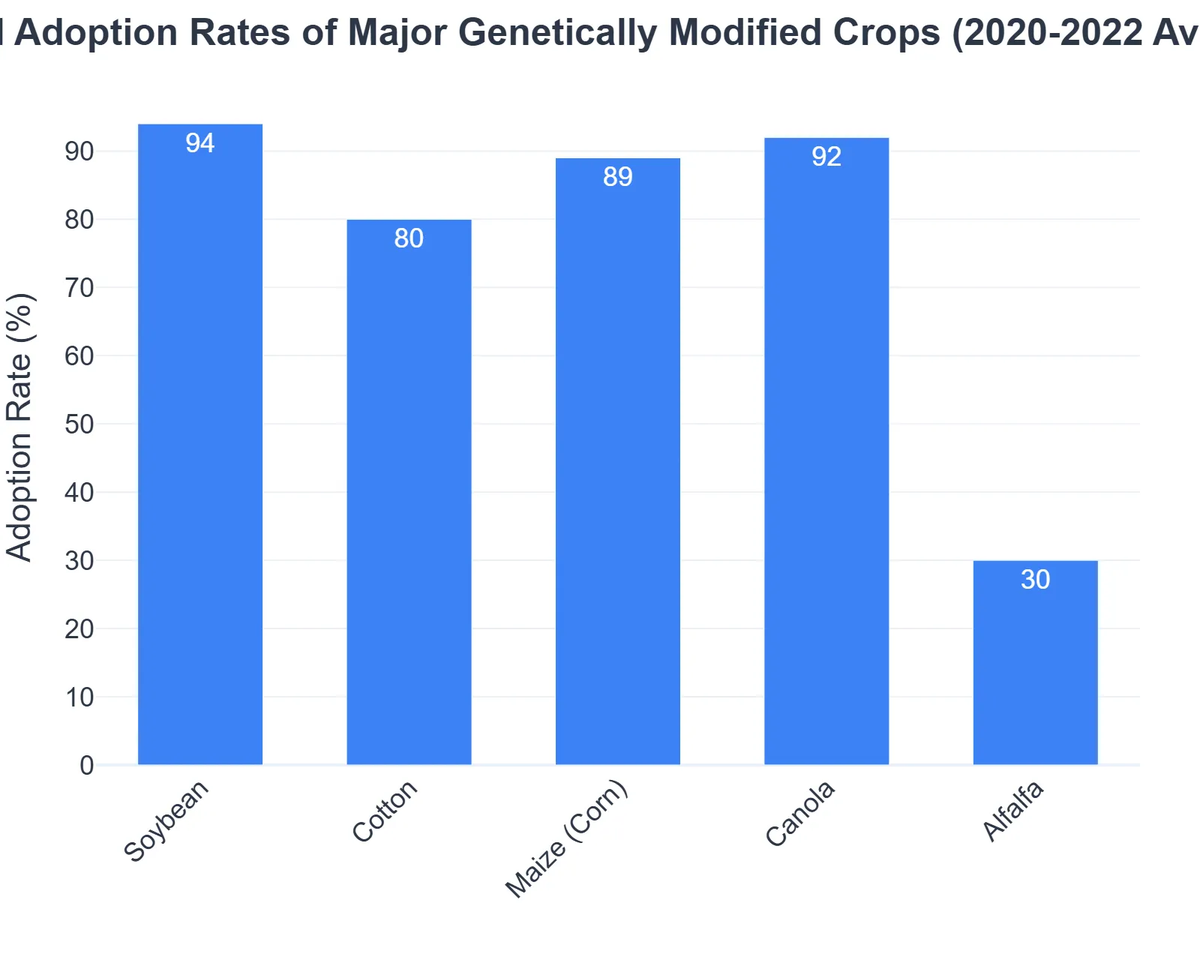
The application of genetic engineering has led to the development of numerous genetically modified food examples, which have become staples in global agriculture. These bioengineered food examples illustrate the diverse capabilities of this technology. Here are some of the most prominent examples of GMO plants and examples of GMO organisms currently in cultivation or development:
- Bt Corn and Cotton: One of the earliest and most widespread applications, these crops are engineered to produce a protein from the bacterium Bacillus thuringiensis (Bt). This protein is toxic to specific insect pests (like the European corn borer and bollworm) when ingested, effectively acting as an internal pesticide. This significantly reduces the need for synthetic insecticide sprays.
- Herbicide-Tolerant Soybeans, Corn, Canola, and Cotton: These crops are modified to tolerate specific herbicides, most notably glyphosate (commonly sold as Roundup). This allows farmers to spray herbicides directly onto their fields to control weeds without harming the crop, simplifying weed management and promoting no-till farming practices, which can reduce soil erosion.
- Golden Rice: Developed to combat Vitamin A deficiency, a major public health issue in many developing countries, Golden Rice is engineered to produce beta-carotene, a precursor to Vitamin A, in its grains. This is an example of biofortification, where a crop’s nutritional content is enhanced.
- Virus-Resistant Papaya (Rainbow Papaya): In the 1990s, the papaya industry in Hawaii was nearly wiped out by the Papaya Ringspot Virus (PRSV). Scientists developed a GMO papaya variety resistant to PRSV, saving the industry. This crop contains a gene from the virus itself, which confers resistance, similar to how vaccines work.
- Arctic Apples: These apples are genetically engineered to resist browning when cut or bruised. This is achieved by “silencing” the genes responsible for producing polyphenol oxidase (PPO), the enzyme that causes browning. This innovation aims to reduce food waste.
- Innately Potato: Developed by Simplot, these potatoes are engineered to bruise less and produce less acrylamide (a potential carcinogen) when cooked at high temperatures. They achieve this by altering existing potato genes, rather than introducing foreign DNA.
The Benefits of Genetically Modified Plants
The adoption of GMO plants has brought about significant advantages, particularly in agricultural efficiency and sustainability. These benefits address critical challenges in food production and public health:
- Increased Crop Yields and Food Security: By making plants resistant to pests, diseases, and harsh environmental conditions, GMO technology helps prevent crop losses. This leads to higher yields per acre, contributing to a more stable food supply for a growing global population and potentially reducing pressure on natural habitats.
- Reduced Pesticide Use: Crops like Bt corn and cotton inherently produce their own pest deterrents, significantly decreasing the need for external pesticide applications. This can reduce farmer exposure to chemicals, lower input costs, and lessen the environmental impact of agricultural runoff.
- Enhanced Nutritional Content (Biofortification): GMOs can be engineered to deliver improved nutritional profiles. Golden Rice, with its enhanced Vitamin A content, is a prime example of how this technology can address widespread nutritional deficiencies in vulnerable populations.
- Tolerance to Environmental Stresses: Research is ongoing to develop GMO plants that can withstand adverse conditions like drought, salinity, and extreme temperatures. Such crops would allow cultivation in marginal lands, expanding agricultural areas and making food production more resilient to climate change.
- Economic Benefits for Farmers: Reduced crop losses, lower pesticide costs, and simplified weed management can translate into increased profitability for farmers, particularly in developing nations.
These advantages highlight how genetic modification can offer practical solutions to complex agricultural problems, as discussed in various academic assessments on the benefits and risks of genetically modified plants.
Controversies and Concerns Surrounding GMO Plants
Despite the potential benefits, GMO plants remain a subject of intense debate and public scrutiny. Critics and concerned citizens raise several valid points, leading to a complex discussion about their broader implications:
Genetically Modified (GMO) Plants: Pros and Cons
Pros
- ✔Increased crop yields and resistance to pests/diseases.
- ✔Enhanced nutritional content (e.g., Golden Rice for Vitamin A).
- ✔Reduced need for certain pesticides and improved resource efficiency.
- ✔Better resilience to environmental stresses like drought or salinity.
Cons
- ✖Potential for unintended environmental impacts (e.g., gene flow to wild plants).
- ✖Concerns regarding long-term human health effects (e.g., allergenicity, new toxins).
- ✖Socio-economic issues, including farmer dependence on biotech companies.
- ✖Ethical debates and public acceptance challenges over their ‘naturalness’.
- Environmental Concerns:
- Herbicide Resistance and Superweeds: The widespread use of herbicide-tolerant crops has led to the evolution of herbicide-resistant weeds (often termed “superweeds”), necessitating the use of different, sometimes harsher, herbicides.
- Impact on Non-Target Organisms: While Bt crops target specific pests, concerns have been raised about their potential impact on beneficial insects, such as monarch butterflies. Scientific consensus generally indicates that while some exposure is possible, significant harm to wild populations is unlikely under typical field conditions.
- Gene Flow and Biodiversity: There are concerns that genes from GMO crops could transfer to conventional crops or wild relatives through pollen, potentially impacting Biodiversity and creating herbicide-resistant “superweeds” or other unintended ecological consequences.
- Health Concerns:
- Allergenicity: A primary concern is that new proteins introduced into GMOs could trigger allergic reactions in sensitive individuals. Regulatory bodies require rigorous testing to ensure this risk is minimized.
- Long-term Health Effects: Critics often demand more long-term studies on human health effects. However, decades of consumption and extensive scientific reviews by major health organizations worldwide (like the WHO, FAO, and numerous national academies of science) have concluded that currently available GMO foods are as safe as their conventional counterparts.
- Socio-economic Issues:
- Corporate Control and Patenting: A significant portion of GMO seeds are patented by a few large agricultural biotechnology corporations. Critics worry about these companies’ market dominance, their influence over food systems, and the financial burden on small farmers who must purchase patented seeds each year.
- Impact on Small-Scale Farmers: The cost of patented seeds and associated chemicals can be prohibitive for small, resource-poor farmers, potentially exacerbating inequalities.
- Ethical Considerations:
- Concerns about “tampering with nature” or playing “God” are frequently raised, reflecting philosophical and ethical opposition to altering the genetic makeup of living organisms.
These varied viewpoints are often discussed in the context of GMOs: Costs, Benefits, and Controversies, highlighting the need for a balanced approach to the technology.
Regulatory Oversight and Safety Assessments
To address concerns and ensure public safety, GMO plants undergo rigorous regulatory scrutiny in most countries before they can be cultivated or sold. The specific regulatory frameworks vary globally, but generally involve multiple government agencies:
- United States: Regulated by a coordinated framework involving the U.S. Department of Agriculture (USDA) for environmental impact and field trials, the Environmental Protection Agency (EPA) for pesticidal substances (like Bt toxins), and the Food and Drug Administration (FDA) for food and feed safety.
- European Union: Has one of the strictest regulatory systems. GMOs must undergo extensive risk assessment by the European Food Safety Authority (EFSA) and receive authorization from the European Commission and member states. Labeling is also mandatory.
- Other Nations: Countries like Canada, Australia, Brazil, and China also have well-established regulatory bodies that evaluate GMOs based on their potential environmental and health impacts.
The assessment process typically involves detailed molecular characterization of the modified plant, compositional analysis to compare it to its conventional counterpart, and evaluations of potential allergenicity, toxicity, and environmental effects. This multi-agency, science-based approach is designed to ensure that any GMO plant reaching the market is as safe as conventionally bred varieties.
The Future of GMO Technology and Genetic Engineering
The field of genetic engineering is not static; it continues to evolve at a rapid pace. The advent of new gene-editing technologies, such as CRISPR-Cas9, has opened up unprecedented possibilities for precise and efficient genetic modifications. Unlike older methods that often involved inserting foreign DNA, CRISPR can be used to make very specific changes to a plant’s existing DNA, such as turning genes off, swapping small segments, or even introducing new ones with greater precision.
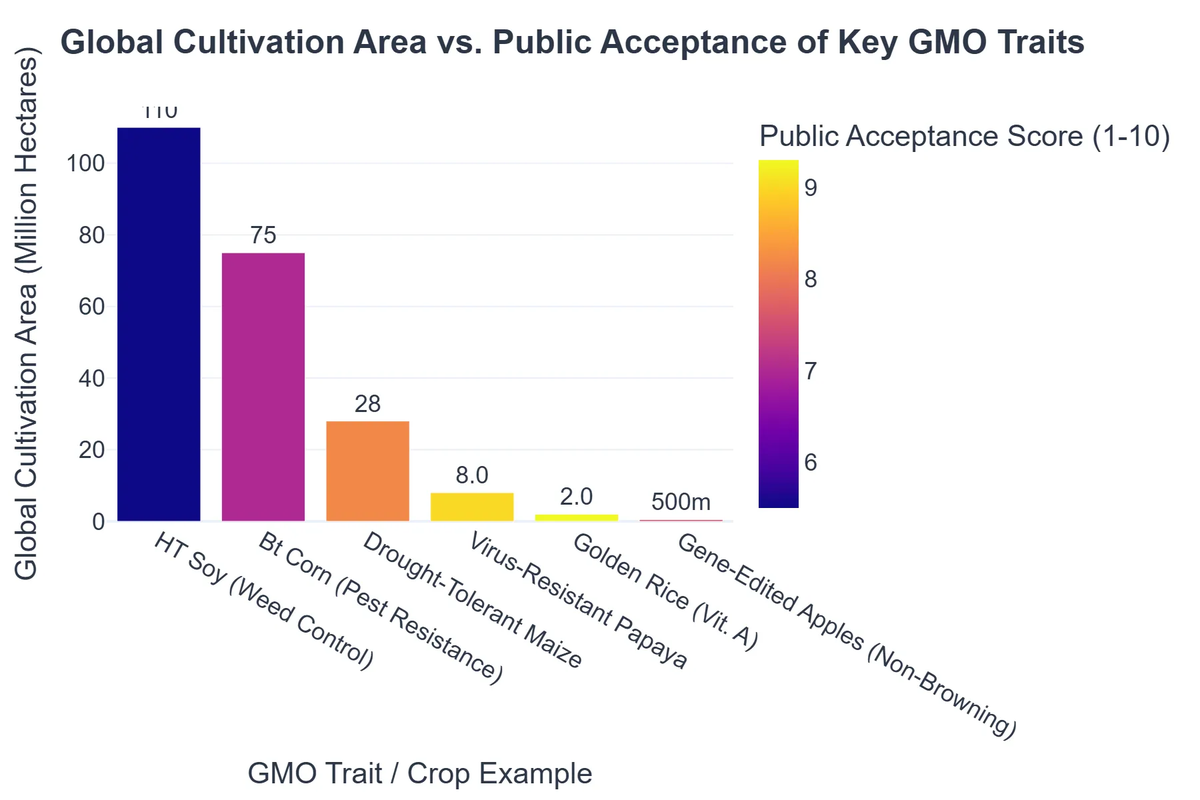
This next generation of GMO technology holds promise for addressing some of the lingering concerns associated with earlier methods, potentially leading to crops that are:
- More resilient to the effects of climate change (e.g., increased drought tolerance, heat resistance).
- Even more nutritious, with enhanced vitamin profiles or healthy fatty acids.
- Naturally resistant to a wider array of diseases and pests without the need for foreign DNA.
- Designed for more sustainable agricultural practices, such as requiring less water or fertilizer.
As the scientific community gains a deeper understanding of plant genomics, the ability to tailor crops to specific regional needs, improve agricultural sustainability, and enhance food security on a global scale will only expand. For a more exhaustive understanding, refer to a Genetically Modified Organisms (GMOs): A Comprehensive Guide.
Recommended Video
Conclusion: Navigating the Complexities of GMO Plants
GMO plants represent a powerful testament to humanity’s ability to harness scientific knowledge for practical applications. They offer tangible benefits in terms of increased agricultural productivity, reduced environmental footprint through decreased pesticide use, and enhanced nutritional value, all critical in the face of a growing global population and changing climate patterns.
However, it is equally important to acknowledge and address the legitimate concerns surrounding their environmental impact, socio-economic implications, and public perception. A balanced perspective requires recognizing both the immense potential and the need for continued vigilance, rigorous scientific assessment, and transparent regulatory oversight.
Ultimately, the discussion around GMO plants should be grounded in scientific evidence, fostering informed dialogue rather than polarizing rhetoric. As we look to the future of food and agriculture, GMO technology will undoubtedly continue to play a significant role, evolving alongside our understanding of genetics and our commitment to sustainable food systems.
Frequently Asked Questions
What are GMO plants?
GMO (Genetically Modified Organism) plants are crops whose DNA has been altered using genetic engineering techniques, typically to introduce new traits or enhance existing ones, such as resistance to pests, diseases, or herbicides.
Are GMO plants safe to eat?
Scientific consensus among major organizations globally generally concludes that GMOs currently available are as safe to eat as their conventional counterparts, though ongoing research and regulatory oversight continue.
What are some common examples of GMO crops?
Common examples include corn and soybeans modified for herbicide tolerance, Bt cotton engineered for insect resistance, and Golden Rice, which is biofortified with Vitamin A.
What are the main controversies surrounding GMOs?
Main controversies include concerns about potential environmental impacts (e.g., gene flow to wild relatives, superweeds), long-term human health effects, the socio-economic implications for farmers, and ethical considerations regarding altering natural organisms.