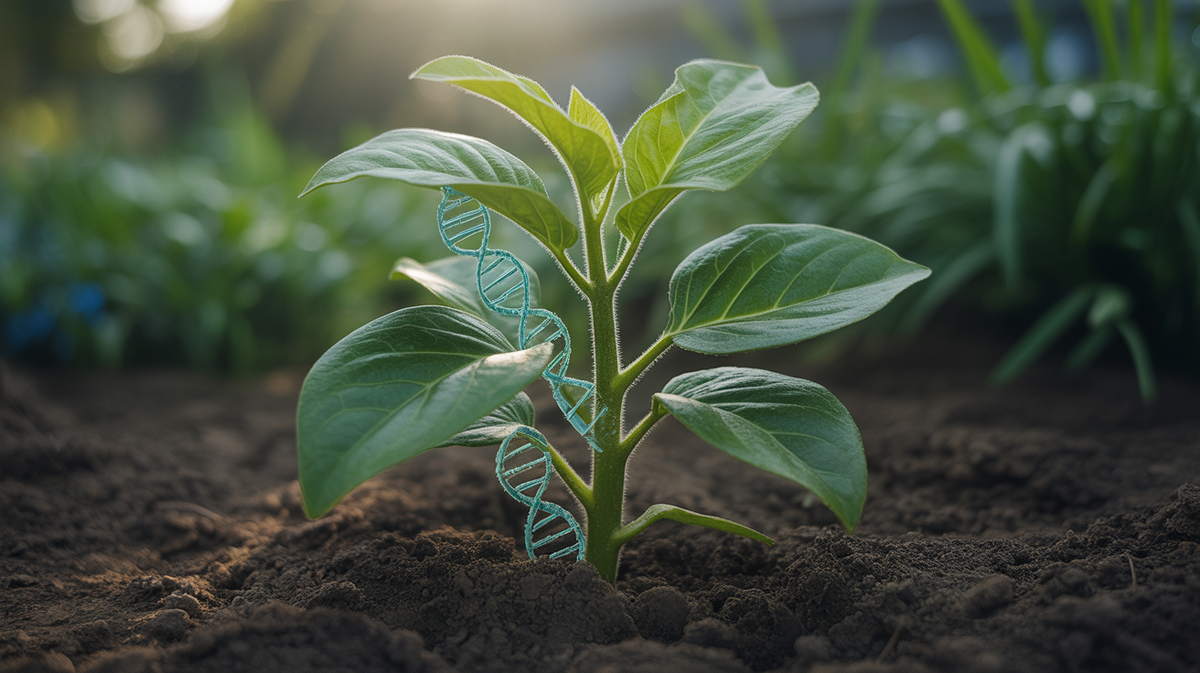
What is Agri Biotechnology? Foundation for Sustainable Agriculture
In a world grappling with mounting challenges like climate change, food insecurity, and resource depletion, the agricultural sector faces immense pressure to produce more with less. Enter agri biotechnology – a revolutionary field that applies scientific principles and tools, including genetics, molecular biology, and biochemistry, to enhance agricultural productivity, sustainability, and quality. This cutting-edge discipline is not just about modifying crops; it encompasses a broad spectrum of innovations designed to make farming more efficient, resilient, and environmentally friendly.
💡 Key Takeaways
- Agri biotechnology offers crucial tools for increasing food production while minimizing environmental impact.
- Genetic modification and gene editing enable crops to withstand harsh conditions, pests, and diseases, reducing reliance on chemical inputs.
- Biotech innovations contribute to water and land conservation through enhanced resource efficiency in agriculture.
- Addressing food security challenges globally requires continued investment and responsible implementation of agri biotechnology.
“Agri biotechnology isn’t just about modifying genes; it’s about intelligently evolving our food systems to meet the demands of a growing population within finite planetary boundaries.”
— Julian Aris, PhD, Geneticist & Evolutionary Biologist
At its core, agri biotechnology aims to tackle complex agricultural issues that conventional methods struggle to address. It offers pathways to develop crops that can withstand harsher conditions, pests, and diseases, reducing reliance on traditional chemical inputs. Furthermore, it plays a critical role in fostering sustainable agriculture by improving resource utilization and minimizing ecological footprints. Understanding this field is crucial for anyone interested in the future of our food systems and the planet.
In This Article
- → What is Agri Biotechnology? Foundation for Sustainable Agriculture
- — 💡 Key Takeaways
- → Key Agri Biotechnology Innovations for Sustainability
- — 🌱 Precision Breeding & Gene Editing
- — 🧪 Bio-based Solutions
- — 🔬 Advanced Propagation & Diagnostics
- → Measuring the Impact: How Agri Biotechnology Drives Sustainable Outcomes
- — ⬇️ Reduced Environmental Footprint
- — ⬆️ Enhanced Resource Efficiency & Productivity
- — 🌍 Climate Change Adaptation & Resilience
- → Challenges and Ethical Considerations in Agri Biotechnology
- — 🤔 Public Perception and Acceptance
- — ⚖️ Regulatory and Intellectual Property Hurdles
- — 🌱 Ecological and Socio-economic Impacts
- → The Future of Agri Biotechnology: Cultivating a Resilient Planet
- — ✨ Emerging Trends and Technologies
- — 🎯 A Resilient and Sustainable Future
Key Agri Biotechnology Innovations for Sustainability
Agri biotechnology encompasses a diverse array of techniques and applications, each contributing uniquely to the vision of a more sustainable agricultural future. These innovations are reshaping how we cultivate food, manage resources, and protect our environment.
🌱 Precision Breeding & Gene Editing
- ✅ Genetically Modified Organisms (GMOs): Perhaps the most well-known application, GMOs involve the precise introduction of specific genes into a plant or animal to confer desired traits, such as pest resistance (e.g., Bt cotton) or herbicide tolerance. This can lead to reduced pesticide use and higher yields, directly impacting sustainability. For a deeper understanding, explore our article on GMOs in Food and Agriculture: Benefits, Risks, and Impact.
- ➡️ CRISPR and Gene Editing: Newer, more precise technologies like CRISPR-Cas9 allow for highly targeted changes to an organism’s DNA without introducing foreign genetic material. This accelerates the development of crops with enhanced nutritional value, disease resistance, and climate resilience, often mimicking natural mutations at an accelerated pace.
- 💡 Marker-Assisted Selection (MAS): This technique uses DNA markers to identify desirable traits in plants or animals at an early stage, significantly speeding up traditional breeding programs. MAS helps breeders select for traits like drought tolerance or nutrient efficiency more rapidly and accurately.
🧪 Bio-based Solutions
- ✅ Biofertilizers: These are substances containing living microorganisms which, when applied to seeds, plant surfaces, or soil, colonize the rhizosphere or the interior of the plant and promote growth by increasing the supply or availability of primary nutrients to the host plant. They reduce the need for synthetic chemical fertilizers.
- ➡️ Biopesticides: Derived from natural materials such as animals, plants, bacteria, and certain minerals, biopesticides are a safer alternative to synthetic chemical pesticides. They are often more specific in their action, reducing harm to beneficial insects and the environment.
- 💡 Bioherbicides: Similar to biopesticides, these utilize plant-based or microbial agents to control weeds, offering an environmentally friendlier alternative to chemical herbicides and mitigating concerns about herbicide resistance.
🔬 Advanced Propagation & Diagnostics
- ✅ Tissue Culture and Micropropagation: These techniques allow for the rapid, large-scale production of disease-free plantlets from a small piece of tissue. This is crucial for propagating valuable, disease-resistant varieties and preserving genetic diversity, especially for challenging-to-propagate crops.
- ➡️ Molecular Diagnostics: Employing tools like PCR (Polymerase Chain Reaction), molecular diagnostics enable rapid and accurate identification of plant diseases, pathogens, and pests. Early detection facilitates timely intervention, reducing crop losses and preventing widespread outbreaks, thereby improving food security.
Each of these innovations, while distinct, contributes to the overarching goal of making agriculture more efficient, less resource-intensive, and better equipped to face future challenges. For a broader perspective on how these technologies are being applied, consider our article on Biotechnology Applications: Beyond Medicine.
Agri Biotechnology: Impact on Sustainable Agriculture
Pros
- ✔Increases crop yields and resource efficiency (e.g., land, water, nutrients).
- ✔Enhances crop resilience to pests, diseases, and environmental stresses (e.g., drought, salinity).
- ✔Improves nutritional content of crops (biofortification) for enhanced food security.
- ✔Potentially reduces the need for chemical pesticides and herbicides, minimizing environmental pollution.
Cons
- ✖Raises concerns about potential impacts on biodiversity and natural ecosystems.
- ✖Leads to ethical considerations and public acceptance challenges regarding genetic modification.
- ✖Increases dependency on patented seeds, potentially affecting farmer autonomy and costs.
- ✖Presents risks of gene flow to wild relatives or the development of resistant pests and weeds.
Measuring the Impact: How Agri Biotechnology Drives Sustainable Outcomes
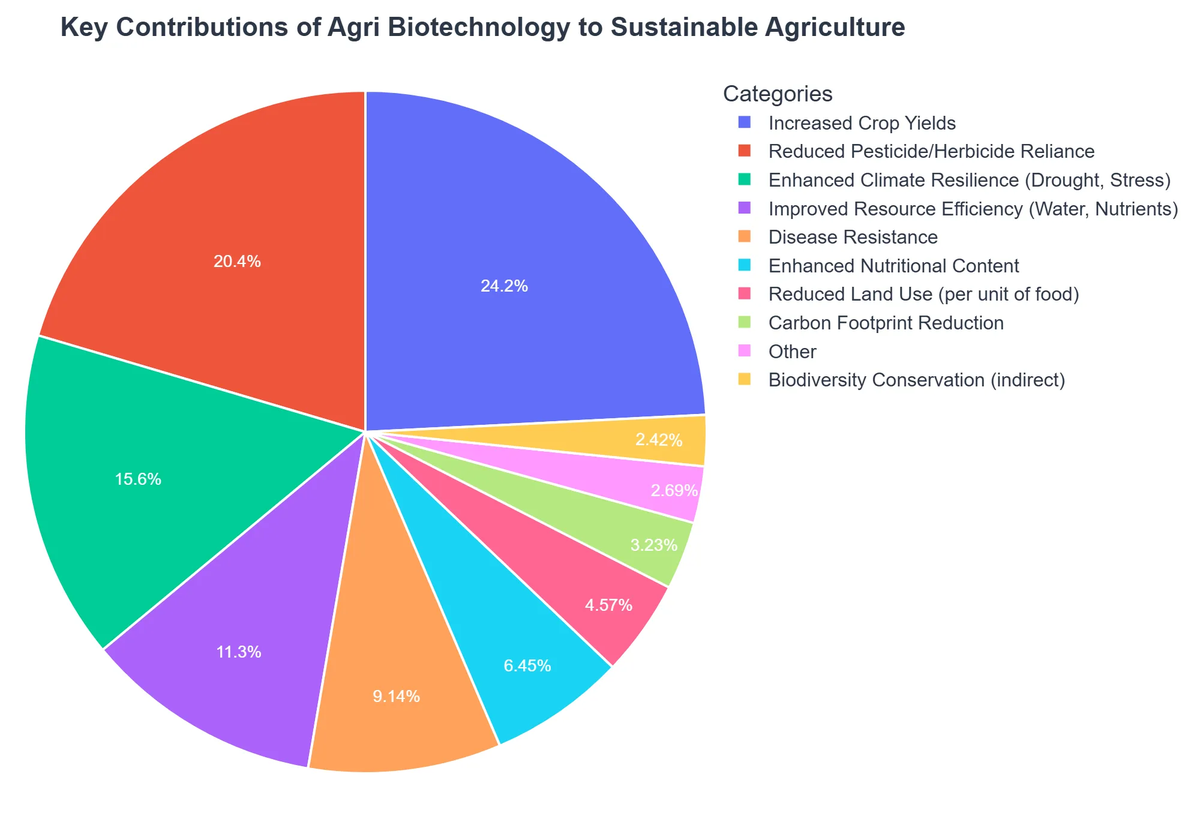
The practical benefits of agri biotechnology extend far beyond the laboratory, delivering tangible improvements that align directly with the principles of sustainable agriculture. Its impact can be observed across various critical dimensions:
⬇️ Reduced Environmental Footprint
- ✅ Decreased Pesticide and Herbicide Use: Genetically engineered crops resistant to pests (e.g., Bt crops) or tolerant to specific herbicides enable farmers to reduce the volume and frequency of chemical sprays. This minimizes chemical runoff into water sources and preserves beneficial insect populations, contributing to a healthier ecosystem.
- ➡️ Lower Carbon Emissions: By enhancing crop resilience and yield, agri biotechnology can reduce the need for tilling (preserving soil carbon) and lessen the fuel consumption associated with multiple pesticide applications. Furthermore, crops with enhanced nutrient uptake efficiency can decrease nitrous oxide emissions from fertilizers, a potent greenhouse gas.
- 💡 Efficient Water Use: Drought-tolerant crops developed through biotechnology can maintain productivity with less water, a critical advantage in arid regions and under changing climate patterns. This conserves precious water resources for other uses.
⬆️ Enhanced Resource Efficiency & Productivity
- ✅ Increased Yields on Existing Land: Biotechnology enables higher yields per acre, meaning more food can be produced without expanding agricultural land into natural habitats like forests or wetlands. This is vital for preserving biodiversity and mitigating deforestation.
- ➡️ Improved Nutrient Utilization: Biofortified crops not only address nutritional deficiencies but also often exhibit better uptake of essential nutrients from the soil, potentially reducing the need for synthetic fertilizers.
- 💡 Reduced Food Waste: Crops engineered for longer shelf life or resistance to spoilage can help decrease post-harvest losses, making the entire food supply chain more efficient and sustainable.
🌍 Climate Change Adaptation & Resilience
- ✅ Drought and Salinity Tolerance: As climate change brings more extreme weather patterns, biotech crops engineered to withstand drought, salinity, or extreme temperatures offer a crucial adaptive strategy, ensuring food production even in challenging environments. The USDA provides further insights into Biotechnology and Climate Change.
- ➡️ Disease and Pest Resistance: Rapidly evolving pests and diseases pose significant threats to global food security. Biotechnological solutions provide durable resistance, safeguarding harvests and reducing the economic burden on farmers.
In essence, agri biotechnology provides powerful tools to achieve the twin goals of feeding a growing global population while simultaneously protecting our planet’s natural resources. For more on related sustainable innovations, see our article on Environmental Biotechnology: Sustainable Solutions for Pollution Control.
How AgriFuture Solutions Transformed GreenHarvest Farms with Biotech
❓The Challenge
GreenHarvest Farms, a conventional mid-sized agricultural operation, faced declining yields and increased operational costs due to climate variability, soil degradation, and rising pest resistance.
💡The Solution
AgriFuture Solutions partnered with GreenHarvest Farms, implementing cutting-edge agri biotechnology. They introduced drought-resilient and pest-resistant crop varieties developed through precision breeding (MAS and gene editing principles) and integrated advanced biofertilizers to significantly enhance soil health and nutrient absorption.
🏆The Result
Within 18 months, GreenHarvest Farms achieved a remarkable 22% increase in average crop yield, simultaneously reducing chemical fertilizer use by 30% and pesticide application by 35%.
Challenges and Ethical Considerations in Agri Biotechnology
While the promise of agri biotechnology for sustainable agriculture is immense, its implementation is not without complexities. Addressing these challenges and navigating ethical considerations is paramount for responsible and effective deployment.
🤔 Public Perception and Acceptance
- ✅ Consumer Concerns: Many consumers harbor concerns about GMOs, often fueled by misinformation, lack of transparency, or a general distrust of “frankenfoods.” Bridging this knowledge gap with clear, science-backed communication is essential for broader acceptance.
- ➡️ Labeling Debates: The debate around mandatory labeling of biotech products continues, impacting consumer choice and industry practices.
⚖️ Regulatory and Intellectual Property Hurdles
- ✅ Complex Regulatory Pathways: Developing and gaining approval for a new biotech crop is a lengthy, expensive, and complex process involving rigorous safety assessments. This can stifle innovation, especially for smaller research institutions or developing nations.
- ➡️ Intellectual Property Rights: Patenting of biotech seeds and traits can lead to concentrated ownership by a few large corporations, raising concerns about access for smallholder farmers and potential monopolistic practices.
🌱 Ecological and Socio-economic Impacts
- ✅ Gene Flow Concerns: The potential for genes from engineered crops to transfer to wild relatives or conventional crops through cross-pollination is a frequently debated ecological concern. While risks are often low, careful stewardship is required.
- ➡️ Impact on Biodiversity: While some argue that reducing land use pressure benefits biodiversity, others worry about the potential for uniform, genetically similar crops to reduce genetic diversity within agricultural systems, making them more vulnerable to new threats.
- 💡 Socio-economic Disparities: The high cost of certain biotech seeds and technologies could potentially exacerbate inequalities, making it harder for small-scale farmers in developing countries to compete unless access and affordability are carefully managed.
Addressing these concerns requires ongoing scientific research, transparent dialogue, robust regulatory frameworks, and equitable policies that ensure the benefits of agri biotechnology are widely accessible and responsibly managed. The USDA provides answers to many common Biotechnology FAQs which can shed more light on these discussions.
The Future of Agri Biotechnology: Cultivating a Resilient Planet
The trajectory of agri biotechnology is one of continuous innovation, driven by an urgent global need for food security and environmental stewardship. As our understanding of The Code of Life: Decoding Genetics, Evolution, and Existence deepens, so too does our ability to harness biological systems for agricultural advancement.
✨ Emerging Trends and Technologies
- ✅ Integration with Precision Agriculture: The synergy between agri biotechnology and precision agriculture (using IoT, AI, big data) will optimize resource use even further. Imagine autonomous farm equipment deploying biopesticides only where needed, or AI-driven systems recommending specific gene-edited varieties based on real-time soil and climate data.
- ➡️ Synthetic Biology in Agriculture: This field involves designing and building new biological parts, devices, and systems, or re-designing existing natural biological systems for useful purposes. Applications could include engineering soil microbes to fix nitrogen more efficiently or creating novel pathways for nutrient synthesis in crops. This area also ties into the advancements seen in Debut Biotechnology: Sustainable Biomanufacturing Solutions.
- 💡 Microbiome Engineering: Research into the plant and soil microbiomes is revealing their profound impact on plant health, nutrient uptake, and stress resilience. Future agri biotech will likely focus on engineering these microbial communities to enhance crop performance naturally.
- ✅ Cellular Agriculture: While still nascent for large-scale production, cellular agriculture – growing animal products directly from cells (e.g., lab-grown meat) or producing milk proteins via precision fermentation – offers a path to reduce the environmental impact of traditional livestock farming. This overlaps with concepts explored in White Biotechnology: Revolutionizing Industrial Processes Sustainably.
Recommended Video
🎯 A Resilient and Sustainable Future
The ongoing advancements in agri biotechnology hold the key to developing crops and farming systems that are not only productive but also highly resilient to the impacts of climate change, resource scarcity, and evolving threats. By reducing reliance on finite resources, minimizing environmental pollution, and enhancing the nutritional quality of our food, biotechnology is poised to play an indispensable role in cultivating a truly sustainable and food-secure planet for generations to come.
What is agri biotechnology?
Agri biotechnology involves using scientific tools and techniques, including genetic engineering and molecular markers, to improve agricultural productivity, quality, and sustainability.
How does it contribute to sustainable agriculture?
It enhances crop resistance to pests and diseases, reduces the need for pesticides, improves nutrient uptake, and allows for more efficient land and water use, all contributing to sustainability.
Are genetically modified (GM) crops safe?
Major scientific organizations worldwide, including the World Health Organization, have concluded that GM crops currently available on the market are safe to eat.
What are the environmental benefits of agri biotechnology?
Benefits include reduced greenhouse gas emissions from fewer pesticide applications and tilling, decreased water usage, and preservation of biodiversity through higher yields on less land.