

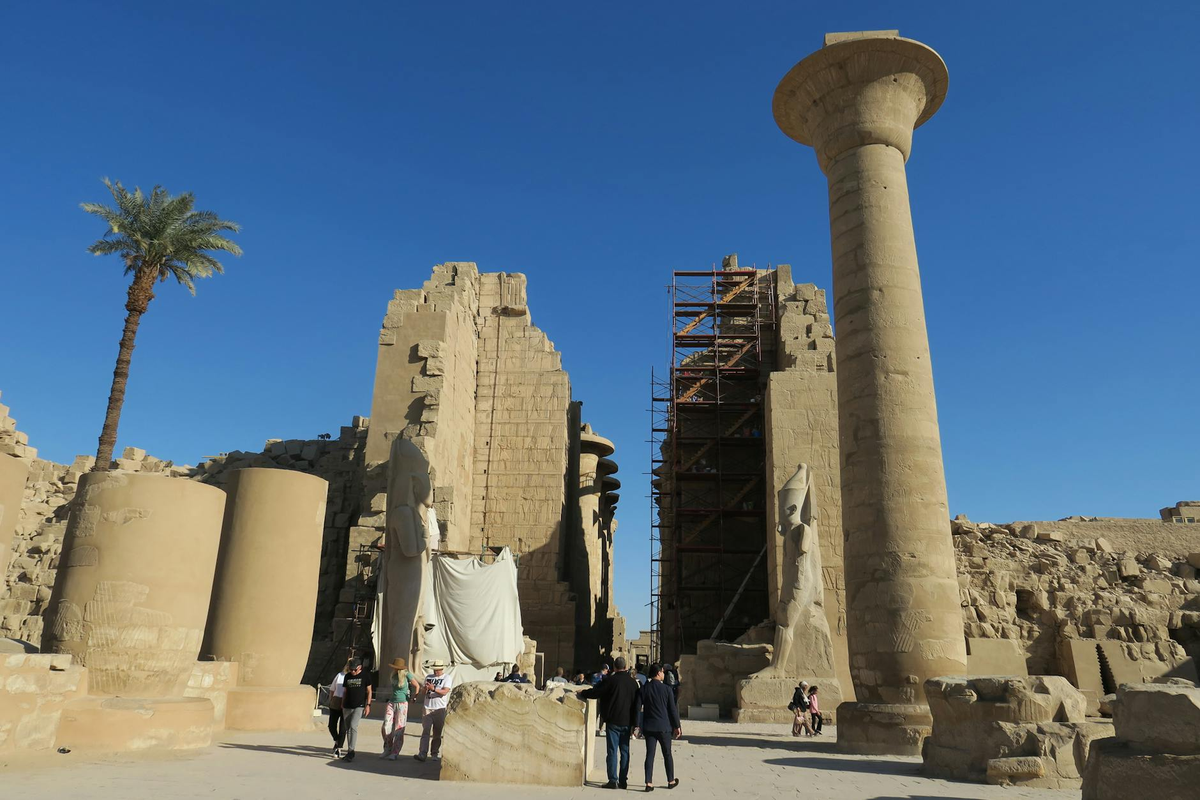
The human story is etched into the very fabric of the Earth, waiting to be read by those with the tools, patience, and dedication to decipher its ancient script. This is the profound mission of archaeology: the scientific study of human activity through the recovery and analysis of material culture. From the humble tools of our earliest ancestors to the majestic ruins of forgotten empires, archaeology reconstructs the narratives of past societies, providing invaluable insights into how we came to be. It is a discipline that transcends mere excavation, encompassing a rich tapestry of scientific methods, historical inquiry, and cultural understanding.
💡 Key Takeaways
- Archaeology is the scientific study of human activity through the recovery and analysis of material culture.
- It provides unique insights into the daily lives, beliefs, and societal structures of ancient and lost civilizations.
- Modern archaeological techniques leverage technology to locate, excavate, and preserve historical sites.
- Understanding the past through archaeology helps us comprehend contemporary human societies and cultural evolution.
“Every shard of pottery, every buried foundation, is a whisper from a civilization long silent. Archaeology isn’t just about digging; it’s about listening intently to the echoes of humanity’s profound journey.”
— Sebastian Thorne, Archaeologist & Historical Forensics Expert
The allure of archaeology often lies in its capacity to bring to light the existence of entire lost civilizations – societies that thrived for centuries, developed complex cultures, and then vanished, sometimes leaving behind only enigmatic remnants. Unearthing these ancient worlds is not just about discovering artifacts; it’s about piecing together the daily lives, beliefs, technologies, and ultimate fates of peoples long gone. This journey into the past challenges our assumptions, expands our knowledge of human potential, and reminds us of the cyclical nature of history. Through meticulous research and innovative techniques, archaeologists continue to push the boundaries of what we know about our shared heritage, constantly enriching our understanding of humanity’s incredible journey across millennia.
In This Article
- — 💡 Key Takeaways
- → The Core Principles of Archaeology: Decoding Ancient Echoes
- — Fieldwork and Excavation Techniques
- — Dating Methods: Anchoring Discoveries in Time
- — Interdisciplinary Approach: A Holistic View of the Past
- → Discovering Lost Civilizations: A Journey Through Time
- — The Indus Valley Civilization: An Urban Marvel
- — Mesoamerican Empires: Maya, Aztec, and More
- — The Enigma of Atlantis and Other Fabled Lands
- → The Tools of the Trade: Modern Archaeology in Action
- — Remote Sensing and GIS: Seeing Beneath the Surface
- — Underwater Archaeology: Exploring Sunken Worlds
- — DNA Analysis and Bioarchaeology: Unlocking Genetic Secrets
- → Major Archaeological Discoveries and Their Impact
- — Pompeii and Herculaneum: A Snapshot of Roman Life
- — Tutankhamun’s Tomb: The Golden Pharaoh
- — Gobekli Tepe: Redefining Ancient History
- → The Ethical Dilemmas and Challenges of Unearthing the Past
- — Site Preservation and Conservation: Protecting Fragile Legacies
- — Repatriation of Artifacts: Returning Cultural Heritage
- — The Threat of Illicit Trafficking: Plundering the Past
- → The Future of Archaeology: Unveiling More Secrets
- — Predictive Archaeology: Proactive Preservation
- — Citizen Science and Public Engagement: A Shared Endeavor
- — Expanding Our Understanding of Human History
- → Conclusion
The Core Principles of Archaeology: Decoding Ancient Echoes
Archaeology is far more than treasure hunting; it’s a systematic scientific endeavor driven by rigorous methodology and interdisciplinary collaboration. Its primary goal is not just to find objects, but to understand context, which is paramount for interpreting the meaning of past human activity.
Fieldwork and Excavation Techniques
The heart of archaeological investigation often begins in the field. Before any digging commences, extensive survey work is conducted, utilizing techniques such as remote sensing, aerial photography, and geophysical surveys to identify potential sites without disturbing the ground. Once a site is chosen, excavation proceeds with meticulous care, often in layers, reflecting the stratigraphic accumulation of time. Every artifact’s position, depth, and relationship to other objects and features are meticulously recorded, creating a detailed three-dimensional map of the findings. This process ensures that information about context is preserved, as once a site is excavated, it is fundamentally altered.
Dating Methods: Anchoring Discoveries in Time
Accurately placing findings in a chronological framework is critical. Archaeologists employ a variety of dating methods:
- Radiocarbon Dating (C-14): Measures the decay of Carbon-14 in organic materials to determine age, effective for up to around 50,000 years.
- Dendrochronology: Uses tree rings to date wood, providing highly precise dates for specific regions.
- Potassium-Argon Dating: Suitable for much older geological and archaeological contexts, dating volcanic rocks associated with early human sites.
- Thermoluminescence: Dates materials like pottery, burnt flint, or sediments by measuring trapped electrons released as light when heated.
- Stratigraphy: Based on the principle that deeper layers are generally older, providing relative dating.
Interdisciplinary Approach: A Holistic View of the Past
Modern archaeology thrives on collaboration with other scientific fields. Geologists help understand soil formation and site context, while botanists and zoologists analyze ancient plant and animal remains (paleobotany and zooarchaeology) to reconstruct past environments and diets. Anthropologists provide theoretical frameworks for understanding human culture, and chemists help analyze artifact composition. This holistic approach allows for a more complete and nuanced understanding of ancient societies. For more on the foundational studies that help us understand the deep past, one might explore the work of pioneers like Roderick Murchison in geology.
Discovering Lost Civilizations: A Journey Through Time
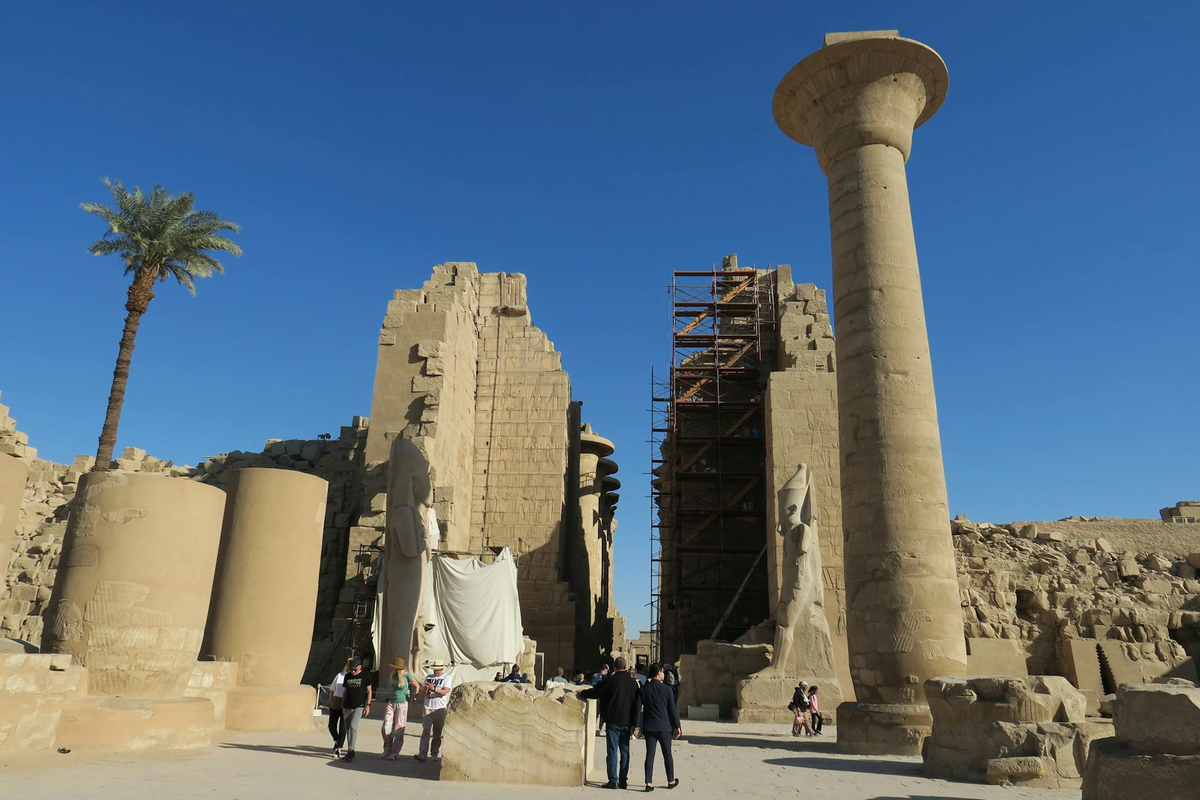
The discovery of lost civilizations represents some of the most profound archeological discoveries, reshaping our understanding of global ancient history and human development. These are not merely cities; they are entire worlds rediscovered.
The Indus Valley Civilization: An Urban Marvel
Among the most significant revelations is the Indus Valley Civilization (also known as the Harappan Civilization), which flourished from around 2500 to 1900 BCE in what is now Pakistan and northwest India. Characterized by sophisticated urban planning, advanced drainage systems, and undeciphered script, major cities like Harappa and Mohenjo-Daro were sprawling metropolises. Their discovery challenged the Eurocentric view of early urbanism, demonstrating complex, highly organized societies existed in South Asia millennia ago. For a deeper dive into one of its most fascinating sites, explore the Mohenjo-daro Artifacts: Unearthing the Lost Indus Valley Civilization.
Mesoamerican Empires: Maya, Aztec, and More
The dense jungles and highlands of Mesoamerica conceal the remnants of numerous advanced civilizations, most notably the Maya, Aztec, and Teotihuacan. The Maya, known for their sophisticated writing system, mathematics, astronomy, and monumental architecture, left behind impressive city-states like Tikal, Palenque, and Chichen Itza. The Aztec, who built their capital Tenochtitlan on an island in Lake Texcoco (modern-day Mexico City), created a vast empire through military might and intricate social structures. The discovery and study of these civilizations have revealed complex belief systems, unique agricultural practices, and stunning artistic achievements that continue to captivate researchers and the public alike.
Archaeology: Unearthing the Past – Pros and Cons
Pros
- ✔Reveals critical insights into human history, cultures, and lost civilizations.
- ✔Contributes significantly to the preservation and understanding of global cultural heritage.
- ✔Drives scientific and technological advancements in dating, mapping, and material analysis.
- ✔Provides unique educational value and fosters appreciation for diverse human experiences.
Cons
- ✖Excavation is inherently destructive, irreversibly altering sites and contexts.
- ✖Operations are often expensive, time-consuming, and require significant funding.
- ✖Raises complex ethical dilemmas concerning ownership, repatriation, and interpretation of findings.
- ✖Findings can be fragmentary, leading to challenges in interpretation or potential misrepresentation.
The Enigma of Atlantis and Other Fabled Lands
While most lost civilizations are firmly established through tangible evidence, the concept of fabled lands like Atlantis continues to fuel public imagination and, occasionally, inspire unconventional archaeological pursuits. Plato’s account of Atlantis describes a technologically advanced island civilization that vanished into the sea. While no definitive archaeological evidence supports its existence, the legend highlights humanity’s enduring fascination with advanced, forgotten societies and the potential for Lost Worlds & Forgotten Histories: Unearthing the Past’s Greatest Riddles. The ongoing search for such sites often intertwines with discussions around “out of place artifacts,” objects whose existence seems to defy conventional historical timelines or geographical origins, though these are often reinterpreted or debunked by mainstream archaeology.
The Tools of the Trade: Modern Archaeology in Action
Archaeology has been revolutionized by technological advancements, transforming how sites are discovered, excavated, and analyzed. These modern tools allow for non-invasive exploration and more precise data collection.
Remote Sensing and GIS: Seeing Beneath the Surface
Remote sensing techniques, such as LiDAR (Light Detection and Ranging) and satellite imagery, allow archaeologists to map vast areas, often revealing hidden ancient structures obscured by dense vegetation or modern development. LiDAR, for instance, has been instrumental in uncovering extensive Maya networks in Guatemala. Geographic Information Systems (GIS) then provide a powerful platform for compiling, analyzing, and visualizing this spatial data, enabling archaeologists to identify patterns, model ancient landscapes, and plan excavations more effectively. This integration of technology fundamentally changes the scale and precision of archaeological work. For more on this, see GIS in Archaeology: Unearthing the Past.
Underwater Archaeology: Exploring Sunken Worlds
A significant portion of our past lies beneath the waves. Underwater archaeology specializes in the recovery and study of submerged cultural heritage, including shipwrecks, drowned cities, and ancient landscapes now under water due to sea-level rise. Advanced diving equipment, remotely operated vehicles (ROVs), and sonar technology are essential for exploring these challenging environments. Discoveries range from ancient trading vessels laden with cargo to entire port cities swallowed by the sea, offering unique perspectives on ancient trade routes, maritime technology, and catastrophic events.
DNA Analysis and Bioarchaeology: Unlocking Genetic Secrets
The field of bioarchaeology, especially with advancements in ancient DNA (aDNA) analysis, has opened new frontiers. By studying human and animal remains, scientists can reconstruct diets, disease patterns, migration routes, and even kinship relationships of ancient populations. DNA analysis offers unprecedented insights into population movements, interbreeding events, and the evolution of diseases. This work often complements the efforts of palaeontologists who study ancient life more broadly, such as those covered in Palaeontologist: Unearthing Earth’s Ancient Life.
Major Archaeological Discoveries and Their Impact
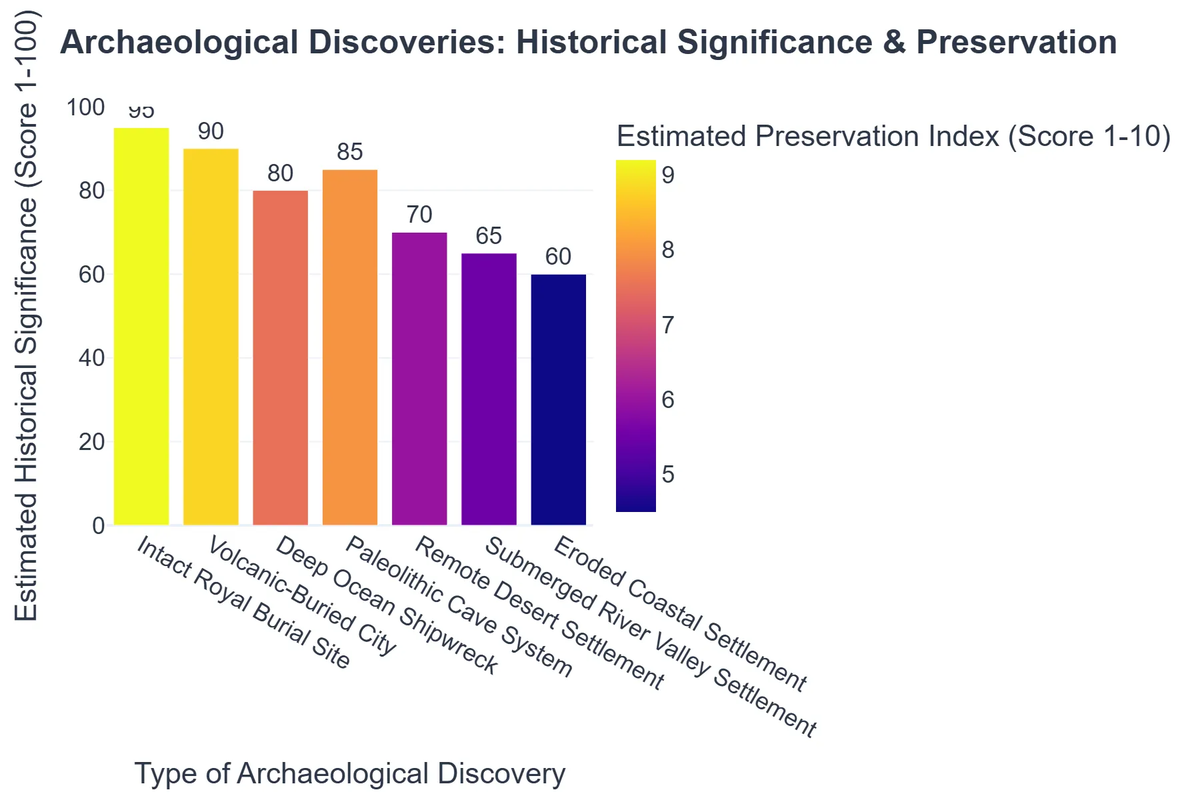
Throughout history, certain archeological discoveries have not just added to our knowledge but have fundamentally altered our understanding of ancient history and human civilization. These sites stand as testament to the resilience, ingenuity, and complexity of past societies.
Pompeii and Herculaneum: A Snapshot of Roman Life
Buried by the eruption of Mount Vesuvius in 79 CE, the Roman cities of Pompeii and Herculaneum offer an unparalleled glimpse into daily life in the Roman Empire. The volcanic ash and mud preserved buildings, frescoes, mosaics, and even the unfortunate victims in extraordinary detail. These sites provide a unique “snapshot” of Roman society, from public baths and bustling markets to private homes and everyday objects, allowing archaeologists to study social structures, economic activities, and cultural practices with exceptional clarity.
Tutankhamun’s Tomb: The Golden Pharaoh
The discovery of the intact tomb of Pharaoh Tutankhamun in 1922 by Howard Carter in Egypt’s Valley of the Kings was an unprecedented event. Unlike many other pharaonic tombs, it had largely escaped ancient looters. The wealth of artifacts—including the iconic golden death mask, chariots, furniture, and jewelry—provided an extraordinary window into New Kingdom Egyptian funerary practices, craftsmanship, and royal beliefs. The sheer scale and preservation of the findings solidified global fascination with ancient Egypt and underscored the potential for astonishing finds within uncharted territories of history.
Gobekli Tepe: Redefining Ancient History
Perhaps one of the most revolutionary archeological discoveries of recent times is Gobekli Tepe in southeastern Turkey. Dating back to around 9600 BCE, this complex of massive, intricately carved stone pillars predates Stonehenge by thousands of years and was built by hunter-gatherers, not settled agriculturalists. Its existence challenges long-held theories that monumental architecture and organized religion arose only after the development of agriculture and settled communities. Gobekli Tepe suggests that complex religious rituals and communal labor might have predated, or even driven, the transition to farming, fundamentally reshaping our understanding of the origins of civilization. For more on such profound finds, consider exploring Archaeological Discoveries: Exploring Ancient Monuments and Lost Worlds.
The Ethical Dilemmas and Challenges of Unearthing the Past
While the pursuit of knowledge about ancient civilizations is vital, archaeology is not without its complex ethical considerations. The act of unearthing the past often intersects with issues of cultural heritage, ownership, and destruction.
Site Preservation and Conservation: Protecting Fragile Legacies
Archaeological sites are non-renewable resources; once disturbed or destroyed, their unique historical information is lost forever. A major challenge is balancing the need for scientific investigation with the imperative for long-term preservation. Factors like urban development, agricultural expansion, climate change, and uncontrolled tourism pose constant threats. Archaeologists are increasingly focused on conservation-first approaches, using non-invasive techniques and careful management plans to protect sites for future generations, often requiring international collaboration and funding.
Repatriation of Artifacts: Returning Cultural Heritage
A contentious issue in modern archaeology is the repatriation of artifacts, particularly those acquired during colonial periods or through illicit means. Many indigenous communities and nations advocate for the return of cultural objects held in foreign museums, arguing that these objects are integral to their heritage, identity, and spiritual practices. Prominent cases include the Elgin Marbles, the Rosetta Stone, and various Native American remains and sacred objects. This debate highlights the complex moral and legal dimensions of ownership and access to cultural heritage.
The Threat of Illicit Trafficking: Plundering the Past
Looting and the illicit trafficking of antiquities represent a severe threat to archaeological sites and global heritage. Driven by a lucrative black market, looters often destroy invaluable contextual information at sites, rendering any remaining artifacts scientifically meaningless. This organized crime undermines legitimate archaeological research, funds illegal activities, and strips source countries of their cultural patrimony. International cooperation, stricter laws, and public awareness campaigns are crucial in combating this pervasive problem, which continues to jeopardize the fragile remnants of lost civilizations.
The Future of Archaeology: Unveiling More Secrets
Archaeology is a dynamic field continually evolving with new technologies, theoretical approaches, and a broadening understanding of what constitutes “the past.” The future promises even more exciting revelations and challenges.
Predictive Archaeology: Proactive Preservation
Leveraging big data, AI, and environmental modeling, predictive archaeology aims to identify potential archaeological sites before they are disturbed by development. By analyzing historical maps, environmental data, and known site distributions, researchers can create predictive models that guide conservation efforts and inform land-use planning. This proactive approach helps protect undocumented heritage and ensures that important sites are not inadvertently destroyed.
Citizen Science and Public Engagement: A Shared Endeavor
The future of archaeology increasingly involves greater public participation through citizen science initiatives. From volunteers assisting with fieldwork to digital projects allowing people to transcribe ancient texts or map archaeological features online, public engagement broadens the scope of research and fosters a deeper appreciation for heritage. This collaborative model not only aids scientific discovery but also strengthens the bond between communities and their history. Stay informed about these exciting developments by checking the Latest Archaeology News: Unveiling the Past.
Expanding Our Understanding of Human History
As technology advances and new sites are discovered, archaeology continues to rewrite and enrich the human story. From uncovering evidence of previously unknown migrations to revealing the sophistication of early human societies, each discovery adds another piece to the complex puzzle of our origins and development. The field is increasingly focusing on underrepresented regions and marginalized voices, ensuring a more inclusive and global understanding of ancient history. The ongoing quest to unearth forgotten pasts and lost civilizations will undoubtedly continue to surprise and educate us, reminding us of the profound depth and diversity of the human experience across millennia. As Princeton University Press highlights, “Unearthing the Past” is a continuous, vital academic endeavor (Princeton University Press).
Recommended Video
Conclusion
Archaeology stands as a testament to humanity’s innate curiosity about its origins and its unwavering desire to connect with the echoes of the past. It is a scientific discipline that meticulously pieces together fragments of ancient lives, cultures, and societies, offering profound insights into the human journey. The quest for lost civilizations is more than an academic pursuit; it is a captivating adventure that continually reshapes our understanding of human potential, resilience, and the diverse ways in which our ancestors thrived, innovated, and ultimately left their mark on the world.
From the precise work of excavating ancient settlements to the cutting-edge application of remote sensing and DNA analysis, archaeology is a field constantly evolving, pushing the boundaries of what can be known about our shared heritage. While facing contemporary challenges such as looting, site destruction, and ethical debates surrounding artifact repatriation, the archaeological community remains committed to responsible research, preservation, and the invaluable task of safeguarding humanity’s collective memory. As new technologies emerge and unexplored regions reveal their secrets, the promise of further astonishing archeological discoveries continues to inspire, reminding us that the ground beneath our feet holds countless untold stories, waiting to be unearthed.
Frequently Asked Questions
What is the primary goal of archaeology?
The primary goal of archaeology is to understand human culture and behavior by studying the material remains left behind by past societies, reconstructing their way of life, beliefs, and interactions.
How do archaeologists locate ancient sites?
Archaeologists use a variety of methods, including aerial photography, remote sensing (like lidar and ground-penetrating radar), historical maps, geological surveys, and surface surveys to locate potential archaeological sites before excavation.
What types of artifacts do archaeologists typically find?
Archaeologists find a wide range of artifacts, including tools, pottery, jewelry, weapons, coins, art, skeletal remains, and structural features like foundations and walls, all of which provide clues about past human activity.