
What if the greatest stories ever told lie not in future possibilities, but buried deep beneath our feet, etched into stone, or whispered by forgotten winds? The past is not merely history; it’s a living mystery, an intricate puzzle inviting us to connect with the epic sagas of vanished civilizations and primeval epochs.
In “Lost Worlds & Forgotten Histories,” we embark on an extraordinary journey to unearth these profound riddles. This definitive guide will not only illuminate the astonishing discoveries that shaped our understanding of life, humanity, and our planet, but it will also transform your perception of time, revealing the enduring legacy of those who walked before us and the thrilling possibilities that still await discovery.
💡 Key Takeaways
- Discover how archaeological breakthroughs unveil the daily lives and grand narratives of ancient civilizations.
- Unravel the mysteries of prehistoric life and the evolutionary journey through paleontology’s most compelling finds.
- Trace the courageous expeditions of pioneering explorers and scholars who reshaped our world map and historical timeline.
- Gain a new perspective on iconic historical sites and the enduring puzzles they present, challenging conventional wisdom.
In This Article
- — 💡 Key Takeaways
- → 🏺 Archaeology & Ancient Civilizations
- — 🛠️ The Modern Archaeologist’s Toolkit
- — 🧩 Deciphering Ancient Civilizations
- — 🤝 The Ethical Imperative & Stewardship
- → 🦕 Paleontology & Prehistoric Life
- — 🔍 The Hunt for Clues: Where Fossils Are Found
- — 🔬 Bringing the Past to Life: Analysis & Reconstruction
- — 🚧 Navigating the Challenges & Misconceptions
- — 💡 Your Role in Unearthing the Past
- → 🧭 Pioneers of Discovery
- — 🔎 The Indomitable Spirit of Exploration
- — ⛏️ Archaeology’s Trailblazers
- — 📜 Deciphering the Silent Past
- — 🛰️ Modern Frontiers: Tech-Driven Discovery
- — 💡 Cultivating Your Inner Pioneer
- → 🏛️ Historic Landmarks & Sites
- — 🔎 Unearthing the Giants: Beyond the Surface
- — 🏛️ Deciphering the Stones: Interpretive Challenges & Breakthroughs
- — ⏳ Preserving the Echoes: Protecting Vulnerable Legacies
- → ❓ Ancient Puzzles & Perspectives
- — 🤯 The Allure of the Unknown: What Defines an Ancient Puzzle?
- — 🔬 Beyond the Shovel: Modern Tools for Unearthing Truths
- — 🧠 The Cognitive Minefield: Navigating Bias & Pseudoscience
- — ⏳ Time’s Language: Interpreting Scarcity and Silence
🏺 Archaeology & Ancient Civilizations
Welcome, fellow history enthusiasts, to the fascinating world where dirt meets cutting-edge technology! When we talk about “lost worlds and forgotten histories,” archaeology isn’t just about dusty digs and Indiana Jones-esque adventures. It’s a rigorous, multidisciplinary science dedicated to unearthing, interpreting, and preserving the physical remains of past human activity.
Modern archaeology provides us with the tools to look beyond the surface, allowing us to reconstruct ancient lives, societies, and entire civilizations that once thrived, leaving behind riddles for us to solve. It’s less about finding treasure and more about uncovering knowledge.
🛠️ The Modern Archaeologist’s Toolkit
Forget the old-school image of archaeologists with just a shovel and a brush. Today’s professional is equipped with an arsenal of sophisticated technologies that make discoveries possible in ways previously unimaginable.
- 📡 Remote Sensing Technologies: Before a single shovel hits the ground, vast areas can be surveyed non-invasively. Tools like LiDAR (Light Detection and Ranging) use pulsed lasers to create detailed topographic maps, even penetrating dense forest canopies to reveal hidden structures like ancient Mayan causeways or Roman road networks. Similarly, Ground-Penetrating Radar (GPR) sends electromagnetic pulses into the ground to detect buried features, from foundations of forgotten buildings to ancient burial sites, all without disturbing the soil.
- 🔬 Advanced Lab Analysis: Once artifacts are recovered, the real detective work often begins in the lab. Techniques such as radiocarbon dating provide precise chronologies, while DNA analysis from ancient human remains or even soil samples can reveal migration patterns, disease prevalence, and dietary habits. Isotopic analysis of teeth and bones can pinpoint geographical origins or long-term dietary shifts.
- 🗺️ Geographic Information Systems (GIS): This powerful software allows archaeologists to map, analyze, and visualize spatial data from a site. Imagine plotting every artifact, every structural feature, and every soil sample on an interactive map. GIS helps identify patterns, understand site organization, and reveal relationships between different elements of an ancient landscape. It’s a critical tool for synthesizing complex data.
🧩 Deciphering Ancient Civilizations
Finding artifacts is only the first step. The true challenge—and the greatest reward—lies in interpreting what these finds tell us about the people who made them. This is where archaeology becomes a narrative art, piecing together fragments into a coherent story.
- ✍️ Reading Material Culture: Every object, from a shard of pottery to monumental architecture, serves as a “text.” The style of a ceramic, the composition of a metal tool, or the layout of a city can reveal economic systems, social hierarchies, belief systems, and daily life. For instance, the sheer scale and complexity of sites like Göbekli Tepe in Turkey completely upended previous theories about the origins of complex societies and monumental architecture, suggesting that organized religion may have preceded agriculture.
- 📜 Unlocking Written Records & Iconography: When we’re fortunate enough to find written scripts, such as Egyptian hieroglyphs or Mesopotamian cuneiform, they offer direct insights into the minds of ancient peoples. The famous Rosetta Stone, for example, was instrumental in deciphering hieroglyphs, opening a direct window into ancient Egyptian civilization. Even without direct writing, iconography on pottery, frescoes, or stelae can tell us stories, myths, and historical events.
- 🌿 Bioarchaeology & Paleoenvironments: The study of ancient human remains (bioarchaeology) provides invaluable data on health, disease, diet, and even social status. Similarly, analyzing pollen, seeds, and animal bones (zooarchaeology and archaeobotany) helps reconstruct ancient environments, agricultural practices, and resource management strategies. These disciplines paint a vivid picture of how ancient societies interacted with and adapted to their natural world.
🤝 The Ethical Imperative & Stewardship
Unearthing the past carries immense responsibility. Modern archaeology is deeply concerned with the ethical implications of discovery, ensuring that the pursuit of knowledge doesn’t come at the expense of cultural heritage or the rights of descendant communities.
- 🛡️ Site Preservation & Management: Once a site is discovered, its long-term preservation becomes paramount. This involves protecting sites from looting, encroachment by modern development, and the growing threats posed by climate change. Many archaeological projects now incorporate long-term conservation plans from their inception.
- 🌍 Repatriation & Cultural Sensitivity: A critical, and often complex, aspect of modern archaeology is the issue of repatriation—the return of artifacts and human remains to their countries or communities of origin. Leading institutions like the Smithsonian Institution advocate strongly for the ethical stewardship of cultural heritage, recognizing that these objects are not merely scientific specimens but carry deep cultural and spiritual significance. Their commitment to responsible research and public engagement is detailed on their official site: https://www.si.edu/. This ensures that archaeological endeavors contribute positively to contemporary society.
- 📚 Public Engagement & Education: True impact comes from sharing discoveries responsibly. Archaeologists work to make their findings accessible to the public through museums, publications, and digital platforms. This fosters a deeper appreciation for history and highlights the relevance of the past to our present and future.
- Archaeology’s Latest Finds: Unearthing Ancient Mysteries
- Göbekli Tepe: Unearthing Humanity’s First Temple
- Mohenjo-daro Artifacts: Unearthing the Lost Indus Valley Civilization
- Eleusinian Mysteries: Unearthing Ancient Greece’s Sacred Rites
- Archaeology: Unearthing the Past and Lost Civilizations
- Latest Archaeology News: Unveiling the Past
- Ajanta and Ellora Caves: Ancient History and Art
- Archaeological Discoveries: Exploring Ancient Monuments and Lost Worlds
🦕 Paleontology & Prehistoric Life
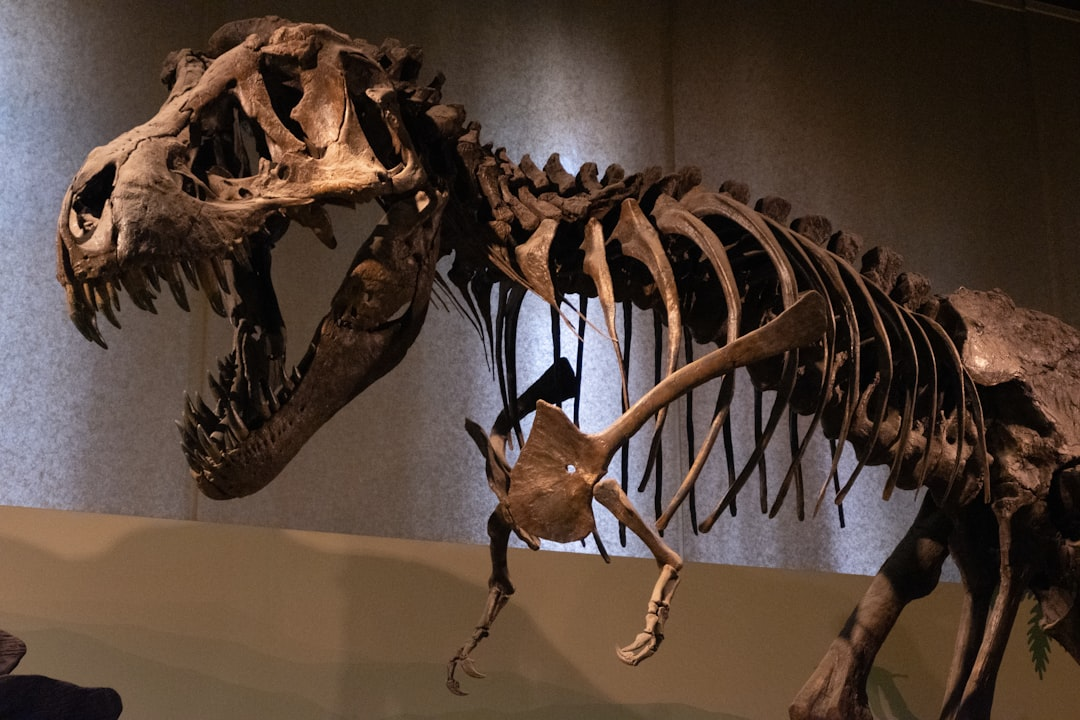
Step back in time, not just centuries, but millions of years. Paleontology is the thrilling scientific discipline dedicated to unearthing and interpreting the fossilized remains of ancient life. It’s more than just digging up dinosaur bones; it’s about reconstructing entire lost worlds, understanding prehistoric ecosystems, and tracing the evolutionary journey of life on Earth.
For enthusiasts of “Lost Worlds & Forgotten Histories,” paleontology offers direct, tangible evidence of life that once dominated our planet, long before human civilization ever dawned. It reveals narratives written in stone, providing concrete answers to some of the most profound questions about our planet’s deep past.
🔍 The Hunt for Clues: Where Fossils Are Found
The journey of a paleontologist often begins in unlikely places – vast deserts, remote badlands, and even coastal cliffs. These are the ancient graveyards where sediments have meticulously preserved the remains of life over eons. The trick is knowing where to look and understanding the geological context.
- ✅ Prime Locations: Regions with exposed sedimentary rock layers are goldmines. Think the American West (like the Morrison Formation), the Gobi Desert, or the Patagonian plains. Each layer tells a different story from a different epoch.
- ➡️ Key Sites: One of the most significant sites for dinosaur fossils in North America is Dinosaur National Monument, straddling Utah and Colorado. This site, managed by the National Park Service, offers a unique window into the Late Jurassic period, with thousands of fossilized dinosaur bones embedded in rock. Other famous localities include the La Brea Tar Pits in Los Angeles, preserving Ice Age megafauna, and the Hell Creek Formation in Montana, famous for its T-Rex and Triceratops finds.
- 💡 Beyond the Bones: While large skeletons capture our imagination, paleontologists also seek out microfossils (tiny organisms), trace fossils (footprints, burrows, coprolites), and fossilized plants. These often provide more comprehensive data about ancient environments and behaviors than bones alone, revealing a richer picture than just skeletal remains.
🔬 Bringing the Past to Life: Analysis & Reconstruction
Once a fossil is carefully excavated, often encased in a protective plaster jacket for transport, the real detective work begins in the lab. This stage involves meticulous cleaning, preparation, and scientific analysis to unlock the secrets held within the stone.
- ✅ Preparation & Conservation: Fossils are delicate. Skilled preparators meticulously remove rock using tools as precise as dental drills or even air scribes. This process can take years for a single large specimen.
- ➡️ Dating the Finds: Determining a fossil’s age is crucial for placing it within the geological timeline.
- Radiometric Dating: For certain igneous or metamorphic rocks associated with fossil-bearing sedimentary layers, techniques like Uranium-Lead or Argon-Argon dating are used. These methods measure the decay of radioactive isotopes to provide precise absolute ages.
- Stratigraphy: This involves studying the sequence of rock layers. Fossils found in lower layers are generally older than those in upper layers (Law of Superposition).
- Paleomagnetism: Analyzing the magnetic signature preserved in rocks, which periodically reverses, helps correlate rock layers globally.
- 💡 Reconstructing Ancient Life: Scientists use comparative anatomy with living relatives, biomechanical analysis, and advanced imaging (like CT scans) to understand how ancient creatures moved, fed, and interacted. Paleoartists then collaborate with scientists to create scientifically accurate visual representations, often using digital tools like Blender for 3D modeling and rendering, bringing these creatures to life for the public.
- ❓ Non-Obvious Insight: A common mistake is assuming that new fossil finds always represent entirely new species. Often, new specimens provide crucial missing pieces that allow scientists to refine or even reclassify existing species, leading to a deeper understanding of evolutionary relationships and the branches of the tree of life.
🚧 Navigating the Challenges & Misconceptions
Paleontology is not without its hurdles, from the inherent incompleteness of the fossil record to the ethical complexities surrounding commercial fossil collecting.
- ✅ The Incomplete Record: Fossilization is a rare event. Only a tiny fraction of life that has ever existed gets preserved, leading to gaps in our understanding. Paleontologists must infer a great deal from limited evidence, making ongoing discovery vital. The quest for “transitional fossils” is a prime example of filling these gaps.
- ➡️ Ethical Dilemmas: The commercial trade of fossils is a significant concern. While private collectors can contribute to scientific understanding, the sale of scientifically important specimens to private hands can remove them from public study and display, hindering research. Many professional paleontological societies advocate for fossils to remain in the public trust to ensure maximum scientific benefit.
- 💡 Myth vs. Reality: It’s a common misconception that all dinosaurs lived at the same time. In reality, the Mesozoic Era (the “Age of Dinosaurs”) spanned over 180 million years, a timeframe vast enough that Triceratops and Tyrannosaurus rex were separated by more time than T. rex and humans. This highlights the immense scale of geological time.
💡 Your Role in Unearthing the Past
While professional paleontology requires extensive scientific training, there are numerous ways for the curious to engage with and contribute to this fascinating field, bridging the gap between expert knowledge and public interest.
- ✅ Visit Natural History Museums: Institutions like the American Museum of Natural History in New York or the Field Museum in Chicago house world-class fossil collections and offer incredible educational exhibits. Many offer behind-the-scenes tours or volunteer opportunities.
- ➡️ Support Paleontological Research: Many universities and research institutions offer public outreach programs or have “adopt a fossil” initiatives. Donating to these programs helps fund fieldwork and lab analysis, directly contributing to new discoveries.
- 📖 Online Learning & Citizen Science: Platforms like Coursera or edX occasionally offer courses on paleontology and geology from leading universities, providing foundational knowledge. Some research projects invite citizen scientists to help classify images or transcribe data online, contributing directly to scientific discovery without needing to leave your home.
- 🌍 Consider Field Volunteering: A select number of universities and museums offer opportunities for enthusiastic volunteers to participate in actual fossil digs, providing an invaluable hands-on experience in the field. This is arguably the most direct way to experience the thrill of discovery and truly get your hands dirty in history.
- Hominid Evolution: Unearthing Our Ancestors
- Palaeontologist: Unearthing Earth’s Ancient Life
- Paleontology: Unearthing Ancient Life
- Devonian Period: Exploring Earth’s Ancient Landscapes
🧭 Pioneers of Discovery

The quest for lost worlds and forgotten histories is not merely an academic pursuit; it’s a journey fueled by an insatiable curiosity and an unwavering spirit of adventure. Behind every unearthed city, every deciphered script, and every re-evaluated historical narrative stand the pioneers of discovery. These are the individuals who dared to look beyond the known, brave the impossible, and piece together the fragments of our collective past.
They are not just archaeologists or historians; they are a unique breed of detectives, explorers, and scholars, often working at the very edge of human knowledge. Their stories are a testament to human ingenuity and the enduring allure of the unknown.
🔎 The Indomitable Spirit of Exploration
What truly defines a pioneer in this field isn’t just their intellect, but their grit and resilience. They faced immense skepticism, logistical nightmares, and often outright physical danger. Think of the early Egyptologists navigating harsh deserts or linguists dedicating decades to a single, dead language. Their drive often stemmed from a deep personal conviction, pushing them to pursue leads others dismissed.
- 💡 Non-Obvious Insight: Many early “discoveries” were initially driven by treasure hunting or nationalistic pride, not purely scientific inquiry. The transformation into a rigorous scientific discipline, demanding context, conservation, and systematic recording, was a gradual evolution championed by pioneers who understood the true value of the past lay in its interpretation, not just its artifacts.
- ✅ Key Trait: The ability to see beyond the obvious. Where others saw mounds of dirt, pioneers envisioned buried cities; where others saw meaningless etchings, they saw forgotten languages.
⛏️ Archaeology’s Trailblazers
When we speak of unearthing lost civilizations, certain names immediately come to mind. These individuals laid the groundwork for modern archaeological practice, often learning through trial and error in the field.
- ➡️ Heinrich Schliemann: The businessman-turned-archaeologist who, driven by Homer’s epics, famously (and controversially) unearthed layers believed to be ancient Troy at Hisarlik in modern-day Turkey. While his methods were destructive by today’s standards – he often dug directly to the lowest levels, destroying overlying strata – his passion proved that legendary sites could indeed be found. His work, despite its flaws, ignited public imagination and proved the potential of archaeological fieldwork.
- ➡️ Howard Carter: The British Egyptologist who, after years of painstaking work and against significant odds, discovered the intact tomb of Tutankhamun in the Valley of the Kings in 1922. Carter’s meticulous approach to documenting every artifact in situ revolutionized archaeological methodology, setting new standards for preservation and contextual understanding, a stark contrast to the rapid-fire excavations of earlier eras.
- ➡️ Hiram Bingham III: The American explorer often credited with “discovering” Machu Picchu in 1911. While local Quechua farmers were aware of the site, Bingham brought it to international attention. His expeditions, funded by National Geographic Society, showcased the blending of exploration with scientific documentation, opening up new vistas for understanding the Inca Empire.
📜 Deciphering the Silent Past
Beyond the shovel, some pioneers worked with the silent whispers of ancient texts. Their “dig sites” were often libraries, archives, or isolated monuments, and their tools were intellect, linguistics, and immense patience.
- ➡️ Jean-François Champollion: The French scholar who cracked the code of Egyptian hieroglyphs in 1822, using the Rosetta Stone as his key. His breakthrough wasn’t just about reading words; it unlocked millennia of Egyptian history, culture, and religion, transforming our understanding of one of the world’s greatest ancient civilizations. His method involved comparing known Greek text with the hieroglyphic and Demotic scripts.
- ➡️ Michael Ventris & John Chadwick: In the mid-20th century, these two, an architect and a classicist respectively, deciphered Linear B, the script used by the Mycenaean civilization. This monumental achievement revealed that the Mycenaeans spoke an early form of Greek, pushing back the timeline of Greek language and demonstrating the continuity of Hellenic culture much earlier than previously thought.
🛰️ Modern Frontiers: Tech-Driven Discovery
Today’s pioneers leverage technology to see what was once invisible, transforming the pace and scale of discovery. Their tools are satellites, drones, and advanced computing, allowing for non-invasive exploration on an unprecedented scale.
- ➡️ Remote Sensing Experts: Using technologies like LIDAR (Light Detection and Ranging), researchers are peering beneath dense jungle canopies to reveal vast, interconnected ancient cities in places like the Maya lowlands (e.g., the K’aak’ Chi’ or the lost city of Sak Tz’i’). This non-destructive method can map entire landscapes in detail, revolutionizing how we identify and protect archaeological sites.
- ➡️ GIS (Geographic Information Systems) Analysts: These specialists combine layers of spatial data – everything from historical maps to modern satellite imagery (e.g., from providers like Maxar Technologies or accessible via Google Earth Pro) – to identify anomalies that suggest buried structures or ancient land use patterns. This allows for targeted, efficient excavation, saving time and resources.
- ➡️ AI and Machine Learning Researchers: Modern pioneers are training algorithms to scan vast datasets of satellite imagery and drone footage, identifying subtle patterns indicative of ancient settlements or agricultural systems that might be invisible to the human eye. This is a game-changer for identifying sites in previously inaccessible or heavily vegetated areas.
💡 Cultivating Your Inner Pioneer
The spirit of discovery isn’t limited to professional archaeologists. In an increasingly connected world, anyone can contribute to unearthing the past.
- ✅ Learn the Tools: Familiarize yourself with publicly available remote sensing tools. Platforms like Google Earth offer incredible insights, and many universities offer online courses in GIS or remote sensing.
- ✅ Support & Engage: Follow the work of leading archaeological institutes and projects (e.g., the Archaeological Institute of America, The British Museum). Many offer public lectures, citizen science opportunities, or even virtual reality tours of sites.
- ✅ Critical Thinking: Develop a critical eye. A true pioneer isn’t just about finding things, but about rigorously analyzing evidence and challenging preconceived notions. Be wary of sensational claims without supporting scientific data.
The stories of these pioneers remind us that the past is never truly lost, only waiting to be found. Their legacy is not just the artifacts they unearthed or the texts they deciphered, but the enduring inspiration to keep searching, questioning, and ultimately, understanding our shared human story.
- Roderick Murchison: A Pioneer of Geology and Lost Worlds
- Edward Drinker Cope: Titan of Paleontology and the Bone Wars
- Jack Horner: Unearthing Dinosaurs
🏛️ Historic Landmarks & Sites
Historic landmarks and archaeological sites are not just tourist attractions; they are the most tangible links we have to lost worlds and forgotten histories. They are the stone pages of unwritten chronicles, the silent witnesses to epochs that defy our current understanding. For the intrepid explorer and the armchair archaeologist alike, these sites offer unparalleled opportunities to piece together humanity’s fragmented past.
🔎 Unearthing the Giants: Beyond the Surface
In our quest for lost civilizations, the era of purely accidental discovery is largely behind us. While a farmer’s plow might still occasionally uncover an ancient artifact, modern unearthing of significant sites is a meticulously planned, technologically-driven endeavor. We’re moving beyond the obvious pyramids and well-trodden Roman ruins, delving into places once thought mythical or utterly swallowed by time.
- 💡 The Power of Remote Sensing: Modern archaeology heavily relies on technologies that peer beneath the earth or through dense jungle canopy. Tools like LiDAR (Light Detection and Ranging), flown over vast areas, can strip away vegetation digitally, revealing subtle contours of ancient roads, cities, and agricultural fields hidden for centuries. Similarly, Ground-Penetrating Radar (GPR) allows archaeologists to map subterranean structures without moving a single spade of earth.
- 🛰️ Satellite Imagery & Citizen Science: Platforms like Google Earth Pro have become invaluable initial reconnaissance tools. What might look like an unusual pattern from space could be the faint outline of a forgotten settlement. This democratized access has even led to significant discoveries by non-professionals, proving that the spirit of exploration isn’t confined to academic institutions.
- 📜 Revisiting Ancient Texts & Local Legends: Often, the “lost” nature of a site is simply its disappearance from mainstream Western historical records. Indigenous knowledge, oral traditions, and obscure ancient texts frequently hold clues to locations of immense historical significance. The rediscovery of Caral-Supe in Peru, now recognized as the oldest urban center in the Americas, was partly spurred by re-evaluating colonial-era accounts and local lore.
Consider Göbekli Tepe in southeastern Turkey. Discovered in the mid-1990s, this site, carbon-dated to nearly 12,000 years ago, utterly reshaped our understanding of early human civilization, proving that complex monumental architecture predates agriculture and settled life by millennia. It was not found by accident, but through careful archaeological surveying based on earlier indications.
🏛️ Deciphering the Stones: Interpretive Challenges & Breakthroughs
Finding a lost city is only half the battle; understanding its purpose, its people, and its place in history is the true challenge. Many sites offer tantalizing clues but resist easy interpretation, often because their builders left no decipherable written records, or their cultures are fundamentally alien to our modern sensibilities.
- 🤔 The Enigma of Unwritten Narratives: Sites like Puma Punku within the Tiwanaku complex in Bolivia, with its impossibly precise stonework featuring angles and cuts that defy conventional ancient tools, present a profound challenge. Without written accounts, archaeologists must rely on architectural analysis, material science, and comparative studies with other cultures to infer purpose and method. The temptation to assign ‘unearthly’ explanations is common, but sustained, rigorous scientific inquiry is the only path to true understanding.
- 🧪 Multidisciplinary Approaches: Unraveling the mysteries of these sites requires more than just archaeology. Paleoenvironmental studies reconstruct ancient landscapes and climates, helping us understand why a civilization thrived or collapsed. Archaeoastronomy investigates alignments of structures with celestial events, revealing sophisticated scientific knowledge or ritualistic practices. Geological analysis traces the origin of building materials, shedding light on trade networks or construction techniques.
- 🚫 Avoiding Presentism & Sensationalism: A common pitfall is interpreting ancient sites through a modern lens, or succumbing to sensational theories that lack empirical evidence. For instance, the Derinkuyu underground city in Cappadocia, Turkey, is a marvel of ancient engineering, able to house thousands. While its precise primary purpose (refuge, storage, living) is still debated, wild speculation about alien involvement or hyper-advanced lost technologies often overshadows the demonstrable human ingenuity involved in its construction. Focus on what the evidence shows, not what it could imply if all scientific principles were suspended.
⏳ Preserving the Echoes: Protecting Vulnerable Legacies
Our ongoing discoveries highlight not just the brilliance of past civilizations, but also the fragility of their physical legacies. As we unearth these sites, we take on the immense responsibility of their preservation. They are finite resources, vulnerable to both natural processes and human interference.
- 🌍 Environmental Threats: Climate change poses a significant threat, from rising sea levels endangering coastal sites like Nan Madol in Micronesia, to increased extreme weather events accelerating erosion. Understanding these sites also means understanding the environmental conditions that either preserved them or threaten their future.
- 🤝 Sustainable Exploration & Tourism: The very act of discovery can sometimes endanger a site. Responsible excavation techniques minimize impact, and sustainable tourism models, often spearheaded by organizations like UNESCO, aim to protect sites from overcrowding and degradation while still allowing public access and generating local economic benefits. Engaging local communities in preservation efforts is paramount for long-term success.
- 💰 Combatting Illicit Trade: Sadly, many sites, particularly those newly discovered or remote, are targets for looters seeking to profit from ancient artifacts. This illicit trade not only robs humanity of its shared heritage but also destroys vital archaeological context, making it impossible to truly understand the stories these objects tell. Supporting ethical archaeology and pressuring for stricter international laws against artifact trafficking is a crucial, actionable step.
Each landmark, each ruin, each forgotten city offers a unique piece of the puzzle of our human story. Their secrets are slowly yielding to methodical investigation, interdisciplinary collaboration, and a profound respect for the past.
- National Historical Landmarks: Preserving American History
- Historical Sites: A Guide to Must-Visit Locations
- National Historic Landmarks: America’s Treasures
- Lewis and Clark National Historic Trail: Retracing the Expedition
- Historical Places: Exploring the World’s Most Fascinating Sites
- Lewis & Clark National Historical Park: A Journey to the Pacific
- Unearthing the History of Fort Walsh and Lower Fort Garry
- Historic Ruins: Exploring the World’s Most Captivating Sites
❓ Ancient Puzzles & Perspectives
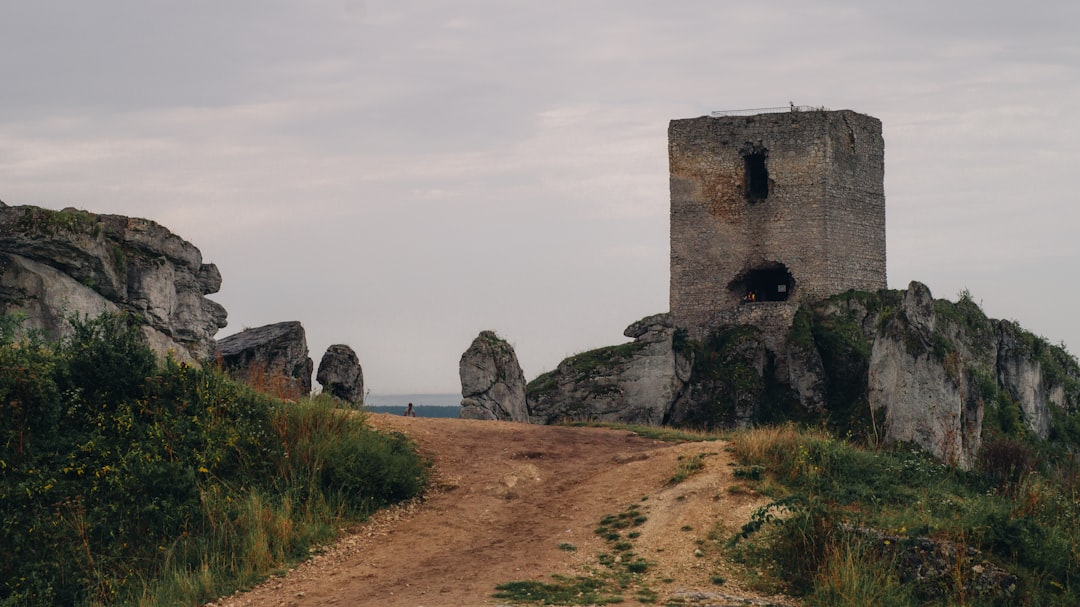
The human journey is not a straightforward path, but a labyrinth adorned with astonishing achievements and perplexing dead ends. For every civilization we meticulously chart, there are countless others that linger on the fringes of understanding, their stories fragmented, their purpose enigmatic. This section plunges into the very heart of these riddles, exploring what constitutes an “ancient puzzle” and, more importantly, the modern perspectives and tools we employ to piece together these fractured histories.
🤯 The Allure of the Unknown: What Defines an Ancient Puzzle?
An ancient puzzle isn’t merely something we don’t know; it’s a significant gap in our understanding, often accompanied by tantalizing, yet insufficient, clues. These are the phenomena that challenge our established timelines, defy conventional technological capabilities, or simply vanish without a trace. They demand more than casual inquiry; they call for rigorous investigation and a willingness to rethink fundamental assumptions about our past.
- ✅ Technological Anomalies: Structures or artifacts that appear to predate the known technological capacity of their creators. Think of the precise stonework at Puma Punku or the sophisticated astronomical alignments at Gobekli Tepe, which force us to reconsider the timeline for complex societal organization.
- ➡️ Undeciphered Communications: Scripts or symbols that have resisted all attempts at translation. The infamous Voynich Manuscript is a prime example, a beautifully illustrated book written in an unknown language, whose meaning remains a tantalizing mystery.
- 💡 Lost Civilizations & Sudden Collapses: Entire societies that seemingly vanished or suffered catastrophic, unexplainable declines. The perplexing collapse of the Classic Maya civilization in the southern lowlands, for instance, still fuels debate among scholars.
- ❓ Unexplained Megastructures & Geoglyphs: Massive constructions or large-scale ground drawings whose purpose or method of creation remains obscure. The Nazca Lines of Peru continue to captivate, leaving us to ponder their precise function.
These aren’t just curiosities; they are critical junctures that, if understood, could revolutionize our comprehension of humanity’s true historical trajectory.
🔬 Beyond the Shovel: Modern Tools for Unearthing Truths
Gone are the days when archaeology was solely about the pickaxe and brush. Today, solving ancient puzzles demands a sophisticated, multidisciplinary approach, leveraging cutting-edge technology and data science. The most profound breakthroughs often come from combining diverse scientific methodologies.
- ✅ Remote Sensing Technologies:
- LIDAR (Light Detection and Ranging): This revolutionary aerial mapping technique can peer through dense jungle canopy or desert sands to reveal hidden structures and entire urban landscapes. Projects utilizing LIDAR in the Mesoamerican Lowlands, for instance, have uncovered vast, previously unknown Maya cities, drastically altering our perception of their population density and scale.
- Ground-Penetrating Radar (GPR): Used to map subsurface features without excavation, providing invaluable insights into buried foundations, tombs, and ancient road networks. This non-invasive method is critical for initial surveys.
- Satellite Imagery & GIS (Geographic Information Systems): Allowing researchers to analyze vast swathes of land, identify subtle changes in vegetation or terrain indicative of buried sites, and map ancient settlement patterns on a grand scale. Platforms like Google Earth have even been used by citizen scientists to spot potential archaeological features.
- ➡️ Biomolecular Archaeology:
- Ancient DNA (aDNA) Analysis: Extracting and sequencing DNA from ancient human and animal remains has revolutionized our understanding of population migrations (e.g., tracing Viking expansion or the peopling of the Americas), disease patterns, and even dietary habits.
- Isotopic Analysis (e.g., Strontium, Oxygen, Carbon): By analyzing isotopes in teeth, bones, and artifacts, scientists can determine diet, climate, and geographical origin. This was famously used to trace the origins of the bluestones at Stonehenge, linking them to quarries in Wales.
- 💡 Computational Linguistics & AI: For undeciphered scripts, advanced computational methods are increasingly being applied to identify patterns, potential grammatical structures, and comparative lexical analysis, offering new hope for breakthroughs like the eventual decipherment of Linear B.
The non-obvious insight here is the power of interdisciplinary synergy. A linguist working with a computational scientist, an archaeologist with a geologist, or a geneticist with a cultural historian — this collaborative approach is the true engine of modern discovery.
🧠 The Cognitive Minefield: Navigating Bias & Pseudoscience
When dealing with ancient puzzles, the human mind’s tendency to fill gaps with speculation can be both a driving force for inquiry and a significant impediment to accurate understanding. A common mistake is falling prey to confirmation bias, where one seeks out and interprets evidence in a way that confirms pre-existing beliefs or theories, often sensational ones.
- ✅ Embrace Rigorous Skepticism: Healthy skepticism is not cynicism. It’s a commitment to the scientific method, demanding testable hypotheses and replicable results. Extraordinary claims require extraordinary evidence.
- ➡️ Understand Falsifiability: A truly scientific theory must be capable of being proven wrong. If a theory cannot be disproven, regardless of evidence, it operates outside the realm of science. Many pseudoscientific “lost world” theories fail this fundamental test.
- 💡 Ockham’s Razor: When faced with multiple explanations for a phenomenon, the simplest one that fits the evidence is usually the best. While ancient puzzles demand creative thinking, they don’t necessarily demand the most complex or outlandish solution.
Distinguishing genuine anomalies that demand new theoretical frameworks from mere misinterpretations or hoaxes is paramount. Always question the source, the methodology, and the potential biases of those proposing radical new narratives about our past.
⏳ Time’s Language: Interpreting Scarcity and Silence
One of the profound challenges of ancient puzzles is the scarcity of direct evidence. Often, we are left with fragments, whispers, or complete silence. The true artistry lies not just in finding clues, but in interpreting them within their historical and cultural context, while acknowledging the vast gulf of time and perspective.
- ✅ Context is King: A single artifact or structure makes little sense in isolation. Its meaning emerges when placed within its broader economic, social, religious, and environmental context. This is where comparative anthropology and ethnography can provide crucial, albeit analogous, insights.
- ➡️ Recognize “Known Unknowns”: Be comfortable with acknowledging what we don’t know. The most credible experts are often those who can articulate the limits of current knowledge and the questions that remain unanswered, rather than fabricating certainty.
- 💡 The Power of Negative Evidence: Sometimes, the absence of expected evidence can itself be a significant clue. For example, the lack of certain types of tools or waste products can suggest different production methods or cultural priorities than previously assumed.
Unearthing ancient puzzles is less about finding a single “aha!” moment and more about a continuous process of hypothesis, investigation, refinement, and respectful interpretation. It’s an ongoing dialogue with the deep past, where every unearthed fragment adds another word to a story we are still learning to read.
- Alternative History: Exploring What If Scenarios and Their Impact
- Alexander the Great and Aristotle: A Legacy of Mentorship and Conquest
- Geocentric Model: Ptolemy’s Earth-Centered Universe
- Ancient Mysteries: Unraveling the World’s Most Enduring Enigmas
This definitive guide serves as your compass through the annals of time, connecting you with the silent witnesses and profound narratives of our collective past. May it inspire you to look deeper, question further, and recognize that the greatest discoveries are often found where we least expect them.
Recommended Video
What are some examples of ‘lost worlds’?
Beyond mythical places like Atlantis, examples include the Indus Valley Civilization’s enigmatic cities, the Olmec civilization, and the undiscovered cities of the Khmer Empire.
How do historians and archaeologists uncover forgotten histories?
They use methods like systematic excavation, remote sensing (LiDAR, ground-penetrating radar), deciphering ancient languages, analyzing artifacts, and cross-referencing ancient texts and oral traditions.
Why are historical riddles important to study today?
Studying historical riddles helps us understand human ingenuity, societal collapse, environmental impacts, and cultural evolution, offering lessons for contemporary challenges and future resilience.
Are there still truly ‘unsolved’ historical mysteries?
Absolutely. Many historical events, technological feats, and disappearances, such as the fate of the Roanoke Colony or the purpose of Stonehenge, remain subjects of ongoing debate and research.