


NASA’s DART Mission: Protecting Earth from Asteroid Impacts
In the vast expanse of the cosmos, Earth orbits as a fragile blue marble, constantly susceptible to the unpredictable forces of the universe. Among the most significant of these potential threats are Near-Earth Objects (NEOs) – asteroids and comets whose paths bring them close to our planet. While large, civilization-ending impacts are rare, smaller, regional threats are a more frequent possibility, necessitating robust planetary defense strategies.
💡 Key Takeaways
- The DART mission successfully demonstrated kinetic impact as a viable asteroid deflection strategy.
- DART targeted Dimorphos, a small moonlet orbiting the larger asteroid Didymos, proving the concept on a real celestial body.
- This mission represents humanity’s first full-scale planetary defense test, significantly advancing our protective capabilities.
- Data from DART will inform future strategies for safeguarding Earth from potentially hazardous asteroids.
“DART isn’t just about nudging a rock; it’s about shifting our perception of cosmic threats. It moves planetary defense from the realm of science fiction into tangible, actionable science, proving we’re not just passive observers in the universe.”
— Astrid Bellweather, Astrophysicist & Science Fiction Consultant
Enter the DART mission, NASA’s groundbreaking test of kinetic impactor technology, designed to prove that humanity has the capability to defend itself against a potential asteroid threat. This article delves into the mission’s objectives, execution, and the pivotal role it plays in securing our planet’s future, aligning perfectly with the overarching themes explored in Cosmic Queries: Probing the Mysteries of the Universe.
In This Article
- → NASA’s DART Mission: Protecting Earth from Asteroid Impacts
- — 💡 Key Takeaways
- → Threat from the Cosmos: Why Asteroid Defense Matters
- → Introducing the DART Mission: Earth’s Planetary Defense Test
- — 🎯 The Kinetic Impactor Concept
- → ⚙️ How DART Worked: Precision and Purpose
- — Navigating to the Target
- — Witnessing the `DART Mission Impact`
- → The Impact and Its Aftermath: Dimorphos’s New Orbit
- — Confirmed Orbital Change
- → Beyond DART: The Future of Planetary Defense
- — Lessons Learned
- — Continued Vigilance
- — 📈 Relevance for Competitive Exams: DART Mission UPSC
- → Conclusion
Threat from the Cosmos: Why Asteroid Defense Matters
For billions of years, asteroids have shaped the destiny of planets, including our own. Evidence of past impacts is etched across the Moon’s surface and found in craters dotting Earth’s continents. The Chicxulub impact, responsible for the extinction of the dinosaurs, serves as a stark reminder of the catastrophic power these celestial bodies wield.
- ✅ Historical Precedent: Past impacts have dramatically altered life on Earth.
- ✅ Ongoing Discovery: Thousands of NEOs are discovered annually, highlighting the dynamic nature of our cosmic neighborhood.
- ✅ Preparedness: While the probability of a significant impact is low, the consequences are so severe that proactive defense is critical.
Understanding these threats is the first step towards mitigating them. For a deeper dive into how space agencies track and categorize these objects, explore our detailed resource on NASA Asteroid Strategy: Defending Earth.
Introducing the DART Mission: Earth’s Planetary Defense Test
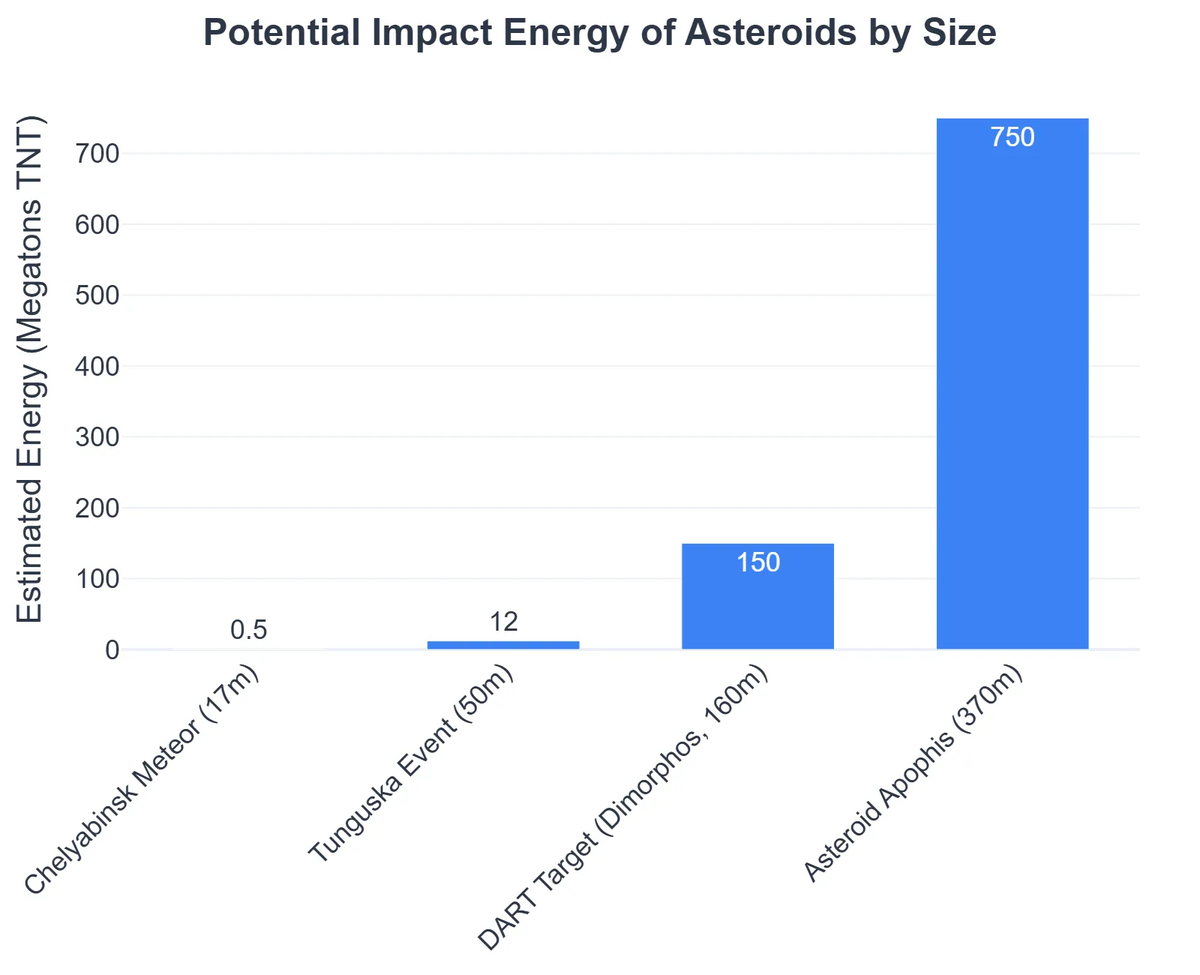
The Double Asteroid Redirection Test (DART) mission, spearheaded by NASA, was not merely a scientific endeavor; it was humanity’s first full-scale demonstration of asteroid deflection technology. Launched in November 2021, the primary objective of this specific `dart nasa mission` was to validate the kinetic impactor method.
🎯 The Kinetic Impactor Concept
The kinetic impactor strategy involves sending a spacecraft directly into a hazardous asteroid to alter its trajectory. It’s akin to a billiard ball hitting another, transferring momentum to slightly change the target’s speed and path over time. For the `DART mission asteroid` target, this tiny alteration would, over months and years, accumulate into a significant change in orbit, ensuring it misses Earth.
- ➡️ Target Selection: DART’s target was Dimorphos, a small moonlet (approx. 160 meters in diameter) orbiting a larger asteroid named Didymos (approx. 780 meters). This binary system was ideal because the change in Dimorphos’s orbit around Didymos could be easily observed and measured from Earth.
- ➡️ No Threat to Earth: Crucially, neither Didymos nor Dimorphos posed any threat to Earth before or after the impact. This was a controlled experiment to test a vital defense mechanism.
⚙️ How DART Worked: Precision and Purpose
The DART spacecraft was a relatively small, cube-shaped probe, equipped with sophisticated navigation and imaging systems to ensure its precise trajectory towards Dimorphos.
Navigating to the Target
DART utilized a sophisticated autonomous navigation system, SMART Nav, which allowed it to identify and lock onto Dimorphos in the final hours before impact, guiding itself with unprecedented accuracy. This autonomy was vital given the vast distances and the impossibility of real-time human control.
Witnessing the `DART Mission Impact`
A crucial component of the `the dart mission` was LICIACube (Light Italian CubeSat for Imaging of Asteroids), a small Italian Space Agency CubeSat that deployed from DART roughly 15 days before impact. LICIACube flew past Dimorphos just minutes after DART’s collision, capturing vital images of the impact’s immediate aftermath and the ejected material (ejecta plume).
This provided invaluable data, allowing scientists to study the effects of the impact and better understand the asteroid’s composition and how it responded to the kinetic force.
The Impact and Its Aftermath: Dimorphos’s New Orbit
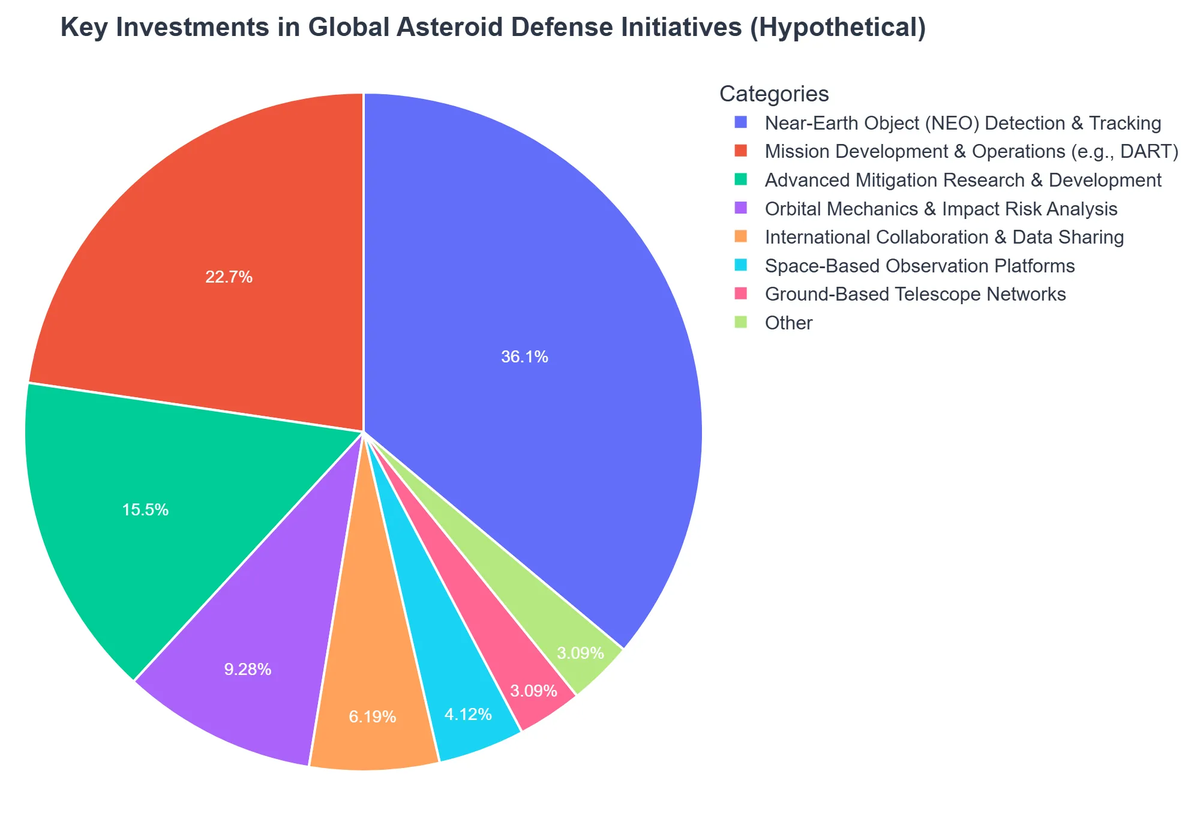
On September 26, 2022, after a journey of nearly 10 months, the `NASA DART mission` successfully collided with Dimorphos at approximately 22,500 kilometers per hour (14,000 mph). The impact was witnessed by ground-based telescopes and space-based observatories around the world, creating a spectacular display of ejecta.
Confirmed Orbital Change
The ultimate success of the mission hinged on whether DART could actually alter Dimorphos’s orbit around Didymos. NASA scientists meticulously observed the binary system using telescopes, measuring the period of Dimorphos’s orbit before and after the impact.
NASA’s DART Mission: An Objective Review
Pros
- ✔Successfully demonstrated kinetic impact as a viable planetary defense method.
- ✔Provided invaluable real-world data for future asteroid deflection strategies.
- ✔Increased scientific understanding of asteroid physical properties and orbital mechanics.
- ✔Enhanced global collaboration in asteroid threat mitigation efforts.
Cons
- ✖Effectiveness against larger or different asteroid types is still unknown.
- ✖High cost for a single, proof-of-concept mission.
- ✖Does not address all potential threats (e.g., short-warning or cometary impacts).
- ✖Risk of unintended orbital changes or fragmentation (though minimized for this test).
The results were conclusive: NASA confirmed that the DART mission impact successfully changed Dimorphos’s orbital period around Didymos by 32 minutes, reducing it from 11 hours and 55 minutes to 11 hours and 23 minutes. This far exceeded the minimum successful orbital period change of 73 seconds that NASA had defined for the test. This remarkable achievement marked a historic milestone for planetary defense. Data collected by the Johns Hopkins Applied Physics Laboratory (JHUAPL), which managed the mission for NASA, was crucial in this confirmation. Their rapid analysis of the impact event provided immediate validation of the strike.
This outcome demonstrated the kinetic impactor technique as a viable method for asteroid deflection, offering a critical tool in Earth’s planetary defense toolkit.
Beyond DART: The Future of Planetary Defense
The DART mission was just one piece of a much larger puzzle in Earth’s long-term planetary defense strategy. Its success has paved the way for future missions and enhanced preparedness.
Lessons Learned
The data from DART is invaluable. Scientists are analyzing the properties of Dimorphos, the dynamics of the impact, and the behavior of the ejected material. This information will refine models for future deflection missions, helping to determine the optimal size, speed, and approach for a kinetic impactor based on an asteroid’s specific characteristics.
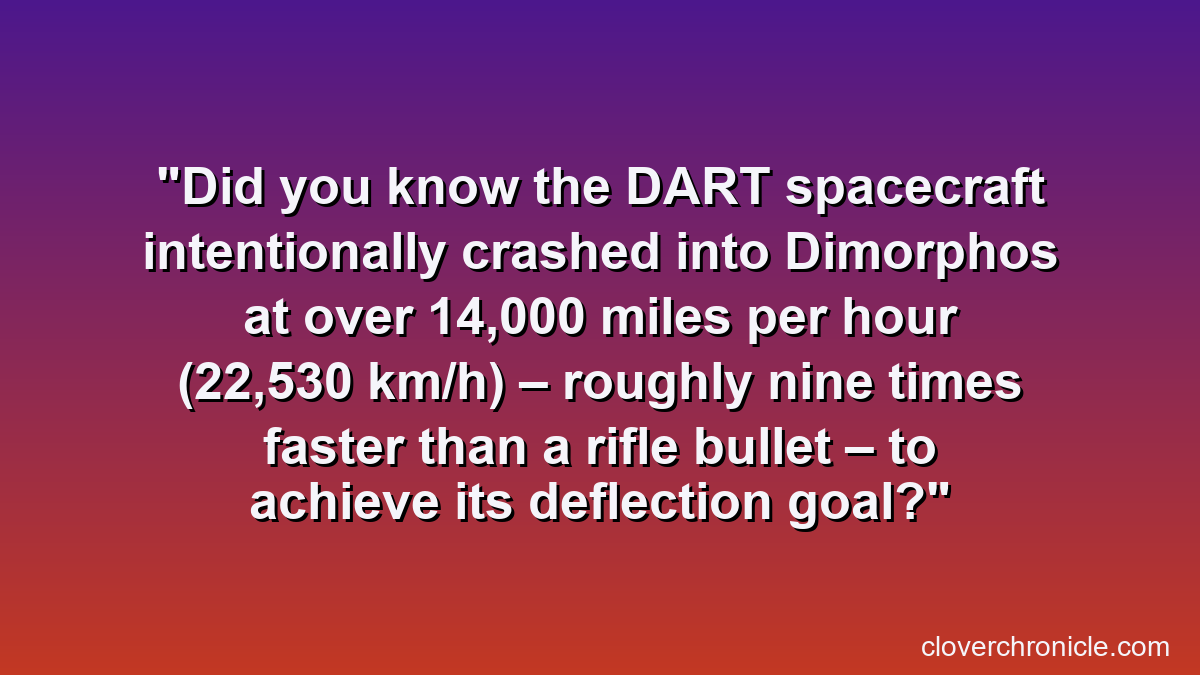
- 💡 Asteroid Characterization: Understanding asteroid composition and structure is key to predicting impact effects. Missions like NASA OSIRIS-REx: Asteroid Sample Return Mission contribute significantly to this knowledge base.
- 💡 International Collaboration: Planetary defense is a global effort, requiring international cooperation in asteroid detection, tracking, and mitigation strategies.
Continued Vigilance
While DART proved the concept, continuous efforts in asteroid detection and tracking remain paramount. Telescopes on Earth and in space are constantly scanning the skies, cataloging NEOs and refining their orbits. Early detection is the most critical element of any deflection strategy, as it provides the necessary lead time for a mission to be planned and executed effectively.
For more on the broader context of NASA’s exploratory and defensive missions, consider reading about NASA Missions: From Earth Orbit to Deep Space and Defending Earth: The Critical Role of Asteroid Missions.
📈 Relevance for Competitive Exams: DART Mission UPSC
For students and aspirants preparing for competitive examinations such as the `UPSC` civil services exam, the `DART mission` is a highly relevant topic. It falls under science and technology, space, and international relations. Key aspects to focus on include:
- Mission Objective and Technology: Understanding the kinetic impactor method.
- Significance: Its role as the first planetary defense test.
- Key Players: NASA, JHUAPL, Italian Space Agency (LICIACube).
- Implications: Future of planetary defense and international cooperation.
Understanding such landmark missions is crucial for a comprehensive grasp of current affairs and scientific advancements. Similarly, the Artemis Mission: Essential Insights for Competitive Exams also offers valuable insights for exam preparation.
Recommended Video
Conclusion
The successful completion of the DART mission represents a pivotal moment in human history. It shifted humanity from merely identifying potential cosmic threats to actively demonstrating a capability to mitigate them. While the universe continues to hold countless mysteries and challenges, DART has equipped us with a vital piece of the puzzle for protecting our home planet.
This pioneering `dart mission nasa` effort underscores the power of scientific innovation and international collaboration in safeguarding Earth, reaffirming humanity’s growing capacity to navigate the cosmos not just as observers, but as active participants in our own destiny.
Frequently Asked Questions
Which asteroid did DART impact, and what was the outcome?
DART impacted Dimorphos, the moonlet of the asteroid Didymos. The impact successfully altered Dimorphos’s orbital period around Didymos, proving the effectiveness of the kinetic impact technique.
How does DART contribute to planetary defense?
DART is humanity’s first full-scale planetary defense test mission. It provided crucial data and validated a key asteroid deflection strategy, significantly enhancing our readiness to protect Earth from future asteroid threats.
Are there follow-up missions planned after DART?
Yes, the European Space Agency’s Hera mission will conduct a detailed post-impact survey of Dimorphos and Didymos to further study the impact’s effects and gather more data.