


Understanding the intricate tapestry of life on Earth is one of humanity’s oldest and most profound quests. From the smallest microbe to the grandest whale, every living thing tells a story of adaptation, survival, and change. And when it comes to illustrating this epic narrative, few organizations rival the British Broadcasting Corporation (BBC).
💡 Key Takeaways
- The BBC pioneered accessible evolutionary science through television, making complex concepts understandable.
- Evolutionary documentaries evolved significantly alongside scientific discoveries and advancements in filming technology.
- Iconic series and presenters like Sir David Attenborough profoundly shaped global public understanding of life’s history.
- BBC’s approach blends rigorous scientific accuracy with captivating storytelling to educate and inspire audiences worldwide.
“The BBC’s evolutionary documentaries are more than just films; they’re a living archive of how our understanding of life itself has evolved, beautifully illustrating the intricate dance of genes and environment across epochs.”
— Julian Aris, Evolutionary Biologist & Geneticist
The BBC has long been a global leader in natural history filmmaking, captivating audiences with breathtaking visuals and compelling scientific narratives. For anyone eager to explore the compelling journey of life, its collection of evolution documentaries serves as an indispensable resource. This guide will walk you through the BBC’s most impactful contributions to understanding genetics, natural selection, and our place in the grand evolutionary saga.
In This Article
- — 💡 Key Takeaways
- → The BBC’s Legacy in Evolution Storytelling
- — ✅ A Commitment toBBC Scienceand Nature
- — 📽️ Pioneering Visuals and Narrative
- → Iconic BBC Documentaries That Illuminate Evolution
- → Why BBC Documentaries Stand Out
- — 🔬 Unparalleled Research and Expertise
- — 📸 Breathtaking Cinematography and Innovation
- — 🗣️ Engaging Storytelling and Accessibility
- → How to Access BBC Evolution Documentaries
- — 📺 Streaming onBBC iPlayer
- — 🌐 ExploringBBC EarthOnline
- — 💿 Other Platforms and DVD Collections
- → Beyond the Screen: Deeper Dives into Evolution and Genetics
- → Conclusion
The BBC’s Legacy in Evolution Storytelling
For decades, the BBC has set the gold standard for science and nature programming. Its commitment to meticulous research, cutting-edge technology, and unparalleled storytelling has made complex scientific concepts accessible and engaging for millions.
✅ A Commitment to BBC Science and Nature
The BBC’s dedication to science education is deeply embedded in its DNA. Through its various departments, particularly the Natural History Unit, it has consistently produced content that not only entertains but also enlightens. This steadfast commitment has positioned the BBC as a trusted authority, bringing the wonders of the natural world and the principles of evolution directly into our homes.
📽️ Pioneering Visuals and Narrative
From the pioneering days of early wildlife filming to the stunning high-definition epics of today, the BBC has pushed the boundaries of documentary filmmaking. This innovation isn’t just about pretty pictures; it’s about capturing evolutionary processes in action, revealing behaviors, and showcasing biodiversity in ways previously unimaginable. The narrative often skillfully weaves in concepts like natural selection, adaptation, and speciation, even when not explicitly naming them as the central theme.
Iconic BBC Documentaries That Illuminate Evolution

While few series are titled “Evolution” directly, many of the BBC’s most famous natural history productions profoundly illustrate evolutionary principles through observation and scientific explanation. They showcase how life adapts, diversifies, and thrives under various environmental pressures.
- ➡️ Planet Earth Series (I, II, III): While primarily a showcase of global biodiversity, Planet Earth brilliantly illustrates ecological niches, predator-prey relationships, and the vast array of adaptations that have arisen through evolution. It provides a stunning visual argument for the diversity driven by natural selection.
- ➡️ The Life Series: This comprehensive series, narrated by David Attenborough, meticulously explores the different groups of living organisms (mammals, birds, fish, plants, etc.), highlighting their unique evolutionary journeys and the incredible adaptations that define each lineage.
- ➡️ Blue Planet Series (I, II): Diving deep into the ocean’s mysteries, Blue Planet reveals the fascinating evolutionary paths taken by marine life. From deep-sea creatures adapting to extreme pressures to coral reefs teeming with life, it’s a testament to the power of adaptation.
- ➡️ Walking with Dinosaurs: Perhaps one of the most direct explorations of ancient evolution, this groundbreaking series uses CGI to bring prehistoric life to vivid reality. It explores the lives, behaviors, and eventual extinction events that shaped the early evolutionary history of Earth.
- ➡️ Human Planet: This series focuses on the intricate and diverse relationship between humans and nature. While not solely about biological evolution, it subtly touches upon human adaptation and ingenuity as a form of cultural and behavioral evolution in response to varying environments.
For a broader collection of critically acclaimed BBC documentaries across various subjects, including history and science, you can often find curated lists and reviews on reputable platforms like IMDb’s BBC Documentaries list.
Why BBC Documentaries Stand Out
The BBC’s global reputation in documentary filmmaking isn’t accidental. It’s built on a foundation of excellence and a deep understanding of what makes compelling science communication.
🔬 Unparalleled Research and Expertise
Every BBC documentary is backed by extensive scientific research. The teams work closely with leading biologists, paleontologists, geneticists, and environmental scientists to ensure accuracy and relevance. This rigorous approach means that while you’re being entertained, you’re also absorbing factual, up-to-date scientific information.
📸 Breathtaking Cinematography and Innovation
BBC Earth is synonymous with stunning visuals. From micro-lenses capturing the intricate details of insect life to drones providing sweeping vistas of global ecosystems, the BBC continually invests in technology to bring the natural world closer to the viewer. This visual mastery makes the often-invisible processes of evolution tangible and awe-inspiring.
BBC’s Evolution Documentaries: A Balanced Review
Pros
- ✔High scientific accuracy and credibility, often featuring leading experts.
- ✔Stunning visual effects, cinematography, and overall production quality.
- ✔Accessible and engaging explanation of complex evolutionary concepts for a broad audience.
- ✔Broad coverage across diverse aspects of evolutionary biology and natural history.
Cons
- ✖Potential for oversimplification of nuanced scientific debates for general appeal.
- ✖Occasional use of dramatic storytelling or anthropomorphism.
- ✖Some series might suffer from pacing issues or repetition in longer formats.
- ✖May lack the in-depth detail required for advanced academic or specialized study.
🗣️ Engaging Storytelling and Accessibility
The BBC excels at transforming complex scientific concepts into captivating narratives. Narrators like Sir David Attenborough have become global icons, their voices guiding generations through the wonders of nature with clarity, passion, and profound insight. This focus on engaging storytelling ensures that viewers of all ages and backgrounds can grasp the fundamental principles of life’s evolution.
How to Access BBC Evolution Documentaries
With the rise of digital platforms, accessing these incredible resources has never been easier.
📺 Streaming on BBC iPlayer
For viewers in the UK, BBC iPlayer is the primary hub for catching up on a vast library of BBC content, including many of its natural history and science documentaries. Availability varies, but it’s often the first place to look for recent series or older classics that are being re-aired.
🌐 Exploring BBC Earth Online
The BBC Earth website is an invaluable global resource. It features clips, behind-the-scenes content, articles, and sometimes full episodes of key series. It’s an excellent destination for those wanting to dive deeper into specific topics or explore content available in their region.
💿 Other Platforms and DVD Collections
Many BBC documentaries are also available on various international streaming services (like Netflix, Hulu, or Discovery+), often depending on regional licensing agreements. Additionally, the DVD and Blu-ray collections of popular series are widely available, offering a timeless way to own and revisit these masterpieces.
Beyond the Screen: Deeper Dives into Evolution and Genetics
The visual spectacle of BBC documentaries often ignites a deeper curiosity about the underlying science of life. To truly grasp the intricate dance of life, from its microscopic origins to its macroscopic manifestations, delve into our comprehensive pillar guide on The Code of Life: Decoding Genetics, Evolution, and Existence.
Understanding life’s building blocks, such as Nucleic Acids Explained: A Comprehensive Guide to DNA and RNA, provides a deeper context for the diversity you see in these documentaries. Similarly, the intricate mechanisms of genetic modification, like those involving the PAM Sequence in CRISPR: A Key to Precision Editing, showcase the ongoing evolution of scientific understanding and our ability to interact with the “code of life” itself.
These documentaries are more than just entertainment; they are gateways to a profound understanding of our world and ourselves. They offer a unique opportunity to witness the astonishing results of billions of years of evolution.

Recommended Video
Conclusion
The BBC’s contribution to understanding evolution and the natural world is unparalleled. Through its stunning visuals, rigorous scientific backing, and captivating narratives, it has made the complex story of life’s development accessible and inspiring to a global audience. Whether you’re a seasoned biologist or a curious beginner, immersing yourself in these masterpieces offers not just knowledge but a profound appreciation for the miraculous journey of life on Earth. So, settle in, explore the vast BBC archive, and let the incredible story of evolution unfold before your eyes.
Frequently Asked Questions
Who are key figures in BBC evolutionary documentaries?
Sir David Attenborough is arguably the most renowned figure, having presented numerous seminal series. Beyond him, countless dedicated producers, directors, and scientific advisors have shaped these iconic productions.
How have BBC evolutionary documentaries changed over time?
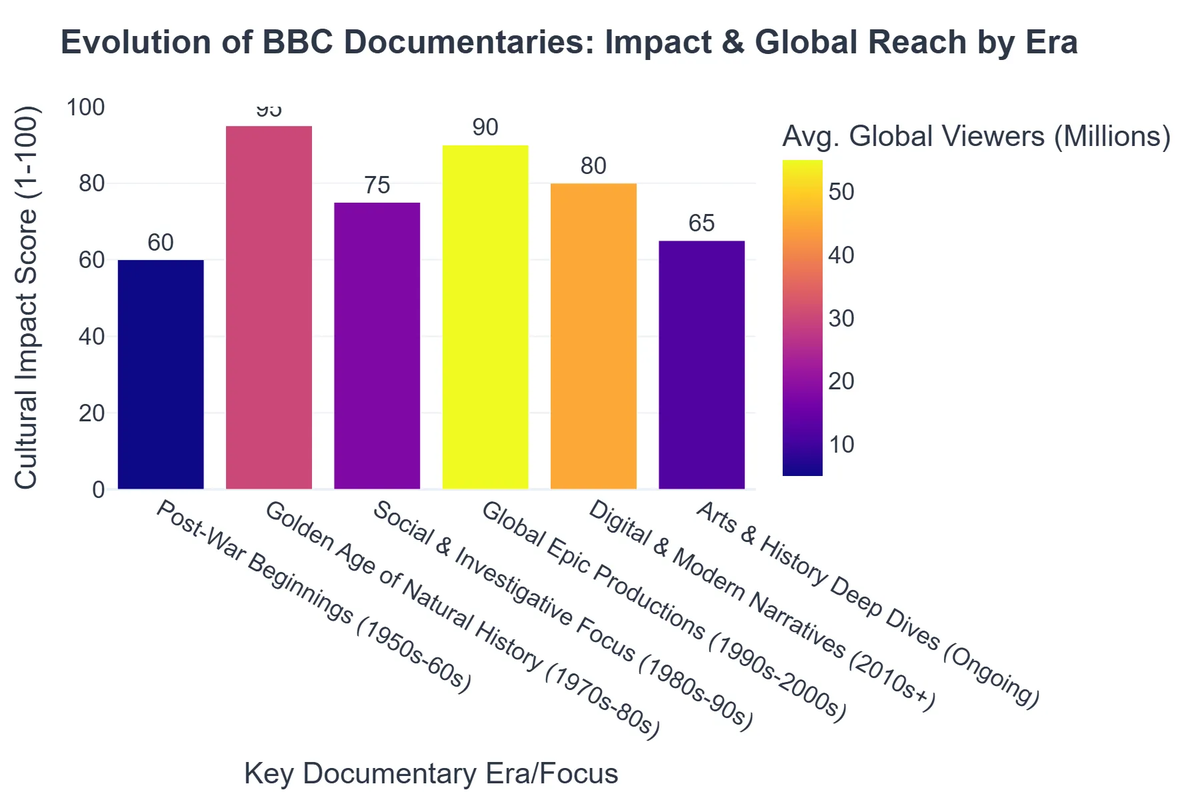
They have evolved from foundational natural history series focusing on species and ecosystems to more intricate explorations of genetics, human evolution, and the impacts of climate change, mirroring scientific advancements and global concerns.
What is the impact of BBC’s evolutionary documentaries?
These documentaries have profoundly educated and inspired global audiences, fostering a deeper appreciation for biodiversity, natural selection, and the interconnectedness of all life, while also influencing environmental awareness.