

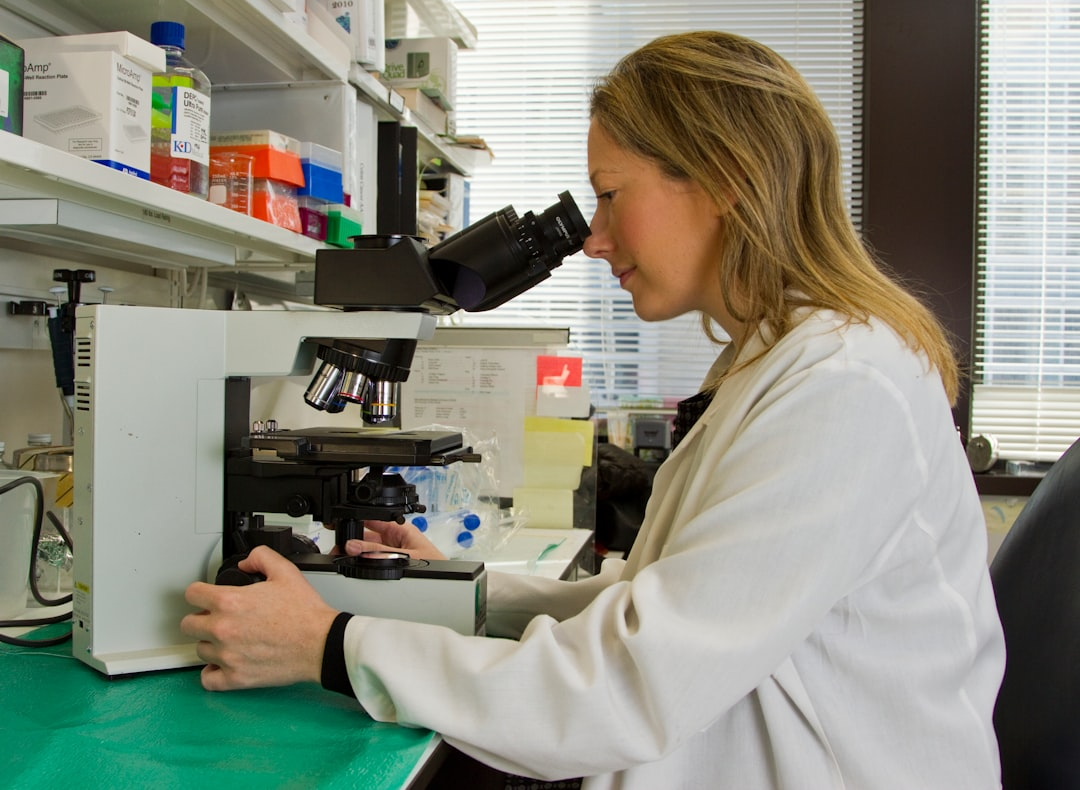
In the grand tapestry of existence, life itself is woven from an intricate code: DNA. For millennia, this code remained largely unreadable, its secrets locked within the nucleus of every cell. But humanity’s relentless curiosity, coupled with groundbreaking scientific advancements, has ushered in a new era – one where we can not only read, but actively rewrite the very instructions that govern life. Welcome to the world of genetic engineering.
💡 Key Takeaways
- Genetic engineering manipulates DNA to alter organisms, offering solutions for diseases and agriculture.
- CRISPR-Cas9 is a revolutionary tool enabling precise, efficient gene editing.
- The technology presents significant ethical considerations, including designer babies and ecological impacts.
- Future applications range from curing genetic disorders to enhancing crop resilience and understanding evolution.
“Genetic engineering isn’t just about tweaking genes; it’s about understanding the deep evolutionary dance that has shaped life for billions of years, and now, potentially, guiding its next steps.”
— Julian Aris, Evolutionary Biologist & Geneticist
This powerful scientific discipline stands at the forefront of biological innovation, offering unprecedented opportunities to understand, heal, and even enhance living organisms. From curing debilitating diseases to developing more resilient crops, the potential applications are vast and transformative. As we delve into the core principles and cutting-edge technologies that define this field, we invite you to explore how science is quite literally reshaping life’s code.
For a comprehensive understanding of the foundational concepts that underpin this revolution, we highly recommend exploring our pillar guide on The Code of Life: Decoding Genetics, Evolution, and Existence.
In This Article
- — 💡 Key Takeaways
- → What is Genetic Engineering? Unraveling the Basics
- — 🧬 The Blueprint of Life: DNA
- — ⚙️ How Genetic Engineering Works
- → The Rise of Gene Editing Technologies
- — 🎯 CRISPR: The Revolutionary Tool
- — Other Key Gene Editing Methods
- → Transformative Applications of Genetic Engineering
- — 🩺 In Medicine and Healthcare
- — 🌾 Enhancing Agriculture and Food Security
- — 🧪 Industrial Biotechnology and Bioengineering
- → Ethical Considerations and Societal Impact
- — 🤔 The Moral Compass: Debates and Dilemmas
- — ⚖️ Regulation and Governance
- → The Future of Reshaping Life’s Code
- — 🌐 Emerging Frontiers
- — Challenges and Opportunities
- → Conclusion
What is Genetic Engineering? Unraveling the Basics
At its heart, genetic engineering is the direct manipulation of an organism’s genes. Unlike traditional breeding methods, which rely on selective reproduction over generations, genetic engineering allows scientists to precisely add, remove, or modify specific genes within an organism’s DNA.
🧬 The Blueprint of Life: DNA
To grasp genetic engineering, it’s essential to understand its fundamental target: DNA (Deoxyribonucleic Acid). DNA is the instruction manual for building and operating an organism. It’s composed of a sequence of chemical ‘letters’ (nucleotides) that form genes. Each gene carries the instructions for making a specific protein, and proteins are the workhorses that perform most of the functions in a cell.
- ✅ DNA: The molecule that carries genetic information.
- ➡️ Genes: Specific segments of DNA that contain instructions for traits or functions.
- 💡 Proteins: Molecules built according to gene instructions, performing vital cellular tasks.
⚙️ How Genetic Engineering Works
The process generally involves several key steps, regardless of the specific technology used:
- Identify the Target Gene: Scientists pinpoint the specific gene (or genes) they want to modify, add, or remove. This could be a gene responsible for a disease, a beneficial trait, or even a foreign gene from another organism.
- Isolate and Manipulate: The identified gene is then isolated from its original source. Using enzymes and other molecular tools, scientists can cut, paste, or synthesize DNA sequences.
- Insert into a Vector: The modified gene is often inserted into a ‘vector,’ such as a harmless virus or a bacterial plasmid. Vectors act as delivery vehicles, carrying the new genetic material into the target cells.
- Transform Target Cells: The vector delivers the new gene into the cells of the organism. Not all cells will successfully incorporate the new DNA, so methods are used to select the ‘transformed’ cells.
- Regenerate and Verify: For multicellular organisms, these modified cells are then grown into a complete organism. Verification steps ensure the gene has been successfully integrated and is functioning as intended.
The Rise of Gene Editing Technologies

While genetic engineering has existed for decades, the advent of sophisticated gene editing technologies has revolutionized the field, enabling unprecedented precision and efficiency.
🎯 CRISPR: The Revolutionary Tool
No discussion of modern genetic engineering is complete without mentioning CRISPR (Clustered Regularly Interspaced Short Palindromic Repeats). This revolutionary gene-editing system, adapted from a natural bacterial defense mechanism, has transformed biological research and therapeutic development.
- ✅ Precision: CRISPR-Cas9 (the most common version) acts like molecular scissors, guided by an RNA molecule to a specific DNA sequence, where it makes a precise cut.
- ➡️ Efficiency: It’s significantly faster and more cost-effective than previous gene-editing methods.
- 💡 Versatility: CRISPR can be used to knock out genes, insert new ones, or even modify gene expression without changing the DNA sequence itself.
For a detailed exploration of this groundbreaking technology, explore our article on CRISPR DNA Editing: Revolutionizing Gene Therapy.
Other Key Gene Editing Methods
Before CRISPR, other important gene-editing tools paved the way:
- Zinc Finger Nucleases (ZFNs): These are artificial restriction enzymes that can cleave DNA at specific sites. They combine a DNA-binding domain (zinc finger) with a DNA-cutting domain (nuclease).
- TAL Effector Nucleases (TALENs): Similar to ZFNs, TALENs also fuse a DNA-binding domain (derived from plant pathogens) with a nuclease. They offer greater modularity in targeting specific DNA sequences.
While highly effective, ZFNs and TALENs were more complex and expensive to design and implement compared to CRISPR, which is why CRISPR has largely become the preferred tool for many applications.
Transformative Applications of Genetic Engineering
The reach of genetic engineering extends across virtually every domain of life science, promising solutions to some of humanity’s most pressing challenges.
🩺 In Medicine and Healthcare
The medical potential of genetic engineering is profound, offering new avenues for treating and preventing diseases.
- Gene Therapy: Replacing faulty genes with healthy ones to treat genetic disorders like cystic fibrosis, sickle cell anemia, and certain forms of blindness.
- Drug Production: Genetically engineered bacteria and yeast are used to produce vital medicines, such as insulin for diabetes patients, growth hormones, and various vaccines.
- Disease Resistance: Developing gene therapies to make individuals less susceptible to infections, or even modifying immune cells to better fight cancer (e.g., CAR T-cell therapy).
🌾 Enhancing Agriculture and Food Security
Genetic engineering in agriculture aims to improve crop yields, nutritional value, and resistance to environmental stressors, contributing significantly to global food security.
- Pest and Disease Resistance: Engineering crops to inherently resist common pests (e.g., Bt corn) or viral infections, reducing the need for chemical pesticides.
- Nutritional Enhancement: Developing “biofortified” crops, such as Golden Rice, engineered to produce beta-carotene (a precursor to Vitamin A) to combat malnutrition.
- Stress Tolerance: Creating crops that can withstand harsh conditions like drought, salinity, or extreme temperatures, expanding arable land.
Learn more about how gene editing is revolutionizing food production in our article on CRISPR and Food: Shaping the Future of Agriculture.
🧪 Industrial Biotechnology and Bioengineering
Beyond medicine and agriculture, genetic engineering plays a crucial role in industrial processes, leading to more sustainable and efficient production methods.
- Biofuels: Engineering microbes to produce biofuels like ethanol from biomass more efficiently.
- Bioremediation: Developing microorganisms capable of breaking down pollutants in the environment, such as oil spills or toxic waste.
- Material Production: Creating novel biomaterials, like spider silk proteins produced by engineered bacteria, for industrial applications.
For a deeper dive into how laboratory innovations translate into large-scale production, read our guide on Biotechnology and Bioprocess Engineering: From Lab to Production.
Ethical Considerations and Societal Impact
The power to reshape life’s code comes with profound ethical responsibilities and societal implications that warrant careful consideration and open dialogue.
🤔 The Moral Compass: Debates and Dilemmas
The field of genetics ethics grapples with complex questions that touch upon our fundamental understanding of life, identity, and fairness.
- ✅ Germline Editing: Modifying genes in eggs, sperm, or embryos, meaning the changes would be heritable by future generations. This raises significant concerns about unintended consequences and the concept of “designer babies.”
- ➡️ Equity and Access: Who will benefit from these advanced therapies? There’s a risk that expensive treatments could exacerbate existing health disparities, creating a divide between those who can afford genetic enhancements and those who cannot.
- 💡 Unintended Consequences: The complexity of genetic networks means that altering one gene might have unforeseen effects on others or on the ecosystem.
The philosophical and ethical issues surrounding this technology have been debated for decades, as explored in works like Reshaping Life: Key Issues in Genetic Engineering.
⚖️ Regulation and Governance
Addressing these ethical dilemmas requires robust regulatory frameworks and international cooperation. Different countries have varying stances on the permissibility of certain genetic engineering applications, particularly germline editing.
- National Guidelines: Many nations have established committees and regulatory bodies to oversee research and clinical applications.
- International Dialogue: Efforts are underway to foster global consensus on ethical boundaries and responsible innovation.
- Public Engagement: Educating the public and involving diverse stakeholders in discussions is crucial for building trust and shaping responsible policies.
Understanding the ethical implications is paramount for the responsible advancement of fields like Cloning Explained: Science, Ethics & The Future, which shares similar moral quandaries.
The Future of Reshaping Life’s Code
The pace of innovation in genetic engineering shows no signs of slowing. As technologies become more precise and accessible, the future holds both incredible promise and daunting challenges.
🌐 Emerging Frontiers
New applications and research directions are continuously pushing the boundaries of what’s possible.
- Precision Medicine: Tailoring treatments based on an individual’s unique genetic makeup.
- Gene Drives: A genetic engineering technology that biases the inheritance of specific genes to spread them rapidly through a population, with potential applications for controlling disease vectors like mosquitoes.
- Synthetic Biology: Designing and building new biological parts, devices, and systems, or redesigning existing natural biological systems for useful purposes. This includes the creation of entirely new organisms or biological functions. As highlighted by Tech4Future’s insights, synthetic biology is truly the next frontier of programmable life.
- De-extinction: Using genetic engineering to bring back extinct species, like the Woolly Mammoth, raising both scientific and ecological questions.
Challenges and Opportunities
The path forward for genetic engineering is paved with both immense opportunities and significant hurdles.
- Technological Refinement: Improving the accuracy, efficiency, and delivery methods of gene-editing tools remains an active area of research.
- Accessibility: Ensuring that the benefits of genetic technologies are available globally, not just to a privileged few.
- Public Acceptance: Navigating public perception, which often swings between optimism for cures and fear of unintended consequences, is vital for widespread adoption.
Recommended Video
Conclusion
Genetic engineering is more than just a scientific discipline; it is a profound testament to humanity’s capacity to understand and interact with the fundamental building blocks of life. From the foundational discovery of DNA to the groundbreaking precision of gene-editing tools like CRISPR, we have embarked on a journey to reshape the very code that defines us and the world around us.
The implications of this journey are immense, offering unparalleled hope for treating diseases, enhancing agriculture, and developing sustainable industrial solutions. Yet, with this extraordinary power comes an equally significant responsibility to navigate the complex ethical landscapes and societal impacts with wisdom, foresight, and a commitment to equitable access.
As we continue to decode and rewrite life’s instructions, genetic engineering stands as a beacon of innovation, challenging us to consider not just what is possible, but what is responsible, as we collectively author the next chapter in the story of life.
Frequently Asked Questions
What is genetic engineering?
Genetic engineering is the direct manipulation of an organism’s genes using biotechnology. It involves altering the DNA to change the characteristics of an organism.
How does CRISPR work?
CRISPR (Clustered Regularly Interspaced Short Palindromic Repeats) is a gene-editing tool that allows scientists to precisely target and modify specific DNA sequences, acting like molecular scissors.
What are the main ethical concerns with genetic engineering?
Key ethical concerns include the potential for unintended consequences, implications for human germline editing (designer babies), equitable access to therapies, and impacts on biodiversity.
What are some real-world applications of genetic engineering?
Applications include developing disease-resistant crops, producing insulin and other medicines, gene therapy for genetic disorders, and even creating new diagnostic tools.