


NASA Wallops Flight Facility: A Launchpad for Space
When we envision NASA, grand images of Kennedy Space Center or Johnson Space Center often come to mind. Yet, tucked away on Virginia’s Eastern Shore lies a powerhouse of innovation and a critical hub for space exploration: the NASA Wallops Flight Facility. This unique site plays an indispensable role in advancing our understanding of Earth, space, and beyond, serving as a versatile launchpad for a diverse array of missions.
💡 Key Takeaways
- Wallops is a unique NASA facility supporting diverse missions from suborbital research to orbital launches.
- Its strategic location on the Eastern Shore provides an ideal launch corridor for various payloads.
- Beyond rockets, Wallops conducts vital Earth science research and aerospace technology development.
- It plays a significant role in international space efforts, including resupply missions to the International Space Station.
“Wallops isn’t just a launchpad; it’s a testament to humanity’s unyielding curiosity, where the tangible physics of rocketry meets the boundless imagination of our future among the stars.”
— Astrid Bellweather, Astrophysicist & Science Fiction Consultant
Wallops is more than just a launch site; it’s a dynamic research center, a testing ground for cutting-edge aerospace technology, and a vital component of the nation’s space infrastructure. It’s a prime example of a dedicated nasa launch facility that consistently pushes the boundaries of what’s possible in the cosmos.
In This Article
- → NASA Wallops Flight Facility: A Launchpad for Space
- — 💡 Key Takeaways
- → 🚀 The Unique Role of Wallops in Space Exploration
- — ✅ Versatility in Launch Capabilities
- → 🔬 Key Missions and Scientific Endeavors at Wallops
- — ➡️ The NASA Sounding Rocket Program
- — 💡 Earth Science and Technology Development
- → 🤝 Partnerships and the Rise of Commercial Space at Wallops
- — ⚙️ The Mid-Atlantic Regional Spaceport (MARS)
- → 👨🏫 Visiting Wallops: Education and Public Engagement
- — 🔭 Wallops Visitor Center
- → ➡️ The Future of Wallops Flight Facility: A Continuing Launchpad
- → Conclusion
🚀 The Unique Role of Wallops in Space Exploration
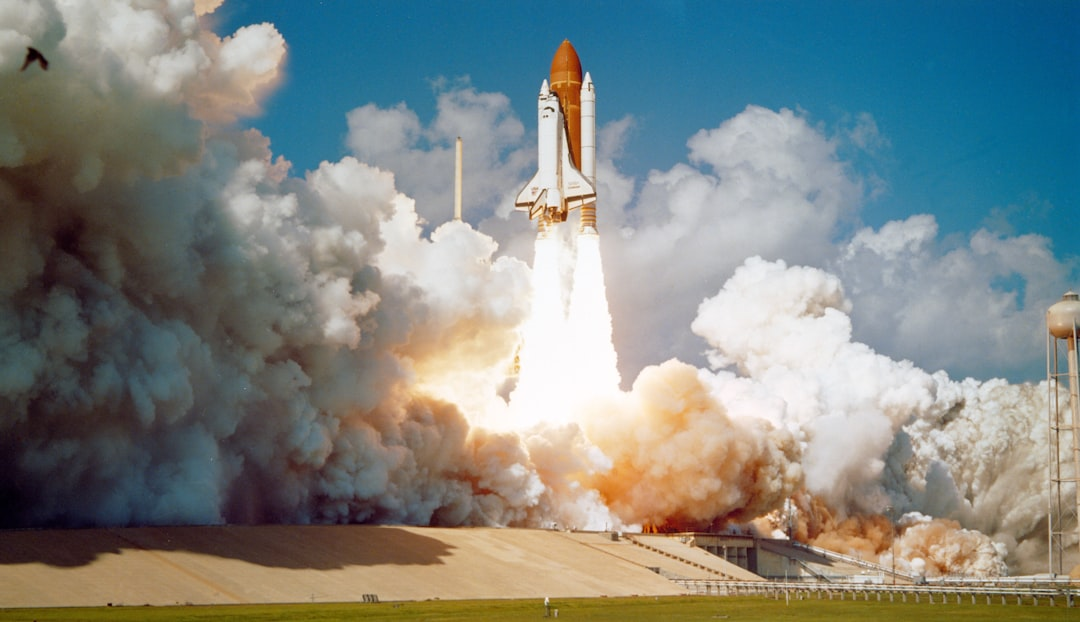
Unlike larger NASA centers that focus on human spaceflight or deep-space missions, Wallops specializes in a different, yet equally crucial, segment of space operations. Its geographic isolation and access to restricted airspace over the Atlantic Ocean make it an ideal location for specific types of launches and research activities.
✅ Versatility in Launch Capabilities
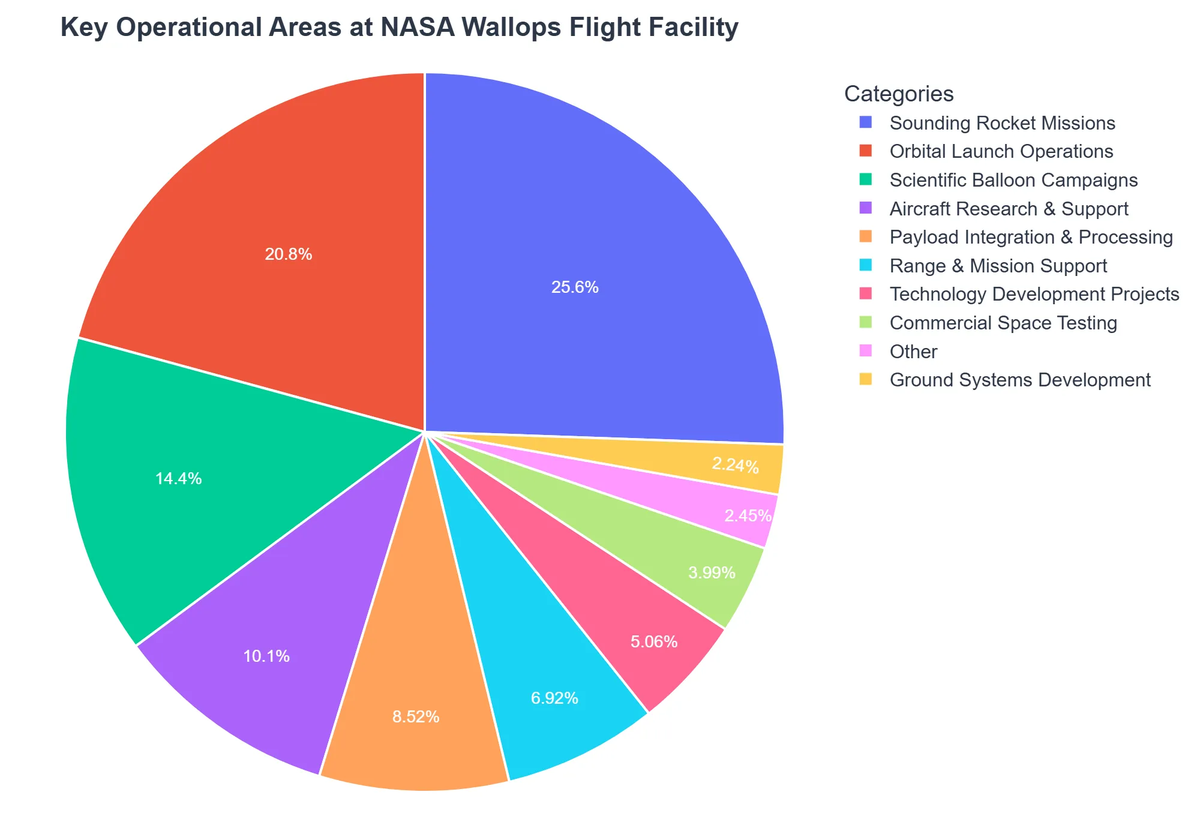
- Suborbital Missions: Wallops is globally recognized for its prowess in launching sounding rockets. These rockets typically carry scientific instruments into space for short durations, gathering data from the upper atmosphere and near-space environment before returning to Earth.
- Small Orbital Payloads: The facility is increasingly vital for launching CubeSats and other small satellites into low Earth orbit, catering to both scientific research and commercial needs.
- Aircraft Operations: Beyond rockets, Wallops manages an airfield and provides extensive flight test and development support for various aircraft, including those used for Earth science missions.
For a detailed look into the operational backbone of space missions, explore our article on Inside NASA Ground Control: The Nerve Center of Space Missions.
🔬 Key Missions and Scientific Endeavors at Wallops
Wallops is a hotbed of scientific discovery, facilitating missions that touch every aspect of Earth and space science. Its capabilities enable unique investigations that would be challenging or impossible elsewhere.
➡️ The NASA Sounding Rocket Program
One of Wallops’ cornerstone contributions is its management of the NASA Sounding Rocket Program. This program is instrumental in:
- ✅ Studying the Earth’s upper atmosphere, ionosphere, and magnetosphere.
- ✅ Observing solar physics phenomena, such as solar flares and coronal mass ejections.
- ✅ Testing new spacecraft instruments and technologies in a space-like environment before committing them to larger, more expensive missions.
- ✅ Providing hands-on experience for university students and researchers, fostering the next generation of space scientists.
💡 Earth Science and Technology Development
Wallops actively supports Earth observation missions, using its launch and aircraft capabilities to gather critical data on:
- Climate change and atmospheric composition.
- Ocean currents and sea levels.
- Weather patterns and severe storm research.
The facility also serves as a crucial testbed for advanced aerospace technologies, from drone development to new satellite communication systems, ensuring they are flight-ready.
🤝 Partnerships and the Rise of Commercial Space at Wallops
Wallops has emerged as a key player in the burgeoning commercial space industry, hosting and facilitating launches for private companies. This strategic partnership is vital for expanding access to space and fostering innovation.
⚙️ The Mid-Atlantic Regional Spaceport (MARS)
Operated by the Virginia Spaceport Authority, the Mid-Atlantic Regional Spaceport (MARS) is co-located at Wallops. This partnership allows commercial space companies to utilize the state-of-the-art launch infrastructure. One of the most prominent examples is Northrop Grumman’s Antares rocket, which regularly launches Cygnus cargo spacecraft to the International Space Station from MARS Launch Pad 0A. This collaboration highlights Wallops’ significance as a dual-use facility, serving both government and commercial needs. You can learn more about these fascinating facilities at The Virginia Spaceport Authority.
The growth of commercial launches from Wallops underscores the increasing role of Private Space Travel Companies: Your Gateway to Space in the global space economy.
👨🏫 Visiting Wallops: Education and Public Engagement
NASA Wallops Flight Facility is not just a scientific outpost; it’s also a gateway for public engagement and STEM education, welcoming visitors to learn about its contributions to space exploration.
NASA Wallops Flight Facility: Pros and Cons
Pros
- ✔Versatile launch capabilities for diverse missions (suborbital, orbital, scientific).
- ✔Supports critical scientific research and technology development.
- ✔Contributes significantly to regional economic growth and job creation.
- ✔Provides unique public outreach and educational opportunities in aerospace.
Cons
- ✖Geographic limitations can restrict launch trajectories and weather windows.
- ✖Smaller capacity and infrastructure compared to larger U.S. launch complexes.
- ✖Potential for environmental and noise impacts on local communities.
- ✖Operations can be vulnerable to adverse weather conditions.
🔭 Wallops Visitor Center
The Wallops Visitor Center is an excellent resource for the public to connect with NASA’s missions. It features:
- ✅ Interactive exhibits showcasing Wallops’ history and current projects.
- ✅ Displays on rockets, satellites, and scientific instruments.
- ✅ Information about ongoing research in Earth and space science.
- ✅ A gift shop with NASA merchandise.
One of the biggest draws is the opportunity to view rocket launches from the Visitor Center’s grounds. Check the official Wallops Launch Schedule – NASA for upcoming opportunities.
The Visitor Center plays a crucial role in inspiring the next generation of scientists and engineers, providing a tangible link to the wonders of space.
➡️ The Future of Wallops Flight Facility: A Continuing Launchpad
As space exploration evolves, Wallops Flight Facility continues to adapt and expand its capabilities. Its strategic importance as a versatile, cost-effective launch site for small and medium-class missions is growing, especially with the increased demand for rapid deployment of satellites.
The facility is expected to play a continuing role in supporting lunar initiatives, perhaps by launching CubeSats or technology demonstrators for future moon missions, contributing to the broader goals of NASA Lunar Bases: Building on the Moon and beyond.

Recommended Video
Conclusion
The NASA Wallops Flight Facility stands as a testament to ingenuity and persistent exploration. From its origins as a test range to its current multifaceted role, it has consistently served as a vital nasa launch facility, enabling groundbreaking scientific research, fostering commercial space growth, and inspiring millions. Wallops may operate with less fanfare than its larger counterparts, but its contributions to our understanding of the universe and its future are undeniably significant. As we continue on our journey of Cosmic Queries: Probing the Mysteries of the Universe, Wallops will undoubtedly remain at the forefront, launching us ever closer to the answers we seek.
Frequently Asked Questions
What types of missions are launched from Wallops?
Wallops launches include suborbital sounding rockets for atmospheric and astronomical research, orbital missions, and commercial resupply services to the International Space Station.
Why is Wallops Flight Facility important?
Wallops is crucial for its unique coastal launch capabilities, enabling diverse scientific research, technology development, and providing a key access point to space for various government and commercial payloads.
Can the public visit NASA Wallops?
Yes, the Wallops Visitor Center offers exhibits, educational programs, and provides viewing opportunities for rocket launches, though access to the operational facility is restricted.