In an era defined by rapid scientific advancement, few fields encapsulate humanity’s quest to understand and reshape life as profoundly as biotechnology. From revolutionizing healthcare to transforming agriculture and industrial processes, the scope of biotechnology applications is vast and ever-expanding. It stands at the intersection of biology, technology, engineering, and computer science, offering groundbreaking solutions to some of the world’s most pressing challenges.
💡 Key Takeaways
- Biotechnology drives significant advancements in medicine, agriculture, and environmental science.
- Key innovations like gene editing and synthetic biology are revolutionizing global challenges.
- Ethical considerations and regulatory frameworks are crucial for responsible biotech development.
- Future trends point towards personalized medicine, bio-manufacturing, and enhanced sustainability.
“Biotechnology is not just about altering genes; it’s about understanding and harnessing the deep evolutionary mechanisms that have shaped life, allowing us to engineer solutions for our planet’s most complex challenges.”
— Julian Aris, Evolutionary Biologist & Geneticist
This article delves deep into the innovative applications driving the biotechnology sector today and explores the exciting trends poised to shape our future. Prepare to discover how this dynamic field is not just advancing science, but fundamentally altering the very fabric of existence.
In This Article
- — 💡 Key Takeaways
- → What is Biotechnology? A Foundation for Innovation
- → Diverse Applications of Biotechnology: Beyond the Lab
- — ❤️ Red Biotechnology: Revolutionizing Healthcare
- — 💚 Green Biotechnology: Sustainable Agriculture
- — ⚪ White Biotechnology: Industrial Processes & Bio-manufacturing
- — 💙 Blue Biotechnology: Harnessing Marine Resources
- — 🤎 Other Emerging “Colors”
- → Key Innovations Driving the Biotechnology Sector
- — 🧬 CRISPR Technology: Precision Gene Editing
- — 🛠️ Synthetic Biology Tools: Building Life Anew
- — 📊 Genomics and Big Data (NCBI’s Role)
- — 🔬 Advanced Diagnostics and Therapeutics
- → Emerging Trends Shaping the Future of Biotechnology
- — 🤝 Converging Technologies
- — Decentralized Biotechnology
- — 🏭 Bio-manufacturing and Circular Economy
- — ⚖️ Ethical Considerations and Regulation
- → The Road Ahead: Impact on Our Existence
- → Conclusion
What is Biotechnology? A Foundation for Innovation
At its core, biotechnology is the use of living organisms or biological systems to develop or make products for specific purposes. This broad definition encompasses an incredibly diverse array of scientific endeavors, from ancient practices like brewing and bread-making to cutting-edge gene editing and synthetic biology.
- ✅ Interdisciplinary Nature: Biotechnology draws heavily from fields such as genetics, molecular biology, biochemistry, immunology, and biotechnology and microbiology, combining scientific understanding with engineering principles.
- ➡️ Problem-Solving Focus: Its primary goal is to leverage biological knowledge to solve real-world problems, improve quality of life, and foster sustainable development.
Diverse Applications of Biotechnology: Beyond the Lab
To better categorize its multifaceted impact, types of biotechnology are often referred to by a color code, each representing a distinct area of application:
❤️ Red Biotechnology: Revolutionizing Healthcare
This is arguably the most visible and impactful area, focusing on medical and pharmaceutical applications. Biotechnology in healthcare is leading to unprecedented advancements.
- 💉 Therapeutics: Development of new drugs, vaccines (e.g., mRNA vaccines), and biologics (protein-based medicines like insulin or monoclonal antibodies).
- 🔬 Diagnostics: Creation of advanced diagnostic tools for early disease detection, personalized medicine, and precise disease monitoring.
- 🧬 Gene Therapy: Using genes to treat or prevent disease, addressing conditions like cystic fibrosis, sickle cell anemia, and certain cancers.
- 🧪 Regenerative Medicine: Growing tissues and organs in the lab for transplantation, and developing cell-based therapies for repair or replacement of damaged tissues.
💚 Green Biotechnology: Sustainable Agriculture
Focused on agricultural processes, green biotechnology aims to enhance crop yields, improve nutritional value, and reduce environmental impact.
- 🌾 Genetically Modified (GM) Crops: Developing crops resistant to pests, diseases, or harsh environmental conditions (drought, salinity), or with enhanced nutrient profiles.
- 🌱 Bio-pesticides & Bio-fertilizers: Utilizing biological agents to control pests and improve soil fertility, reducing reliance on chemical alternatives.
- 🥩 Cellular Agriculture: Producing meat, dairy, and other animal products from cell cultures, offering sustainable alternatives to traditional farming. For more on this, explore our insights on Biotechnology in Agriculture: Sustainable Harvests.
⚪ White Biotechnology: Industrial Processes & Bio-manufacturing
Also known as industrial biotechnology, white biotechnology focuses on using living cells and enzymes to create industrial products and processes in a more efficient and environmentally friendly way.
Biotechnology Applications: Advantages and Challenges
Pros
- ✔Revolutionary medical treatments and disease prevention (e.g., gene therapy, vaccines).
- ✔Improved crop yields and nutritional value, enhancing global food security.
- ✔Development of eco-friendly industrial processes and sustainable biofuels.
- ✔Potential for personalized medicine and significant improvements in quality of life.
Cons
- ✖Significant ethical concerns regarding genetic manipulation and human enhancement.
- ✖Potential for unintended ecological impacts and long-term health risks.
- ✖High development and production costs, limiting accessibility globally.
- ✖Regulatory complexities and the risk of misuse or dual-use technologies.
- ⛽ Biofuels: Production of ethanol, biodiesel, and other bioenergy sources from biomass.
- 🧪 Enzyme Engineering: Developing enzymes for use in detergents, textiles, food processing, and chemical synthesis.
- ♻️ Bioplastics & Bio-polymers: Creating biodegradable plastics and sustainable materials from renewable biological resources.
💙 Blue Biotechnology: Harnessing Marine Resources
Blue biotechnology explores the vast potential of marine organisms and ecosystems for novel compounds and applications.
- 💊 New Drugs: Discovery of anti-cancer, anti-inflammatory, or antibiotic compounds from marine bacteria, fungi, or algae.
- 💄 Cosmetics & Nutra-pharmaceuticals: Sourcing unique ingredients with beneficial properties for health and beauty products.
- 🐟 Aquaculture: Improving the health and productivity of farmed fish and shellfish through genetic selection and disease prevention.
🤎 Other Emerging “Colors”
The field continues to diversify, with terms like brown biotechnology (desert biotechnology, focusing on arid land management) and gold biotechnology (bioinformatics and nano-biotechnology) illustrating its broad reach. Animal biotechnology, for instance, focuses on improving animal health, productivity, and genetic traits, crucial for both agriculture and medical research.
Key Innovations Driving the Biotechnology Sector
The rapid growth of the biotechnology sector is fueled by several groundbreaking innovations that have transformed scientific capabilities and opened new avenues for application.
🧬 CRISPR Technology: Precision Gene Editing
The advent of CRISPR Technology (Clustered Regularly Interspaced Short Palindromic Repeats) has revolutionized genetic engineering. This powerful tool allows scientists to precisely edit genes with unprecedented accuracy and efficiency.
- 🎯 Targeted Modifications: CRISPR enables the addition, deletion, or alteration of specific DNA sequences.
- 🔬 Broad Applications: Its impact spans from correcting genetic defects in human cells and developing disease-resistant crops to creating new research models.
- 🌟 Therapeutic Promise: While still facing ethical and safety considerations, CRISPR holds immense promise for treating a wide range of genetic diseases.
🛠️ Synthetic Biology Tools: Building Life Anew
Synthetic Biology Tools involve designing and constructing new biological parts, devices, and systems, as well as redesigning existing natural biological systems for useful purposes. It’s about engineering biology with a modular, predictable approach.
- 🧪 Designer Microbes: Engineering microorganisms to produce biofuels, pharmaceuticals, or high-value chemicals.
- 🏭 Bio-factories: Creating cellular factories that can efficiently synthesize complex molecules.
- 🌍 Environmental Solutions: Developing organisms capable of degrading pollutants or sequestering carbon.
📊 Genomics and Big Data (NCBI’s Role)
The ability to rapidly sequence entire genomes and analyze vast amounts of biological data has been transformative. Resources like the National Center for Biotechnology Information (NCBI), a part of the U.S. National Library of Medicine, are critical for this.
- 📈 Data Repository: NCBI provides public access to genomic, proteomic, and other biological data, enabling global research collaboration.
- 💻 Bioinformatics: Sophisticated computational tools and algorithms are essential for interpreting this data, identifying disease markers, and understanding biological pathways.
- 💡 Personalized Medicine: Genomic data allows for tailored treatments based on an individual’s unique genetic makeup, ushering in the era of precision medicine.
🔬 Advanced Diagnostics and Therapeutics
Innovation continues in diagnostics and therapeutic delivery systems. This includes highly sensitive disease detection kits, targeted drug delivery using nanoparticles, and advanced immunotherapy approaches that harness the body’s own immune system to fight disease.
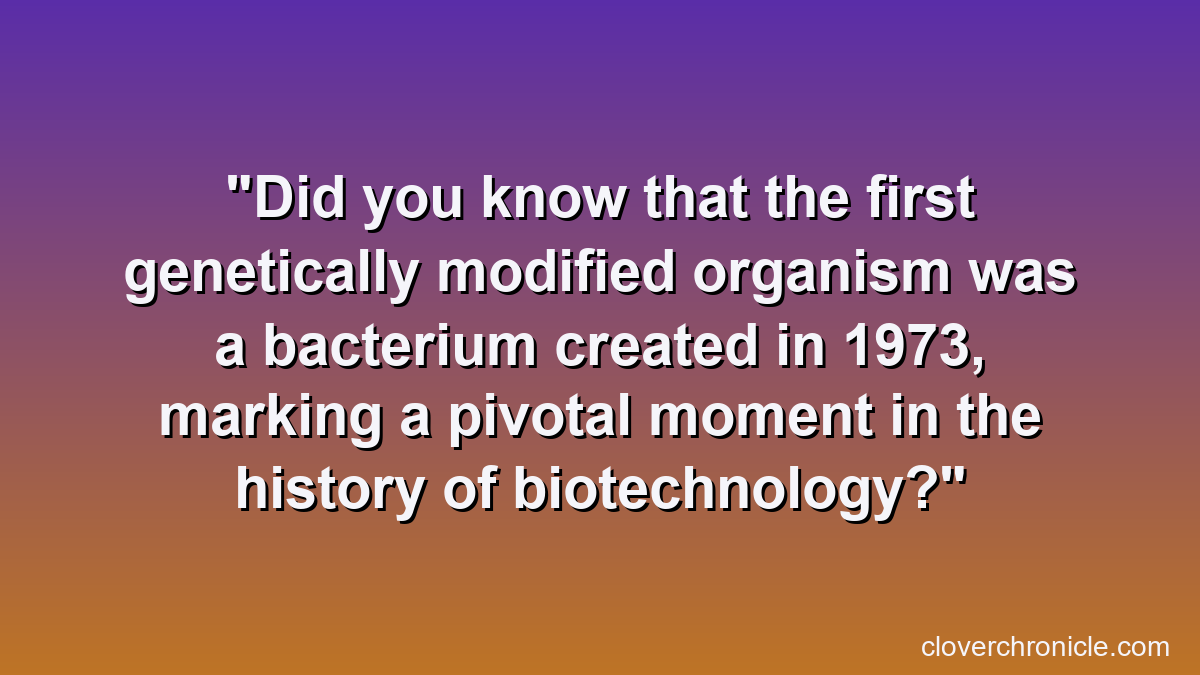
For a broader view of how these innovations translate into real-world impact, consider exploring Biotechnology in Action: Real-World Examples and Impact.
Emerging Trends Shaping the Future of Biotechnology
The pace of innovation in biotechnology shows no signs of slowing. Several key trends are poised to redefine the field and its impact on society.
🤝 Converging Technologies
- 🤖 Biotech and AI/Machine Learning: AI is accelerating drug discovery, optimizing experimental design, and revolutionizing data analysis in genomics.
- 🔬 Biotechnology and Nanotechnology: A Powerful Convergence: Nanobots for targeted drug delivery, nano-sensors for diagnostics, and bio-nanomaterials are transforming medicine and materials science. Read more in our article on Biotechnology and Nanotechnology: A Powerful Convergence.
- 🌐 Internet of Things (IoT) in Biotech: Smart sensors and connected devices are enabling real-time monitoring in labs, clinics, and even agricultural settings.
Decentralized Biotechnology
The move towards more accessible and distributed biotech capabilities is a significant trend.
- 🏡 Point-of-Care Diagnostics: Portable devices that allow for rapid and accurate disease testing outside of traditional lab settings.
- 🧪 DIY Bio & Citizen Science: Increased access to basic biotech tools and knowledge is fostering innovation at grassroots levels, though this also raises regulatory questions.
🏭 Bio-manufacturing and Circular Economy
As concerns about sustainability grow, biotechnology is pivotal in creating a more circular economy.
- 🔄 Sustainable Production: Using biological processes to produce chemicals, materials, and fuels with reduced environmental footprints.
- 🗑️ Waste Valorization: Converting agricultural waste, industrial byproducts, and even plastics into valuable resources using microbial or enzymatic processes.
⚖️ Ethical Considerations and Regulation
As biotechnology advances, so do the ethical, social, and legal debates surrounding its applications. Addressing these concerns responsibly will be crucial for public acceptance and safe innovation. Transparency, public engagement, and robust regulatory frameworks are essential for navigating this complex landscape. According to a report by the U.S. National Intelligence Council, ethical questions surrounding human genome editing and the dual-use potential of biotechnology are among the key factors shaping its future landscape. The Future of Biotech, DNI.gov.
Recommended Video
The Road Ahead: Impact on Our Existence
The future of biotechnology promises profound transformations across nearly every aspect of human life. From eradicating diseases and feeding a growing global population to cleaning up pollution and creating sustainable industries, its potential is immense.
- 📈 Accelerated Pace: The convergence of technologies and global collaboration will likely accelerate the discovery and implementation of new biotechnological solutions.
- 🌍 Global Impact: Biotechnology is a key driver for achieving many of the United Nations Sustainable Development Goals, addressing health, hunger, clean energy, and environmental protection.
- 💡 Fundamental Understanding: Beyond practical applications, biotechnology continues to deepen our understanding of life itself, unlocking the secrets of evolution and existence. For a foundational exploration, delve into The Code of Life: Decoding Genetics, Evolution, and Existence.
Innovation in the biotechnology sector is a continuous journey. As noted by industry experts, the top biotechnology innovations for industry R&D continue to evolve rapidly, pushing the boundaries of what’s possible and opening new avenues for research and commercialization globally. 10 Top Biotechnology Innovations for Industry R&D 2023, Inpart.
Conclusion
Biotechnology applications are at the forefront of scientific innovation, offering unparalleled opportunities to improve health, enhance sustainability, and drive economic growth. While challenges and ethical considerations remain, the ongoing advancements in gene editing, synthetic biology, and data-driven approaches promise a future where biological solutions play an ever-increasing role in shaping our world. Understanding this dynamic field is not just about comprehending scientific progress; it’s about grasping the trajectory of human civilization itself.
Frequently Asked Questions
What are the main applications of biotechnology today?
Biotechnology is widely applied in medicine (drug development, gene therapy), agriculture (crop improvement, pest resistance), industrial processes (biofuels, enzymes), and environmental remediation.
How is gene editing impacting future biotech innovations?
Gene editing, especially CRISPR-Cas9, is revolutionizing treatments for genetic diseases, enhancing crop resilience, and enabling the development of novel biopharmaceuticals with unprecedented precision.
What ethical concerns surround advanced biotechnology?
Key ethical concerns include gene drive unintended consequences, equitable access to costly therapies, potential misuse of genetic data, and the moral implications of altering human germlines.
Where is biotechnology headed in the next decade?
The next decade will likely see breakthroughs in personalized medicine, advanced bio-manufacturing, synthetic biology for novel materials, and integrated biological systems for sustainable energy and food production.