
While often celebrated for its profound impact on human health, the realm of biotechnology stretches far beyond medicine. The innovative biotechnology applications are fundamentally reshaping industries, revolutionizing our approach to agriculture, driving environmental sustainability, and even enhancing security. By harnessing the power of living organisms and biological systems, biotech is providing groundbreaking solutions to some of the world’s most pressing challenges, often building on the foundational principles explored in The Code of Life: Decoding Genetics, Evolution, and Existence.
💡 Key Takeaways
- Biotechnology extends far beyond pharmaceuticals, driving innovation in diverse sectors.
- Sustainable agriculture leverages biotech for improved crop yields, pest resistance, and nutrient efficiency.
- Biofuels and bioremediation are critical biotech applications addressing energy and environmental challenges.
- Industrial biotechnology is revolutionizing manufacturing processes through bio-based production.
“Biotechnology’s true power lies in its ability to harness life’s fundamental processes to solve complex challenges across every industry, reshaping our world in ways far more profound than just medicine.”
— Julian Aris, PhD, Geneticist & Evolutionary Biologist
From the food we eat to the energy that powers our homes, the invisible hand of biotechnology is at work, fostering efficiency, creating new materials, and pioneering greener practices. These diverse biotechnology uses highlight a field brimming with innovation and immense practical value for our modern world.
In This Article
- — 💡 Key Takeaways
- → Revolutionizing Our Plate: Biotechnology in Agriculture and Food
- — 🌱 Enhancing Crop Yields and Resilience
- — 🍎 Improving Food Quality and Nutrition
- — 🥩 Sustainable Animal Agriculture
- → A Greener Tomorrow: Environmental Biotechnology Innovations
- — ♻️ Bioremediation: Cleaning Up Pollution
- — 💡 Bioenergy and Biofuels
- → Industrial Powerhouses: How Biotech Reshapes Manufacturing
- — 🔬 Bio-based Materials and Chemicals
- — 🧪 Bioprocesses in Production
- → Safeguarding Society: Biotechnology in Forensics and Security
- — 🧬 DNA Fingerprinting and Forensics
- — 🦠 Biodefense and Biosensors
- → The Unfolding Potential: Emerging Frontiers of Biotechnology
- — 🌌 Space Exploration and Life Support
- — 🤖 Bio-integrated Robotics and Computing
- — 🌐 Global Health and One Health Approaches
Revolutionizing Our Plate: Biotechnology in Agriculture and Food
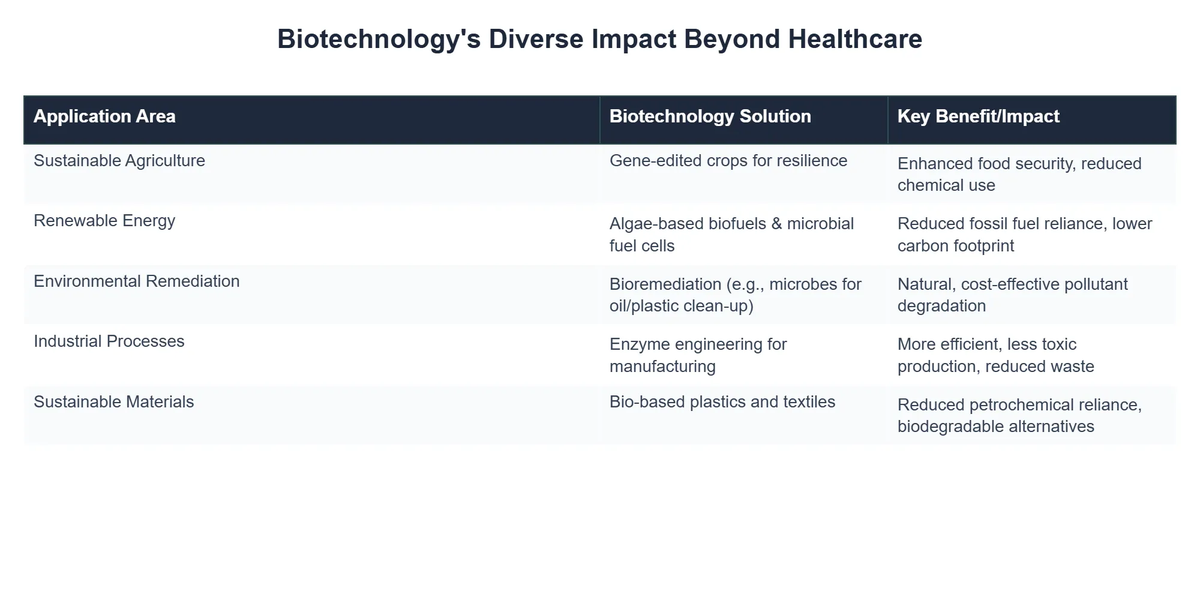
Biotechnology stands at the forefront of addressing global food security, sustainability, and nutritional challenges. By modifying plants, animals, and microbes, we’re making agricultural systems more resilient and productive.
🌱 Enhancing Crop Yields and Resilience
- ✅ Genetically Modified Organisms (GMOs): Crops engineered for resistance to pests, diseases, or harsh environmental conditions (like drought or salinity), reducing the need for chemical pesticides and improving crop survival.
- ✅ Gene Editing (e.g., CRISPR): Precision tools allowing scientists to make targeted changes to plant DNA, leading to traits like enhanced nutritional value or resistance to specific pathogens without introducing foreign DNA. For more on this, explore the Stanford explanation on What is CRISPR?
- ✅ Biofertilizers and Biopesticides: Utilizing beneficial microbes to improve soil fertility and control pests naturally, reducing reliance on synthetic chemicals.
🍎 Improving Food Quality and Nutrition
Biotechnology isn’t just about quantity; it’s also about quality. Advances allow for:
- ➡️ Biofortification: Engineering crops to have higher levels of essential vitamins and minerals, combating malnutrition in vulnerable populations (e.g., Golden Rice rich in Vitamin A).
- ➡️ Improved Shelf Life: Developing produce that ripens slower or resists spoilage, reducing food waste and extending market reach.
- ➡️ Enhanced Flavors and Textures: Tailoring specific food attributes to meet consumer preferences and create novel culinary experiences. This aspect of Agri Biotechnology: Impact on Sustainable Agriculture is key to sustainable food systems.
🥩 Sustainable Animal Agriculture
Beyond crops, biotech also impacts livestock and seafood production:
- 💡 Disease Resistance: Developing genetically resistant animals or advanced vaccines to combat prevalent animal diseases, improving animal welfare and reducing economic losses.
- 💡 Improved Feed Efficiency: Engineering microbes that aid in animal digestion, allowing livestock to convert feed into product more efficiently.
- 💡 Cultured Meat: Growing meat in laboratories directly from animal cells, offering a potentially more sustainable and ethical alternative to traditional livestock farming. The FDA provides valuable insights into GMO Crops, Animal Food, and Beyond, highlighting regulatory perspectives.
A Greener Tomorrow: Environmental Biotechnology Innovations
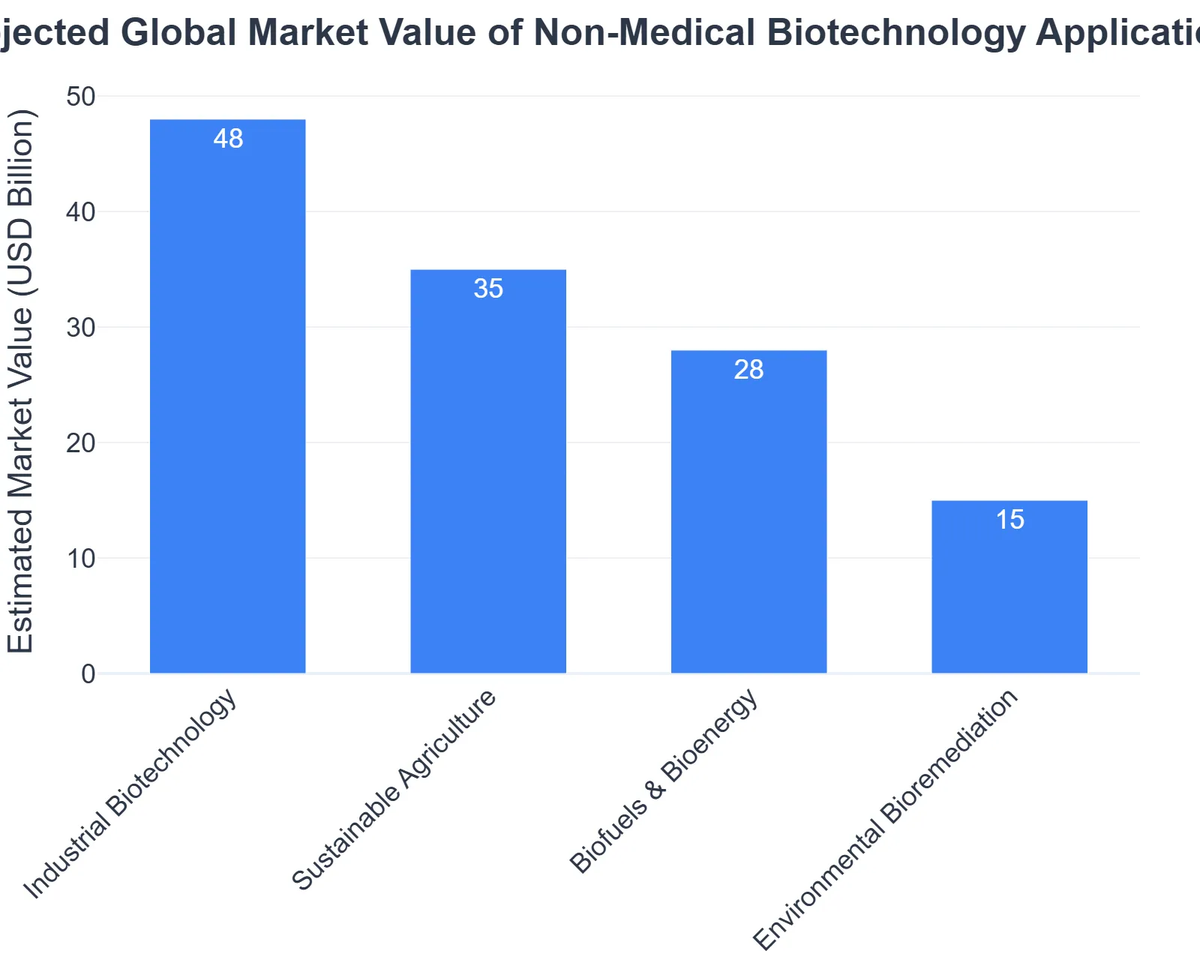
Environmental biotechnology leverages biological processes to monitor, prevent, and remediate environmental pollution, as well as to develop sustainable energy sources. It’s crucial for planetary health.
♻️ Bioremediation: Cleaning Up Pollution
This powerful application uses living organisms, primarily microorganisms, to break down hazardous substances into less toxic or non-toxic forms. Examples include:
- ✅ Oil Spill Cleanup: Specific bacteria can degrade hydrocarbons in crude oil, helping restore contaminated marine and coastal ecosystems.
- ✅ Hazardous Waste Treatment: Microbes are employed to detoxify industrial effluents, heavy metals, and persistent organic pollutants from soil and water. The role of endophytic microbes in agriculture, biotechnology, and environmental remediation is a rapidly expanding field.
- ✅ Wastewater Treatment: Biological processes using bacteria, algae, and fungi are standard in modern wastewater treatment plants, efficiently removing organic matter and nutrients.
💡 Bioenergy and Biofuels
Moving away from fossil fuels is critical, and biotechnology offers viable alternatives:
- ➡️ Bioethanol and Biodiesel: Produced from biomass sources like corn, sugarcane, algae, or waste materials through fermentation and transesterification.
- ➡️ Biogas: Methane-rich gas generated from the anaerobic digestion of organic matter (e.g., agricultural waste, sewage), used for electricity or heat.
- ➡️ Algae Biofuels: Algae offer high growth rates and can produce various lipids suitable for fuel production, often on non-arable land, making them a promising sustainable option.
Industrial Powerhouses: How Biotech Reshapes Manufacturing
Often referred to as “white biotechnology,” this sector applies biotechnological principles to industrial processes, leading to more efficient, cost-effective, and environmentally friendly manufacturing of chemicals, materials, and products.
Biotechnology Applications Beyond Medicine: Pros & Cons
Pros
- ✔Drives sustainable resource production (biofuels, bioplastics).
- ✔Enhances agricultural yield and crop resilience, improving food security.
- ✔Offers innovative solutions for environmental cleanup and waste management.
- ✔Facilitates development of novel materials and greener industrial processes.
Cons
- ✖Raises significant ethical concerns and public acceptance challenges.
- ✖Carries potential ecological risks and unintended environmental impacts.
- ✖Involves high R&D costs and complex regulatory approval processes.
- ✖May exacerbate socio-economic inequalities in access and benefits.
🔬 Bio-based Materials and Chemicals
- ✅ Bioplastics: Polymers derived from renewable biomass sources (e.g., corn starch, sugarcane) that are often biodegradable, offering an alternative to traditional petroleum-based plastics.
- ✅ Bio-based Solvents and Lubricants: Produced through fermentation, these alternatives reduce reliance on petrochemicals and often have lower toxicity profiles.
- ✅ Enzymes in Industry: Enzymes are biological catalysts used extensively in detergents (to break down stains), textiles (for fabric finishing), paper production, and food processing (e.g., cheese making, brewing).
🧪 Bioprocesses in Production
Biotechnology streamlines and innovates various manufacturing workflows:
- ➡️ Fermentation Technology: Beyond food and beverages, fermentation is used to produce a wide range of industrial chemicals, vitamins, amino acids, and even some pharmaceuticals.
- ➡️ Biosynthesis of Novel Compounds: Using engineered microorganisms to synthesize complex molecules that are difficult or impossible to create through traditional chemical synthesis.
- ➡️ Sustainable Manufacturing: Reducing energy consumption, waste generation, and the use of hazardous chemicals compared to conventional industrial processes.
Safeguarding Society: Biotechnology in Forensics and Security
Biotechnology’s precision and specificity make it an invaluable tool in law enforcement, national security, and public safety, moving beyond what is typically thought of as general Biotechnology in Action: Real-World Examples and Impact.
🧬 DNA Fingerprinting and Forensics
- ✅ Crime Scene Investigation: DNA analysis of biological samples (blood, hair, saliva, skin cells) is a cornerstone of modern criminal investigations, providing irrefutable evidence for identification and exoneration.
- ✅ Paternity Testing: Determining biological relationships with high accuracy.
- ✅ Identification of Remains: Crucial in disaster victim identification, historical cases, and archaeological studies.
🦠 Biodefense and Biosensors
Protecting against biological threats requires rapid and accurate detection:

- ➡️ Rapid Pathogen Detection: Developing quick diagnostic tools to identify biological warfare agents, emerging infectious diseases, or foodborne pathogens.
- ➡️ Biosensors: Devices that use biological components (like enzymes, antibodies, or DNA) to detect specific substances, used in environmental monitoring, medical diagnostics, and security screening.
- ➡️ Vaccine and Therapeutic Development: While often associated with medicine, the rapid development of vaccines and treatments for biothreats (e.g., anthrax, smallpox) is a critical biodefense application.
The Unfolding Potential: Emerging Frontiers of Biotechnology
The reach of biotechnology continues to expand into unexpected and exciting territories, promising transformative solutions for the future. For a deeper dive into what’s next, explore Biotechnology Applications: Innovations and Future Trends.
🌌 Space Exploration and Life Support
- ✅ Bioregenerative Life Support Systems: Designing closed-loop systems for long-duration space missions that use biological processes (e.g., algae, plants, microbes) to recycle waste, generate oxygen, and produce food.
- ✅ Astrobiology: Using biotechnology tools to search for and understand life beyond Earth.
🤖 Bio-integrated Robotics and Computing
- ➡️ Synthetic Biology for Computing: Exploring the use of DNA and biological circuits for data storage and complex computations, potentially leading to ultra-dense and energy-efficient computing.
- ➡️ Bio-hybrid Systems: Combining biological components with robotic systems for enhanced sensing, actuation, or self-healing capabilities.
🌐 Global Health and One Health Approaches
Beyond human medicine, biotechnology contributes to a broader “One Health” perspective, recognizing the interconnectedness of human, animal, and environmental health.
- 💡 Disease Surveillance: Advanced genomic sequencing and biotech tools for tracking the spread and evolution of pathogens globally, in humans, animals, and the environment.
- 💡 Antimicrobial Resistance (AMR): Developing novel biotech-based solutions, like bacteriophages (Exploring Bacteriophage Applications in Medicine and Beyond) or CRISPR-based therapies, to combat drug-resistant infections in all sectors.
Recommended Video
What are some non-medical applications of biotechnology?
Non-medical applications include developing drought-resistant crops, producing biofuels, creating biodegradable plastics, treating wastewater, and synthesizing industrial enzymes.
How does biotechnology contribute to environmental sustainability?
Biotechnology contributes through bioremediation (using microbes to clean pollution), creating biodegradable materials, developing sustainable agricultural practices, and producing cleaner energy sources like biofuels.
Can biotechnology help with food security?
Yes, biotechnology significantly aids food security by enhancing crop resistance to pests and diseases, improving nutritional content, and increasing yields, especially in challenging environments.