

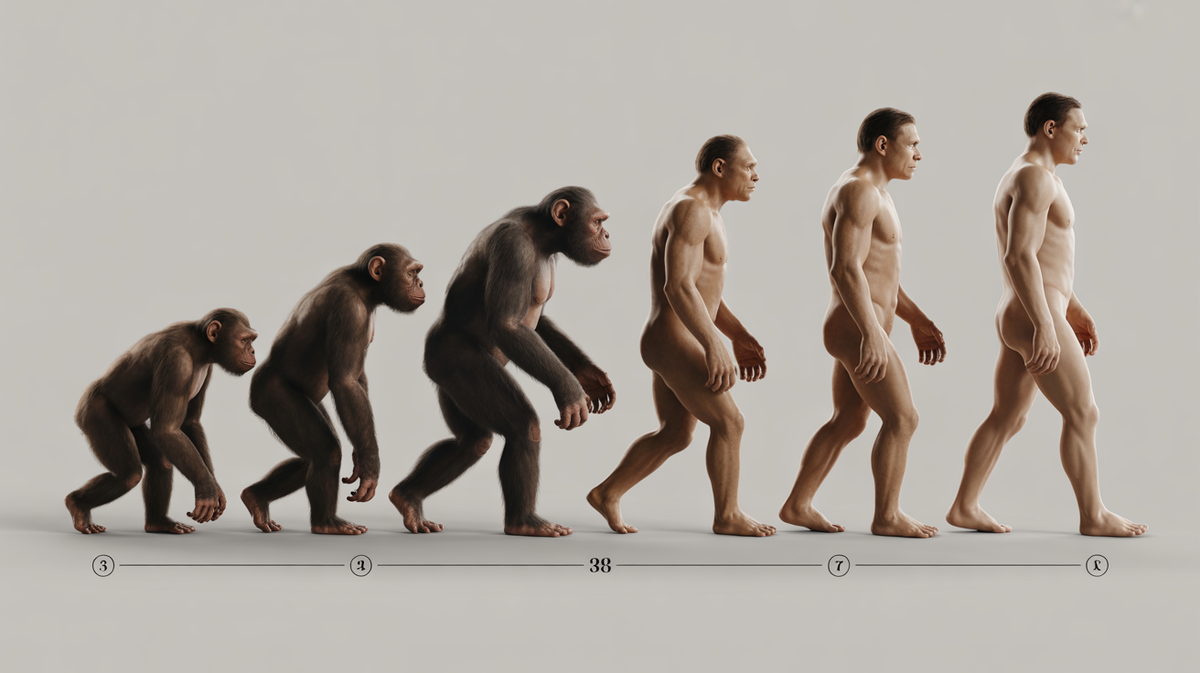
Understanding the Ape to Human Evolution Timeline: Charting Our Primate Ancestry
The journey from ape to human is one of the most compelling narratives in the history of life on Earth. Far from a linear progression, the ape to human evolution timeline represents a complex, branching family tree, marked by significant environmental shifts, biological innovations, and fascinating ancestral species. This detailed chart of our primate ancestry unveils the remarkable transformations that led to modern humans, Homo sapiens.
💡 Key Takeaways
- The journey from ape to human spans millions of years, marked by key evolutionary adaptations.
- Significant milestones include bipedalism, increased brain size, and the development of complex tools.
- Different hominin species coexisted, contributing to the diverse branches of our evolutionary tree.
- Understanding our primate ancestry provides critical insights into modern human biology and behavior.
“Our cognitive capacities, the very essence of human potential, are deeply rooted in the evolutionary journey from ape to human, a testament to the incredible plasticity of the primate brain.”
— Dr. Eleanor Vance, PhD, Cognitive Neuroscientist & Human Potential Researcher
Exploring the various stages of human evolution helps us understand not just where we come from, but also the deep biological heritage that shapes us today. From the earliest tree-dwelling primates to the emergence of bipedal hominins and the eventual development of complex cognition, each step on this timeline tells a story of adaptation and survival.
In This Article
- → Understanding the Ape to Human Evolution Timeline: Charting Our Primate Ancestry
- — 💡 Key Takeaways
- → The Deep Roots: Our Primate Ancestry
- — ➡️ From Common Ancestor to Divergence
- → The Dawn of Hominins: Early Bipedalism Takes Hold
- — 💡 Pioneering Hominins
- — ⚙️ Australopithecines: Lucy’s Legacy
- → The Rise of Genus Homo: Tool-Making and Expanding Brains
- — 🧠 Early Homo: The Handy Man
- — 🌍 Homo Erectus: The Global Traveler
- — 🧬 Neanderthals and Denisovans: Our Close Cousins
- → Homo Sapiens: The Modern Human Era
- — 📈 The Rise of Anatomically Modern Humans
- — ➡️ Continuing Evolution and Future Directions
The Deep Roots: Our Primate Ancestry
Our story begins much further back than the first hominins. The evolutionary path to humans is rooted deeply in the broader primate lineage, stretching back over 60 million years. All primates, including humans, share a common ancestor, a small, tree-dwelling mammal that lived around the time of the dinosaurs’ extinction.
➡️ From Common Ancestor to Divergence
The shared ancestry with other great apes is a cornerstone of our understanding of human evolution ape to man. Genetic evidence overwhelmingly points to a common ancestor that we share with chimpanzees and bonobos, diverging approximately 6 to 7 million years ago (MYA). Before this, our lineage diverged from gorillas (around 8-10 MYA) and orangutans (around 12-16 MYA).
- ✅ Common Primate Traits: Early primates evolved features like grasping hands and feet, forward-facing eyes for stereoscopic vision (crucial for navigating trees), and relatively large brains compared to other mammals.
- ✅ Arboreal Beginnings: Life in the trees shaped many foundational primate characteristics, emphasizing agility, keen senses, and complex social structures.
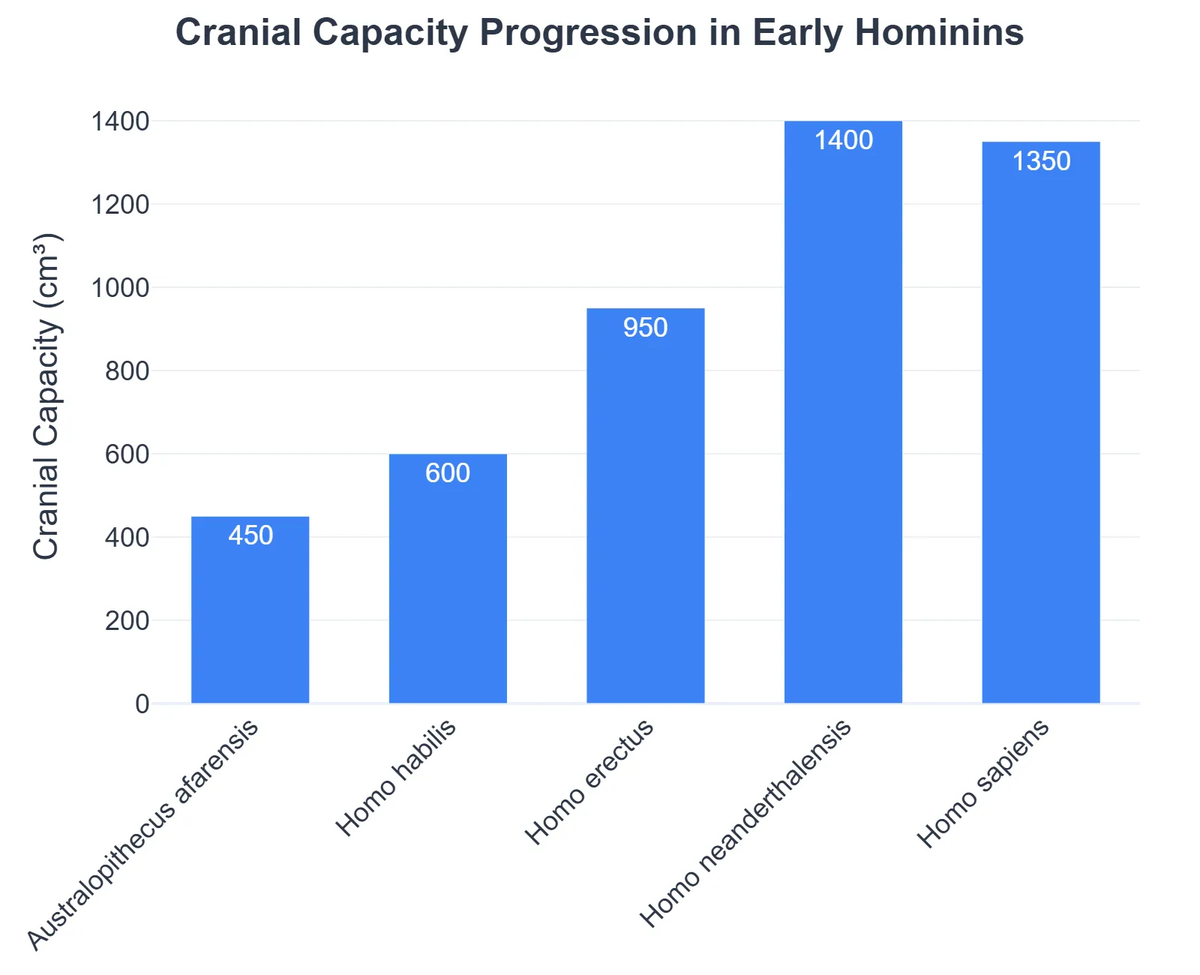
- ✅ Genetic Kinship: Humans share about 98-99% of their DNA with chimpanzees, underscoring our close evolutionary relationship. This close genetic link highlights that our species, Homo sapiens, did not evolve from chimpanzees, but rather we both evolved from a common ancestor. For more details, explore Human Evolution: Did We Evolve From Apes?.
The Dawn of Hominins: Early Bipedalism Takes Hold
The most significant divergence in the ape to human evolution timeline occurred when certain primate populations in Africa began to adapt to a changing environment, leading to the development of bipedalism – walking upright on two legs. This transition marked the beginning of the hominin lineage, which includes all species more closely related to modern humans than to chimpanzees.
💡 Pioneering Hominins
The earliest known hominins offer tantalizing glimpses into this critical phase:
- ✅ Sahelanthropus tchadensis (approx. 7-6 MYA): Found in Chad, its skull suggests a potentially upright posture, though this is debated. It’s one of the earliest contenders for being a direct ancestor or a close relative of the human lineage after the split from chimpanzees.
- ✅ Orrorin tugenensis (approx. 6 MYA): Discovered in Kenya, evidence from its leg bones strongly suggests bipedalism, making it another crucial early hominin.
- ✅ Ardipithecus (approx. 5.8-4.4 MYA): Represented by species like Ardipithecus ramidus (“Ardi”), these hominins from Ethiopia show a mix of tree-climbing and bipedal adaptations, suggesting a transitional lifestyle.
⚙️ Australopithecines: Lucy’s Legacy
Following these early pioneers, the Australopithecines dominated the African landscape for several million years. These hominins firmly established bipedalism, though they still retained some arboreal features.
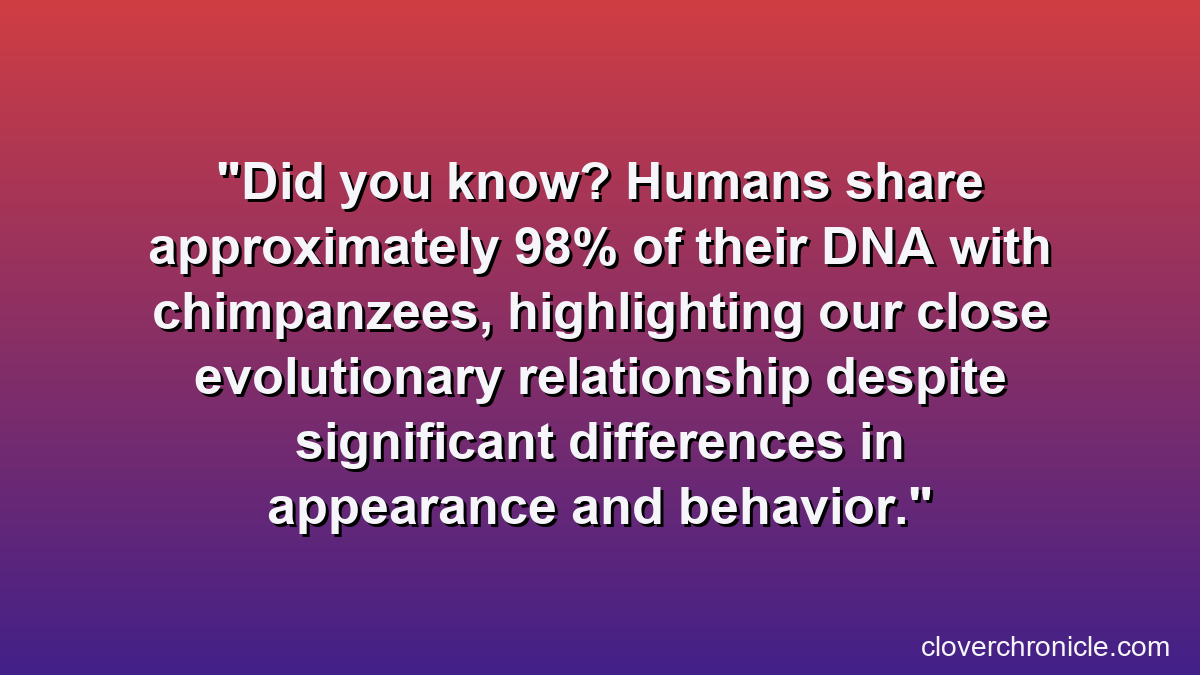
- ✅ Australopithecus afarensis (approx. 3.9-2.9 MYA): Famous for the “Lucy” skeleton, this species provides undeniable evidence of habitual bipedalism, as seen in the structure of her pelvis and leg bones, and the Laetoli footprints. Their brains were still relatively small, comparable to modern apes.
- ✅ Australopithecus africanus (approx. 3.3-2.1 MYA): Found in South Africa, this species further confirms the prevalence of bipedalism across different regions.
- ✅ Paranthropus (approx. 2.7-1.2 MYA): Often referred to as “robust australopiths,” these hominins developed massive jaws and teeth, adapted for chewing tough, fibrous vegetation. They were a side branch of the hominin family tree that eventually died out. For a more detailed look at these early ancestors, refer to Tracing Our Ancestry: A Comprehensive Hominid Timeline.
The Rise of Genus Homo: Tool-Making and Expanding Brains
A pivotal moment in the from ape to human evolution was the emergence of the genus Homo, characterized by larger brains, increasingly sophisticated tool use, and a shift towards more complex behaviors. This phase truly differentiates our lineage from other primates.
🧠 Early Homo: The Handy Man
- ✅ Homo habilis (approx. 2.4-1.4 MYA): Often called “handy man,” this species is credited with the creation of the first stone tools (Oldowan tools), marking a significant technological leap. Their brains were larger than Australopithecines, but still relatively small.
🌍 Homo Erectus: The Global Traveler
- ✅ Homo erectus (approx. 1.9 MYA – 110,000 years ago): A remarkably successful and long-lived species, H. erectus was the first hominin to migrate out of Africa, spreading across Asia and Europe. They developed more complex Acheulean handaxes, likely controlled fire, and possibly built shelters. Their larger brains and reliance on tools mark a significant step towards modern human capabilities.
- ✅ Brain Development: The increasing complexity of tools and expansion of habitats in Homo erectus correlates with a notable increase in brain size. You can learn more about this fascinating aspect at Brains | The Smithsonian Institution’s Human Origins Program.
🧬 Neanderthals and Denisovans: Our Close Cousins
As Homo sapiens emerged in Africa, other hominin species flourished in different parts of the world, most notably the Neanderthals and Denisovans.
- ✅ Homo neanderthalensis (approx. 400,000 – 40,000 years ago): Adapted to cold climates in Europe and Asia, Neanderthals had robust builds, sophisticated stone tools (Mousterian), buried their dead, and likely had complex social behaviors.
- ✅ Denisovans (approx. 400,000 – 30,000 years ago): Known mostly from genetic evidence and limited fossil finds in Siberia, Denisovans were closely related to Neanderthals and also interbred with early modern humans.
- ✅ Interbreeding: Genetic studies show that modern humans of non-African descent carry a small percentage of Neanderthal DNA, and some populations also have Denisovan DNA, indicating interbreeding events as our ancestors migrated out of Africa. Discover more about these fascinating relatives in Early Humans Timeline: Tracing Our Ancestors and Evolution.
Homo Sapiens: The Modern Human Era
The final chapter in the main ape to human evolution timeline is the emergence and global spread of our own species, Homo sapiens.
📈 The Rise of Anatomically Modern Humans
- ✅ Origin in Africa (approx. 300,000 years ago): Fossil and genetic evidence indicates that Homo sapiens first evolved in Africa. Early remains show distinct modern human features, though some archaic traits persisted initially.
- ✅ Out of Africa Migrations (approx. 70,000 – 60,000 years ago): Waves of Homo sapiens migrated out of Africa, eventually populating every continent and becoming the dominant hominin species on the planet.
- ✅ Cognitive Revolution: Around 50,000 to 40,000 years ago, there’s evidence of a “cognitive revolution” marked by symbolic thought, complex language, art (cave paintings, figurines), and advanced tool technologies. This period saw the flourishing of cultures and rapid innovation.
Recommended Video
➡️ Continuing Evolution and Future Directions
Even today, human evolution continues, albeit primarily at a microevolutionary level, influenced by factors like disease, diet, and migration. However, cultural evolution now plays an even more profound role, shaping our environment and influencing how we live and interact.
- ✅ Cultural and Technological Evolution: Our ability to adapt through culture and technology, rather than solely through biological changes, has become our species’ defining characteristic. This allows for rapid changes in behavior and societal structure, far outstripping the pace of genetic evolution.
- ✅ Our Place in the Enigma: Understanding the human evolution ape to man narrative is central to grasping the full scope of The Human Enigma: Unlocking the Secrets of Our Body and Mind. It provides the foundation for our biology, psychology, and complex societal structures. For a comprehensive overview, see this Human Evolution article from Britannica.
What is the earliest known human ancestor?
The earliest widely accepted hominin is Sahelanthropus tchadensis, dating back approximately 7 million years, though its exact position on the human lineage is debated.
What are the key evolutionary changes from ape to human?
Major changes include the development of bipedalism (walking upright), increased brain size and complexity, the use of tools, and changes in diet and social structure.
Did humans evolve from monkeys?
No, humans did not evolve directly from monkeys. Instead, humans and modern apes share a common ancestor that lived millions of years ago, with both lineages evolving separately since then.
How accurate is the ‘ape to human’ timeline?
The timeline is constantly refined by new fossil discoveries and genetic research, offering an increasingly detailed and accurate picture of human evolution, though some gaps and debates remain.