


What is Augmented Reality Shopping and Why It Matters
In the evolving landscape of commerce, augmented reality shopping is rapidly emerging as a transformative force, blurring the lines between physical and digital retail. At its core, augmented reality (AR) shopping overlays digital information, such as 3D models of products, interactive elements, or contextual data, onto the real-world environment through devices like smartphones, tablets, or smart glasses. Unlike virtual reality, which fully immerses users in a simulated world, AR enhances the existing reality, making the shopping experience more interactive and insightful.
💡 Key Takeaways
- AR enhances the shopping experience by allowing virtual try-ons and product visualization in real-time.
- Retailers are leveraging AR to boost engagement, reduce returns, and personalize customer journeys.
- The integration of AR is rapidly becoming a standard expectation for tech-savvy consumers.
- Challenges include adoption rates and the need for seamless AR integration across platforms.
“Augmented Reality in retail isn’t just about virtual try-ons; it’s about embedding digital trust and ethical data use into every interaction, shaping a future where convenience meets conscience.”
— Kira Chen, Futurist & AI Ethics Analyst
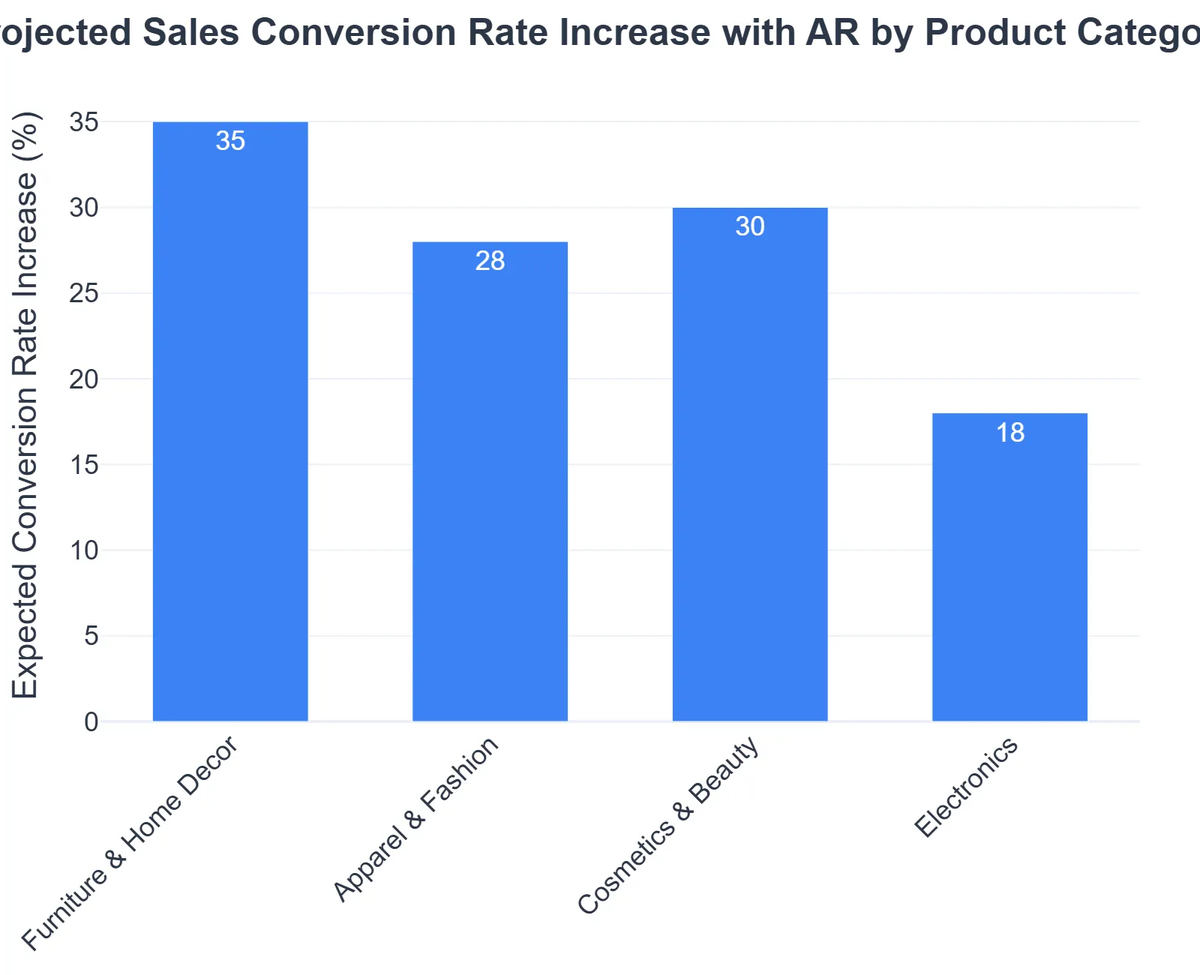
This innovative approach is redefining how consumers discover, evaluate, and purchase products. It moves beyond static images and videos, offering a dynamic, personalized, and highly engaging way to connect with brands. For businesses, AR represents a powerful tool to bridge the gap between online convenience and the tangible experience of in-store shopping, addressing critical pain points like product visualization and purchase uncertainty. The impact is profound, leading to more confident buying decisions and a significant reduction in returns.
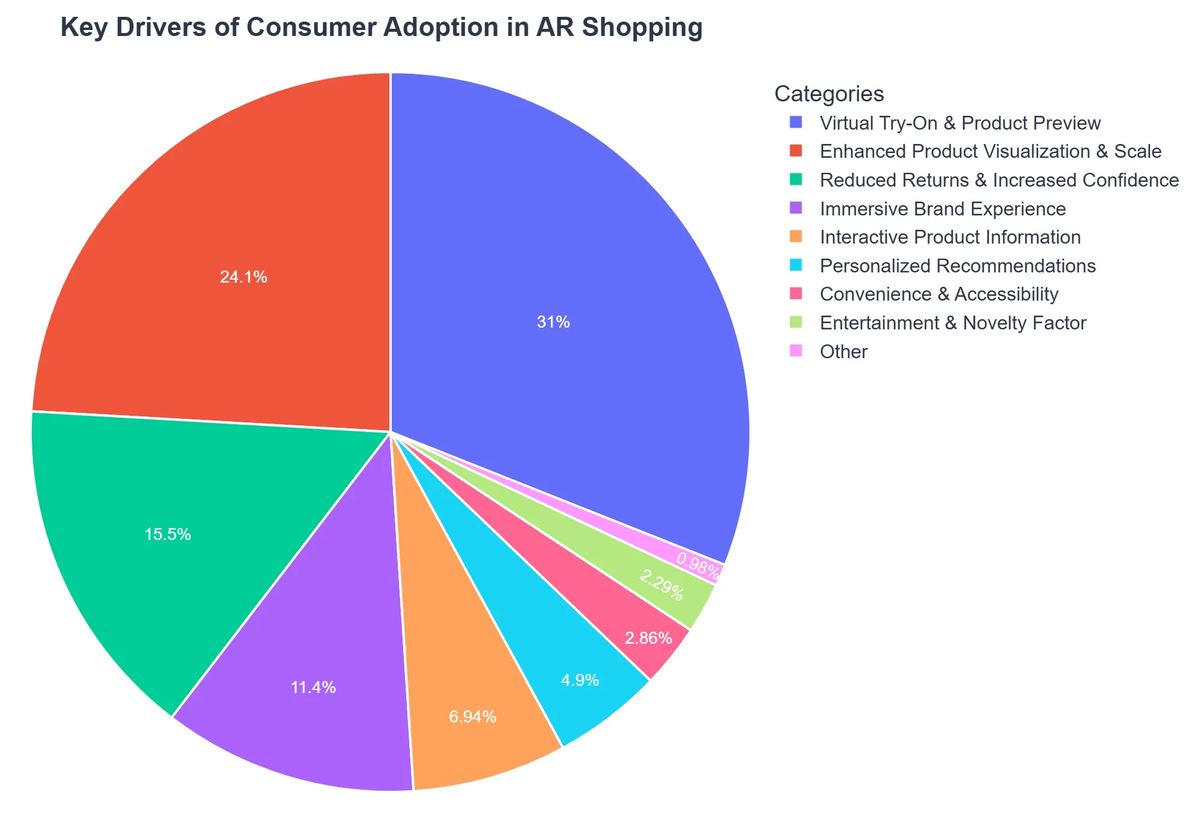
In This Article
- → What is Augmented Reality Shopping and Why It Matters
- — 💡 Key Takeaways
- → Key Use Cases: How AR is Transforming Retail Experiences
- → Benefits of Augmented Reality for Retailers and Consumers
- — For Consumers:
- — For Retailers:
- → Challenges and the Road Ahead for AR Shopping
- — Technological & Development Barriers:
- — Adoption & User Experience Challenges:
- → Future Outlook: The Evolution of Immersive Retail
Key Use Cases: How AR is Transforming Retail Experiences
Augmented reality’s versatility allows for a wide array of applications across various retail sectors, each designed to enhance specific aspects of the shopping journey. These applications are not just novelties; they offer tangible benefits for both consumers and businesses.
Augmented Reality Shopping: Pros and Cons
Pros
- ✔Enhanced product visualization and ‘try before you buy’ experiences.
- ✔Reduced product returns due to better fit and understanding.
- ✔More engaging and interactive shopping experience.
- ✔Convenience of virtual try-ons from home.
Cons
- ✖High development and implementation costs for retailers.
- ✖Requires compatible devices, limiting accessibility for some users.
- ✖Potential for technical glitches or inaccurate renderings.
- ✖Privacy concerns regarding environmental data collection.
- ✅ Virtual Try-On: Perhaps the most recognizable application, virtual try-on allows customers to digitally “wear” clothing, glasses, jewelry, or makeup. Using their device’s camera, users can see how an item looks on them in real-time, greatly reducing guesswork.
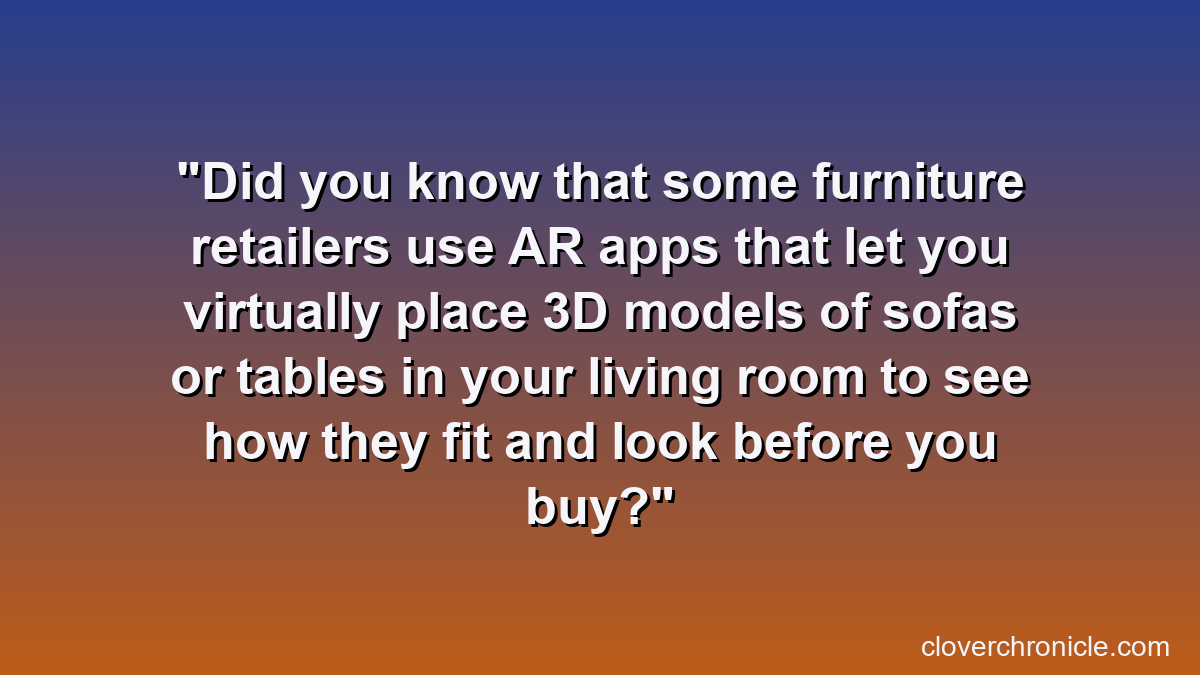
- ➡️ In-Home Product Placement: For larger items like furniture, appliances, or decor, AR apps enable customers to visualize how products will fit and look in their actual living spaces before making a purchase. This eliminates the need for tape measures and imagination, providing concrete visual confirmation.
- 💡 Interactive Product Information: Imagine scanning a product in a store with your phone and instantly seeing detailed specifications, customer reviews, instructional videos, or even alternative color options overlaid on the physical item. AR can transform static displays into rich, interactive information hubs.
- 🛍️ Enhanced In-Store Navigation: For large retail spaces, AR can guide shoppers directly to specific products or departments, provide real-time promotions, or offer scavenger hunt-style games to enhance engagement.
- 📊 Customization and Configuration: AR allows customers to customize products, such as configuring a car’s features or designing a piece of jewelry, and see the changes reflected immediately in a 3D model placed in their environment.
For a comprehensive understanding of how this technology is being applied across various sectors, explore our guide on Augmented Reality: A Comprehensive Guide to AR Applications.
Benefits of Augmented Reality for Retailers and Consumers
The adoption of AR in retail is driven by a compelling suite of advantages that cater to both sides of the transaction. From boosting consumer confidence to streamlining operational efficiencies for businesses, the benefits are clear.
For Consumers:
- ✅ Reduced Purchase Anxiety: By allowing customers to “try before they buy” or visualize products in their own space, AR significantly lowers the uncertainty associated with online shopping. This leads to more confident purchases.
- ➡️ Enhanced Decision-Making: Access to rich, interactive product information and realistic visualizations empowers consumers to make more informed choices, ensuring the product meets their expectations.
- 💡 Engaging and Memorable Experiences: AR transforms passive browsing into an active, immersive, and often fun experience. This heightened engagement can foster stronger emotional connections with brands.
- 🏠 Convenience and Accessibility: Shoppers can explore products from anywhere, at any time, bringing the fitting room or showroom directly into their homes.
For Retailers:
- 📈 Increased Conversion Rates: Brands utilizing AR often report higher conversion rates as customers feel more assured in their purchasing decisions.
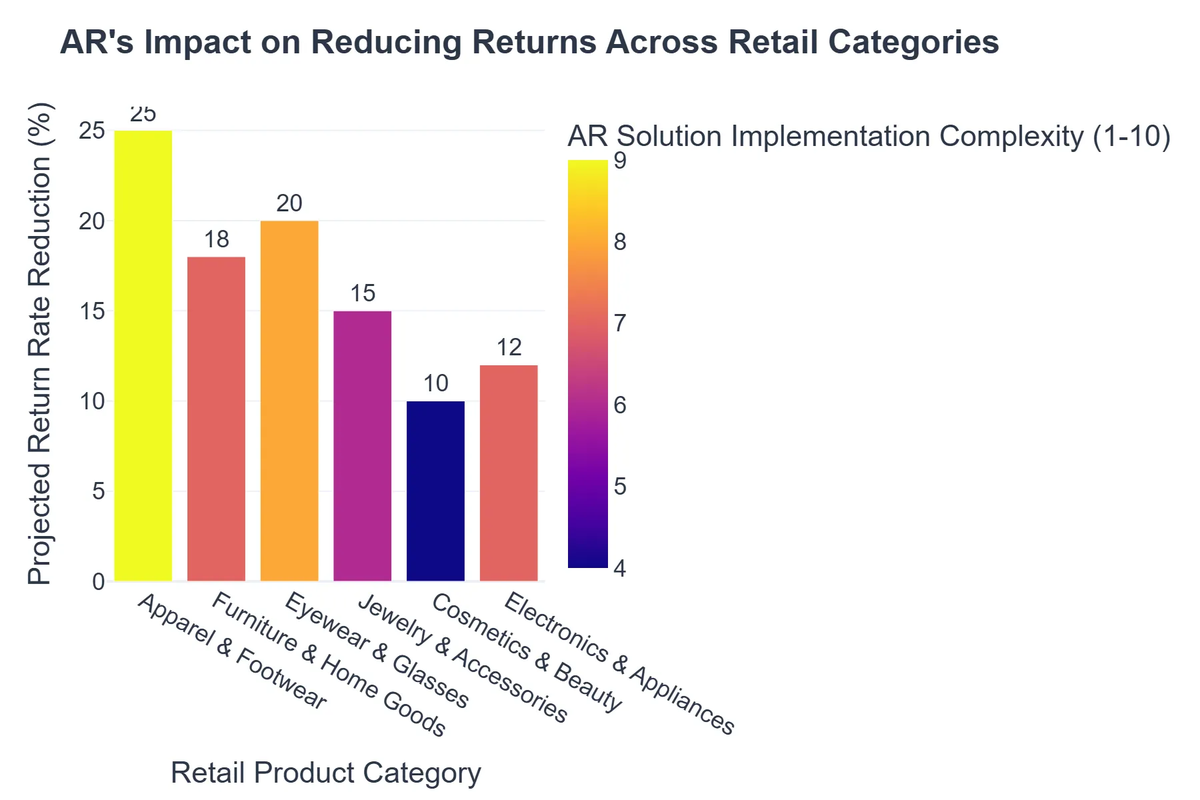
- 📉 Reduced Product Returns: Accurate visualization minimizes discrepancies between customer expectations and the actual product, leading to a significant decrease in costly returns.
- 🤝 Enhanced Brand Loyalty: Offering innovative and convenient shopping experiences sets retailers apart, fostering customer satisfaction and repeat business. As Forbes highlights, AR in retail “enhances customer engagement and satisfaction.” Augmented Reality in Retail: The Future of Shopping Experience
- 📊 Richer Data Insights: AR interactions can provide valuable data on customer preferences, product popularity, and engagement patterns, informing future product development and marketing strategies.
- 🚀 Competitive Edge: Early adopters of effective augmented reality shopping apps gain a significant advantage in a crowded market, attracting tech-savvy consumers.
Dive deeper into the broader impact of this technological shift with our article on Augmented Technology: Exploring the Future of AR and its Impact.
Challenges and the Road Ahead for AR Shopping
While the promise of AR shopping is immense, its widespread adoption isn’t without hurdles. Addressing these challenges is crucial for the technology to reach its full potential and truly become the future of retail.
Technological & Development Barriers:
- ⚙️ Hardware Limitations: Current smartphone capabilities vary, and dedicated AR glasses are still nascent, limiting the quality and accessibility of AR experiences for some users.
- ➡️ 3D Model Creation: Generating high-quality, accurate 3D models for entire product catalogs is resource-intensive and can be a significant bottleneck for retailers. This often requires specialized expertise and tools.
- 💡 Scalability and Integration: Integrating AR capabilities seamlessly into existing e-commerce platforms and supply chains requires robust infrastructure and technical proficiency.
Adoption & User Experience Challenges:
- 📱 User Experience Consistency: Ensuring a smooth, intuitive, and consistent AR experience across different devices and environments remains a challenge. Clunky or slow AR apps deter users.
- 🤔 Consumer Awareness & Education: Many consumers are still unaware of the capabilities of AR shopping or how to effectively use AR features, requiring ongoing education and intuitive design.
- 💰 Cost of Implementation: For smaller businesses, the initial investment in AR technology, content creation, and app development can be prohibitive.
Despite these challenges, advancements in mobile processing power, 5G connectivity, and sophisticated AR development kits are continually lowering barriers. Retailers are increasingly investing in AR solutions, recognizing the long-term competitive advantages. If you’re considering integrating AR, understanding how to choose the right partner is key. Check out our insights on selecting the Best Augmented Reality App Development Company: How to Choose. Shopify also offers great insights into current AR trends in retail, noting that “AR is already helping brands build buzz and brand awareness.” AR Technology in Retail: Use Cases and Benefits (2025) – Shopify
Recommended Video
Future Outlook: The Evolution of Immersive Retail
The trajectory of augmented reality shopping points towards an increasingly integrated and immersive retail future. As AR technology matures and becomes more ubiquitous, we can anticipate several key developments that will further revolutionize how we shop.
- 🌐 Ubiquitous AR Experiences: AR will move beyond smartphone apps, becoming seamlessly integrated into smart glasses and other wearables, offering hands-free, always-on shopping opportunities.
- 🧠 AI & AR Synergy: Artificial intelligence will power more personalized AR shopping experiences, offering tailored recommendations, dynamic pricing based on context, and even AI-driven virtual sales assistants within AR environments.
- 🛍️ Persistent AR Worlds: Imagine digital storefronts that exist permanently in specific real-world locations, accessible to anyone with an AR device. This could create entirely new forms of discovery and interaction.
- 🔗 Omnichannel Convergence: AR will further dissolve the boundaries between online and offline retail, creating truly seamless omnichannel experiences where customers can transition effortlessly between digital discovery and physical interaction.
- 🚀 Metaverse Integration: While distinct from VR, AR will play a critical role in the broader metaverse vision, enabling real-world objects and experiences to interact with digital assets and virtual identities. This creates new opportunities for brands to build immersive brand worlds.
The journey towards fully realized immersive commerce is ongoing, but the foundation laid by today’s augmented reality shopping apps is paving the way for a future where retail is more intuitive, personalized, and engaging than ever before. To truly chart the course of tomorrow’s technology, including these transformative retail applications, delve into our pillar content: Future Perfect?: Charting the Course of Tomorrow’s Technology.
What is augmented reality shopping?
Augmented reality shopping involves using AR technology to overlay digital information or virtual objects onto the real world, allowing shoppers to visualize products in their own environment or virtually try on items before purchase.
How does AR benefit retailers?
Retailers benefit from AR by increasing customer engagement, reducing product returns, enhancing brand perception, providing personalized experiences, and driving higher conversion rates through interactive product displays.
What kind of products can use AR for shopping?
AR is effective for a wide range of products including furniture and home decor, clothing and accessories, cosmetics, electronics, and even automobiles, allowing customers to visualize scale, fit, or appearance.
Is AR shopping accessible to everyone?
While AR technology is becoming more mainstream, accessibility can depend on smartphone capabilities, internet connectivity, and the availability of AR-enabled apps or web experiences from retailers. Efforts are ongoing to make it more universal.