Best Augmented Reality App Development Company: How to Choose
The landscape of technological innovation is constantly evolving, and at the forefront of this transformation is Augmented Reality (AR). From enhancing retail experiences to revolutionizing industrial training, AR is no longer a futuristic concept but a tangible business tool. As more enterprises recognize its potential, the demand for expert augmented reality app development company services is soaring.
💡 Key Takeaways
- Define your project scope and goals clearly before seeking a developer.
- Prioritize companies with a strong portfolio and proven AR expertise.
- Evaluate communication, collaboration, and post-launch support.
- Understand the potential of AR for future innovation beyond your initial project.
“As AR integrates deeper into our daily lives, selecting a development partner isn’t just about code; it’s about finding a visionary who can navigate the ethical implications and future societal impact of your immersive creation.”
— Kira Chen, Futurist & AI Ethics Advocate
Choosing the right partner for your AR project isn’t just about finding a developer; it’s about securing a strategic ally who understands your vision and can translate it into a compelling, functional AR experience. This comprehensive guide will equip you with the knowledge and actionable steps to select the best augmented reality app development company for your unique needs, ensuring your venture into AR is successful and impactful. For a deeper dive into the broader technological shifts shaping our world, explore our insights on Future Perfect?: Charting the Course of Tomorrow’s Technology.
In This Article
- → Best Augmented Reality App Development Company: How to Choose
- — 💡 Key Takeaways
- → Why Augmented Reality is Reshaping Industries
- — 💡 Key Applications and Market Growth
- — 🎯 The Business Advantage of AR
- → Understanding Your AR Project Needs
- — 🤔 Defining Your Vision and Goals
- — 💰 Budget and Timeline Considerations
- — ⚙️ Technical Requirements and Platform Choice
- → Key Criteria for Evaluating an Augmented Reality App Development Company
- — ✅ Experience and Portfolio in AR
- — 🛠️ Technical Expertise and Tech Stack
- — 🤝 Communication and Project Management
- — 📈 Post-Launch Support and Maintenance
- → The Selection Process: From Research to Partnership
- — 🔍 Where to Find Reputable AR Developers
- — 📝 Crafting an Effective Request for Proposal (RFP)
- — 🗣️ The Interview and Vetting Stage
- → Avoiding Common Pitfalls When Choosing an AR Partner
- — 🚩 Red Flags to Watch Out For
- — ⚖️ Balancing Cost and Quality
- → Conclusion
Why Augmented Reality is Reshaping Industries

Augmented Reality overlays digital information onto the real world, creating enhanced interactive experiences. This technology is not merely a novelty; it’s a powerful tool driving significant business value across diverse sectors.
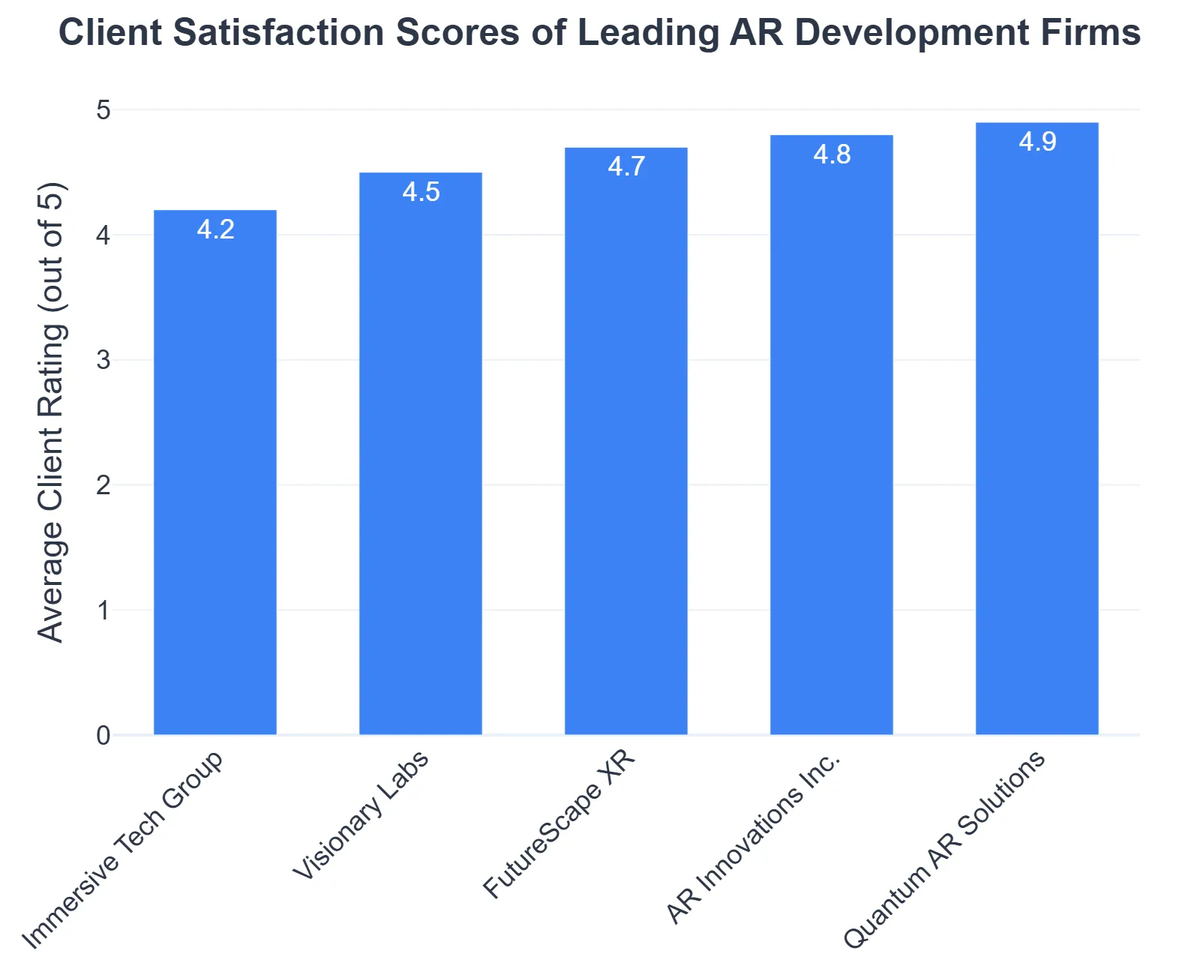
💡 Key Applications and Market Growth
- ✅ Retail & E-commerce: Allowing customers to virtually “try on” clothes, place furniture in their homes, or preview products. Learn more about its impact in Augmented Reality Shopping: The Future of Retail.
- ✅ Healthcare: Assisting surgeons with precise overlays during operations, aiding medical students in anatomy lessons, or helping patients visualize treatment plans.
- ✅ Education & Training: Creating immersive learning environments, providing hands-on training for complex machinery, or visualizing abstract concepts.
- ✅ Manufacturing & Logistics: Guiding technicians through assembly processes, overlaying maintenance instructions on equipment, or optimizing warehouse navigation.
- ✅ Entertainment & Gaming: Delivering captivating interactive games and experiences that blend digital content with physical surroundings.
The market for augmented reality solutions continues to expand, driven by advancements in mobile technology and increased enterprise adoption. This growth underscores the critical need for specialized augmented reality mobile app development expertise.
🎯 The Business Advantage of AR
Investing in augmented reality app development offers several distinct advantages:
- ➡️ Enhanced Customer Engagement: AR provides unique, memorable, and highly interactive experiences that capture attention and foster deeper connection.
- ➡️ Improved Efficiency & Productivity: In industrial settings, AR can reduce errors, streamline workflows, and accelerate training.
- ➡️ Reduced Costs: By enabling remote assistance or virtual prototyping, AR can significantly cut down on travel and physical resource needs.
- ➡️ Competitive Differentiation: Early adopters of AR technology can gain a significant edge over competitors.
Understanding Your AR Project Needs
Before you even begin searching for an augmented reality development company, a clear understanding of your own project’s requirements is paramount. This clarity will not only streamline your search but also help you articulate your vision effectively to potential partners.
Augmented Reality App Development Company Selection: Pros & Cons
Pros
- ✔Access to specialized AR expertise and cutting-edge technologies.
- ✔Ensures high-quality, stable, and performant application development.
- ✔Accelerates time-to-market with efficient development processes.
- ✔Offers long-term cost-effectiveness through expert solutions and support.
Cons
- ✖Requires significant upfront investment and potentially high costs.
- ✖Difficulty in identifying the truly best and most suitable partner.
- ✖Potential for communication issues and misaligned project expectations.
- ✖Risks related to intellectual property sharing and vendor lock-in.
🤔 Defining Your Vision and Goals
Start by asking fundamental questions about what you want to achieve:
- ✅ What specific problem will your AR application solve?
- ✅ Who is your target audience, and what are their needs?
- ✅ What unique value proposition will your AR app offer?
- ✅ How will you measure the success of the AR application? (e.g., increased sales, reduced training time, higher engagement).
💰 Budget and Timeline Considerations
AR app development can range widely in cost and duration depending on complexity, features, and platform. Be realistic about your financial allocation and desired launch date.
- ✅ Budget Range: Have a clear idea of your minimum and maximum spend. This will help filter out companies that are either too expensive or suspiciously cheap. For detailed insights into financial planning, consult our guide on AR App Development Cost: A Comprehensive Guide.
- ✅ Timeline: Define critical milestones and your overall launch window. This helps companies assess feasibility and resource allocation.
⚙️ Technical Requirements and Platform Choice
Your technical specifications will largely dictate the expertise required from your development partner.
Elite Home Furnishings Boosts Conversions with Strategic AR Partnership
❓The Challenge
Elite Home Furnishings faced a common e-commerce challenge: customers struggled to visualize large furniture pieces in their homes, leading to high cart abandonment and product return rates.
💡The Solution
Guided by the principles of ‘How to Choose the Best Augmented Reality App Development Company,’ Elite Home Furnishings meticulously selected a strategic AR partner known for their retail expertise, ensuring a collaborative approach to develop a ‘Visualize in Your Space’ AR feature.
🏆The Result
The implementation of the AR tool led to a 28% increase in online conversion rates for products featuring the AR option and a 12% reduction in product returns due to sizing or fit issues.
- ✅ Platform: Will your AR app be for iOS (ARKit), Android (ARCore), web-based AR (WebAR), or cross-platform? Some companies specialize in specific platforms.
- ✅ Features: List out all desired functionalities, from basic object recognition to complex 3D rendering, persistent AR experiences, or multi-user interactions.
- ✅ Integration: Will the AR app need to integrate with existing CRM, ERP, e-commerce, or analytics systems?
A well-defined scope ensures that your chosen augmented reality development company can provide an accurate estimate and deliver a solution that truly meets your objectives. For a broader overview of AR applications, see Augmented Reality: A Comprehensive Guide to AR Applications.
Key Criteria for Evaluating an Augmented Reality App Development Company
Once you have a clear vision of your project, it’s time to assess potential partners. Here are the crucial factors to consider:
✅ Experience and Portfolio in AR
This is arguably the most critical factor. Look for a company with a proven track record specifically in augmented reality app development.
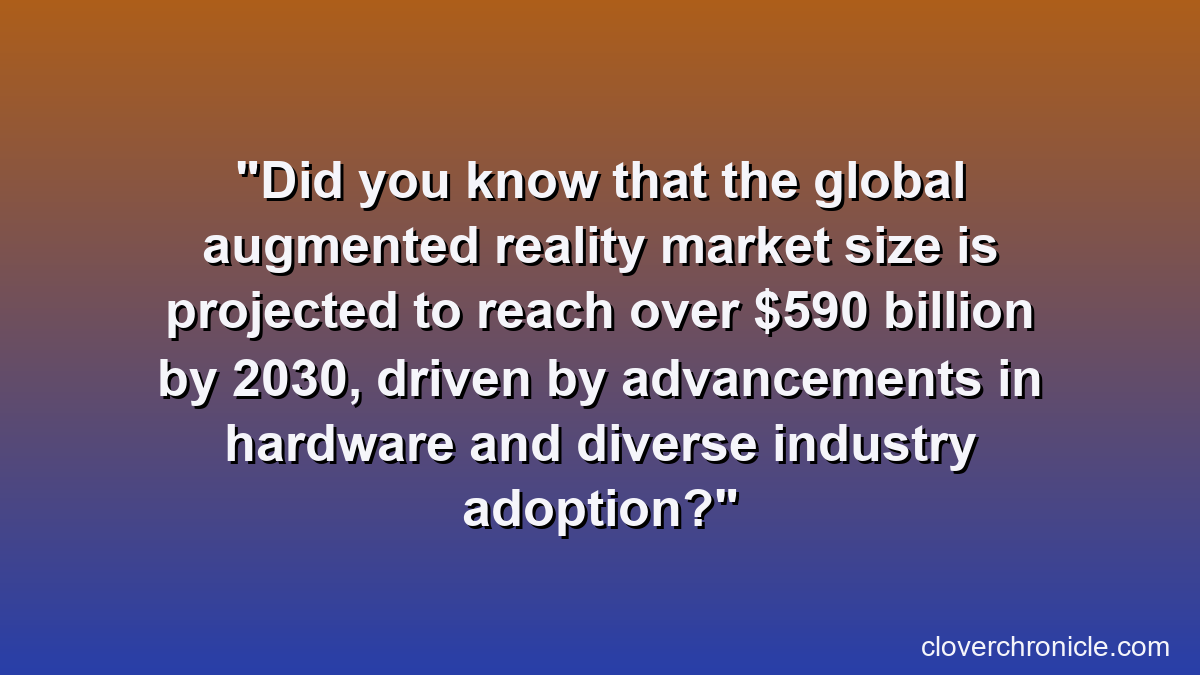
- ➡️ Dedicated AR Projects: Do they have a portfolio showcasing diverse AR applications? Examine the quality, complexity, and user experience of their past work.
- ➡️ Industry Relevance: Have they worked on AR projects within your specific industry? While not always mandatory, industry experience can be a significant advantage.
- ➡️ Client Testimonials & Reviews: Look for feedback on platforms like Clutch, GoodFirms, or their own website to gauge client satisfaction and project success rates.
🛠️ Technical Expertise and Tech Stack
The best augmented reality app development companies employ skilled developers proficient in the latest AR technologies and frameworks.
- ➡️ AR SDKs: Proficiency in ARKit (iOS), ARCore (Android), Unity, Unreal Engine, Vuforia, Wikitude, or similar tools. Refer to expert guides on AR development tools for deeper insight.
- ➡️ 3D Modeling & Animation: Strong capabilities in creating high-quality 3D assets are crucial for compelling AR experiences.
- ➡️ Backend Development: If your app requires server-side logic, data storage, or integrations, assess their backend expertise.
- ➡️ Quality Assurance (QA): A robust QA process is essential for bug-free and high-performing AR applications.
🤝 Communication and Project Management
Effective communication is the bedrock of any successful development partnership.
- ➡️ Transparency: Do they provide clear communication channels, regular updates, and honest assessments of progress and challenges?
- ➡️ Project Methodology: Do they use Agile, Scrum, Waterfall, or a hybrid approach? Ensure their methodology aligns with your preferences and project needs.
- ➡️ Dedicated Project Manager: A single point of contact can significantly streamline communication and decision-making.
- ➡️ Cultural Fit: While not purely technical, a good cultural fit can ensure smoother collaboration and understanding.
📈 Post-Launch Support and Maintenance
An AR app is not a “set it and forget it” product. Ongoing support is vital.
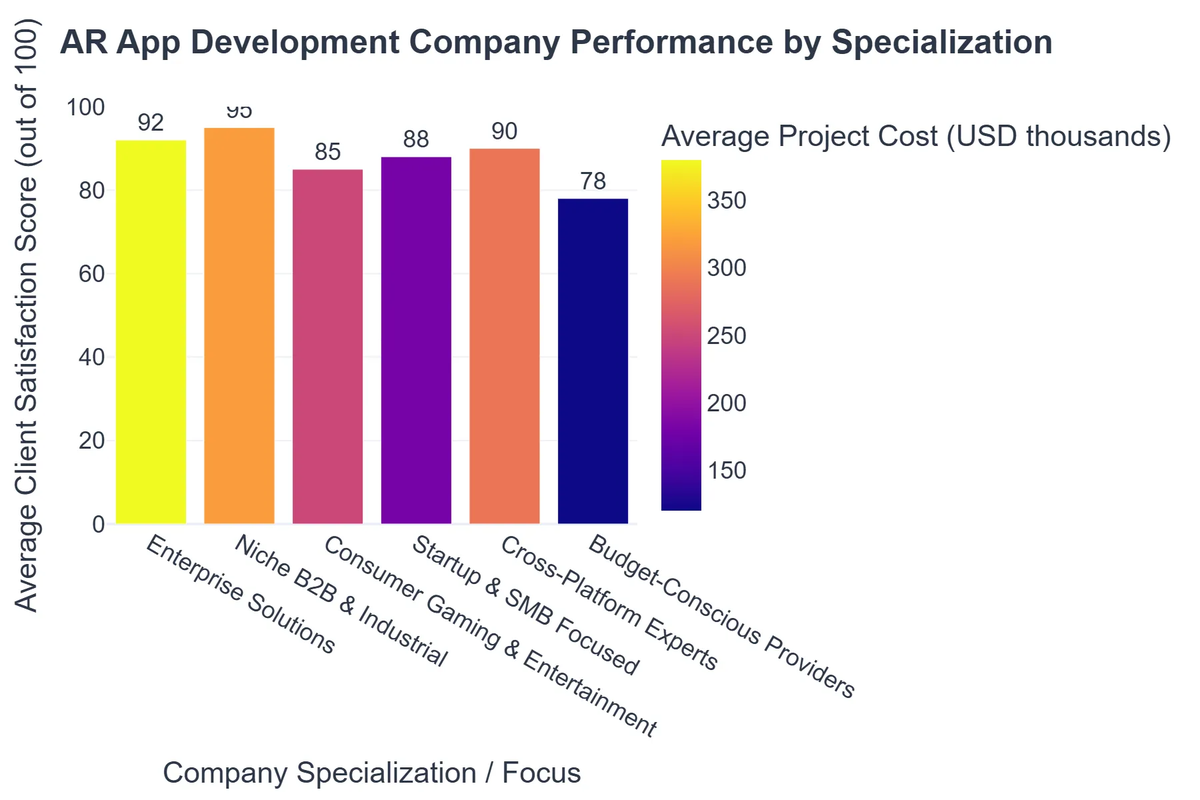
- ➡️ Bug Fixes & Updates: What are their terms for post-launch bug resolution and compatibility updates for new OS versions or AR SDKs?
- ➡️ Scalability: Can they help scale your application as your user base or feature requirements grow?
- ➡️ Feature Enhancements: Do they offer ongoing development services for future iterations and new features?
The Selection Process: From Research to Partnership
Navigating the selection of an augmented reality development company requires a structured approach. Follow these steps to narrow down your choices and make an informed decision.
🔍 Where to Find Reputable AR Developers
- ✅ Online Directories & Platforms: Websites like Clutch, GoodFirms, and Manifest list and review development companies, often with client testimonials and portfolio details. Explore curated lists of top AR app developers for initial research.
- ✅ Industry Events & Conferences: Attending tech expos and AR/VR conferences can connect you directly with leading development firms.
- ✅ Referrals: Ask colleagues, industry contacts, or other businesses for recommendations based on their positive experiences.
- ✅ Online Search: Targeted searches for “top augmented reality app development company” or “augmented reality mobile app development services” can yield relevant results.
📝 Crafting an Effective Request for Proposal (RFP)
Once you have a shortlist, send out an RFP that clearly outlines your project.
- ➡️ Project Overview: Briefly describe your business and the purpose of the AR app.
- ➡️ Goals & Objectives: What do you aim to achieve with this AR solution?
- ➡️ Target Audience & Use Cases: Who will use the app and how?
- ➡️ Technical Requirements: Platforms, features, integrations, preferred tech stack.
- ➡️ Budget & Timeline: Indicate your preferred range and desired delivery dates.
- ➡️ Evaluation Criteria: How will you assess their proposal (e.g., portfolio, technical approach, cost, team structure)?
🗣️ The Interview and Vetting Stage
Don’t just rely on proposals. Schedule interviews with your top candidates.
- ✅ Ask for Case Studies: Request detailed case studies of their most relevant AR projects.
- ✅ Meet the Team: If possible, meet the actual developers and project managers who will be working on your project.
- ✅ Technical Assessment: Ask about their development process, QA procedures, and how they handle challenges.
- ✅ Reference Checks: Contact past clients to verify the company’s claims and service quality.
- ✅ Clarify Pricing Models: Understand their pricing structure (fixed-price, time & material, dedicated team) and what’s included in the quote.
Avoiding Common Pitfalls When Choosing an AR Partner
The journey to finding the ideal augmented reality app development company can have its challenges. Being aware of potential pitfalls can save you time, money, and headaches.
🚩 Red Flags to Watch Out For
- ➡️ Unrealistic Promises: Be wary of companies promising groundbreaking features or extremely fast delivery at unbelievably low prices.
- ➡️ Lack of AR-Specific Portfolio: If their portfolio is generic mobile app development without strong AR examples, they might lack specialized expertise.
- ➡️ Poor Communication: If initial communication is slow, unclear, or unresponsive, it’s a sign of potential issues during the project.
- ➡️ Refusal to Sign NDAs: A reputable company will be willing to sign a Non-Disclosure Agreement to protect your intellectual property.
- ➡️ No Clear Process: A professional firm will have a well-defined development process, from discovery to deployment and post-launch support.
⚖️ Balancing Cost and Quality
While budget is a significant consideration, choosing the cheapest option can often lead to costly reworks, delays, and a substandard product. Focus on value for money.
- ✅ Long-Term Value: A slightly higher initial investment in a top-tier augmented reality app development company can result in a more robust, scalable, and successful application that delivers better ROI over time.
- ✅ Hidden Costs: Ensure the quote is comprehensive and includes all aspects like design, development, testing, project management, and post-launch support. Ask about potential extra charges.
- ✅ Payment Milestones: A reputable company will usually structure payments based on project milestones, ensuring you only pay for completed and approved work.
Recommended Video
Conclusion
The decision of choosing the best augmented reality app development company is a strategic one that will significantly impact the success of your project. By clearly defining your needs, meticulously evaluating potential partners based on their experience, technical prowess, communication, and support, you can forge a partnership that brings your AR vision to life.
As augmented technology continues to advance, selecting a competent and reliable partner is more crucial than ever. With the right team, your AR application can not only meet but exceed expectations, setting new benchmarks in your industry. The future is augmented, and with careful selection, you can be at its forefront.
Frequently Asked Questions
What should I look for in an AR development company’s portfolio?
Look for diverse AR projects, client testimonials, and a clear understanding of various AR SDKs (e.g., ARKit, ARCore). Pay attention to user experience and technical complexity.
How important is industry-specific experience for an AR developer?
While not always mandatory, industry-specific experience can be highly beneficial as it means the developer already understands your market’s unique challenges and opportunities within AR.
What are common pitfalls to avoid when hiring an AR company?
Avoid companies with unclear pricing, poor communication, lack of post-launch support, or those that don’t prioritize user-centric design in their AR solutions.