Aurora Borealis: Understanding the Northern Lights
Few natural phenomena captivate the human spirit quite like the celestial dance of the northern lights aurora. Known scientifically as the aurora borealis, these shimmering curtains of light painting the polar night sky are more than just a beautiful spectacle; they are a direct, visible connection to the dynamic processes occurring within our solar system. As experts in Cosmic Queries: Probing the Mysteries of the Universe, we’re here to unravel the science, mysticism, and practicalities of witnessing this unparalleled cosmic display.
💡 Key Takeaways
- The Aurora Borealis is caused by charged particles from the sun interacting with Earth’s magnetic field and atmosphere.
- Visibility is highest during clear, dark nights in high-latitude regions, especially around the equinoxes.
- The colors of the aurora are determined by the type of gas atoms involved and the altitude at which interactions occur.
- Solar activity, such as solar flares and CMEs, directly influences the intensity and frequency of auroral displays.
“The aurora isn’t just a light show; it’s the dynamic interface between our star and our planet, a visible symphony of cosmic energy. It’s a reminder that even at the edge of space, physics paints the most beautiful pictures.”
— Astrid Bellweather, Astrophysicist & Science Fiction Consultant
In This Article
- → Aurora Borealis: Understanding the Northern Lights
- — 💡 Key Takeaways
- → What Exactly Are the Aurora Borealis and Northern Lights?
- → ⚙️ The Science Behind the Spectacle: How Aurora Borealis Forms
- — ☀️ The Solar Wind: The Aurora’s Fuel
- — 🧲 Earth’s Magnetic Shield
- — ⚡ Collision in the Atmosphere
- → 🎨 The Dazzling Colors of the Northern Lights: Decoding Their Hues
- → 🗺️ Where and When to Witness the Aurora Borealis
- — 📍 Best Locations: The Auroral Oval
- — 🗓️ Best Time of Year
- — ⏰ Best Time of Night
- → 📸 Planning Your Northern Lights Adventure: Essential Viewing Tips
- → Beyond Earth: Auroras in the Wider Cosmos
- → Conclusion: The Enduring Magic of the Northern Lights
What Exactly Are the Aurora Borealis and Northern Lights?
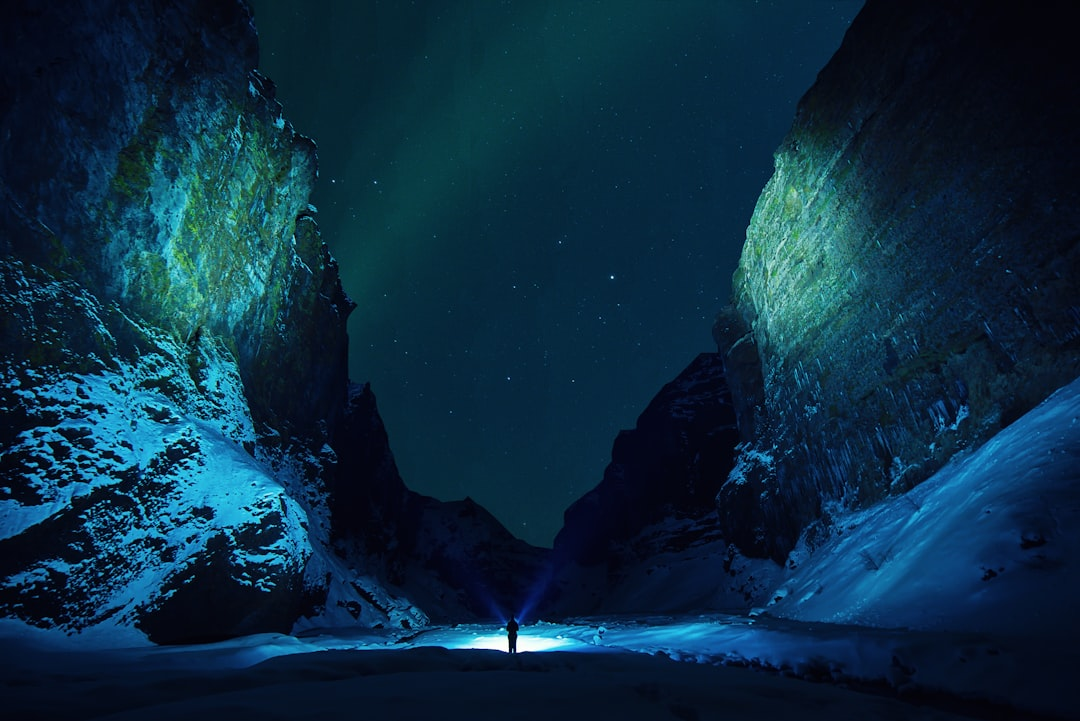
The terms “aurora borealis” and “northern lights” are used interchangeably to describe the same stunning natural light display that primarily occurs in high-latitude regions around the Arctic. While breathtaking to behold, their origin is purely scientific, rooted in the intricate interactions between the Sun, Earth’s magnetic field, and our atmosphere.
- ✨ Aurora Borealis: The scientific name for the northern lights, derived from Aurora, the Roman goddess of dawn, and Boreas, the Greek god of the north wind.
- 🌎 Northern Lights: The more common, evocative term used by the general public, perfectly describing their appearance in the northern hemisphere.
- 🌌 A Cosmic Connection: They serve as a vibrant reminder that Earth is constantly bathed in solar energy and interacts with the space environment.
⚙️ The Science Behind the Spectacle: How Aurora Borealis Forms
The genesis of the aurora is a fascinating ballet of particles and magnetic fields. It begins on our Sun, approximately 93 million miles away.
☀️ The Solar Wind: The Aurora’s Fuel
The Sun constantly emits a stream of charged particles, primarily electrons and protons, known as the solar wind. These particles are ejected from the Sun’s upper atmosphere, the corona, and travel at immense speeds across the solar system. Sometimes, the Sun also releases massive bursts of plasma and magnetic field, called Coronal Mass Ejections (CMEs), which can significantly intensify auroral displays. To learn more about this connection, explore our article on Northern Lights and Solar Storms: A Cosmic Connection.
🧲 Earth’s Magnetic Shield
Fortunately, Earth possesses a powerful magnetic field, acting as a protective shield against the constant bombardment of solar particles. Most of the solar wind is deflected, but some particles are trapped and guided by this field towards the magnetic poles.
⚡ Collision in the Atmosphere
As these energetic particles descend into Earth’s upper atmosphere (typically 60 to 300 miles above the surface), they collide with atoms and molecules of gases like oxygen and nitrogen. These collisions excite the atmospheric gases, causing them to emit light. This process is very similar to how a neon sign works, where electricity excites gas within a tube to produce light.
For a detailed scientific explanation, consider consulting resources like the Royal Museums Greenwich’s explanation of the Northern Lights.
🎨 The Dazzling Colors of the Northern Lights: Decoding Their Hues
The mesmerizing colors of the northern lights aurora are not random; they are a direct result of the type of gas being excited and the altitude at which the collisions occur. Each gas emits light at specific wavelengths when energized.
The Aurora Borealis Experience: Pros and Cons
Pros
- ✔Awe-inspiring and unique natural spectacle.
- ✔Provides educational insights into space weather and Earth’s magnetic field.
- ✔Offers exceptional photography opportunities.
- ✔Promotes travel to beautiful Arctic and sub-Arctic regions.
Cons
- ✖Highly unpredictable and dependent on weather and solar activity.
- ✖Often requires expensive travel to remote, cold locations.
- ✖Viewing conditions can be harsh (extreme cold, long nights).
- ✖No guarantee of seeing them even after traveling.
- 🟢 Green (Most Common): Produced by oxygen atoms at lower altitudes (around 60-150 miles). This is the most frequently seen color and is often described as a yellowish-green.
- 🔴 Red (Rarer, Higher Altitude): Emitted by oxygen atoms at higher altitudes (above 150 miles). Red auroras are less common and often appear at the top edges of the auroral curtains.
- 🔵 Blue and Purple (Lower Altitude): Result from nitrogen molecules and atoms. Blue usually occurs at lower altitudes, while purple and pink are often a mix of red and blue, indicating collisions with both oxygen and nitrogen at various altitudes.
- ⚪ White/Pale Yellow: Often seen when the aurora is very faint or when multiple colors are blending.
🗺️ Where and When to Witness the Aurora Borealis
Spotting the aurora borealis and northern lights requires being in the right place at the right time. Your best bet is to head to the auroral oval, a region circling Earth’s magnetic poles.
📍 Best Locations: The Auroral Oval
The auroral oval expands and contracts with solar activity, but generally, the best places to witness the northern lights include:
- 🇮🇸 Iceland: Accessible and often offers incredible views.
- 🇳🇴 Norway: Tromsø and the Lofoten Islands are world-renowned.
- 🇸🇪 Sweden: Abisko National Park is famous for its “Blue Hole.”
- 🇫🇮 Finland: Lapland offers a magical backdrop.
- 🇨🇦 Canada: Yukon, Northwest Territories (Yellowknife), and Northern Manitoba. The Canadian Space Agency provides excellent insights into the northern lights.
- 🇺🇸 Alaska (USA): Fairbanks is a prime viewing spot.
🗓️ Best Time of Year
The darkest months offer the best viewing opportunities for the aurora borealis:
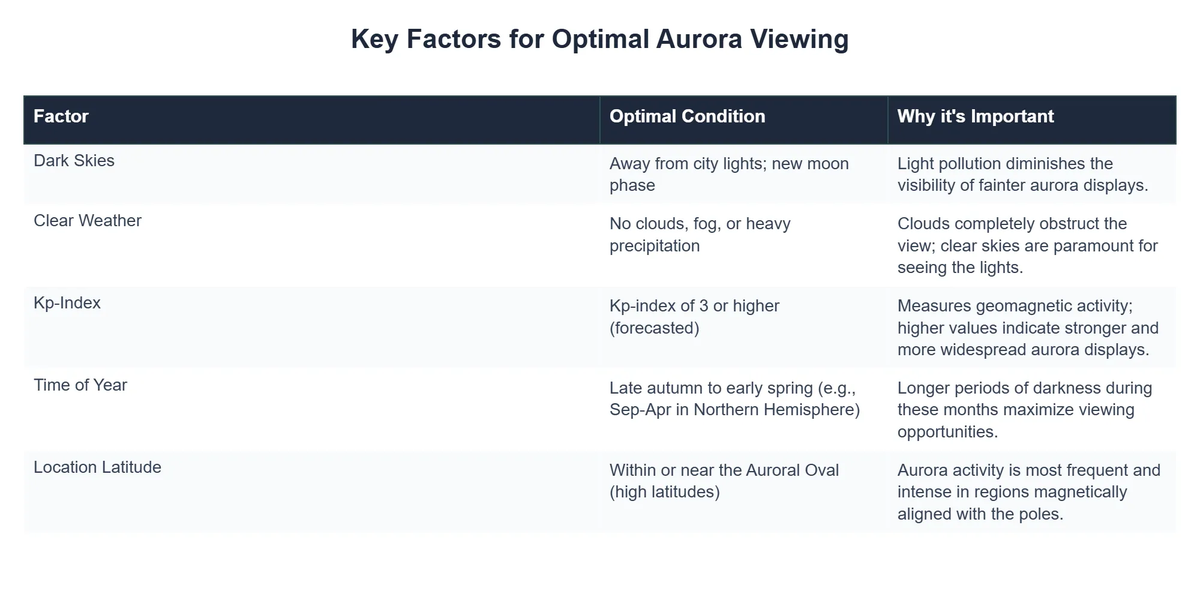
- Late August to April: This period offers the necessary darkness.
- Winter Months (November to March): Generally the peak time due to longer nights and often clearer skies (though cold!).
⏰ Best Time of Night
The hours around local midnight (10 PM to 2 AM) are often the most active, but the aurora can appear any time it’s dark enough, from just after dusk until dawn.
How ‘Arctic Wanderlust Tours’ Boosted Northern Lights Bookings by 25%
❓The Challenge
Arctic Wanderlust Tours faced low conversion rates for their high-value Northern Lights packages, as potential customers were hesitant due to a lack of understanding about the aurora’s predictability and scientific basis.
💡The Solution
They strategically integrated the scientific explanations from the ‘Aurora Borealis: Understanding the Northern Lights’ article into their marketing content and pre-trip educational materials. This approach demystified the phenomenon, explaining solar wind, Earth’s magnetic shield, and atmospheric interactions.
🏆The Result
Within three months, their conversion rate for Northern Lights tour bookings increased by 25%, and customer satisfaction scores related to trip expectations rose by 18%.
📸 Planning Your Northern Lights Adventure: Essential Viewing Tips
Seeing the northern lights is often a once-in-a-lifetime experience, and careful planning significantly increases your chances of success.
- 🌑 Seek Dark Skies: Get away from city lights. Light pollution severely diminishes the aurora’s visibility.
- ☁️ Monitor the Weather: Clear skies are essential. Clouds will obscure the view.
- 📊 Check the Kp Index: This geomagnetic activity index (ranging from 0-9) indicates the likelihood and intensity of the aurora. A Kp of 3 or higher is generally good, with higher numbers meaning more widespread and intense displays.
- 🌡️ Dress Warmly: You’ll be spending time outdoors in cold conditions. Layers are crucial.
- 📱 Use Aurora Forecasting Apps: Many apps provide real-time Kp index, cloud cover, and probability forecasts.
- 📸 Bring a Camera: A camera with manual settings (long exposure) is often better at capturing the aurora than the human eye, especially fainter displays. Don’t forget a tripod!
- 🚌 Consider Northern Lights Tour Packages: Many destinations offer guided tours that take you to optimal viewing locations, often including transport, hot drinks, and expert guides who understand the science and local conditions. These packages can significantly enhance your experience, especially if you’re unfamiliar with the region.
Beyond Earth: Auroras in the Wider Cosmos
While the aurora borealis is unique to Earth in its specific manifestation, the phenomenon of auroras is not exclusive to our planet. Other planets in our solar system that possess magnetic fields and atmospheres also exhibit their own versions of these cosmic light shows.
- 🪐 Gas Giants: Jupiter, Saturn, Uranus, and Neptune all display auroras. These are often far more powerful and occur at different wavelengths (like UV or X-ray) due to their stronger magnetic fields and different atmospheric compositions.
- 💫 Unique Characteristics: Saturn’s auroras, for instance, are particularly majestic and offer incredible insights into the planet’s magnetosphere. For a fascinating look at these extraterrestrial displays, read about Saturn Auroras: Majestic Lights Beyond Earth.
- 🤝 Shared Physics: Despite their differences, the underlying physics – charged particles interacting with magnetic fields and planetary atmospheres – remains the same across the cosmos.
Understanding the aurora borealis and northern lights on Earth helps us grasp similar phenomena occurring throughout the universe, connecting our terrestrial experience to the grand cosmic dance.
Recommended Video
Conclusion: The Enduring Magic of the Northern Lights
The aurora borealis is more than just a scientific spectacle; it’s a powerful reminder of the beauty and complexity of our universe. From the Sun’s energetic breath to Earth’s protective magnetic embrace, every element plays its part in painting the night sky with ethereal light. Whether you’re a seasoned astronomer or a curious traveler, witnessing the northern lights aurora is an experience that transcends mere observation, connecting you to the vast, ongoing cosmic narrative.
Planning to witness this natural wonder? Remember the tips for optimal viewing, consider the convenience and expertise offered by Northern Lights Tour Packages, and prepare to be utterly spellbound by one of Earth’s most magnificent natural wonders. Don’t forget to also compare it with its southern counterpart in our article: Aurora Borealis vs. Aurora Australis: A Comparison.
Frequently Asked Questions
Where are the best places to see the Aurora Borealis?
Prime viewing locations are within the ‘auroral oval’ at high latitudes, including parts of Alaska, Canada, Scandinavia, Iceland, and Siberia.
What colors can the aurora be, and why?
The most common color is green (from oxygen). Red (higher altitude oxygen) and blue/purple (nitrogen) are also seen, with colors depending on gas type and altitude of collision.
When is the best time to see the Northern Lights?
The best time is during the dark, clear nights of the winter months (September to April) in the Northern Hemisphere, ideally around midnight.