


In an era defined by unprecedented environmental challenges, global efforts to safeguard our planet’s invaluable natural heritage are more critical than ever. The United Nations Biodiversity Conference, known as the Conference of the Parties (COP), stands as a pivotal forum for international collaboration on this front. The most recent iteration, COP16 Biodiversity, held in Cali, Colombia, represented a crucial juncture for advancing the global agenda to halt and reverse biodiversity loss.
💡 Key Takeaways
- COP16 aimed to accelerate global efforts to halt biodiversity loss and restore ecosystems.
- Key outcomes include enhanced financial commitments and new frameworks for nature-positive development.
- The conference emphasized the critical link between climate change and biodiversity collapse.
- Implementation remains a significant challenge, requiring robust international cooperation.
“From a geophysical perspective, the success of COP16 isn’t just about policy; it’s about re-establishing the delicate balance of Earth’s life support systems. Biodiversity is our planet’s resilient infrastructure against climate extremes.”
— Marcus Sterling, Geophysical Explorer & Climate Dynamics Analyst
This comprehensive article dives deep into the key outcomes of COP16, exploring its global impact, the commitments made, and the path forward for protecting the rich tapestry of life on Earth. As experts in Earth’s Unseen Forces: The Hidden Dynamics of Our Planet, we understand that biodiversity is not merely an ecological concept; it’s the very foundation of planetary stability and human well-being.
In This Article
- — 💡 Key Takeaways
- → What is COP16 Biodiversity and Why Does it Matter?
- — 📜 The Context: Building on COP15’s Legacy
- — 🚨 The Urgency of Biodiversity Loss
- → Key Outcomes and Commitments from COP16
- — 🎯 Advancing the Kunming-Montreal Global Biodiversity Framework (GBF)
- — 💰 Financial Mobilization for Nature
- — 🤝 Role of Indigenous Peoples and Local Communities (IPLCs)
- — 💼 Sectoral Integration and Business Engagement
- → Global Impact and Regional Perspectives
- — 🌎 Implications for Developing Nations
- — 🇪🇺 North American and European Responses
- → Challenges and Next Steps
- — 🚧 Bridging the Funding Gap
- — 📊 Ensuring Effective Implementation
- — 🔍 Monitoring and Accountability
- → How COP16 Aligns with Earth’s Unseen Forces
- — 🌐 The Interconnectedness of Life
- — ⚙️ Human Impact on Planetary Systems
- → Conclusion: A Stepping Stone for Nature’s Future
What is COP16 Biodiversity and Why Does it Matter?
COP16 served as a critical follow-up to the landmark COP15 in Montreal, which adopted the Kunming-Montreal Global Biodiversity Framework (GBF). The framework provides a strategic plan for biodiversity conservation, setting ambitious targets for 2030 and a vision for living in harmony with nature by 2050.
📜 The Context: Building on COP15’s Legacy
COP15 delivered the “Paris Agreement for Nature,” a comprehensive framework with 23 global targets. COP16’s primary role was to operationalize and accelerate the implementation of these targets. Delegates from around the world convened to translate ambitious goals into actionable plans, focusing on financing, monitoring, and equitable participation.
🚨 The Urgency of Biodiversity Loss
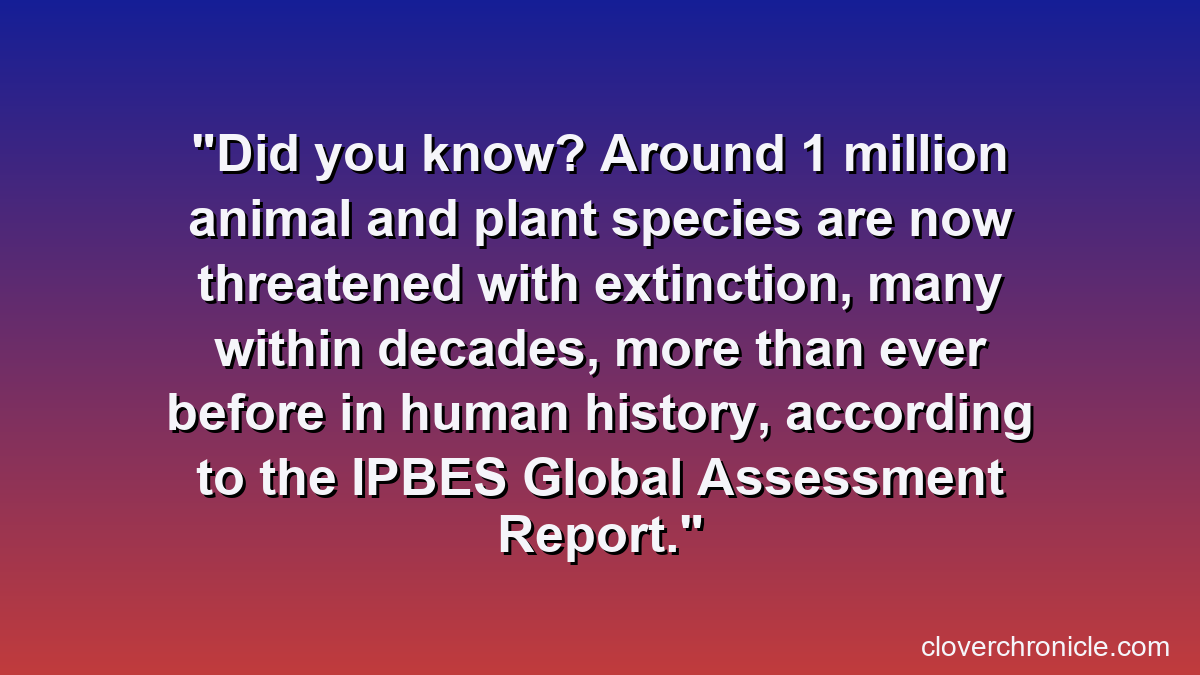
The urgency driving these conferences cannot be overstated. Scientific reports consistently warn of accelerating species extinction rates and ecosystem degradation, threatening vital services like clean water, air, food, and climate regulation. Understanding why Biodiversity: Why It Matters for Planet Earth is fundamental to appreciating the significance of COP16’s deliberations.
- 📉 Rapid Decline: Species are disappearing at rates unprecedented in human history.
- 🌊 Ecosystem Collapse: Key ecosystems, from coral reefs to rainforests, face severe threats.
- 🌍 Human Well-being: The degradation of nature directly impacts human health, livelihoods, and economic stability.
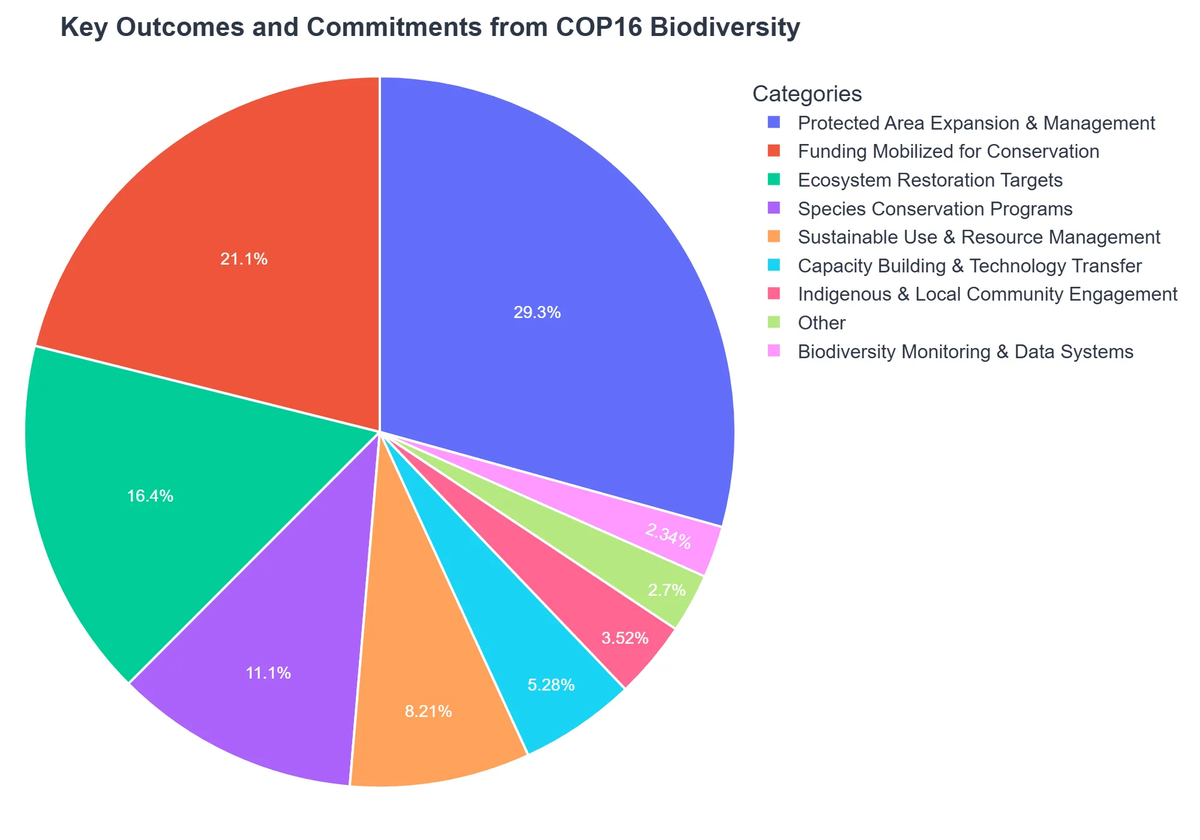
Key Outcomes and Commitments from COP16

COP16 saw nations making significant strides in several key areas, aiming to provide a clearer roadmap for the GBF’s implementation. The discussions highlighted both progress and persistent challenges, particularly concerning resource mobilization.
🎯 Advancing the Kunming-Montreal Global Biodiversity Framework (GBF)
A core focus of COP16 was to solidify the mechanisms for implementing the GBF’s 23 targets. This involved developing clearer guidelines and indicators for national reporting and action plans.
- ✅ National Biodiversity Strategies and Action Plans (NBSAPs): Nations committed to updating and submitting robust NBSAPs that align with the GBF targets.
- ✅ Monitoring Framework: Discussions aimed at refining the global monitoring framework to track progress effectively.
- ✅ Capacity Building: Emphasis was placed on strengthening the capacity of developing countries to meet their biodiversity commitments.
💰 Financial Mobilization for Nature
Perhaps one of the most contentious, yet crucial, aspects of the negotiations was finance. There was a strong call to bridge the significant funding gap for biodiversity conservation. While progress was made, a definitive agreement on a new, dedicated fund for biodiversity proved challenging, echoing discussions from COP15. However, momentum gathered around innovative financing mechanisms and increasing existing contributions.
COP16 Biodiversity Summit: Potential Outcomes and Challenges
Pros
- ✔Strengthened global biodiversity targets and implementation.
- ✔Increased financial pledges for conservation efforts.
- ✔Enhanced international cooperation and capacity building.
- ✔Greater integration of biodiversity into national policies.
Cons
- ✖Risk of insufficient or unfulfilled financial commitments.
- ✖Challenges in effective implementation and monitoring globally.
- ✖Potential for limited legally binding commitments.
- ✖Difficulties in achieving consensus among diverse nations.
- ➡️ Increased Funding Calls: Nations reiterated the need for substantial financial resources, particularly for developing countries.
- ➡️ Innovative Financing: Exploration of mechanisms beyond traditional aid, including private sector engagement and carbon credits.
- ➡️ Role of Multilateral Banks: Calls for multilateral development banks to increase their biodiversity-positive investments.
🤝 Role of Indigenous Peoples and Local Communities (IPLCs)
COP16 reinforced the indispensable role of Indigenous Peoples and Local Communities in biodiversity conservation. Their traditional knowledge and practices are recognized as vital for effective and equitable conservation outcomes.
- 💡 Rights-Based Approach: Stronger emphasis on respecting the rights, territories, and traditional knowledge of IPLCs.
- 💡 Inclusive Participation: Ensuring IPLCs are actively involved in decision-making processes related to conservation.
💼 Sectoral Integration and Business Engagement
Recognizing that biodiversity loss is driven by activities across various sectors, COP16 pushed for greater integration of biodiversity considerations into all economic activities. The private sector’s role was particularly highlighted.
- ➡️ Nature-Positive Business: Encouragement for businesses to transition to nature-positive models, minimizing negative impacts and maximizing positive contributions.
- ➡️ Financial Sector Engagement: Call for financial institutions to assess and disclose biodiversity-related risks and opportunities. As highlighted by Coremarkets, understanding these outcomes is crucial for businesses. For more on this, see COP15 Biodiversity: Decoding the Global Plan to Save Nature.
Global Impact and Regional Perspectives
The outcomes of COP16 will reverberate globally, influencing national policies, international aid, and corporate strategies. The conference’s location in Latin America also brought a strong regional focus to the discussions, particularly concerning the Amazon rainforest and other critical Global Biodiversity Hotspots: Critical Regions for Conservation.
🌎 Implications for Developing Nations
For many developing nations, the success of the GBF hinges on adequate financial and technical support. COP16 acknowledged this need, with discussions focusing on mechanisms to ensure equitable implementation and benefits.
- ✅ Capacity Building: Programs to enhance the scientific and technical capabilities of biodiversity-rich developing countries.
- ✅ Technology Transfer: Facilitating access to sustainable technologies for conservation and sustainable use.
🇪🇺 North American and European Responses
Major economies in North America and Europe face internal pressures to align their domestic policies with the GBF. Their commitments at COP16 are expected to translate into revised national biodiversity strategies, increased funding for international initiatives, and stronger regulatory frameworks for businesses.
- ➡️ Policy Alignment: National environmental policies in these regions are expected to be updated to reflect GBF targets.
- ➡️ International Funding: Continued and potentially increased contributions to global biodiversity funds and initiatives.
Challenges and Next Steps
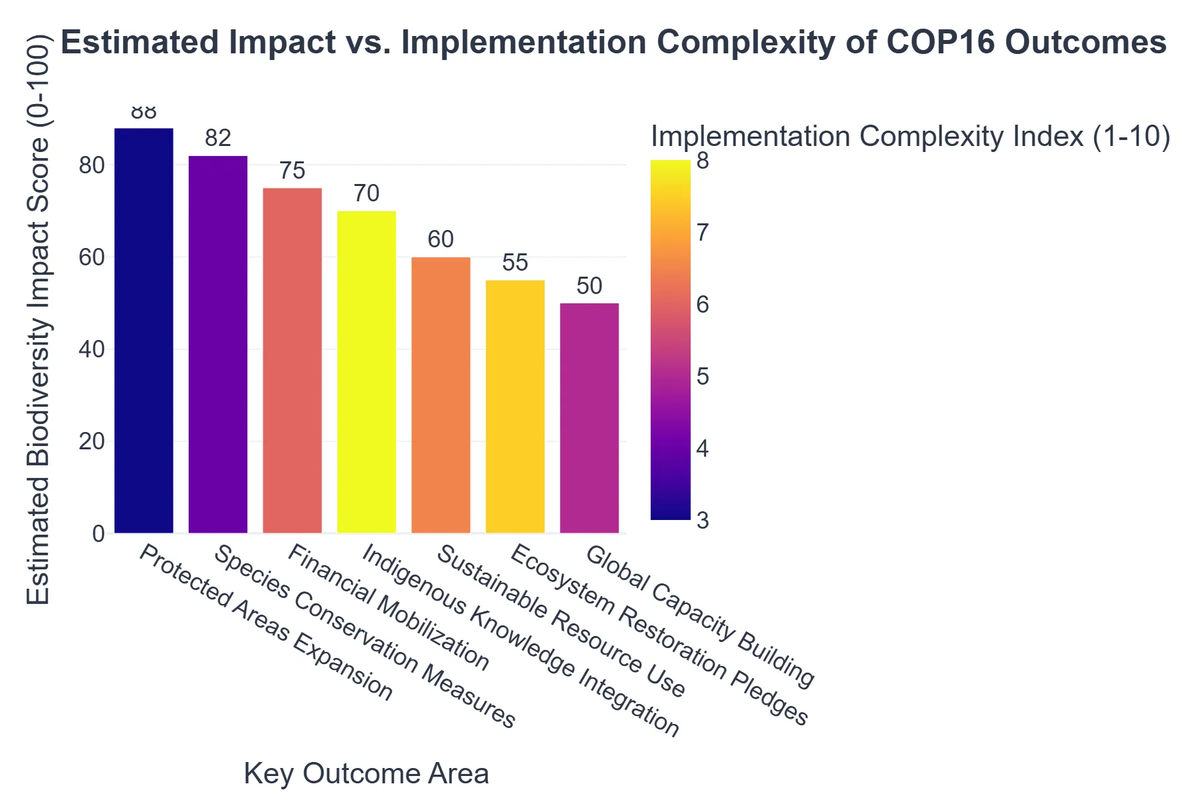
While COP16 marked important progress, the path ahead remains challenging. Implementing the GBF requires sustained political will, significant financial investment, and robust accountability mechanisms.
🚧 Bridging the Funding Gap
The gap between the financial resources needed for effective biodiversity conservation and those currently available remains substantial. Future efforts must focus on creative solutions to mobilize both public and private finance. IISD notes that while COP16 delivered key outcomes, questions remain regarding funding. For further context on the intricate relationship between ecological health and economic stability, consider delving into Ecosystem Diversity: Crucial for Life on Earth.
📊 Ensuring Effective Implementation
Turning commitments into tangible action at national and local levels is the ultimate test. This requires strong governance, stakeholder engagement, and clear reporting frameworks.
- ✅ National Action Plans: The quality and ambition of updated NBSAPs will be critical.
- ✅ Subnational Engagement: Empowering local governments and communities to implement conservation efforts.
🔍 Monitoring and Accountability
Robust monitoring systems are essential to track progress, identify shortcomings, and ensure accountability. COP16 emphasized the need for transparent reporting and periodic reviews of national contributions.
- ✅ Data Collection: Improving biodiversity data collection and sharing.
- ✅ Regular Reviews: Establishing regular review cycles to assess progress against GBF targets.
How COP16 Aligns with Earth’s Unseen Forces
The outcomes of COP16 are deeply intertwined with the “unseen forces” that govern our planet. Biodiversity is not a standalone element but an integral part of the complex, interconnected systems that sustain life.
🌐 The Interconnectedness of Life
COP16 underscored the scientific understanding that ecosystems are deeply interconnected. The loss of a single species or the degradation of one habitat can trigger cascading effects throughout the biosphere. This intricate web is precisely what we refer to when discussing the Biosphere, Biodiversity & Ecosystem Stability: An Interconnected Web.
⚙️ Human Impact on Planetary Systems
The conference also highlighted the profound impact of human activities on Earth’s natural dynamics. From land-use change to pollution and climate change, our actions are exerting immense pressure on biodiversity. COP16’s efforts represent a global acknowledgement of the need to realign human systems with planetary boundaries.
Recommended Video
Conclusion: A Stepping Stone for Nature’s Future
COP16 Biodiversity marked another crucial step in the global journey to safeguard our planet’s invaluable natural heritage. While significant progress was made in areas like financial mobilization and stakeholder inclusion, the conference also illuminated the immense challenges that remain. The true success of COP16 will ultimately be measured by the tangible actions taken by nations, businesses, and communities in the years to come.
The commitments forged in Cali provide a stronger foundation for implementing the Kunming-Montreal Global Biodiversity Framework. It’s a call to action for every sector of society to play its part in securing a nature-positive future, ensuring that the Earth’s unseen forces continue to support a thriving, diverse planet for generations to come. For more detailed insights into the conference’s proceedings, you can refer to authoritative sources such as Nature.org’s summary of COP16.
Frequently Asked Questions
What is COP16 Biodiversity?
COP16 (Conference of the Parties) on Biodiversity is a major international meeting where global leaders assess progress and set new targets for conserving biological diversity.
Where was COP16 Biodiversity held?
COP16 Biodiversity was held in Cali, Colombia.
What was a main goal of COP16?
A main goal was to review progress on the Kunming-Montreal Global Biodiversity Framework and strengthen commitments to halt and reverse nature loss.
How does biodiversity loss affect climate change?
Biodiversity loss weakens ecosystems, reducing their capacity to absorb carbon, regulate water cycles, and protect against extreme weather, thus exacerbating climate change impacts.