


Our planet is a living, breathing entity, constantly shaped by powerful, often unseen forces. Among the most fundamental of these is its climate – a complex interplay of atmospheric, oceanic, and terrestrial dynamics that dictates everything from the air we breathe to the food we grow. Understanding the earth climate system is not merely an academic exercise; it’s crucial for comprehending the world around us and anticipating the changes that lie ahead.
💡 Key Takeaways
- Earth’s climate encompasses long-term weather patterns shaped by diverse interacting systems.
- Key components of weather include temperature, pressure, humidity, and precipitation.
- Global atmospheric circulation and ocean currents are fundamental drivers of climate zones.
- Understanding climate dynamics is crucial for predicting environmental changes and impacts.
“Our planet’s weather systems are a magnificent symphony of energy and motion, intricately linked to the broader climate. To truly understand Earth, we must first decipher the nuanced dance between its atmosphere, oceans, and land.”
— Marcus Sterling, Geophysical Explorer & Climate Dynamics Analyst
This comprehensive guide delves into the intricate mechanisms that govern the climate of Earth, exploring its core components, driving forces, and the profound impact it has on life. Whether you’re a student, a curious citizen, or someone passionate about environmental science, prepare to uncover the hidden dynamics of our planet’s weather systems.
In This Article
- — 💡 Key Takeaways
- → Understanding the Fundamentals: Climate vs. Weather
- — ☀️ What is Weather?
- — 🌍 What is Climate?
- — The Critical Distinction
- → Key Components of Earth’s Climate System
- — 🌬️ The Atmosphere: Our Gaseous Blanket
- — 💧 The Hydrosphere: Oceans, Lakes, and Ice
- — 🌎 The Geosphere: Landforms and Cycles
- — 🌱 The Biosphere: Life’s Interconnection
- — ❄️ The Cryosphere: Earth’s Frozen Realms
- → Driving Forces Behind Global Climate
- — 🌞 Solar Radiation: The Primary Energy Source
- — 🔄 Atmospheric Circulation: Winds and Currents
- — 🌊 Ocean Currents: Global Heat Distribution
- — 🌋 Volcanic Activity and Natural Variability
- → Earth’s Major Climate Zones and Weather Patterns
- — 🌡️ Tropical Climates (A)
- — 🏜️ Dry Climates (B)
- — temperate Climates (C)
- — 🌲 Continental Climates (D)
- — ❄️ Polar Climates (E)
- — El Niño and La Niña: Global Weather Shapers
- → The Impact of Climate on Life and Ecosystems
- — 🌿 Adapting to Climate: Biodiversity Hotspots
- — 🚨 Climate Change: A Modern Challenge
- → Exploring Our Planet’s Weather Systems: A Dynamic Dance
- — 🌪️ From Cyclones to Anticyclones
- — ⚡ The Role of Pressure Systems
- — 💧 Precipitation Patterns: Rain, Snow, and More
- → Conclusion
Understanding the Fundamentals: Climate vs. Weather
While often used interchangeably, “weather” and “climate” represent distinct concepts. Grasping this difference is foundational to exploring Earth’s atmosphere and its long-term patterns.
☀️ What is Weather?
- ✅ Weather refers to the atmospheric conditions at a specific place and time.
- ➡️ It’s what you experience day-to-day: temperature, humidity, precipitation, wind, cloud cover, and atmospheric pressure.
- 💡 Think of weather as a snapshot – it can change by the hour or even minute.
🌍 What is Climate?
- ✅ Climate, conversely, describes the average weather conditions in a particular region over a long period, typically 30 years or more.
- ➡️ It encompasses the patterns of temperature, humidity, atmospheric pressure, wind, precipitation, atmospheric particulate count, and many other meteorological variables.
- 💡 Climate is the long-term trend, the “average” of all those daily weather snapshots.
The Critical Distinction
The difference is like comparing a person’s mood (weather) to their personality (climate). A single bad day doesn’t change someone’s personality, just as a single hot summer doesn’t alter a region’s overall climate. However, consistent changes in daily moods over a long period could indicate a personality shift, just as sustained changes in weather patterns point to a shift in the climate on Earth.
Key Components of Earth’s Climate System

The global climate system is an intricate network of five major interacting components, each playing a vital role in regulating the planet’s energy balance and weather patterns. These interactions define the very nature of Earth and climate science.
🌬️ The Atmosphere: Our Gaseous Blanket
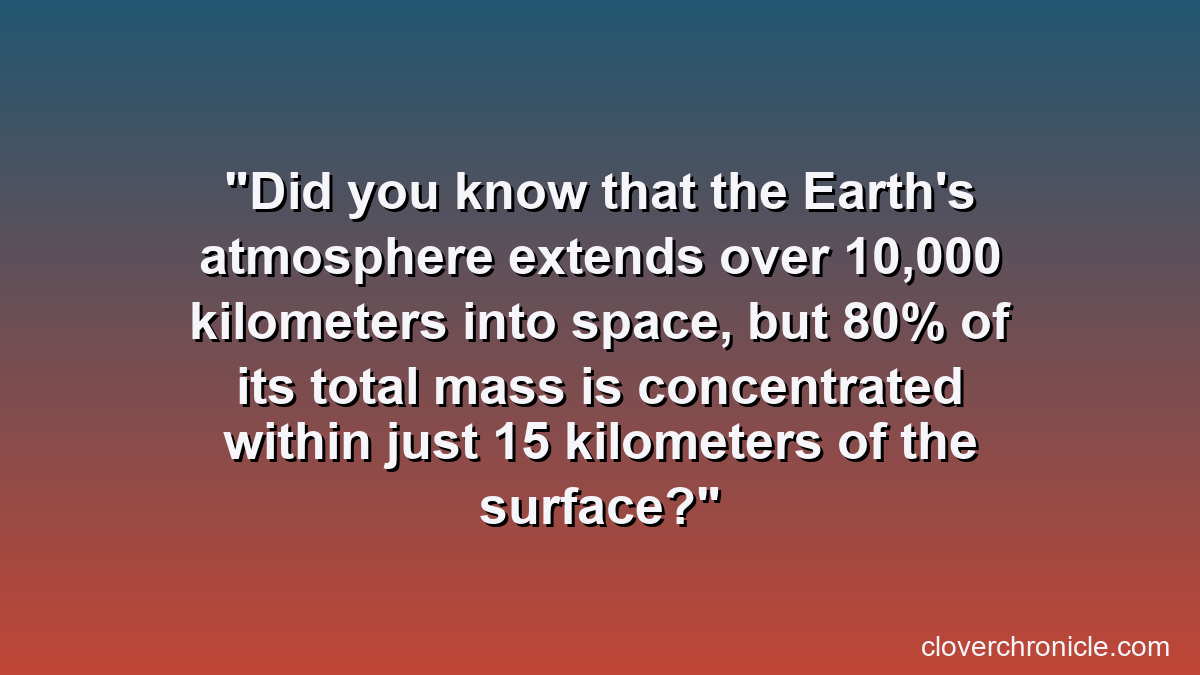
The atmosphere is the layer of gases surrounding Earth, vital for life. It comprises nitrogen (78%), oxygen (21%), and trace gases like argon, carbon dioxide, and water vapor. This thin veil traps heat, distributes moisture, and shields us from harmful solar radiation.
- ✅ Greenhouse Effect: Natural greenhouse gases like CO2 and water vapor trap heat, keeping the planet warm enough to sustain life.
- ➡️ Weather Phenomena: All weather events – from gentle breezes to powerful hurricanes – occur within the atmosphere. For a deeper understanding of specific atmospheric dynamics, consider exploring topics like Monin-Obukhov Similarity Theory: Atmospheric Boundary Layers Explained.
💧 The Hydrosphere: Oceans, Lakes, and Ice
Comprising all water on Earth, the hydrosphere is dominated by the oceans, which cover about 71% of the surface. Oceans are massive heat reservoirs, absorbing, storing, and transporting vast amounts of heat around the globe.
- ✅ Heat Regulation: Oceans absorb much of the sun’s energy, slowing global warming and influencing atmospheric temperatures.
- ➡️ Ocean Currents: Vast currents, driven by wind, temperature, and salinity differences, act like conveyor belts, redistributing heat from the equator towards the poles and vice versa. Learn more about the vibrant life and dynamics within these waters in our article on Marine Ecosystems: Diverse Examples and Vital Dynamics.
- 💡 Evaporation: Evaporation from oceans provides the moisture for precipitation, driving the global water cycle. According to NOAA Ocean Explorer, the ocean plays a critical role in Earth’s climate and weather patterns by absorbing solar radiation and distributing heat globally. (Source: NOAA Ocean Explorer)
🌎 The Geosphere: Landforms and Cycles
This component includes Earth’s crust, mantle, and core, along with surface features like mountains, deserts, and forests. Landforms influence wind patterns and precipitation, while geological processes like volcanism can inject aerosols and gases into the atmosphere, affecting global temperatures.
🌱 The Biosphere: Life’s Interconnection
The biosphere encompasses all living things on Earth, from the deepest ocean trenches to the highest mountain peaks. Vegetation plays a crucial role in the water cycle through evapotranspiration and influences the carbon cycle by absorbing carbon dioxide for photosynthesis.
❄️ The Cryosphere: Earth’s Frozen Realms
Comprising all ice on Earth – glaciers, ice sheets, snow cover, and sea ice – the cryosphere is highly reflective. Its bright surfaces reflect solar radiation back into space, helping to cool the planet. Changes in the cryosphere, such as melting ice, can significantly impact global sea levels and ocean currents.
Driving Forces Behind Global Climate
The intricate dance of these components is orchestrated by several powerful forces, making the climate on Earth a truly dynamic system.
🌞 Solar Radiation: The Primary Energy Source
The sun is the ultimate driver of Earth’s climate. The amount of solar radiation reaching Earth, its distribution across the globe, and how much is absorbed or reflected, profoundly influences temperatures and atmospheric circulation.
How Green Harvest Farms Boosted Yield Consistency Through Climate Intelligence
❓The Challenge
Green Harvest Farms faced unpredictable yields and significant annual crop losses because their planting and irrigation schedules were reactively based on short-term weather forecasts, leading to poor long-term planning.
💡The Solution
After studying the principles outlined in ‘Earth’s Climate: Exploring Our Planet’s Weather Systems,’ Green Harvest Farms began differentiating between daily weather and long-term climate patterns. They integrated an understanding of regional climate components and historical trends into their agricultural strategy.
🏆The Result
This shift to climate-informed decision-making resulted in a 15% reduction in annual crop loss and a 20% increase in average yield consistency over two growing seasons.
🔄 Atmospheric Circulation: Winds and Currents
Uneven heating of Earth’s surface (more at the equator, less at the poles) creates temperature and pressure differences, driving atmospheric circulation. These global wind patterns, like the trade winds and jet streams, redistribute heat and moisture around the planet.
🌊 Ocean Currents: Global Heat Distribution
Just as winds circulate in the atmosphere, vast currents circulate in the oceans. These currents, both surface and deep-ocean, move immense volumes of warm and cold water, significantly influencing regional and global climates. For example, the Gulf Stream transports warm water to Northern Europe, making its climate milder than other regions at similar latitudes. Research institutions like Berkeley Earth contribute significantly to our understanding of these complex systems through extensive data analysis. (Source: Berkeley Earth)
🌋 Volcanic Activity and Natural Variability
While human activities are the dominant force behind recent climate change, natural factors also influence climate variability. Large volcanic eruptions, for instance, can eject aerosols into the stratosphere, temporarily blocking sunlight and causing a cooling effect globally.
Earth’s Major Climate Zones and Weather Patterns
Given the varied distribution of solar energy and the complex interactions of our climate system, Earth is naturally divided into distinct climate zones, each with characteristic weather patterns.
🌡️ Tropical Climates (A)
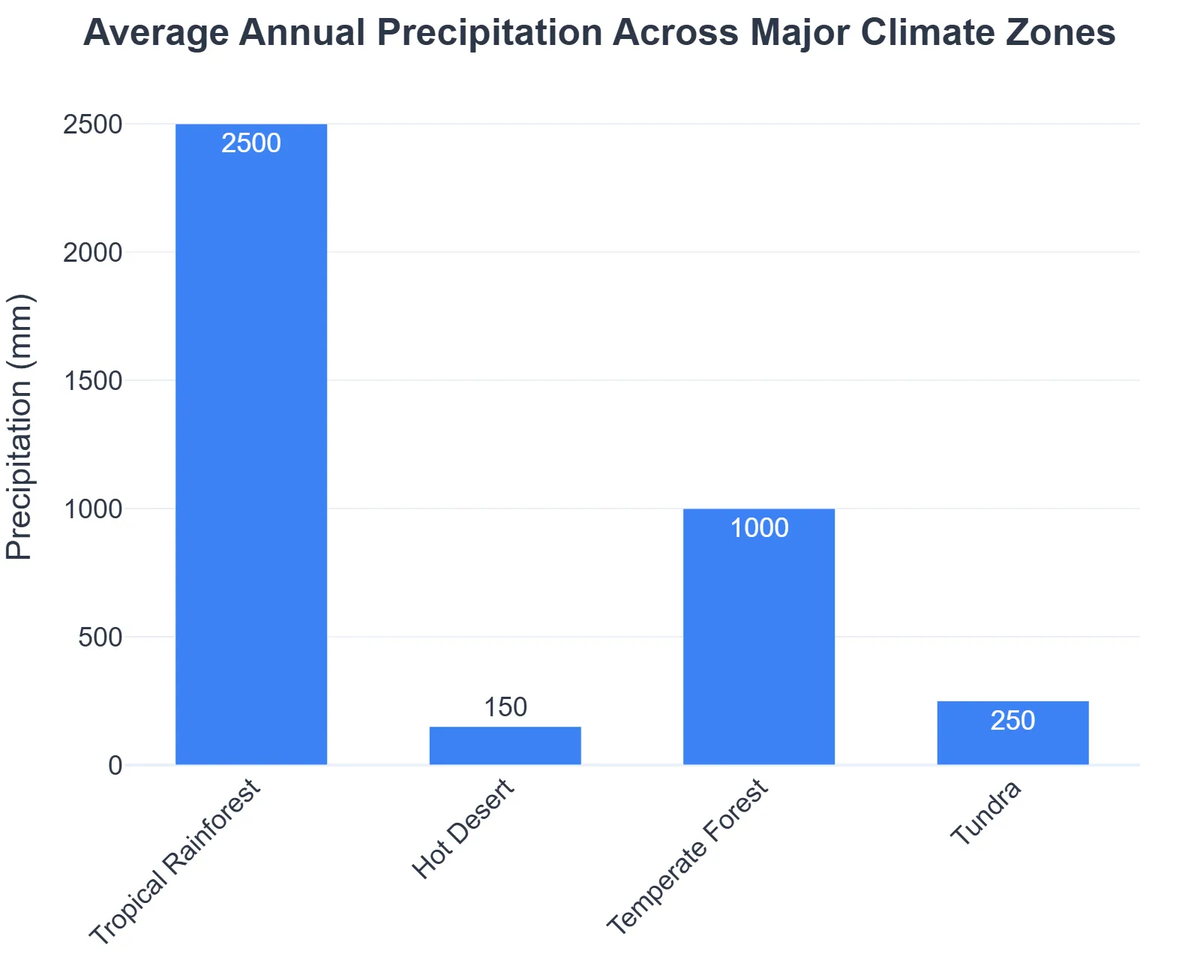
- ✅ Found near the equator, characterized by high temperatures and significant rainfall year-round.
- ➡️ Examples: Rainforests, savannas.
🏜️ Dry Climates (B)
- ✅ Defined by low precipitation and often extreme temperatures (hot days, cold nights).
- ➡️ Examples: Deserts, steppes.
temperate Climates (C)
- ✅ Experience distinct seasons with warm/hot summers and cool/cold winters.
- ➡️ Examples: Mediterranean, humid subtropical.
🌲 Continental Climates (D)
- ✅ Found in the interior of continents, characterized by large seasonal temperature differences and often snowy winters.
- ➡️ Examples: Humid continental, subarctic.
❄️ Polar Climates (E)
- ✅ Extremely cold temperatures with ice and snow cover year-round or for most of the year.
- ➡️ Examples: Tundra, ice cap.
El Niño and La Niña: Global Weather Shapers
These are significant climate patterns in the Pacific Ocean that can affect weather worldwide. They involve fluctuations in sea surface temperatures and atmospheric pressure, leading to changes in rainfall, temperature, and storm activity across continents.
The Impact of Climate on Life and Ecosystems
The climate shapes where and how life flourishes on Earth, influencing biodiversity, ecosystem distribution, and human societies. It’s a foundational aspect of Earth’s Unseen Forces: The Hidden Dynamics of Our Planet.
🌿 Adapting to Climate: Biodiversity Hotspots
Different climate zones support diverse ecosystems, from the lush biodiversity of tropical rainforests to the hardy life found in polar regions. Species have evolved unique adaptations to thrive in specific climatic conditions.
🚨 Climate Change: A Modern Challenge
While Earth’s climate has always changed naturally over geological timescales, the rapid warming observed since the industrial revolution is predominantly human-induced. This accelerated climate change is leading to:
- ✅ Rising global temperatures and more frequent heatwaves.
- ➡️ Changes in precipitation patterns, leading to more intense droughts or floods.
- 💡 Melting glaciers and ice sheets, contributing to rising sea levels.
- 🌊 Ocean acidification, threatening marine life.
- ⚠️ Increased frequency and intensity of extreme weather events.
These changes pose significant threats to ecosystems, leading to impacts such as Decreased Biodiversity: Causes and Consequences and challenges for human societies. Understanding and addressing this challenge requires a deep dive into Climate Science: Decoding Earth’s Changing Climate.
Exploring Our Planet’s Weather Systems: A Dynamic Dance
Beyond the broad strokes of climate zones, daily weather is a complex ballet of atmospheric elements, constantly in motion.
🌪️ From Cyclones to Anticyclones
- ✅ Low-Pressure Systems (Cyclones): Associated with rising air, clouds, precipitation, and often unsettled weather. Air converges towards the center, rising and cooling.
- ➡️ High-Pressure Systems (Anticyclones): Characterized by sinking air, clear skies, and generally stable, fair weather. Air diverges from the center, sinking and warming.
⚡ The Role of Pressure Systems
The interaction between high and low pressure drives wind. Air always flows from areas of high pressure to areas of low pressure. The greater the pressure difference, the stronger the wind.
💧 Precipitation Patterns: Rain, Snow, and More
Precipitation forms when moisture in the atmosphere condenses and falls to Earth. The type of precipitation (rain, snow, sleet, hail) depends on the temperature profile of the atmosphere from the cloud to the ground, a key aspect of Earth and climate science.

Recommended Video
Conclusion
Earth’s climate is an astonishingly complex and interconnected system, a testament to the dynamic nature of our planet. From the subtle dance of solar radiation to the powerful currents of our oceans and atmosphere, every component plays a crucial role in shaping the conditions that allow life to thrive.
By understanding the distinctions between weather and climate, recognizing the key components of the earth climate system, and appreciating the powerful forces that drive it, we gain a deeper appreciation for our world. As we face the challenges of a changing climate, this knowledge becomes even more vital, empowering us to make informed decisions and work towards a sustainable future for the blue planet.
Frequently Asked Questions
What is the primary difference between weather and climate?
Weather describes short-term atmospheric conditions in a specific place, while climate refers to long-term average weather patterns over decades or centuries.
How do ocean currents influence global weather systems?
Ocean currents act as massive heat conveyors, distributing warmth from the equator towards the poles and influencing regional temperatures, precipitation, and storm patterns worldwide.
What role do greenhouse gases play in Earth’s climate?
Greenhouse gases trap heat in the atmosphere, creating a natural ‘greenhouse effect’ vital for life; however, increased concentrations from human activity lead to global warming and climate change.