


For centuries, humanity has gazed at the night sky, pondering a profound question: Are we alone? This timeless query has fueled countless myths, scientific endeavors, and imaginative tales. Today, with advanced telescopes and sophisticated detection methods, we are closer than ever to answering it, thanks to the thrilling field of exoplanets.
💡 Key Takeaways
- Exoplanets are planets orbiting stars other than our Sun, with thousands discovered to date.
- Scientists use various methods like the transit method and radial velocity to detect these distant worlds.
- The search for habitable exoplanets focuses on finding worlds within a star’s ‘Goldilocks Zone’ and with potential for liquid water.
- Future missions and technologies aim to further characterize exoplanet atmospheres for signs of life.
“The discovery of exoplanets doesn’t just expand our cosmic map; it expands our very definition of ‘home.’ Each new world found in the Goldilocks Zone brings us closer to understanding if the universe is teeming with life, or if we are, indeed, wonderfully unique.”
— Astrid Bellweather, Astrophysicist & Science Fiction Consultant
Exoplanets are planets that orbit stars other than our Sun. Their discovery has transformed our understanding of the universe, revealing a cosmos teeming with diverse worlds, many of which might harbor the conditions necessary for life. The hunt for these distant worlds, particularly those that could be habitable, represents one of the most exciting frontiers in modern astronomy.
In This Article
- — 💡 Key Takeaways
- → What Are Exoplanets and Why Do We Search for Them?
- → The Habitable Zone: A Cosmic Sweet Spot
- → How Do We Find Exoplanets? Key Detection Methods
- — 🔭 Transiting Exoplanets: The Transit Method
- — 🌠 Radial Velocity (Doppler Spectroscopy): The Wobble Method
- — 📸 Direct Imaging: Capturing the Light
- → Notable Discoveries: Worlds Beyond Our Imagination
- — 🌟 TRAPPIST-1 System: A Stellar Neighborhood
- — 📍 Proxima Centauri b: Our Nearest Neighbor
- → Challenges and the Future of Exoplanet Hunting
- → Are We Alone? The Search for Biosignatures
- → Conclusion: Expanding Our Cosmic Horizon
What Are Exoplanets and Why Do We Search for Them?
An exoplanet, or extrasolar planet, is, by definition, any planet located outside our solar system. The first confirmed exoplanet, 51 Pegasi b, was discovered in 1995, a gas giant orbiting a Sun-like star. Since then, the number of known exoplanets has exploded into the thousands, with new discoveries being announced regularly. This rapid accumulation of data underscores a fundamental truth: planets are not unique to our solar system; they are a common byproduct of star formation.
The primary motivation behind the intense search for all exoplanets extends beyond mere curiosity. It’s about understanding:
- ✅ The Formation and Evolution of Planetary Systems: By studying exoplanets, we gain insights into how planets form around different types of stars, and how they evolve over billions of years.
- ✅ The Abundance of Life in the Universe: Identifying planets in potentially habitable environments is the first crucial step in assessing the probability of life beyond Earth.
- ✅ Our Place in the Cosmos: Discovering a truly Earth-like world or signs of extraterrestrial life would profoundly impact humanity’s perspective on itself and its unique position.
The Habitable Zone: A Cosmic Sweet Spot
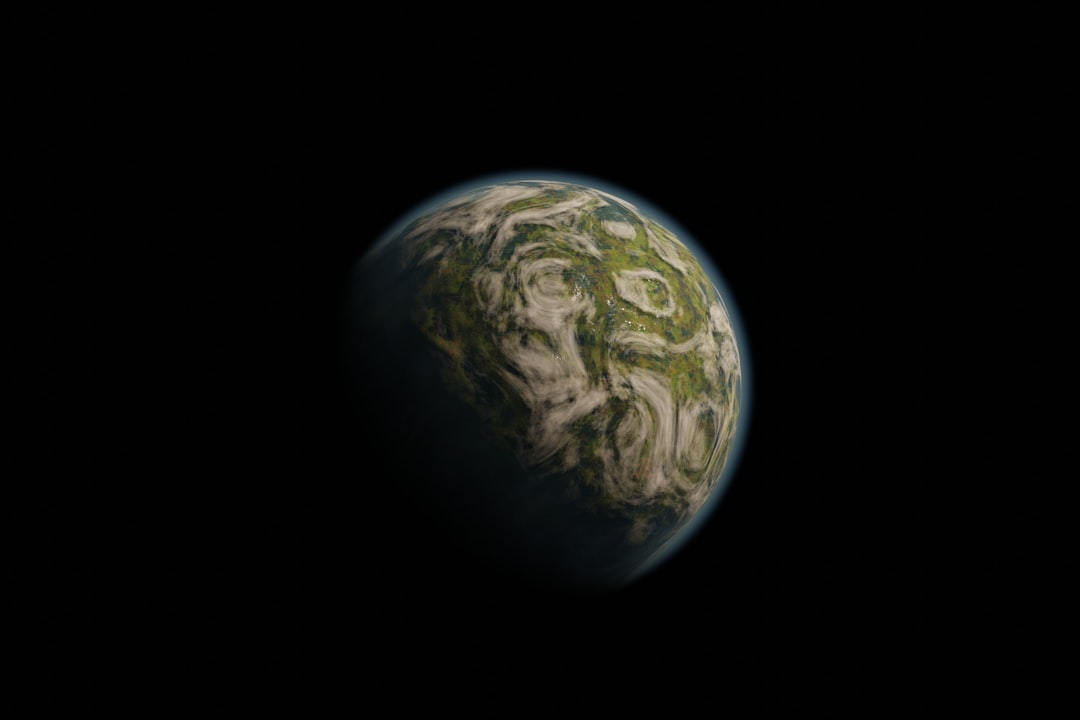
When astronomers speak of the “hunt for habitable worlds,” they often refer to the search for exoplanets in the habitable zone. This region, also known as the “Goldilocks Zone,” is the range of orbital distances from a star where a planet could support liquid water on its surface. Liquid water is considered essential for life as we know it, acting as a solvent for chemical reactions.
However, being in the habitable zone isn’t the sole criterion for habitability. Several other factors play a crucial role:
- ➡️ Star Type: While Sun-like stars are ideal, M-dwarf stars (red dwarfs) are far more common, and many of the closest habitable zone exoplanets orbit them. However, red dwarfs can be prone to strong flares, which could strip away a planet’s atmosphere.
- ➡️ Planetary Mass and Size: A planet needs sufficient mass to retain an atmosphere but not so much that it becomes a gas giant. Super-Earths (planets larger than Earth but smaller than Neptune) are common candidates.
- ➡️ Atmosphere: A stable atmosphere is necessary to regulate temperature, provide protection from radiation, and maintain liquid water.
- ➡️ Geological Activity: Plate tectonics and volcanic activity can contribute to climate regulation and nutrient cycling, crucial for long-term habitability.
The concept of exoplanets that are habitable is constantly evolving as we learn more about the diverse conditions under which life might arise.
How Do We Find Exoplanets? Key Detection Methods
Discovering exoplanets is a monumental task, given their immense distances and the overpowering glare of their host stars. Scientists employ ingenious indirect and direct methods to find these elusive worlds:
🔭 Transiting Exoplanets: The Transit Method
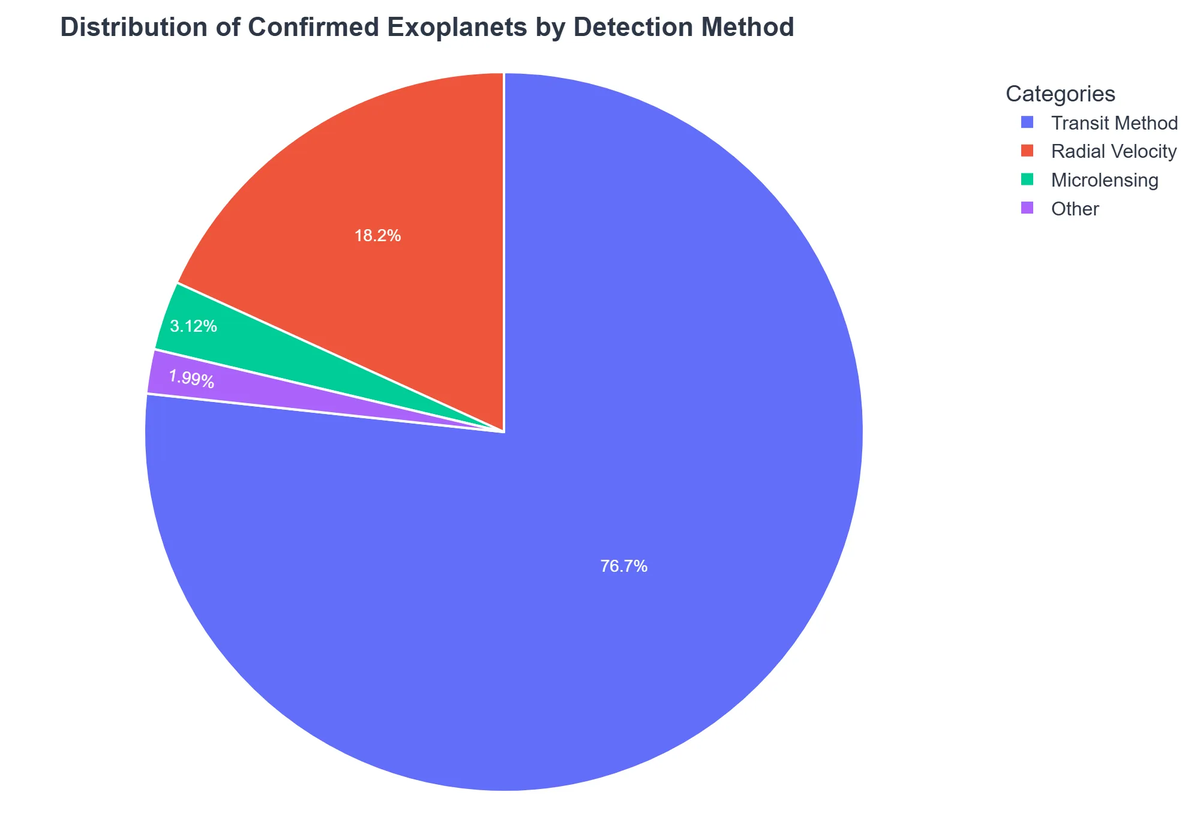
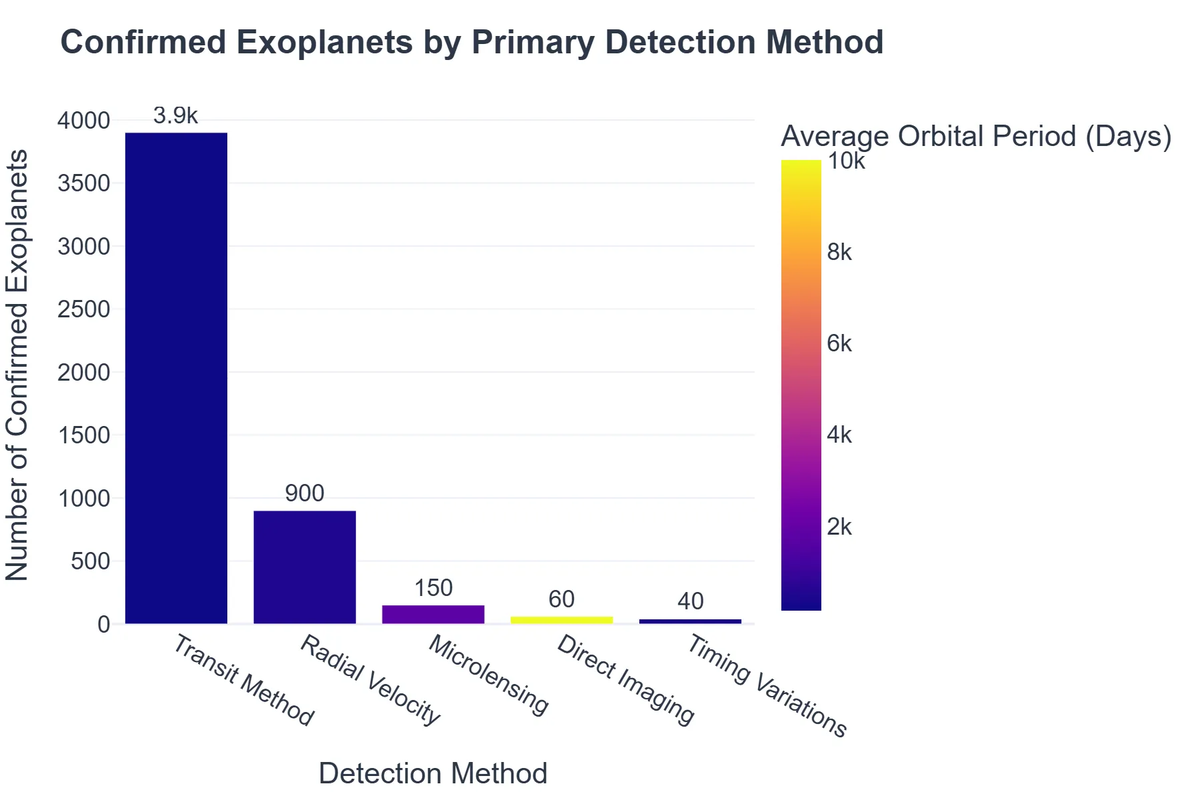
The most successful method for detecting exoplanets to date is the transit method. It works by observing a slight dimming of a star’s light as a planet passes directly in front of it from our vantage point. This periodic dimming reveals the planet’s presence, size, and orbital period.
- 💡 Kepler Space Telescope: NASA’s Kepler mission revolutionized exoplanet science, discovering thousands of transiting exoplanets, many of which are Earth-sized and in the habitable zone.
- 💡 TESS Spacecraft: The Transiting Exoplanet Survey Satellite (TESS) is Kepler’s successor, designed to survey 200,000 of the brightest stars near our solar system for transiting planets. The data from TESS NASA: Discovering Habitable Exoplanets Beyond Our Solar System is proving invaluable in finding closer, brighter targets suitable for follow-up studies.
🌠 Radial Velocity (Doppler Spectroscopy): The Wobble Method
This method detects the tiny “wobble” in a star’s position caused by the gravitational tug of an orbiting planet. As the star wobbles, its light spectrum shifts slightly towards blue or red (the Doppler effect), allowing astronomers to infer the planet’s mass.
📸 Direct Imaging: Capturing the Light
While extremely challenging, direct imaging involves taking actual pictures of exoplanets. This is difficult because planets are millions to billions of times fainter than their host stars and are often very close to them in angular separation. Specialized instruments like coronagraphs are used to block out the star’s light. The James Webb Space Telescope (JWST) has made significant strides in this area, offering unprecedented views of distant worlds, as seen with HIP 65426 b: James Webb Telescope Unveils Giant Exoplanet.
Other methods, like gravitational microlensing and astrometry, also contribute to the growing catalog of known exoplanets.
Voyager Marketing Agency: Finding the ‘Goldilocks Zone’ for Client Growth
❓The Challenge
Voyager Marketing Agency struggled to consistently identify high-potential, niche customer segments for their B2B clients, leading to broad targeting and inefficient ad spend.
💡The Solution
Inspired by the article’s explanation of the ‘Habitable Zone’ in exoplanet research, Voyager developed an ‘Audience Habitable Zone’ framework. This involved leveraging advanced data analytics to precisely pinpoint micro-segments with the optimal combination of engagement, purchasing intent, and market stability, analogous to finding planets with the perfect conditions for life.
🏆The Result
This refined, data-driven targeting strategy resulted in a 35% increase in qualified lead generation for their key clients and a 20% reduction in wasted ad spend within six months.
Notable Discoveries: Worlds Beyond Our Imagination
The universe has proven to be far more diverse in its planetary offerings than previously imagined. Here are some of the most exciting discoveries:
🌟 TRAPPIST-1 System: A Stellar Neighborhood
Perhaps one of the most famous exoplanet systems, TRAPPIST-1, located just 39 light-years away, hosts seven Earth-sized planets orbiting an ultracool dwarf star. Remarkably, three of these planets orbit within the star’s habitable zone, making them prime candidates for further study, particularly for signs of exoplanets with water. The close proximity of the planets in the TRAPPIST-1 system raises intriguing questions about their formation and atmospheric dynamics.
📍 Proxima Centauri b: Our Nearest Neighbor
Orbiting Proxima Centauri, the closest star to our Sun, Proxima Centauri b is one of the most fascinating nearest exoplanets. It’s an Earth-sized planet located within its star’s habitable zone. While its host star is an M-dwarf with a propensity for powerful flares, scientists are actively studying its potential for habitability.
Beyond these, countless other intriguing worlds have been found, from “hot Jupiters” orbiting incredibly close to their stars, to “super-Earths” and “mini-Neptunes” that have no direct analog in our own solar system. Each new discovery adds another piece to the grand cosmic puzzle.
Challenges and the Future of Exoplanet Hunting
While the pace of exoplanet discovery is accelerating, significant challenges remain in truly understanding these distant worlds. Characterizing their atmospheres to search for biosignatures, for example, requires incredibly sensitive instruments and advanced analytical techniques.
The future of detecting exoplanets is bright, with several next-generation observatories poised to make groundbreaking contributions:
- ➡️ James Webb Space Telescope (JWST): Already operational, JWST is capable of observing the atmospheres of transiting exoplanets with unprecedented detail.
- ➡️ Nancy Grace Roman Space Telescope: Designed to study dark energy and conduct wide-field surveys, it will also be a powerful tool for discovering new exoplanets, especially through microlensing.
- ➡️ Extremely Large Telescope (ELT): Under construction in Chile, the ELT will be the largest optical/infrared telescope in the world, capable of direct imaging and detailed atmospheric studies of exoplanets.
These observatories will push the boundaries of what’s possible, moving beyond mere detection to detailed characterization of these alien worlds.
Are We Alone? The Search for Biosignatures
The ultimate goal of the exoplanet hunt is to find definitive proof of life beyond Earth. This involves searching for “biosignatures” – chemical compounds or phenomena that would strongly suggest the presence of biological activity. Key biosignatures include:
- ✅ Oxygen and Methane: While these can be produced geologically, finding them together in a planet’s atmosphere in certain ratios could indicate life.
- ✅ Water Vapor: Essential for life as we know it, its presence is a key indicator.
- ✅ Other Complex Molecules: Future technologies might be able to detect more complex organic molecules.
The search for biosignatures is intertwined with big questions like the Fermi Paradox: Why Haven’t We Found Alien Life?, which asks why, if the universe is so vast and potentially teeming with life, we haven’t encountered any yet.
Recommended Video
Conclusion: Expanding Our Cosmic Horizon
The study of exoplanets has moved from speculative science fiction to a robust, data-driven field of astrophysics. Each new discovery, from the bustling TRAPPIST-1 system to the enigmatic Proxima Centauri b, reinforces the idea that our solar system is just one small example of planetary architecture in a vast and diverse universe.
The ongoing quest for exoplanets in the habitable zone is not just about finding another Earth; it’s about understanding the myriad ways planets can form and evolve, and ultimately, whether life is a rare cosmic accident or a common occurrence. As technology advances and our knowledge deepens, the dream of discovering life beyond our planet feels ever closer to reality. This journey of discovery is a core part of Cosmic Queries: Probing the Mysteries of the Universe, continually expanding our cosmic horizon.
Frequently Asked Questions
What is an exoplanet?
An exoplanet is any planet located outside our solar system, orbiting a star other than our Sun.
How do scientists find exoplanets?
Common methods include the transit method (observing dips in starlight as a planet passes by) and the radial velocity method (detecting stellar ‘wobbles’ caused by a planet’s gravity).
What makes an exoplanet ‘habitable’?
A habitable exoplanet typically resides in its star’s ‘Goldilocks Zone,’ where temperatures are just right for liquid water to exist on its surface, a key ingredient for life as we know it.
Are there any exoplanets known to host life?
While thousands of exoplanets have been discovered, none have yet been confirmed to host life. The search continues with advanced telescopes and missions.