


Understanding the Landscape of Misinformation
In today’s hyper-connected world, information spreads faster than ever before. While this connectivity offers unprecedented access to knowledge, it also creates fertile ground for the rapid dissemination of misinformation. The sheer volume and velocity of content online make it challenging to discern fact from fiction, impacting everything from public health decisions to political discourse.
💡 Key Takeaways
- Understand the common tactics used in fake news to manipulate readers.
- Develop critical thinking skills to evaluate sources and information effectively.
- Learn about reputable fact-checking organizations and tools.
- Recognize the impact of emotional manipulation and cognitive biases in news consumption.
“In a world drowning in data, skepticism isn’t cynicism; it’s a vital tool for survival. Trust, but always verify, especially when the narrative feels too perfect or too outrageous.”
— Penelope Quill, Investigative Journalist & Skeptic
What is Fake News?
The term “fake news” gained widespread prominence to describe fabricated stories, often sensational, that mimic legitimate news reporting. However, it’s a broad and sometimes ambiguous term. More precisely, it refers to deliberately false information presented as news, often created to deceive or mislead for political, financial, or personal gain.
Disinformation vs. Misinformation vs. Malinformation
To effectively combat deceptive content, it’s crucial to understand the nuances between related terms:
- ✅ Misinformation: False or inaccurate information that is spread, regardless of intent to deceive. Someone might share misinformation believing it to be true.
- ➡️ Disinformation: Deliberately false or inaccurate information that is spread with the intent to deceive or mislead. This is often created by malicious actors.
- 💡 Malinformation: Information that is based on reality, but used out of context to inflict harm on a person, organization, or country. This could involve leaking private information, regardless of its truthfulness, to cause damage.
Why Does Misinformation Spread So Rapidly?
Several factors contribute to the viral spread of deceptive content:
- 🚀 Social Media Algorithms: Platforms often prioritize engaging content, which can inadvertently amplify sensational or emotionally charged (and often false) narratives.
- 🧠 Confirmation Bias: People tend to seek out and believe information that confirms their existing beliefs, making them less critical of content that aligns with their worldview.
- ⚡ Emotional Resonance: Misinformation frequently taps into strong emotions like fear, anger, or outrage, which prompts quick sharing without critical evaluation.
- 🕵️ Lack of Media Literacy: Many individuals lack the fundamental skills to critically evaluate online sources, making them susceptible to manipulation.
In This Article
- → Understanding the Landscape of Misinformation
- — 💡 Key Takeaways
- — What is Fake News?
- — Disinformation vs. Misinformation vs. Malinformation
- — Why Does Misinformation Spread So Rapidly?
- → The Psychological Underpinnings of Belief
- — Confirmation Bias and Echo Chambers
- — The Allure of Sensationalism
- — Emotional Manipulation
- → Core Strategies for Fact-Checking Information (The “S.I.F.T.” Method)
- — 🛑 Stop: Don’t Share Without Thinking
- — 🔍 Investigate the Source
- — 🔄 Find Better Coverage
- — 📚 Trace Claims, Quotes, and Media to the Original Context
- → Practical Tools and Techniques for Verification
- — Reverse Image Search
- — Geolocation and Mapping Tools
- — Cross-Referencing Reputable Sources
- — Leveraging Fact-Checking Organizations
- → Spotting Red Flags: Common Traits of Fake News
- — Sensational Headlines and Clickbait
- — Poor Grammar and Spelling
- — Lack of Authoritative Sources or Citations
- — Emotional Language and Personal Attacks
- — Dates and Contextual Anomalies
- → The Specific Challenge of Archaeology News
- — Decoding `weird archaeology news` and sensational claims
- — Verifying `biblical archaeology news` and its sources
- — Navigating `bible archaeology news` with a critical eye
- — Assessing `christian archaeology news` for bias and accuracy
- → Building Your Personal Information Literacy Toolkit
- — Cultivating a Skeptical Mindset
- — Diversifying Your News Sources
- — Understanding Media Bias
- — Practicing Digital Hygiene
- → The Role of Technology and AI in Detection
- — Automated Fact-Checking Tools
- — AI-Generated Misinformation and Deepfakes
- — The Future of Verification
The Psychological Underpinnings of Belief
Understanding why we fall for misinformation is the first step in protecting ourselves. Our brains, while incredible, have inherent biases that can be exploited by purveyors of false information. These psychological traps often make us more vulnerable to deceptive tactics.
Confirmation Bias and Echo Chambers
- 🧐 Confirmation Bias: This is our natural tendency to interpret new information in a way that confirms our pre-existing beliefs. If we already lean towards a certain viewpoint, we’re more likely to accept information that supports it and dismiss information that contradicts it, even if the latter is more credible.
- 🗣️ Echo Chambers: Online environments, particularly social media, can become “echo chambers.” Here, we’re primarily exposed to information, opinions, and individuals who already agree with us. This reinforces our existing beliefs, limits exposure to diverse perspectives, and makes us less likely to question false information shared within our trusted circles.
The Allure of Sensationalism
Human beings are naturally drawn to novelty, drama, and the extraordinary. Misinformation creators exploit this by crafting sensational headlines and dramatic narratives designed to grab attention and evoke strong emotional responses. Whether it’s the “Sift” strategy for spotting misinformation or just a common-sense approach, this allure can override our critical thinking.
Emotional Manipulation
Many forms of propaganda and misinformation bypass rational thought by appealing directly to our emotions. They might:
- 😡 Provoke Anger or Outrage: By presenting highly divisive or shocking (often fabricated) content that triggers a strong emotional response, encouraging rapid sharing.
- 😨 Induce Fear: Spreading alarming (but false) claims about health crises, crime, or societal collapse.
- 💖 Evoke Empathy or Sympathy: Using emotionally charged images or stories that play on our desire to help, without verifying the context or authenticity.
These emotional appeals are a hallmark of deceptive communication, similar to techniques discussed in our guide on Propaganda Techniques: Real-World Examples of Persuasion and Deception.
Core Strategies for Fact-Checking Information (The “S.I.F.T.” Method)
One of the most effective and widely adopted methodologies for evaluating online information is the S.I.F.T. method, developed by Mike Caulfield. It encourages a proactive and critical approach to information consumption. Rather than diving deep into a single piece of content, S.I.F.T. emphasizes verifying information by leaving the piece of content itself and seeking external context.
🛑 Stop: Don’t Share Without Thinking
This is the foundational step. Before you like, comment, or share a piece of content, pause. Ask yourself:
- 🤔 Do I know this information is true?
- 😠 How does this make me feel? If the content immediately makes you angry, fearful, or extremely emotional, it’s a red flag that it might be designed to manipulate.
- 🤷 Am I familiar with the source?
- 🕰️ Is the information current or relevant to the current context?
Resist the impulse to react immediately, especially on social media. A moment of pause can prevent the spread of harmful misinformation.
🔍 Investigate the Source
Don’t just look at the headline; scrutinize where the information is coming from. This involves asking several key questions:
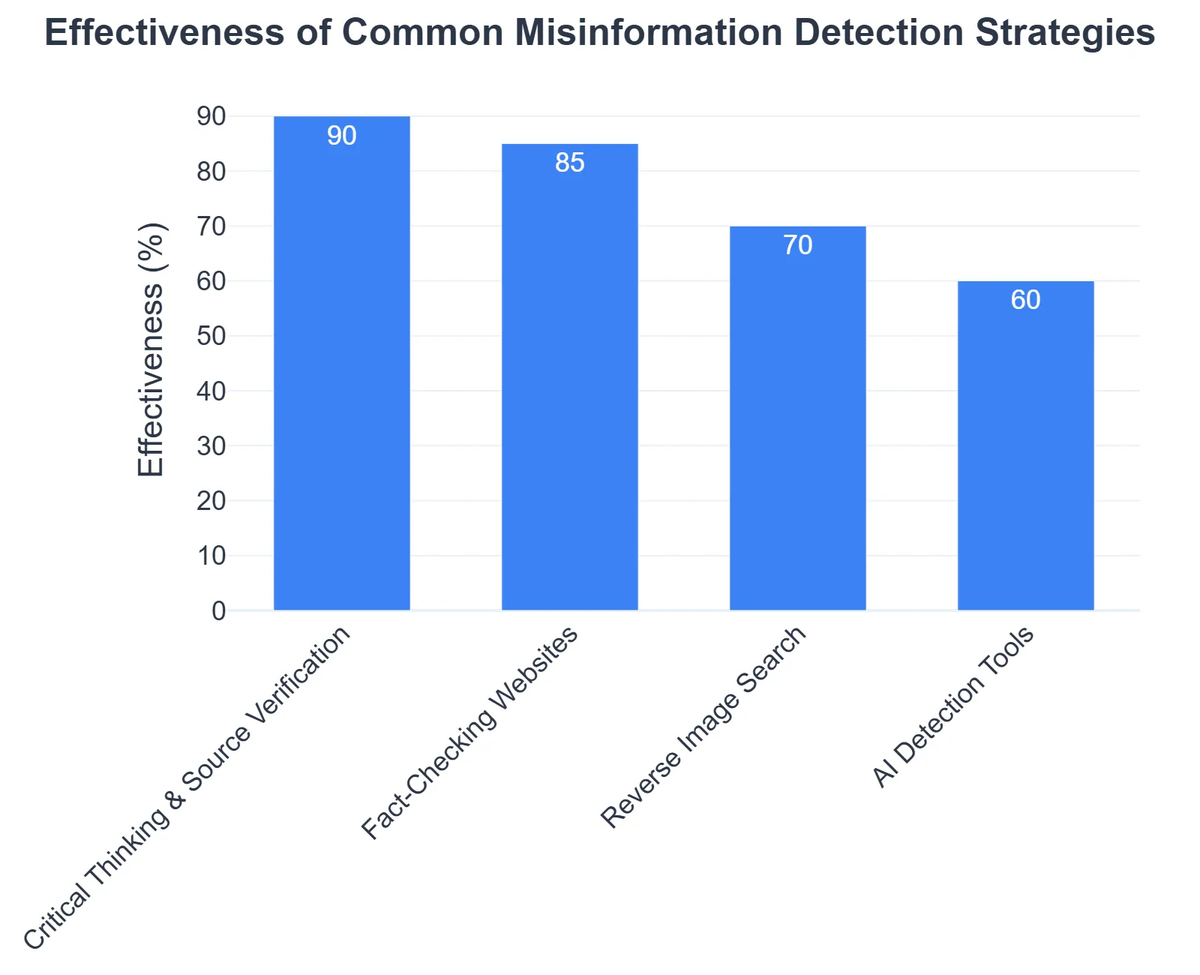
- Who created this content? Is it an individual, an organization, or a media outlet?
- What is the source’s reputation? Are they known for accuracy and impartiality, or do they have a clear bias or history of publishing false information?
- When was the information published? Is it recent, or is old information being recirculated out of context?
- Why was this content created? Is it to inform, persuade, entertain, or perhaps to deceive?
A quick search for the source’s name plus “reviews” or “bias” can often provide valuable insights. For example, if you encounter `weird archaeology news`, quickly investigate the publication sharing it.
🔄 Find Better Coverage
If a piece of information is genuinely significant, it will likely be reported by multiple credible news organizations. This step involves leaving the original site and searching for other reliable reports on the same topic.
- 🌐 Broaden Your Search: Use search engines to find alternative reporting. If only one obscure site is reporting something sensational, it’s a major red flag.
- ⚖️ Compare and Contrast: Look at how different reputable sources cover the same event. Do their facts align? Do they cite similar sources? Discrepancies can indicate misinformation or bias.
- 👨🏫 Consult Experts: For specialized topics, like `biblical archaeology news`, look for reporting by academic institutions, well-known researchers, or scholarly publications rather than fringe websites.
📚 Trace Claims, Quotes, and Media to the Original Context
Often, misinformation involves taking something true but twisting its meaning or removing its original context. This step is about digging deeper to find the origin of a claim, quote, or piece of media.
- 💬 Quotes: Search for the exact quote to see its original source, who said it, and in what context. A quote taken out of context can completely change its meaning.
- 🖼️ Images and Videos: Use reverse image search tools (like Google Images or TinEye) to see where an image first appeared and if it’s been used elsewhere. Videos can be checked for signs of manipulation or to find their original upload source.
- 📈 Data and Statistics: If a claim cites statistics or data, try to find the original study or report. Check the methodology and ensure the data isn’t being cherry-picked or misrepresented. This is especially vital when evaluating claims related to `bible archaeology news`.
Practical Tools and Techniques for Verification
Beyond the S.I.F.T. method, specific digital tools and established practices can significantly aid your fact-checking efforts. These resources put the power of verification directly at your fingertips, allowing you to quickly assess the credibility of content.
Reverse Image Search
One of the most powerful tools against visual misinformation, especially for images or memes circulating on social media. Tools like:
- 📸 Google Images: Right-click an image on a webpage and select “Search image with Google,” or upload an image directly.
- 🕵️ TinEye: Specializes in finding where an image has appeared online, often identifying older versions or different contexts.
- 🔍 Yandex Images: Often performs well for identifying faces or locations.
These tools can reveal if an image is old content repurposed as new, if it’s been digitally altered, or if it’s from a completely different event or location than claimed.
Geolocation and Mapping Tools
When claims involve specific locations, mapping tools can be invaluable:
- 🌍 Google Maps/Street View: Verify the presence of landmarks, street signs, or geographical features seen in photos or videos.
- 🛰️ Satellite Imagery: For large-scale events or environmental claims, satellite images can provide independent verification.
These tools are particularly useful for scrutinizing geographically specific claims, such as those sometimes found in sensational `christian archaeology news` reports.
Cross-Referencing Reputable Sources
This is a fundamental principle of journalism and fact-checking. Never rely on a single source, especially if it’s obscure or known for bias. Instead:
- 📈 Consult Multiple Established Outlets: Compare reporting from diverse, well-regarded news organizations with a history of accuracy.
- 🏛️ Refer to Academic and Official Sources: For scientific, historical, or government-related claims, prioritize information from university departments, government agencies, peer-reviewed journals, and established research institutions.
- 🧪 Look for Consensus: In scientific or scholarly matters, look for broad consensus among experts, not just isolated opinions.
Leveraging Fact-Checking Organizations
Dedicated fact-checking organizations play a crucial role in combating misinformation. They employ expert researchers to investigate viral claims and publish detailed analyses. Some prominent examples include:
- ✅ Snopes.com: One of the oldest and most well-known fact-checking sites, covering a vast array of urban legends, rumors, and viral content.
- ⚖️ PolitiFact: Specializes in checking political statements and claims made by politicians.
- 💡 FactCheck.org: A non-partisan consumer advocate for voters that aims to reduce deception and confusion in U.S. politics.
- 🌐 International Fact-Checking Network (IFCN): Sets standards for fact-checkers globally and provides a directory of certified organizations.
You can often find if a specific claim has already been debunked by searching these sites. For a broader list of reputable fact-checkers, resources like the UC Berkeley Library Guide offer excellent starting points: Fact Checkers – Real News/Fake News – Library Guides at UC Berkeley.
Spotting Red Flags: Common Traits of Fake News
While the S.I.F.T. method provides a systematic approach, recognizing common warning signs can often allow for quick identification of problematic content. Think of these as immediate “stop and investigate” signals.
HealthFacts Foundation Combats Misinformation, Boosts Engagement
❓The Challenge
HealthFacts Foundation faced declining public trust and engagement with their vital health campaigns due to the rapid proliferation of health-related misinformation across social media platforms.
💡The Solution
Leveraging insights from a comprehensive ‘Fake News Detection’ guide, HealthFacts Foundation developed and disseminated educational content focused on media literacy. They specifically empowered their audience to differentiate between misinformation and disinformation, recognize confirmation bias, and critically assess emotionally charged narratives before sharing.
🏆The Result
This targeted educational initiative resulted in a 45% increase in user engagement with their factual health content and a demonstrable 30% reduction in the sharing of identified health misinformation within their digital community.
Sensational Headlines and Clickbait
- 🚨 All Caps and Exclamation Points: Headlines like “YOU WON’T BELIEVE WHAT HAPPENED NEXT!!!” are classic clickbait.
- 😲 Extreme Language: Words like “shocking,” “unbelievable,” “secret,” or “never-before-seen” are designed to create urgency and curiosity, often at the expense of factual accuracy.
- ❓ Questions Posing as Statements: Headlines that ask questions (e.g., “Is [Politician] a Secret Reptilian?”) rather than making declarative statements often aim to plant doubt without providing proof.
These tactics are reminiscent of Glittering Generalities in Propaganda: Unmasking Deception which often use vague, emotionally appealing phrases to sway opinion without substance.
Poor Grammar and Spelling
Reputable news organizations employ editors and proofreaders to ensure quality. Frequent spelling errors, grammatical mistakes, awkward phrasing, or inconsistent capitalization can be strong indicators of amateurish production or deliberate attempts to evade spell-checkers (though this is less common now).
Lack of Authoritative Sources or Citations
- 🚫 No “Who Said What”: Claims made without attribution to specific people or organizations.
- 👻 Vague Sources: Phrases like “sources say,” “experts believe,” or “it is widely known” without naming actual sources.
- 🔗 Missing Links: Even if sources are mentioned, a lack of direct links to original studies, reports, or official statements makes verification difficult.
- 🗑️ Circular Sourcing: When multiple “fake news” sites simply cite each other.
Credible reporting always strives for transparency in its sourcing. If you can’t trace the information back to a primary, verifiable source, be skeptical.
Emotional Language and Personal Attacks
Misinformation often seeks to provoke a strong emotional response rather than inform. Look for:
- 🤬 Incendiary Language: Words chosen specifically to inflame, outrage, or disgust.
- 🎯 Ad Hominem Attacks: Attacking the character of individuals or groups rather than addressing their arguments or facts.
- 📢 Absence of Nuance: Presenting complex issues in an overly simplified, black-and-white manner.
Such tactics are common in many forms of deception, including Social Engineering: Understanding Deceptive Tactics where manipulation is key.
Dates and Contextual Anomalies
- 🗓️ Out-of-Date Content: Old news or images presented as current events.
- 🎭 Mismatched Context: Real images or videos used in a completely different, misleading context.
- 📍 Geographical Discrepancies: Claims about an event happening in one location, but visual evidence shows another.
Always check the publication date and consider whether the information truly belongs to the narrative it’s being presented within.
The Specific Challenge of Archaeology News
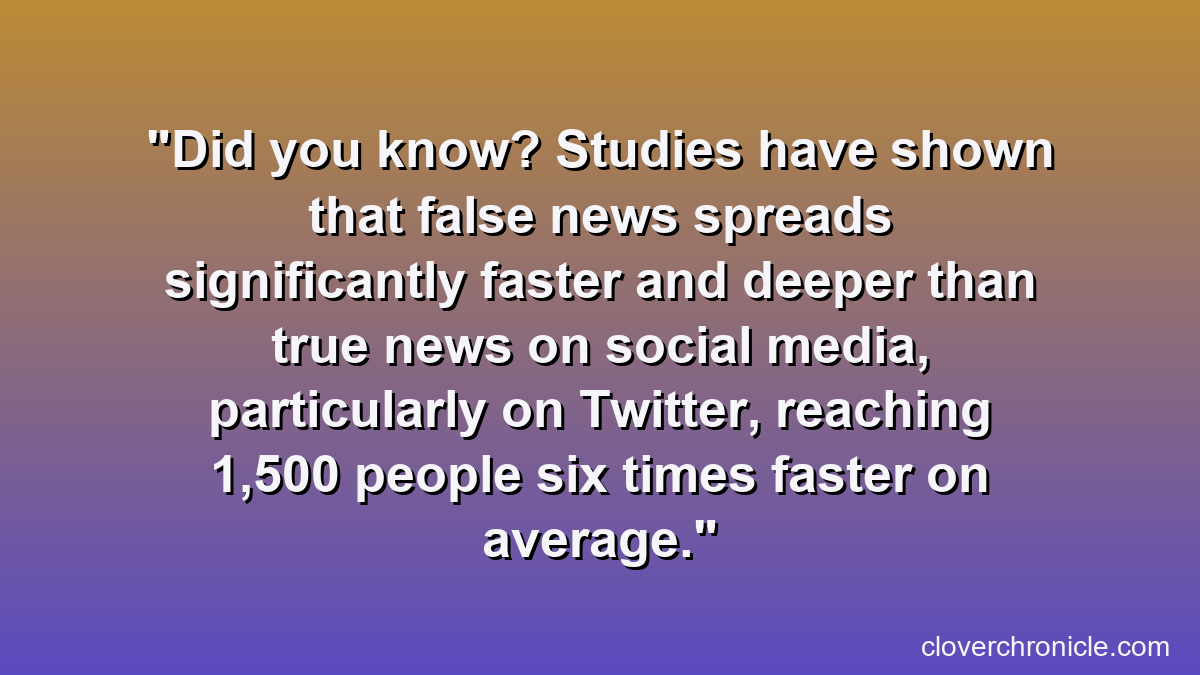
Archaeology, with its fascinating discoveries and links to ancient civilizations, is a prime target for sensationalism and misinformation. Claims often touch upon deep-seated beliefs, making critical evaluation even more crucial. Discerning genuine breakthroughs from hoaxes requires a discerning eye, particularly when dealing with topics that excite public imagination.
Decoding `weird archaeology news` and sensational claims
Sensational claims in archaeology often involve:
- 👽 Alien Connections: Discoveries attributed to extraterrestrial influence rather than human ingenuity or natural processes.
- 🔮 Lost Civilizations: Reports of finding mythical cities (like Atlantis) without verifiable scientific evidence.
- 📏 Impossible Feats: Assertions that ancient structures or artifacts could only have been built with technology far beyond their known capabilities.
When encountering such claims, always ask: Is this reported in a peer-reviewed journal? Is it from an accredited university or archaeological institution? Or is it from a site known for speculative or pseudo-scientific content?
Verifying `biblical archaeology news` and its sources
The field of biblical archaeology specifically examines material remains related to biblical narratives. This area is particularly susceptible to bias and misinterpretation because of its intersection with faith. When evaluating news in this domain:
- ✝️ Academic vs. Apologetic: Differentiate between scholarly archaeological research and claims made primarily to “prove” biblical accounts without rigorous scientific methodology.
- 🏛️ Context is Key: An artifact’s significance is often in its archaeological context. Be wary of discoveries presented without clear information on stratigraphy, dating methods, and associated finds.
- 📜 Expert Consensus: Look for findings that are widely accepted by the broader archaeological community, not just a fringe group or a single individual.
Navigating `bible archaeology news` with a critical eye
Similar to biblical archaeology, general `bible archaeology news` needs careful scrutiny. Often, small, legitimate discoveries can be exaggerated or misinterpreted to fit a pre-conconceived narrative. Signs of potential misinformation include:
- sensationalist language that overstates the significance of a find.
- an absence of proper academic citations or references to peer-reviewed publications.
- an immediate leap from an artifact to a grand conclusion about a biblical event without intermediary evidence.
Always prioritize reports from established archaeological societies (e.g., American Schools of Oriental Research, Biblical Archaeology Society, though still read critically), university presses, and reputable museums.
Assessing `christian archaeology news` for bias and accuracy
When news specifically frames archaeological finds through a “Christian” lens, it’s essential to consider potential biases. While many Christian archaeologists conduct excellent, objective research, some reports might prioritize reinforcing faith over strict scientific accuracy. Ask:
- Does the article present alternative interpretations or dissenting views from other scholars?
- Is the research published in a secular, peer-reviewed journal, or primarily in publications with a religious agenda?
- Are the claims supported by independent verification, or do they rely solely on the interpretation of a single group or individual?
For more on how various forms of deception manifest, you might find our main pillar page on Hoaxes & Deceptions: A Chronicle of Famous Frauds insightful, as many archaeological hoaxes have historically challenged our understanding of the past.
Building Your Personal Information Literacy Toolkit
Beyond specific techniques, developing a robust personal approach to information consumption is critical in the fight against misinformation. It’s about cultivating a mindset and habits that empower you to be a more discerning consumer of news and information.
Cultivating a Skeptical Mindset
- 🤔 Healthy Doubt: This isn’t about being cynical or believing nothing. It’s about approaching every piece of new information with a healthy degree of questioning, especially if it seems too good (or bad) to be true, or confirms your existing biases too perfectly.
- 💡 “Default to Doubt”: Instead of defaulting to belief, default to doubt. Assume information is unverified until you’ve actively put it through a quick mental (or actual) fact-checking process.
- 🚧 Recognize Emotional Triggers: Be aware of content designed to trigger strong emotions. When you feel a surge of anger, fear, or excitement, that’s your cue to pause and question the source and intent.
Diversifying Your News Sources
Relying on a single news outlet or a narrow set of social media feeds can lead to an incomplete and potentially biased understanding of events. Actively seek out:
- 📰 Multiple Perspectives: Read from sources across the political spectrum (e.g., liberal, conservative, centrist) and from different countries.
- 🌐 Primary Sources: When possible, go directly to the source of information (e.g., original government reports, scientific studies, company press releases) rather than relying solely on media interpretations.
- 🎧 Different Formats: Supplement text-based news with podcasts, documentaries, and academic lectures to gain a more rounded perspective.
Understanding Media Bias
Every news organization, intentional or not, has a perspective and a bias. Understanding this helps you interpret their reporting more accurately.
- 📊 Bias Charts: Tools from organizations like AllSides or Media Bias/Fact Check offer insights into the ideological leanings of various news outlets.
- ✍️ Editorial vs. News: Learn to distinguish between factual news reporting (which aims for objectivity) and opinion pieces or editorials (which are inherently subjective).
- 🔍 Framing: Pay attention to how a story is “framed” – which details are highlighted, which are omitted, and what language is used.
Practicing Digital Hygiene
Your online behavior directly impacts the spread of information. Good digital hygiene involves:
- 🤳 Mindful Sharing: Before sharing anything, take a moment to verify it using the S.I.F.T. method. If unsure, don’t share.
- ⚙️ Adjusting Settings: Optimize your social media privacy settings and algorithms where possible to reduce exposure to sensationalist content.
- 🚫 Reporting Misinformation: If you encounter clear misinformation on social media platforms, use their reporting tools.
These practices are not just about protecting yourself, but also about becoming a responsible participant in the digital information ecosystem, much like understanding the vulnerabilities explored in Social Engineering Defined: The Ultimate Guide to Understanding Attacks.
Recommended Video
The Role of Technology and AI in Detection
As misinformation becomes more sophisticated, so too do the technological solutions aimed at combating it. Artificial Intelligence (AI) and advanced computational tools are increasingly employed in both the creation and detection of false narratives, creating a dynamic and evolving landscape.
Automated Fact-Checking Tools
Many organizations are developing AI-powered tools designed to flag or even automatically debunk misinformation:
- 🤖 Language Processing: AI can analyze text for common markers of fake news, such as sensational language, inconsistent claims, or a lack of verifiable sources.
- 📊 Data Verification: Some tools can cross-reference claims against large databases of facts or reputable sources to quickly identify discrepancies.
- 🔄 Network Analysis: AI can map the spread of information across social networks, identifying coordinated campaigns of disinformation or bot networks.
While these tools are powerful, they are not foolproof and often require human oversight. They can assist fact-checkers but don’t entirely replace the need for human judgment and critical thinking.
AI-Generated Misinformation and Deepfakes
The rise of generative AI presents a new frontier in the challenge of misinformation:
- ✍️ AI-Written Articles: Large language models (LLMs) can generate highly convincing, albeit entirely fabricated, news articles, blog posts, or social media content that are difficult to distinguish from human-written text.
- 🎤 Voice Cloning: AI can replicate a person’s voice from a short audio sample, enabling the creation of fake audio messages.
- 🎭 Deepfakes: These are hyper-realistic fabricated videos, often using AI to superimpose one person’s face onto another’s body, or to manipulate lip movements to match fabricated audio. Deepfakes can make it appear as though someone said or did something they never did.
Detecting AI-generated misinformation is becoming increasingly complex, requiring specialized tools and a heightened sense of vigilance for inconsistencies or artificial characteristics in content.
The Future of Verification
The battle against misinformation is an ongoing arms race between those who seek to deceive and those who work to inform. The future of verification will likely involve:
- 🚀 Advanced AI Detection: More sophisticated AI models trained to identify subtle patterns in AI-generated content.
- 🔗 Blockchain and Digital Provenance: Technologies that can create immutable records of content origin and changes, making it harder to tamper with photos, videos, or documents.
- 🤝 Cross-Platform Collaboration: Increased cooperation between social media platforms, news organizations, and fact-checkers to share data and strategies for combating disinformation.
- 💡 Enhanced Media Literacy Education: A greater emphasis on teaching critical thinking and digital literacy skills from a young age to equip future generations.
The landscape of misinformation will continue to evolve, making the ability to critically evaluate information a crucial skill for every individual in the digital age. Understanding the nature of these threats is an ongoing part of comprehending all forms of deception, including those covered in Social Engineering Attacks: Common Deception Types.
What is the primary difference between misinformation and disinformation?
Misinformation is false information spread without intent to deceive, while disinformation is false information deliberately created and spread to deceive or manipulate.
How can I quickly verify a news source’s credibility?
Check the ‘About Us’ section, look for professional affiliations, and cross-reference information with multiple reputable sources. Be wary of anonymous authors or sites with extreme biases.
Are social media algorithms contributing to the spread of fake news?
Yes, social media algorithms often prioritize engagement, which can inadvertently amplify sensational or emotionally charged content, regardless of its accuracy, thereby contributing to the spread.
What role does emotional response play in spotting fake news?
Fake news often targets emotions (fear, anger, excitement) to bypass critical thinking. If content evokes a strong emotional reaction, it’s a good time to pause and scrutinize its veracity.