

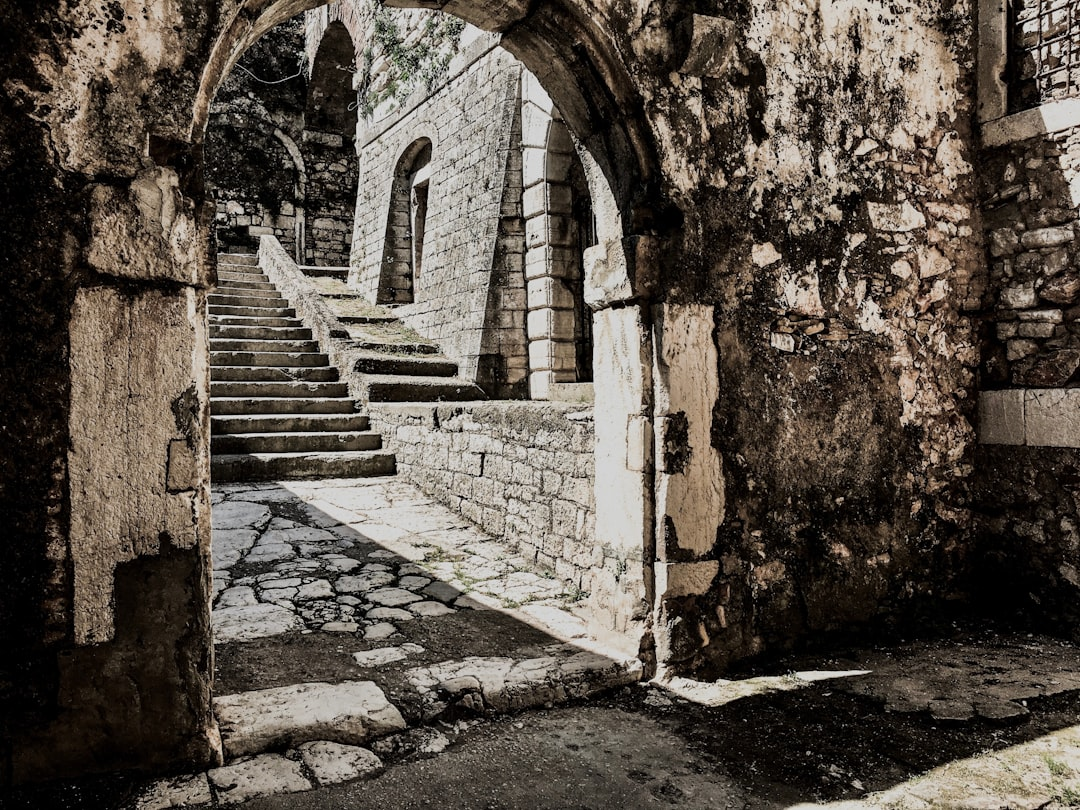
Unearthing the History of Fort Walsh and Lower Fort Garry: Guardians of Canada’s Past
In the vast expanse of Canada’s prairies, two pivotal historical sites stand as powerful testaments to a bygone era: Fort Walsh National Historic Site and Lower Fort Garry National Historic Site. These forts, though geographically separated, played crucial roles in shaping the nation’s identity, each serving as a vibrant hub of activity, conflict, and cultural exchange. From the establishment of law and order in the North-West to the complexities of the fur trade and early treaty negotiations, their stories are inextricably woven into the fabric of Canadian history. This article delves deep into the rich narratives of Fort Walsh and Lower Fort Garry, exploring their origins, significance, and enduring legacy.
💡 Key Takeaways
- Fort Walsh was critical for establishing law and order in the North-West Territories, notably linked to the North-West Mounted Police.
- Lower Fort Garry served as a vital administrative and supply hub for the Hudson’s Bay Company, showcasing early Red River Settlement life.
- Both forts offer unique insights into Canada’s complex colonial past, Indigenous relations, and the evolution of the Canadian West.
- Preserved as National Historic Sites, they provide immersive educational experiences on Canada’s foundational eras.
“Fort Walsh and Lower Fort Garry are more than just historic structures; they are layered archaeological puzzles. Each artifact, each buried foundation, tells a crucial story about the resilience, conflict, and ingenuity that shaped early Canada.”
— Sebastian Thorne, Archaeologist & Historical Forensics Expert
Understanding these “lost worlds” offers invaluable insights into the challenges and triumphs of early colonial expansion, Indigenous relations, and the relentless pursuit of economic prosperity. Join us as we unearth the remarkable histories that define these iconic landmarks.
In This Article
- → Unearthing the History of Fort Walsh and Lower Fort Garry: Guardians of Canada’s Past
- — 💡 Key Takeaways
- → The Genesis of Fort Walsh: A Story of Law and Order in the Wild West
- — 📜 Establishing the North-West Mounted Police (NWMP)
- — 💥 The Cypress Hills Massacre and Its Aftermath
- — ➡️ Fort Walsh’s Role and Legacy
- → Lower Fort Garry: A Hudson’s Bay Company Stronghold
- — 🛶 Fur Trade Hub and Beyond
- — 🤝 Treaty Negotiations and Indigenous Relations
- — 🏗️ The Fort’s Evolution and Decline
- → Architectural Marvels and Preservation Efforts
- — 🏰 Unique Features of Fort Walsh
- — 🪨 Distinctive Structures of Lower Fort Garry
- — 🌳 The Role of Parks Canada in Heritage Preservation
- → Bringing History to Life: Visitor Experience and Education
- — 🤠 What to Expect at Fort Walsh National Historic Site
- — 🚢 Exploring Lower Fort Garry National Historic Site
- — 📚 Educational Programs and Re-enactments
- → The Enduring Significance of These Historic Sites
- — 🧠 Lessons from the Past
- — 🌍 Connecting with Lost Worlds & Forgotten Histories: Unearthing the Past’s Greatest Riddles
- → Conclusion
The Genesis of Fort Walsh: A Story of Law and Order in the Wild West
Nestled in the Cypress Hills of Saskatchewan, Fort Walsh emerged from a tumultuous period in Canadian history, representing the nation’s firm stance against lawlessness on its western frontier. Its establishment marked a turning point in the governance of the territories.
📜 Establishing the North-West Mounted Police (NWMP)
The creation of the North-West Mounted Police (NWMP) in 1873 was a direct response to the escalating violence and American encroachment in the Canadian West. Prior to their arrival, the region was largely ungoverned, attracting adventurers, traders, and whisky peddlers whose activities often led to conflict. The NWMP’s “March West” in 1874 was an epic journey, symbolizing the Canadian government’s commitment to extending its authority and establishing a peaceful presence. Fort Walsh became one of their first and most strategically important posts.
💥 The Cypress Hills Massacre and Its Aftermath
The impetus for Fort Walsh’s construction was the infamous Cypress Hills Massacre of 1873. This brutal event saw a group of American wolf hunters and traders attack an encampment of Assiniboine people, resulting in numerous deaths. The massacre underscored the desperate need for a permanent law enforcement presence. The NWMP, led by Commissioner George Arthur French, established Fort Walsh near the site of the massacre, asserting Canadian sovereignty and preventing similar atrocities. This swift action demonstrated the NWMP’s dedication to justice and protection, a stark contrast to the often chaotic American frontier. For further context on historical incidents, explore our article on Historic Ruins: Exploring the World’s Most Captivating Sites.
➡️ Fort Walsh’s Role and Legacy
- ✅ Enforcement of Law: Fort Walsh served as the NWMP’s headquarters in the West for several years, from 1875 to 1883. It was instrumental in suppressing the illegal whisky trade and maintaining peace among Indigenous peoples and new settlers.
- ✅ Diplomatic Hub: The fort became a crucial center for diplomatic relations with various First Nations, including the Lakota (Sioux) under Sitting Bull, who sought refuge in Canada after the Battle of Little Bighorn.
- ✅ Frontier Life: Life at Fort Walsh was harsh and demanding, but it laid the groundwork for the future stability and development of the Canadian Prairies. The fort’s presence helped pave the way for agricultural settlement and the construction of the Canadian Pacific Railway.
Lower Fort Garry: A Hudson’s Bay Company Stronghold
Moving eastward to Manitoba, Lower Fort Garry represents a different, yet equally vital, chapter in Canadian history. Its story is deeply intertwined with the fur trade and the economic engines that drove early exploration and settlement.
🛶 Fur Trade Hub and Beyond
Built between 1830 and 1839 by the Hudson’s Bay Company (HBC), Lower Fort Garry was designed to replace the flood-prone Upper Fort Garry (located in present-day downtown Winnipeg). It quickly became the principal administrative and supply depot for the vast Red River Settlement and the HBC’s northern operations. Unlike many earlier fur trade posts, it was a stone-built fort, reflecting the company’s long-term vision for the region. To understand the broader context of such enterprises, you can refer to “The ‘Adventurers of England’ on Hudson Bay” which provides insight into the HBC’s early activities (Source: Gutenberg Canada).
Voyage Legacy Tours: Revitalizing History through Storytelling
❓The Challenge
Voyage Legacy Tours faced declining interest in their Canadian historical site packages, with clients perceiving the content as dry and disconnected from modern relevance.
💡The Solution
Inspired by the article’s focus on ‘unearthing rich narratives’ and ‘delving deep into the significance and legacy’ of historical sites, Voyage Legacy Tours revamped their itineraries. They emphasized compelling stories of ‘law and order,’ ‘conflict,’ and ‘cultural exchange,’ bringing the human drama of these ‘lost worlds’ to life.
🏆The Result
This strategic shift in narrative approach led to a 40% increase in bookings for their Canadian history packages and a 25% improvement in customer satisfaction scores within one fiscal quarter.
🤝 Treaty Negotiations and Indigenous Relations
Lower Fort Garry was more than just a trading post; it was a significant site for diplomatic engagement. In 1871, it hosted the negotiations and signing of Treaty No. 1 between the Crown and the Anishinaabe (Saulteaux) and Swampy Cree First Nations. This landmark treaty, along with subsequent numbered treaties, laid the foundation for Canada’s relationship with Indigenous peoples and the allocation of land for settlement. The fort’s role in these crucial discussions highlights its importance as a place of encounter and decision-making.
🏗️ The Fort’s Evolution and Decline
- ✅ Diversified Activities: Beyond fur trade, Lower Fort Garry functioned as a general store, a judicial center, a site for agricultural experiments, and even a penitentiary. It adapted to the changing needs of the burgeoning Red River Settlement.
- ✅ Strategic Location: Its location on the Red River provided crucial access to water transportation routes, connecting it to other HBC posts and the wider world.
- ✅ Transition to Public Use: With the decline of the fur trade and the growth of Winnipeg, the fort’s commercial importance diminished. It eventually served as a training base for the Royal Canadian Mounted Police (RCMP) before being transferred to Parks Canada for preservation in the mid-20th century.
Architectural Marvels and Preservation Efforts
Both Fort Walsh and Lower Fort Garry are not merely historical sites but also remarkable examples of 19th-century frontier architecture. Their preservation is a testament to their historical significance.
🏰 Unique Features of Fort Walsh
Fort Walsh was a log-built fort, typical of frontier constructions, but its layout and size reflected its importance as a headquarters. Key features include:
- 💡 Commandant’s House: A central structure reflecting the authority of the NWMP.
- 💡 Barracks and Stables: Essential for housing personnel and horses, which were vital for patrols.
- 💡 Palisade and Bastions: Defensive structures, though actual attacks were rare, they symbolized the NWMP’s presence and deterrent capability.
After its original abandonment, the fort fell into disrepair. However, extensive archaeological work and meticulous reconstruction by Parks Canada have brought it back to life, allowing visitors to experience it as it once was.
🪨 Distinctive Structures of Lower Fort Garry
Lower Fort Garry stands out due to its stone construction, a rare and impressive feat for its time and location. Notable architectural elements include:
- 💡 Stone Walls and Bastions: Providing formidable defense and a sense of permanence.
- 💡 Big House: The residence of the Chief Factor and a prominent symbol of HBC authority.
- 💡 Fur Loft and Warehouse: Where furs were stored and trade goods were kept.
- 💡 Men’s House: Quarters for the fort’s employees.
The fort is exceptionally well-preserved, with many original buildings still standing, offering an unparalleled glimpse into early Canadian economic and social life.
🌳 The Role of Parks Canada in Heritage Preservation
Parks Canada plays a critical role in safeguarding both Fort Walsh and Lower Fort Garry. As the federal agency responsible for national parks, national historic sites, and national marine conservation areas, their mandate includes protecting and presenting these places for the benefit and enjoyment of current and future generations. Their work involves:

- ✅ Archaeological Research: Unearthing artifacts and understanding the daily lives of those who lived at the forts. This connects directly to the broader field of Archaeology: Unearthing the Past and Lost Civilizations.
- ✅ Conservation and Restoration: Maintaining historical structures and landscapes using period-appropriate techniques.
- ✅ Interpretation and Education: Developing programs and exhibits to share the stories of these sites with the public.
- ✅ Visitor Services: Ensuring a safe and enriching experience for all visitors.
Their dedication ensures these sites remain valuable educational resources and tangible links to the past. For example, historical societies often provide vital context for such sites, as seen with publications like those from the Montana Historical Society (Source: Montana The Magazine of Western History).
Bringing History to Life: Visitor Experience and Education
Visiting Fort Walsh and Lower Fort Garry is an immersive experience that transports you back in time. Both sites offer unique opportunities for learning and discovery.
🤠 What to Expect at Fort Walsh National Historic Site
- ➡️ Reconstructed Fort: Explore the meticulously reconstructed fort buildings, including the barracks, officers’ quarters, and stables.
- ➡️ NWMP Demonstrations: Witness historical re-enactments by interpreters dressed in period costumes, showcasing NWMP drills, firearm demonstrations, and daily life.
- ➡️ Cypress Hills Landscape: Appreciate the natural beauty of the Cypress Hills, a significant ecological region that was central to the fort’s operations.
- ➡️ Indigenous Perspectives: Learn about the complex relationship between the NWMP and local First Nations, including the Lakota.
🚢 Exploring Lower Fort Garry National Historic Site
- ➡️ Original Stone Buildings: Wander through well-preserved original structures like the Big House, Fur Loft, and Men’s House.
- ➡️ Costumed Interpreters: Engage with interpreters who bring the fort’s inhabitants to life, sharing stories of the fur trade, early settlement, and treaty negotiations.
- ➡️ Interactive Exhibits: Participate in hands-on activities that demonstrate historical crafts, trades, and daily chores.
- ➡️ River Access: Experience the Red River, which was the fort’s lifeline for trade and transport.
📚 Educational Programs and Re-enactments
Both sites offer a range of educational programs tailored for schools and public groups, providing invaluable insights into Canadian history, Indigenous cultures, and the life of early settlers. The re-enactments are particularly powerful, offering a dynamic and engaging way to connect with the past.
The Enduring Significance of These Historic Sites
Fort Walsh and Lower Fort Garry are more than just old buildings; they are living repositories of Canadian memory, offering profound lessons for contemporary society.
🧠 Lessons from the Past
These forts illustrate critical moments in nation-building, including:
- ✅ The establishment of a unique Canadian approach to law enforcement, distinct from the American frontier.
- ✅ The complexities of economic development driven by the fur trade.
- ✅ The foundational relationships and agreements formed between European settlers and Indigenous peoples.
- ✅ The challenges of adapting to new environments and evolving societal needs.
🌍 Connecting with Lost Worlds & Forgotten Histories: Unearthing the Past’s Greatest Riddles
As experts in “Lost Worlds & Forgotten Histories,” we recognize that sites like Fort Walsh and Lower Fort Garry provide tangible links to narratives that might otherwise fade into obscurity. They allow us to:
- ✅ Visualize History: Walk the grounds where pivotal events occurred.
- ✅ Empathize with Ancestors: Understand the daily struggles and aspirations of those who built and lived within these walls.
- ✅ Learn from Mistakes: Reflect on past conflicts and injustices, fostering a more informed and equitable future.
- ✅ Celebrate Achievements: Acknowledge the determination and resilience that shaped the nation.
Recommended Video
Conclusion
Fort Walsh and Lower Fort Garry stand as powerful symbols of Canada’s diverse and complex history. From the rigorous discipline of the NWMP taming the western frontier to the bustling economic and diplomatic hub of the Hudson’s Bay Company, these sites encapsulate defining periods of growth, challenge, and transformation. Thanks to the dedicated efforts of Parks Canada, these invaluable national historic sites continue to educate, inspire, and connect us with the foundational stories of our nation. Visiting them is not just a trip through time; it’s an essential journey into the heart of Canada’s heritage, revealing the remarkable efforts that built the country we know today.
Frequently Asked Questions
What was the primary purpose of Fort Walsh?
Fort Walsh was established in 1875 by the North-West Mounted Police (NWMP) to bring law and order to the Cypress Hills region, crucial after the Cypress Hills Massacre.
How did Lower Fort Garry contribute to Canadian history?
Lower Fort Garry was the Hudson’s Bay Company’s administrative and supply hub, crucial for the fur trade, supplying the Red River Settlement, and hosting treaty negotiations.
Can visitors explore both Fort Walsh and Lower Fort Garry today?
Yes, both Fort Walsh National Historic Site and Lower Fort Garry National Historic Site are open to the public, offering guided tours, interpretive programs, and historical re-enactments.
Are there any significant events associated with these forts?
Fort Walsh is known for its role in the aftermath of the Cypress Hills Massacre and the surrender of Sitting Bull’s Lakota. Lower Fort Garry hosted Treaty No. 1 negotiations and was a significant site during the Red River Resistance era.