Marine Biodiversity: Protecting Ocean Life for a Sustainable Future
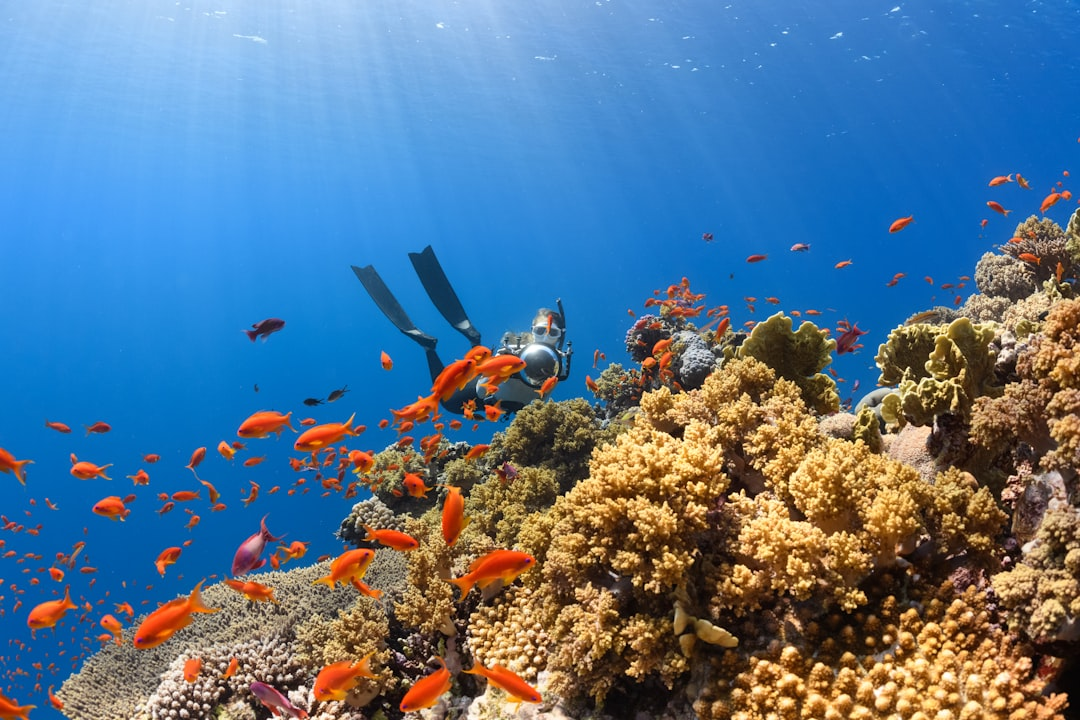
The ocean, covering over 70% of our planet, is a vibrant realm teeming with an extraordinary array of life. This vast blue expanse hosts ecosystems ranging from shallow coastal mangroves and dynamic coral reefs to the crushing depths of the abyssal plains. Understanding and safeguarding the incredible variety of life found within these environments is crucial for the health of our planet and our own survival. This is the essence of marine biodiversity – the variety of life in the oceans, from single-celled organisms to the largest whales, and the complex ecosystems they form.
💡 Key Takeaways
- Marine biodiversity is fundamental to the health of our planet, supporting vital ecological services.
- Key threats include pollution, overfishing, habitat destruction, and climate change.
- Effective protection requires international cooperation, sustainable practices, and robust policy enforcement.
- Individual actions, from reducing plastic use to supporting conservation efforts, collectively make a difference.
“Marine biodiversity isn’t just a count of species; it’s the intricate genetic tapestry that allows ocean life to adapt and thrive. Protecting this genetic variability is key to the resilience of our seas in a changing world.”
— Julian Aris, Evolutionary Biologist & Geneticist
At its core, protecting marine life is an integral part of understanding The Code of Life: Decoding Genetics, Evolution, and Existence itself. The oceans are not merely a collection of species; they are dynamic systems that regulate global climate, provide essential resources, and offer unparalleled beauty and wonder. As experts in the field, we delve into why this diversity matters, the threats it faces, and the innovative strategies being deployed to protect it.
In This Article
- → Marine Biodiversity: Protecting Ocean Life for a Sustainable Future
- — 💡 Key Takeaways
- → 🌊 What is Marine Biodiversity and Why Does It Matter?
- — Defining the Ocean’s Rich Tapestry
- — Ecosystem Services and Global Impact
- → Current Threats to Ocean Life
- — Climate Change and Ocean Acidification
- — Overfishing and Destructive Practices
- — Pollution: From Plastics to Chemicals
- — Habitat Destruction and Coastal Development
- → 💡 Key Strategies for Marine Biodiversity Conservation
- — Marine Protected Areas (MPAs)
- — Sustainable Fisheries Management
- — Reducing Pollution at the Source
- — International Cooperation and Policy
- → 🔬 Pioneering Research and Conservation Efforts
- — The Role of Leading Institutions
- — Technological Advancements in Ocean Exploration
- — Community Engagement and Citizen Science
- → 🌍 The Future of Ocean Life: A Call to Action
- — Individual Actions for Impact
- — Supporting a Sustainable Future
- → Conclusion: Our Shared Responsibility
🌊 What is Marine Biodiversity and Why Does It Matter?
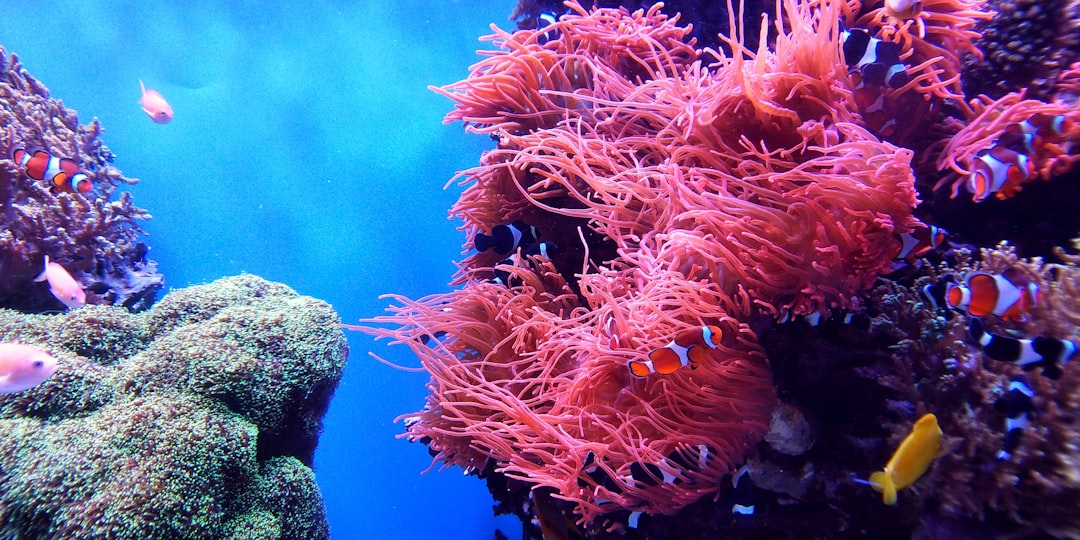
Marine biodiversity encompasses the vast spectrum of life in the oceans, including all the different species, their genetic variations, and the diverse habitats and ecosystems they form. This includes everything from microscopic plankton and algae to vast kelp forests, vibrant coral reefs, and iconic marine mammals.
Defining the Ocean’s Rich Tapestry
- ✅ Genetic Diversity: The variety of genes within a single species, allowing populations to adapt to changing environments.
- ✅ Species Diversity: The number of different species in a particular ecosystem or on Earth. The oceans are home to a staggering number of known and yet-to-be-discovered species.
- ✅ Ecosystem Diversity: The variety of different habitats, communities, and ecological processes, such as coral reefs, hydrothermal vents, kelp forests, and open ocean environments. For a fascinating dive, explore Coral Reef Biodiversity: Exploring Underwater Wonders.
Ecosystem Services and Global Impact
The health of marine biodiversity directly underpins critical ecosystem services that benefit all life on Earth. Without a thriving ocean, our planet’s very life support systems would falter.
- ➡️ Oxygen Production: Marine phytoplankton produce over half of the oxygen we breathe.
- ➡️ Climate Regulation: Oceans absorb vast amounts of carbon dioxide and regulate global temperatures and weather patterns.
- ➡️ Food Security: Billions of people rely on marine life for protein and livelihoods. Sustainable fisheries are vital for future food supplies.
- ➡️ Coastal Protection: Habitats like coral reefs and mangrove forests act as natural barriers, protecting coastlines from storms and erosion.
- ➡️ Economic Value: Marine ecosystems support tourism, recreation, and various industries.
- ➡️ Medical Advances: Many marine organisms hold potential for new medicines and biotechnological innovations.
Current Threats to Ocean Life
Despite its vastness and resilience, marine biodiversity faces unprecedented threats, primarily driven by human activities. These pressures are leading to significant declines in species populations and the degradation of critical habitats.
Marine Biodiversity Conservation: Benefits and Challenges
Pros
- ✔Supports healthy, resilient ocean ecosystems.
- ✔Ensures sustainable marine resources and food security.
- ✔Plays a crucial role in global climate regulation.
- ✔Offers potential for new scientific and medical discoveries.
Cons
- ✖Requires significant financial investment and resources.
- ✖Demands complex global coordination and enforcement.
- ✖Faces persistent threats from human activities (e.g., pollution, overfishing).
- ✖Vulnerable to escalating impacts of climate change.
Climate Change and Ocean Acidification
Rising global temperatures cause ocean warming, leading to coral bleaching and habitat shifts for many species. Simultaneously, increased absorption of atmospheric carbon dioxide leads to ocean acidification, which threatens shelled organisms like oysters, clams, and corals by making it harder for them to build and maintain their shells and skeletons.
Overfishing and Destructive Practices
Unsustainable fishing practices, including overfishing, bycatch (unintended capture of non-target species), and destructive methods like bottom trawling, deplete fish stocks and damage marine habitats. This directly impacts the delicate balance of marine food webs. For more insights on broad conservation, see Protecting Biodiversity: Strategies for a Sustainable Future.
Pollution: From Plastics to Chemicals
Marine pollution takes many forms, from pervasive plastic waste that ensnares and poisons marine life, to chemical runoff from agriculture and industry that creates dead zones, and noise pollution from shipping that disrupts marine mammal communication.
Habitat Destruction and Coastal Development
Coastal development, infrastructure projects, dredging, and unsustainable aquaculture practices destroy vital habitats like mangroves, seagrass beds, and salt marshes, which are critical nurseries for many marine species and act as natural carbon sinks.
💡 Key Strategies for Marine Biodiversity Conservation
Protecting the incredible variety of life in our oceans requires a multi-faceted approach involving policy, science, and community engagement. Here are some of the most effective strategies being implemented globally.
Boosting Eco-Tourism with Marine Biodiversity Education
❓The Challenge
Oceanic Expeditions, a marine eco-tourism company, faced declining engagement and struggled to attract discerning travelers who sought more than just scenic views.
💡The Solution
Inspired by the crucial role of marine biodiversity, they integrated educational narratives into all tours, highlighting the ocean’s vital ecosystem services like oxygen production, climate regulation, and coastal protection.
🏆The Result
This strategic pivot led to a 40% increase in bookings from environmentally conscious travelers and a 25% boost in average tour package value within eight months.
Marine Protected Areas (MPAs)
Establishing and effectively managing Marine Protected Areas (MPAs) is a cornerstone of conservation. These designated zones limit or prohibit human activities to allow ecosystems to recover and thrive, serving as safe havens for marine life. They often act as a crucial center of marine biodiversity, supporting species regeneration that can spill over into surrounding areas.
Sustainable Fisheries Management
Implementing science-based catch limits, reducing bycatch, eliminating illegal fishing, and promoting sustainable aquaculture practices are vital for ensuring healthy fish populations and the livelihoods that depend on them. Organizations like the Marine Stewardship Council (MSC) play a significant role in promoting sustainable seafood choices, as highlighted by their work on Marine biodiversity | Marine Stewardship Council.
Reducing Pollution at the Source
Efforts to curb marine pollution focus on preventing waste from entering the ocean. This includes improving waste management systems, reducing single-use plastics, treating wastewater, and regulating industrial discharges.
International Cooperation and Policy
Given the transboundary nature of oceans, international agreements and collaborative efforts are essential. Conventions like the Convention on Biological Diversity (CBD) and the work of organizations like the International Maritime Organization (IMO) aim to set global targets and foster cooperation for ocean conservation. For broader policies, consider National Biodiversity Strategies: Protecting Life Within and Beyond Borders.
🔬 Pioneering Research and Conservation Efforts
Advancements in scientific research and technological innovation are critical for understanding, monitoring, and protecting marine biodiversity. Leading institutions worldwide are at the forefront of this vital work.
The Role of Leading Institutions
- ➡️ Monterey Bay Aquarium Research Institute (MBARI): MBARI is renowned for its innovative deep-sea research and technological development, using remotely operated vehicles (ROVs) and autonomous underwater vehicles (AUVs) to explore vast, previously inaccessible ocean realms. Their work provides invaluable data on deep-sea ecosystems, species, and the impacts of climate change.
- ➡️ Woods Hole Oceanographic Institution (WHOI): WHOI is another world-leading independent organization dedicated to ocean discovery and understanding. Their research spans ocean physics, chemistry, biology, geology, and engineering, contributing foundational knowledge crucial for addressing complex marine challenges, from ocean currents to whale acoustics.
Technological Advancements in Ocean Exploration
New technologies are revolutionizing oceanography. Satellite monitoring tracks ocean health indicators, acoustic sensors monitor marine mammal populations, and advanced DNA sequencing allows for rapid biodiversity assessments, even in remote areas. These tools help us protect marine life, as further detailed by NOAA Fisheries’ initiatives to Protecting Marine Life | NOAA Fisheries.
Community Engagement and Citizen Science
Engaging local communities and the public in conservation efforts is paramount. Citizen science initiatives, beach cleanups, and educational programs foster a sense of stewardship and contribute valuable data for researchers. Biodiversity Awareness: Reflecting on Global Action highlights the importance of such global participation.
🌍 The Future of Ocean Life: A Call to Action
The health of our oceans is inextricably linked to the health of our planet and humanity. Safeguarding marine biodiversity is not just an environmental issue; it is an economic, social, and ethical imperative. The future of ocean life depends on our collective actions, now more than ever.
Individual Actions for Impact
Every individual can contribute to ocean conservation. Choosing sustainable seafood, reducing plastic consumption, supporting ocean-friendly policies, and advocating for marine protection are all vital steps.
Supporting a Sustainable Future
Supporting initiatives focused on preserving marine ecosystems, such as those that function as a coastal and marine biodiversity centre, can make a tangible difference. These centers often combine research, rehabilitation, and public education to protect local marine environments.
Recommended Video
Conclusion: Our Shared Responsibility
The vast and mysterious world of marine biodiversity is a source of endless wonder and a critical component of Earth’s life support system. From the microscopic plankton that fuels the food web to the majestic whales traversing oceanic expanses, every part plays a role. While the challenges are immense, from climate change to pollution, the dedicated work of scientists, conservationists, policymakers, and engaged citizens offers hope.
By understanding the importance of our oceans and actively participating in their protection, we can ensure that these vital ecosystems continue to thrive, providing invaluable services and inspiring future generations. Protecting marine biodiversity is not just about saving species; it’s about securing a sustainable and healthy future for all life on Earth.
Frequently Asked Questions
Why is marine biodiversity important?
Marine biodiversity underpins essential global processes, including oxygen production, climate regulation, and food security. It also supports vibrant ecosystems that provide habitats for countless species.
What are the main threats to ocean life?
Major threats include plastic and chemical pollution, overfishing, habitat destruction (like coral reef bleaching), and the impacts of climate change such as ocean acidification and warming.
How can individuals contribute to marine protection?
Individuals can help by reducing their carbon footprint, choosing sustainable seafood, minimizing plastic consumption, supporting marine conservation organizations, and advocating for stronger environmental policies.
What role do protected marine areas play?
Marine Protected Areas (MPAs) are vital for safeguarding critical habitats and species, allowing ecosystems to recover, and providing refuges where biodiversity can flourish, often leading to benefits for surrounding areas.