


As experts in The Code of Life: Decoding Genetics, Evolution, and Existence, we understand that the intricate web of life is not confined by political lines. Our planet’s biodiversity, the rich variety of all life on Earth, is fundamental to human well-being and the health of ecosystems. Protecting this invaluable asset requires coordinated efforts, both within and beyond national boundaries.
💡 Key Takeaways
- NBSAPs are national blueprints for implementing the Convention on Biological Diversity (CBD).
- They involve multi-stakeholder approaches, integrating biodiversity into all sectors.
- Effective NBSAPs are essential for achieving global biodiversity targets and reversing nature loss.
- Cross-border collaboration is key to addressing shared ecological challenges.
“From an evolutionary perspective, National Biodiversity Strategies are more than just policies; they’re our generation’s critical attempt to preserve the genetic heritage forged over billions of years, ensuring adaptability and resilience for future life on Earth.”
— Julian Aris, Evolutionary Biologist & Geneticist
This comprehensive guide delves into the critical role of national biodiversity strategies and the evolving landscape of biodiversity beyond national jurisdiction. We’ll explore how nations are charting their course for conservation and how global cooperation is addressing the vast, shared heritage of the high seas and deep seabed. Understanding these frameworks is essential for anyone committed to safeguarding our planet’s living treasures.
In This Article
- — 💡 Key Takeaways
- → What Are National Biodiversity Strategies and Action Plans (NBSAPs)?
- → The Core Components of an Effective NBSAP
- — ✅ Assessment and Planning
- — 🗺️ Policy Integration
- — 🤝 Stakeholder Engagement
- — 📊 Monitoring and Reporting
- — 💰 Resource Mobilization
- → Biodiversity Beyond National Jurisdiction (BBNJ): A Global Challenge
- → The BBNJ Agreement: A Landmark in Ocean Governance
- → Interplay: How National and International Efforts Connect
- → Challenges and Opportunities in Biodiversity Protection
- — 🚧 Common Hurdles
- — 🌱 Emerging Opportunities
- → Conclusion
What Are National Biodiversity Strategies and Action Plans (NBSAPs)?
National Biodiversity Strategies and Action Plans (NBSAPs) are primary instruments for implementing the Convention on Biological Diversity (CBD) at the national level. These strategic frameworks articulate a country’s approach to biodiversity conservation and sustainable use of its components. Think of them as a nation’s blueprint for environmental stewardship, tailored to its unique ecological, economic, and social circumstances.
NBSAPs are not merely policy documents; they are dynamic tools that:
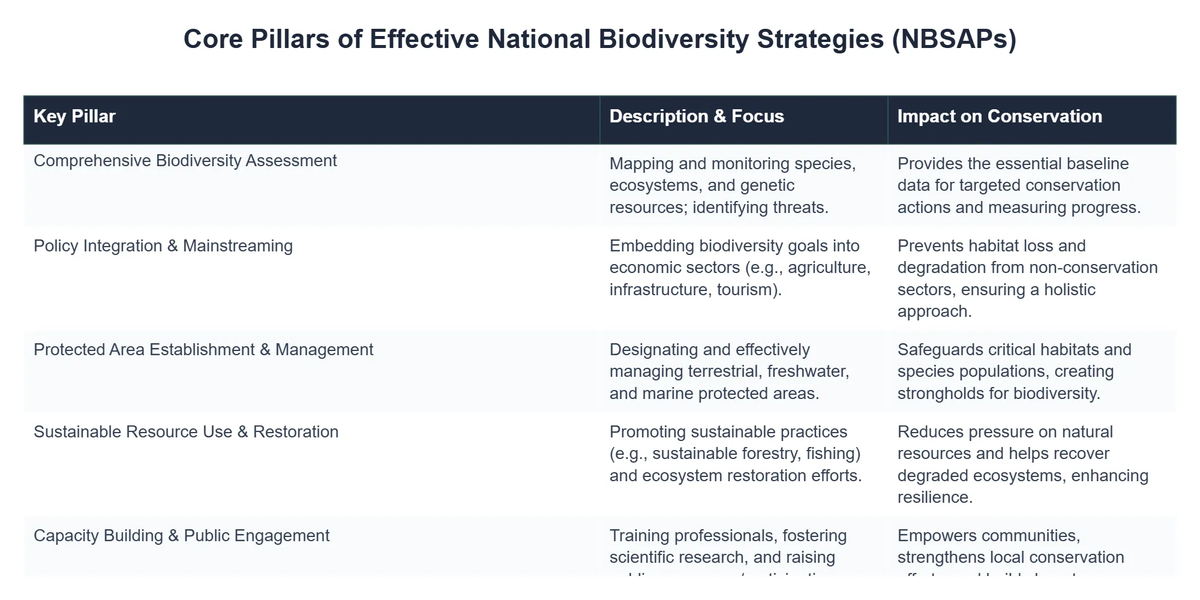
- ✅ Assess National Biodiversity: They begin by evaluating a country’s current biodiversity status, identifying key threats, and assessing the value of its ecosystems.
- ➡️ Set Strategic Goals: Based on the assessment, nations establish specific, measurable, achievable, relevant, and time-bound (SMART) targets for biodiversity conservation, aligning with global goals like the Kunming-Montreal Global Biodiversity Framework.
- 💡 Outline Action Plans: They detail the concrete steps, policies, and programs required to achieve these targets, involving various sectors from agriculture and forestry to tourism and urban planning.
Their importance cannot be overstated. NBSAPs translate international commitments into tangible, on-the-ground actions, ensuring that conservation efforts are integrated into national development priorities. For a deeper dive into practical conservation efforts, explore our guide on Protecting Biodiversity: Strategies for a Sustainable Future.
The Core Components of an Effective NBSAP

While each NBSAP is unique to its nation, effective strategies share several fundamental components designed to ensure comprehensive and actionable conservation:
✅ Assessment and Planning
The foundation of any robust NBSAP is a thorough understanding of the national biodiversity context. This involves:
- Identifying and mapping key ecosystems, habitats, and species.
- Analyzing the direct and indirect drivers of biodiversity loss (e.g., habitat destruction, pollution, climate change).
- Prioritizing areas and species for conservation action based on their ecological significance and threat levels.
🗺️ Policy Integration
Biodiversity conservation cannot be isolated; it must be mainstreamed across all governmental sectors. An effective NBSAP:
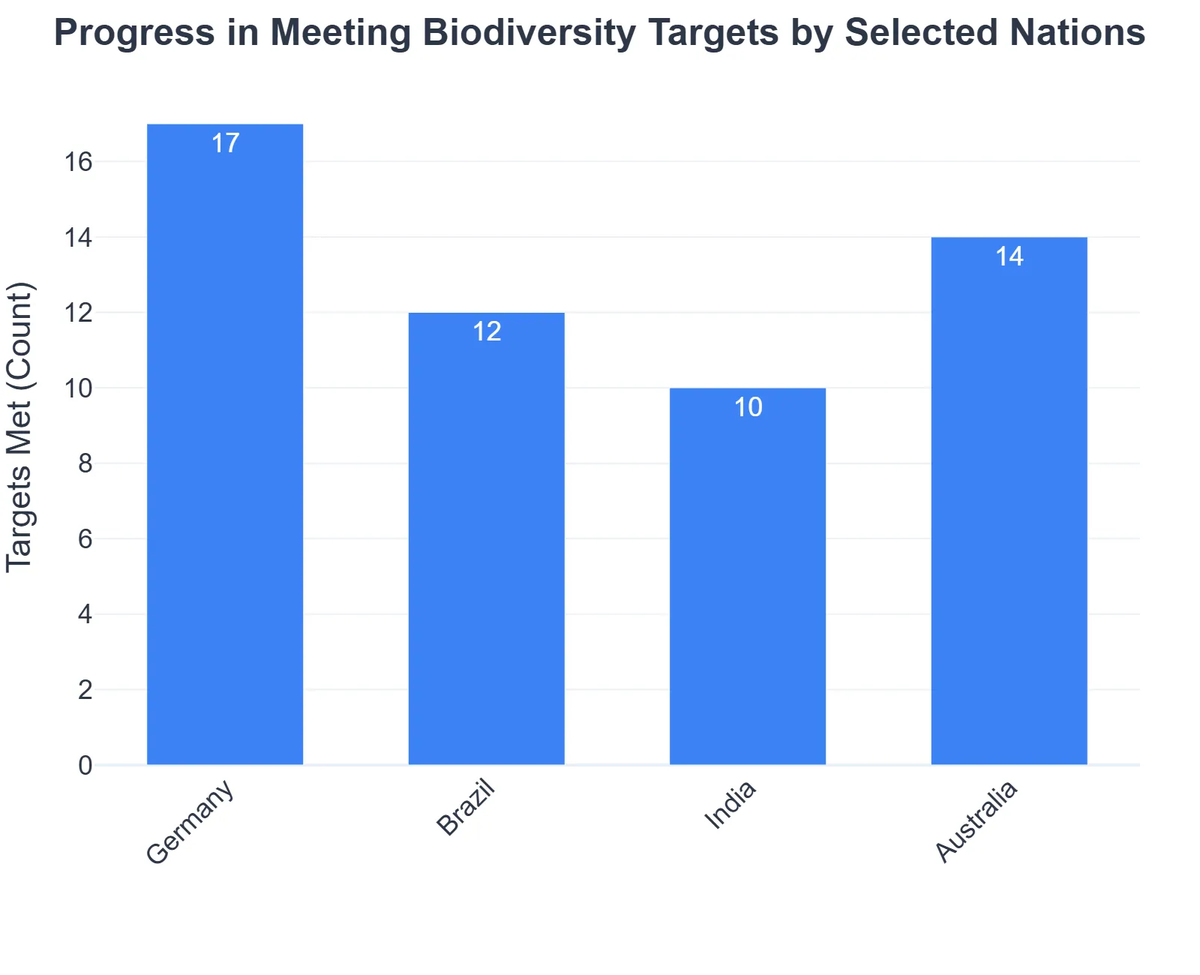
- Incorporates biodiversity considerations into national development plans, sectoral policies (e.g., energy, infrastructure, trade), and spatial planning.
- Aims to minimize negative impacts on biodiversity from other sectors and leverage opportunities for positive contributions.
🤝 Stakeholder Engagement
Conservation is a collective responsibility. NBSAPs emphasize broad participation, including:
- Engaging local communities, Indigenous Peoples, non-governmental organizations, academic institutions, and the private sector.
- Fostering public awareness and education on biodiversity issues to build support for conservation initiatives.
📊 Monitoring and Reporting
To ensure accountability and adapt to changing conditions, NBSAPs include mechanisms for:
- Regularly monitoring the status and trends of biodiversity and the effectiveness of implemented actions.
- Reporting on progress towards national and international targets, allowing for adaptive management and course correction.
💰 Resource Mobilization
Effective implementation requires adequate resources. NBSAPs address:
- Identifying financial needs for biodiversity conservation and sustainable use.
- Exploring diverse funding sources, including national budgets, international aid, private sector investment, and innovative financing mechanisms.
Biodiversity Beyond National Jurisdiction (BBNJ): A Global Challenge
While NBSAPs focus on sovereign territories, a vast portion of our planet’s biodiversity exists in areas beyond national jurisdiction (BBNJ). These include the high seas, which cover more than two-thirds of the ocean, and the deep seabed. This realm is a global common, meaning no single nation has exclusive rights or responsibilities over it.
National Biodiversity Strategies: Benefits and Challenges
Pros
- ✔Provides a structured framework for national conservation efforts.
- ✔Facilitates international cooperation and meeting global commitments.
- ✔Raises national awareness and promotes integration of biodiversity into policies.
- ✔Mobilizes resources and investments for conservation initiatives.
Cons
- ✖Implementation often faces significant financial and capacity gaps.
- ✖Challenges in inter-sectoral coordination and stakeholder engagement.
- ✖Difficulty in monitoring progress and evaluating true effectiveness.
- ✖Political will and competing economic priorities can hinder enforcement.
The conservation of biodiversity beyond national jurisdiction presents unique challenges:
- 🚫 Governance Gaps: Historically, the high seas have been governed by a fragmented patchwork of agreements and organizations, leaving significant gaps in comprehensive environmental protection.
- 🌊 Remote and Underexplored: Much of the BBNJ is deep, vast, and difficult to access, making scientific research, monitoring, and enforcement complex and costly.
- 🌍 Cumulative Impacts: Activities like overfishing, shipping, deep-sea mining exploration, and climate change effects pose significant threats, often with transboundary impacts.
Protecting these areas is crucial, not just for the intrinsic value of their unique ecosystems but also because they play vital roles in global climate regulation, nutrient cycling, and support highly migratory species. For more on the interconnectedness of global ecosystems, consider exploring articles like Biomes and Biodiversity: Shaping Life on Earth or Animal Biodiversity: Exploring the Wild Tapestry. The importance of managing these shared resources is underscored by global conservation organizations; for example, the High Seas Alliance highlights the critical role of high seas marine protected areas for migratory species, as discussed in their piece, “Nature Beyond Borders: The Crucial Role of High Seas Marine Protected Areas for Migratory Species”.
The BBNJ Agreement: A Landmark in Ocean Governance
Recognizing the urgent need for a more coherent governance framework, the international community adopted the Agreement under the United Nations Convention on the Law of the Sea on the Conservation and Sustainable Use of Marine Biological Diversity of Areas Beyond National Jurisdiction (informally known as the BBNJ Agreement or High Seas Treaty) in June 2023. This landmark treaty aims to address the fragmentation and enhance the protection of ocean life beyond national waters.
Key pillars of the BBNJ Agreement include:
- Area-Based Management Tools (ABMTs), including Marine Protected Areas (MPAs): Establishing a mechanism to designate and manage protected areas on the high seas, which was previously challenging due to jurisdictional ambiguities.
- Environmental Impact Assessments (EIAs): Requiring EIAs for activities planned in BBNJ areas that could have significant impacts on marine biodiversity.
- Capacity Building and the Transfer of Marine Technology: Facilitating support for developing countries to participate effectively in ocean governance and marine science.
- Marine Genetic Resources (MGRs): Establishing a framework for the fair and equitable sharing of benefits from MGRs found in the high seas, recognizing their potential for scientific and commercial applications.
This agreement marks a significant step forward, providing a much-needed legal framework to coordinate conservation efforts and promote sustainable use in these vital global commons.
Interplay: How National and International Efforts Connect
The protection of biodiversity is not a series of isolated actions but an interconnected global endeavor. National Biodiversity Strategies and the BBNJ Agreement, along with other international conventions, are parts of a larger mosaic:
- 🌍 Global Targets, National Action: NBSAPs are crucial for countries to meet their commitments under the CBD, including the ambitious Kunming-Montreal Global Biodiversity Framework, which sets global targets for 2030 and beyond.
- 🤝 Synergies and Spillover Effects: Effective national conservation measures can have positive spillover effects on shared ecosystems, including coastal areas that interact with the high seas. Conversely, robust BBNJ governance helps protect migratory species and ecosystem processes that extend into national waters.
- 📊 Data and Knowledge Sharing: The BBNJ Agreement emphasizes data sharing and scientific collaboration, which can inform and strengthen national biodiversity assessments and management plans. This aligns with broader national efforts to understand and manage oceanic biodiversity, as highlighted in documents like “THE NATIONAL OCEAN BIODIVERSITY STRATEGY” from the Biden-Harris Administration.
Ultimately, the success of global biodiversity protection hinges on the seamless integration of national commitments and collaborative international governance, bridging the gap between land-based and ocean-based conservation.
Challenges and Opportunities in Biodiversity Protection
While frameworks like NBSAPs and the BBNJ Agreement provide a strong foundation, the path to effective biodiversity protection is fraught with challenges, yet ripe with opportunities for innovation and collaboration.
🚧 Common Hurdles
- 💰 Funding Gaps: Insufficient financial resources often hinder the implementation of ambitious conservation plans, both nationally and internationally.
- ⚖️ Enforcement and Compliance: Ensuring adherence to regulations and agreements, especially in vast or remote areas like the high seas, remains a significant challenge.
- 🤝 Political Will and Capacity: Sustained political commitment and the technical capacity within nations and international bodies are vital for long-term success.
- 🌪️ Climate Change: The accelerating impacts of climate change often exacerbate existing threats to biodiversity, making conservation efforts more complex.
🌱 Emerging Opportunities
- 💡 Technological Advancements: New technologies, from satellite monitoring and AI-driven data analysis to advanced mapping and genetic research, offer unprecedented tools for biodiversity assessment, monitoring, and conservation.
- 📈 Increased Global Awareness: Growing public awareness and concern about environmental issues are creating greater demand for political action and corporate responsibility.
- 🤝 Enhanced International Cooperation: Landmark agreements like the BBNJ Treaty demonstrate a growing global consensus on the need for collaborative action to address shared environmental challenges.
- 🔄 Nature-Based Solutions: The recognition of ecosystems’ role in providing essential services (e.g., climate regulation, water purification) is driving investment in nature-based solutions that benefit both people and biodiversity.
Recommended Video
Conclusion
Protecting the intricate tapestry of life on Earth demands a multi-faceted approach that spans from local communities to the vast expanses of the high seas. National Biodiversity Strategies and Action Plans provide the essential framework for countries to manage their unique ecological heritage, translating global commitments into tangible actions within their borders.
Simultaneously, the landmark BBNJ Agreement addresses the critical challenge of biodiversity beyond national jurisdiction, establishing a unified legal framework for the conservation and sustainable use of life in our shared oceans. The success of these efforts hinges on continuous scientific research, robust international cooperation, adequate resource mobilization, and the unwavering commitment of all stakeholders.
By strengthening our national blueprints for conservation and fostering unprecedented global collaboration, we can collectively safeguard biodiversity, ensuring a resilient and thriving planet for generations to come. The future of life, within and beyond borders, depends on our sustained action.
Frequently Asked Questions
Why are NBSAPs important for global conservation?
NBSAPs are vital because biodiversity loss is a global issue requiring coordinated national efforts. They help countries translate international commitments into concrete domestic actions, contributing to global targets like the Kunming-Montreal Global Biodiversity Framework.
How do NBSAPs address cross-border biodiversity issues?
While primarily national, effective NBSAPs often incorporate strategies for transboundary conservation, recognizing that ecosystems and species frequently cross political borders. This includes collaborating on shared protected areas, migratory species management, and regional policy coordination.