
The universe, in its vast, awe-inspiring complexity, has always ignited humanity’s deepest curiosities. One question, perhaps more than any other, continues to capture our collective imagination: Are we alone? This profound inquiry often leads to intense speculation, particularly concerning space agencies like NASA. Rumors, conspiracy theories, and sensational headlines frequently emerge, proclaiming that nasa alien life has been discovered, or even that an alien found by nasa is being kept secret.
💡 Key Takeaways
- NASA has not officially confirmed the discovery of extraterrestrial life to date.
- The agency actively conducts astrobiological research, seeking biosignatures on other planets and moons.
- Many viral ‘alien evidence’ claims are misinterpretations or hoaxes.
- Scientific methods and peer review are crucial in validating potential discoveries.
“The quest for extraterrestrial life isn’t about finding little green men; it’s about understanding the fundamental conditions for life beyond Earth. NASA’s methodical approach, while less sensational, is precisely what will lead to truly profound discoveries.”
— Astrid Bellweather, Astrophysicist & Science Fiction Consultant
As financial experts and seasoned SEO writers for uzdarbisinternete.lt, we understand the magnetic pull of such narratives. However, in the realm of scientific discovery, factual accuracy and rigorous evidence are paramount. This article aims to cut through the noise, providing a comprehensive, authoritative, and fact-based look at NASA’s true stance on extraterrestrial life. We will explore the rigorous scientific methods employed by the agency, debunk persistent myths, and clarify what NASA has, and has not, found in its dedicated search for life beyond Earth.
In This Article
- — 💡 Key Takeaways
- → NASA’s Official Stance: The Search Continues, But No Confirmation
- → The NASA Astrobiology Program: A Scientific Quest for Life
- → Common Misinterpretations and The Allure of Conspiracy Theories
- → Debunking Key “Alien Found by NASA” Myths
- — The “Face on Mars” and Other Martian Anomalies
- — Alleged UFO Sightings and Classified Programs
- — Ancient Astronaut Theories and Misinterpreted Artifacts
- — Fabricated Leaks and Viral Hoaxes
- → The Scientific Search for Biosignatures: Where NASA is Really Looking
- — Exoplanets: The Habitable Zone and Beyond
- — Ocean Worlds in Our Solar System: Europa and Enceladus
- — Mars: Past Water, Potential for Past Life
- → What NASAHasDiscovered (and What It Means for Alien Life)
- → The Future of Astrobiology: Next-Generation Missions
- → Conclusion: The Scientific Pursuit Continues
NASA’s Official Stance: The Search Continues, But No Confirmation
Before diving into specific claims, it’s crucial to understand NASA’s official position. NASA actively searches for signs of life beyond Earth, but as of today, they have not found conclusive evidence of extraterrestrial life, microbial or otherwise. Their investigations are driven by scientific curiosity and a commitment to understanding our place in the cosmos. Any significant discovery of alien life would be a monumental event, meticulously verified and announced to the world with unparalleled transparency.
The agency’s approach is methodical, focusing on identifying habitable environments and potential biosignatures—indicators of life—rather than sensationalizing unverified claims. This commitment to scientific rigor is what makes NASA a trusted authority in space exploration. While the public’s desire for a definitive “yes” is strong, the scientific process demands patience, replication, and irrefutable evidence. For an insightful perspective directly from NASA on this topic, consider reading their own scientist’s take: Do Aliens Exist? We Asked a NASA Scientist.
The NASA Astrobiology Program: A Scientific Quest for Life
At the heart of NASA’s endeavors to answer the “Are we alone?” question lies the NASA Astrobiology Program. This interdisciplinary program is not about finding “little green men” but about understanding the origin, evolution, distribution, and future of life in the universe. It brings together experts from various fields, including biology, chemistry, geology, planetary science, and astronomy, to tackle fundamental questions about life’s existence beyond Earth.

The Astrobiology Program supports research across three main themes:
- Life’s Origins and Evolution: Investigating how life began on Earth and how it adapts to diverse environments, providing clues for life elsewhere.
- Life in the Universe: Identifying potential habitats for life, both within our solar system and on exoplanets, and developing tools to detect biosignatures. This includes missions targeting Mars, Europa, and Enceladus.
- The Future of Life: Considering the implications of discovering extraterrestrial life and how it might impact humanity and our understanding of the cosmos.
Through the NASA Astrobiology Program, scientists analyze data from telescopes like the James Webb Space Telescope, probes sent to other planets, and samples returned to Earth. Their work is a testament to a methodical, science-driven search, far removed from the sensational claims often circulating online.
Common Misinterpretations and The Allure of Conspiracy Theories
Despite NASA’s transparent scientific process, the public’s fascination with extraterrestrial life often leads to the rapid spread of misinformation. Several factors contribute to the persistence of “NASA found aliens” myths:
- Confirmation Bias: People tend to interpret ambiguous information in a way that confirms their existing beliefs. If one believes aliens exist and NASA is hiding them, any unusual image or statement can be twisted to fit that narrative.
- Misinterpretation of Scientific Discoveries: Complex scientific findings are often oversimplified or taken out of context by the media or the public. For instance, finding organic molecules (carbon-based compounds) is often conflated with finding life itself, even though organic molecules are the building blocks, not necessarily proof of life.
- The “Secret Keeper” Trope: The idea that governments or powerful agencies are hiding groundbreaking truths is a common theme in popular culture and fuels mistrust.
- Sensationalism: Clickbait headlines and social media virality prioritize engagement over accuracy, leading to rapid dissemination of false claims.
Understanding these psychological and social drivers is key to debunking myths effectively. As a critical resource for anyone seeking to understand the universe better, we also recommend exploring Cosmic Queries: Probing the Mysteries of the Universe, which delves into many grand cosmic questions.
Debunking Key “Alien Found by NASA” Myths
Let’s address some of the most persistent and widely circulated myths concerning NASA’s alleged discovery of aliens:
NASA’s Search for Alien Life: Evidence and Misconceptions
Pros
- ✔NASA employs rigorous scientific methods in its search for life.
- ✔Ongoing missions explore diverse potentially habitable environments.
- ✔NASA actively debunks misinformation and promotes scientific literacy.
- ✔Public data sharing fosters scientific collaboration and transparency.
Cons
- ✖To date, no definitive evidence of extraterrestrial life has been confirmed by NASA.
- ✖Public often misinterprets unusual phenomena as alien proof.
- ✖Challenges in identifying unambiguous biosignatures from remote data.
- ✖Patience is required; discovery could take decades or centuries of research.
The “Face on Mars” and Other Martian Anomalies
One of the most famous examples of pareidolia (the tendency to perceive a specific, often meaningful image in a random or ambiguous visual pattern) is the “Face on Mars.” Captured by the Viking 1 orbiter in 1976, an image of a Martian mesa strongly resembled a human face due to specific lighting conditions and low resolution. This sparked widespread speculation about ancient alien civilizations on Mars.
However, subsequent, higher-resolution images from the Mars Global Surveyor (1998) and the Mars Reconnaissance Orbiter (2001) clearly showed the “face” to be a natural rock formation, casting shadows that created the illusion. There was no artificial structure, no alien monument. This phenomenon highlights how easily our brains can find familiar patterns in unfamiliar landscapes.
Alleged UFO Sightings and Classified Programs
Reports of Unidentified Flying Objects (UFOs), now often referred to as Unidentified Aerial Phenomena (UAPs) by official bodies, have long been associated with alien visitation. While government agencies, including parts of the U.S. military, have acknowledged and are investigating UAP sightings by trained observers (like pilots), there is no evidence to suggest these phenomena are extraterrestrial in origin. The investigations focus on unexplained aerial observations, which often turn out to be conventional aircraft, drones, atmospheric conditions, or sensor glitches.
NASA’s role in UAP studies is primarily focused on applying scientific data analysis techniques to publicly available UAP reports, not on investigating crashed alien spacecraft. They emphasize a scientific, evidence-based approach to understanding these phenomena, much like their general approach to space exploration. For more on how space agencies study our solar system, see our article on NASA Venus Expeditions: Unveiling Earth’s Scorching Sister, which shows the rigorous science involved in studying even our closest neighbors.
Ancient Astronaut Theories and Misinterpreted Artifacts
Another popular theory suggests that ancient human civilizations were visited by extraterrestrial beings who influenced their development or left behind advanced technology. Proponents often point to ancient structures, carvings, or texts as “proof” of alien intervention. While fascinating, these theories lack credible scientific evidence. Archaeological and anthropological research consistently demonstrates that human ingenuity and evolving knowledge can explain these achievements without recourse to extraterrestrial assistance.
AstroTruth Hub: From Noise to Authority with Fact-Based Content
❓The Challenge
‘AstroTruth Hub’ found its accurate, educational content often overlooked, drowned out by a sea of sensationalized and unverified space news and alien conspiracy theories online.
💡The Solution
Inspired by the article’s emphasis on factual accuracy and debunking myths, ‘AstroTruth Hub’ pivoted its content strategy. They began to proactively address popular space rumors, using rigorous scientific methods and official agency statements (like NASA’s) to provide clear, trust-building explanations.
🏆The Result
This strategic shift established them as a trusted authority, leading to a 60% increase in unique monthly visitors to their ‘myth-busting’ series and a 25% improvement in average session duration across their site.
NASA’s focus is on verifiable scientific evidence gathered through direct observation and experimentation, not on speculative interpretations of historical artifacts. The agency’s commitment to verifiable facts and data sets them apart from such theories. The very nature of scientific inquiry, as seen in the study of complex astronomical phenomena like those discussed in Are Black Holes Real? Undeniable Evidence from Astronomy, relies on observable proof, not interpretation of ancient myths.
Fabricated Leaks and Viral Hoaxes
In the digital age, misinformation spreads rapidly. Fake news articles, manipulated images, and “leaked” documents claiming to reveal alien discoveries frequently go viral. These hoaxes often exploit legitimate scientific discussions or images, twisting them to support a false narrative. Websites or social media accounts with little to no credibility often generate these stories for clicks or to promote a particular agenda.
NASA consistently debunks such claims, often through official statements or by providing the original, unedited context of images or data. For example, a common type of hoax involves claiming NASA is “about to confirm alien life,” a claim that a quick check with reputable sources like University of California, Riverside can easily debunk as a persistent rumor without basis.
The Scientific Search for Biosignatures: Where NASA is Really Looking
So, if NASA hasn’t found aliens, what are they actually looking for? Their scientific search is focused on identifying biosignatures – chemical or physical evidence of past or present life – and understanding the conditions necessary for life to emerge and thrive. This involves rigorous study of various celestial bodies:
Exoplanets: The Habitable Zone and Beyond
The discovery of thousands of exoplanets (pl anets outside our solar system) has revolutionized astrobiology. Missions like the Kepler Space Telescope and now the Transiting Exoplanet Survey Satellite (TESS) have identified countless worlds. Scientists are particularly interested in exoplanets located within their star’s “habitable zone” – the region where temperatures are suitable for liquid water to exist on the planet’s surface.
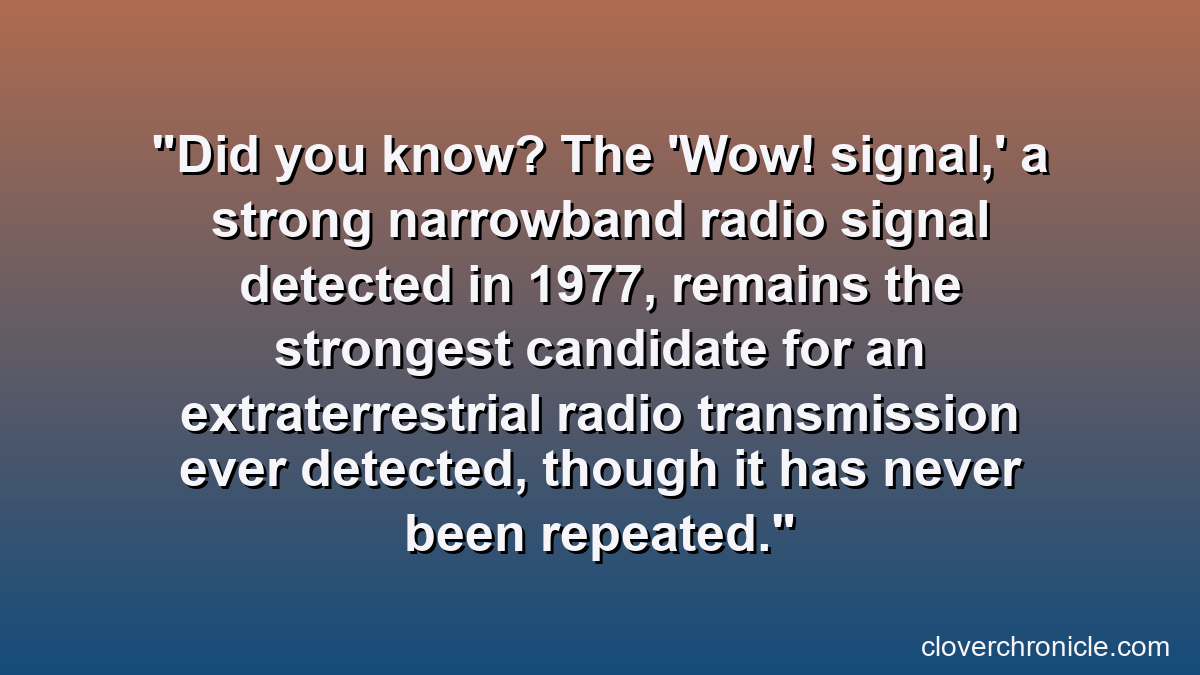
Future telescopes, like the James Webb Space Telescope (JWST), are designed to analyze the atmospheres of these exoplanets for potential biosignatures, such as oxygen, methane, or other gases that might indicate biological activity. While JWST has delivered incredible insights, no definitive biosignatures of alien life have been confirmed.
Ocean Worlds in Our Solar System: Europa and Enceladus
Within our own solar system, some of the most promising candidates for life are not planets, but icy moons with suspected subsurface oceans. Jupiter’s moon Europa and Saturn’s moon Enceladus are prime examples. Data from missions like Galileo and Cassini strongly suggest that these moons harbor vast saltwater oceans beneath their icy shells, potentially containing hydrothermal vents similar to those that support life at the bottom of Earth’s oceans.
NASA is developing missions like the Europa Clipper, set to launch in the coming years, which will conduct detailed reconnaissance of Europa, investigating whether it has the necessary conditions for life. The goal is to determine if these ocean worlds possess the ingredients for life as we know it, not to directly detect complex organisms.
Mars: Past Water, Potential for Past Life
Mars has long been a focal point in the search for extraterrestrial life. Evidence from rovers like Curiosity and Perseverance has unequivocally shown that Mars once had liquid water on its surface for extended periods, billions of years ago. This suggests that early Mars might have been habitable.
Current missions on Mars are searching for signs of ancient microbial life in rocks and soil, and collecting samples for potential return to Earth. While organic molecules have been found, and tantalizing clues suggest past habitable environments, definitive proof of Martian life, past or present, remains elusive.
What NASA Has Discovered (and What It Means for Alien Life)
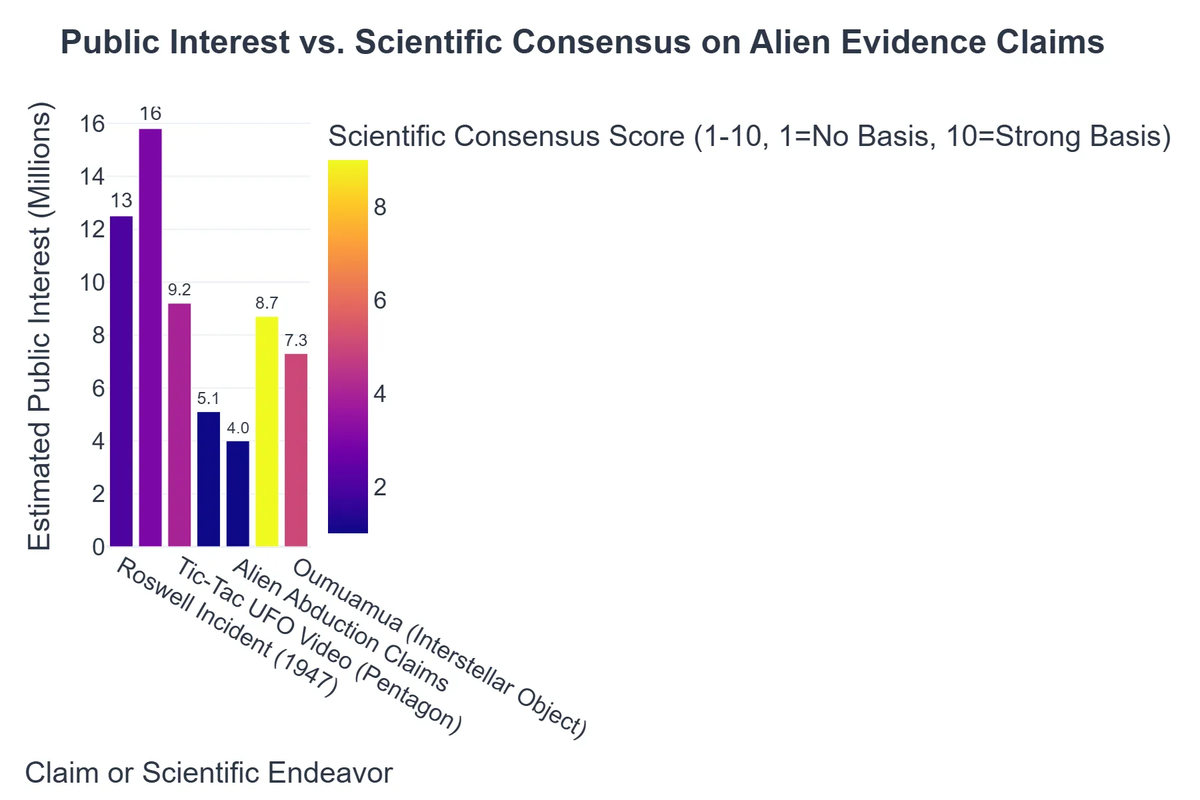
It’s important to differentiate between finding “aliens” and finding things that relate to the potential for alien life. NASA’s discoveries have significantly advanced our understanding of the conditions under which life might exist beyond Earth:
- Widespread Organic Molecules: NASA missions have detected complex organic molecules – the building blocks of life – in various celestial bodies, including comets, asteroids, and even on Mars. This indicates that the basic ingredients for life are common throughout the universe.
- Evidence of Past Water on Mars: As mentioned, Mars was once a wetter, warmer planet, with rivers, lakes, and potentially even oceans. This greatly increases the possibility that microbial life could have existed there in the past.
- Subsurface Oceans on Icy Moons: The strong evidence for vast liquid water oceans under the ice shells of Europa and Enceladus, potentially warmed by tidal forces, points to environments that could sustain life independent of sunlight.
- Diverse Exoplanets: The sheer number and variety of exoplanets discovered suggest that planets are abundant in the universe, significantly increasing the statistical probability of life existing elsewhere. Some are even in their stars’ habitable zones.
- Extremophiles on Earth: NASA-supported research on extremophiles – organisms that thrive in extreme conditions on Earth (e.g., deep-sea vents, highly acidic environments) – broadens our definition of what habitable environments might look like elsewhere, suggesting life could exist in places once thought impossible.
These findings are profound. They tell us that the universe is rich in the ingredients and conditions necessary for life. However, they are not evidence of life itself. They are crucial steps towards understanding where and how we might eventually find it.
The Future of Astrobiology: Next-Generation Missions
- James Webb Space Telescope (JWST): While already operational and delivering breathtaking images, JWST’s primary role in astrobiology is to characterize the atmospheres of exoplanets, searching for biosignatures that could indicate the presence of life.
- Europa Clipper: This mission will perform multiple close flybys of Europa to investigate whether it harbors conditions suitable for life. It will carry instruments to characterize its ocean, ice shell, composition, and geology.
- Mars Sample Return: The Perseverance rover is currently collecting rock and soil samples on Mars. The ambitious Mars Sample Return campaign aims to bring these samples back to Earth for detailed laboratory analysis, which could provide definitive answers about past life on Mars.
- Future Missions to Ocean Worlds: Beyond Europa, concepts for missions to other ocean worlds like Enceladus or even Titan (which has liquid methane lakes) are being discussed for their potential to harbor unique forms of life.
These missions represent humanity’s collective effort to answer one of the most fundamental questions about our existence, driven by scientific rigor and technological prowess rather than speculative claims.
Recommended Video
Conclusion: The Scientific Pursuit Continues
In conclusion, while the idea that NASA has found aliens is a compelling one, the reality is that no such definitive discovery has been made or officially announced. NASA’s dedicated and methodical approach, spearheaded by programs like the NASA Astrobiology Program, is focused on understanding the conditions for life and rigorously searching for its subtle clues across the cosmos. They are transparent about their findings, and any breakthrough of such magnitude would be a global announcement, not a secret.
The universe is vast, and the possibility of life beyond Earth remains high. NASA’s ongoing missions continue to push the boundaries of human knowledge, providing tantalizing insights into habitable environments and the building blocks of life. The absence of confirmed alien life today does not mean it doesn’t exist; it simply means the scientific journey to find it is still very much in progress. Until then, separating verifiable facts from speculative myths is crucial for any informed observer of space exploration.
Frequently Asked Questions
Has NASA ever officially announced finding aliens?
No, NASA has not made any official announcement confirming the discovery of extraterrestrial life. Their search continues, focusing on biosignatures and potentially habitable environments.
What is NASA’s approach to searching for alien life?
NASA employs various scientific methods, including sending probes to Mars and icy moons, analyzing exoplanet atmospheres, and using telescopes to look for signs of life or habitable conditions.
Are UFO sightings proof of alien visitation according to NASA?
NASA maintains that most UFO (Unidentified Flying Object) sightings can be attributed to atmospheric phenomena, conventional aircraft, or misidentification. While they study UAPs (Unidentified Aerial Phenomena), they have not linked them to extraterrestrial craft.
What are ‘biosignatures’ in the search for life?
Biosignatures are any substance, object, or pattern whose origin specifically requires a biological agent. Examples include certain atmospheric gases, specific organic molecules, or fossilized microbial structures.