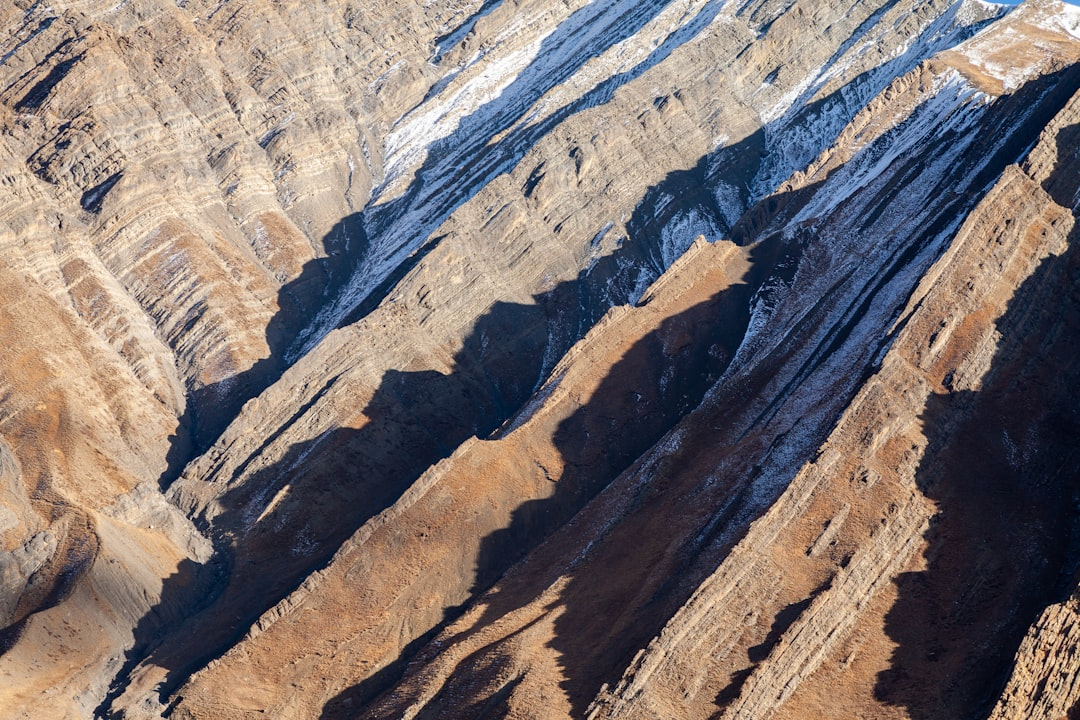
Talus in Geology: Understanding Scree Slopes and Rockfalls
In the dynamic realm of geology, where colossal forces sculpt our planet’s surface, few features are as indicative of ongoing change as talus geology. Often found at the base of cliffs, mountains, or steep slopes, talus deposits represent the raw, angular debris resulting primarily from rockfalls and other mass wasting events. These accumulations, sometimes referred to as scree slopes, offer a tangible testament to the relentless power of weathering and gravity, constantly reshaping landscapes.
💡 Key Takeaways
- Talus refers to an accumulation of broken rock fragments at the base of a cliff or mountain, often forming scree slopes.
- Scree slopes are dynamic environments, continuously shaped by weathering processes like freeze-thaw cycles and gravity-driven rockfalls.
- Understanding talus and scree is crucial for assessing geological hazards, such as landslides and rockfall zones.
- These landforms offer valuable insights into a region’s erosional history and the long-term impact of climate on landscapes.
“Talus slopes are intricate archives of a region’s geodynamic history, revealing the interplay of weathering, gravity, and climate over millennia. Analyzing their structure offers vital clues for predicting future landscape evolution and natural hazards.”
— Marcus Sterling, Geophysical Explorer & Climate Dynamics Analyst
Understanding talus is crucial for geologists, environmental scientists, and outdoor enthusiasts alike. It provides insights into slope stability, erosion rates, and even the hazards associated with mountainous terrain. This comprehensive guide delves into the formation, characteristics, and significance of talus, aiming to be the definitive online resource for anyone seeking to unravel the mysteries of these fascinating geological features.
In This Article
- → Talus in Geology: Understanding Scree Slopes and Rockfalls
- — 💡 Key Takeaways
- → What is Talus? Defining Scree Slopes and Their Debris
- — ✅ Characteristics of Talus Deposits
- → The Mechanics of Formation: How Rockfalls Create Talus
- — ⚙️ Processes Leading to Rockfall
- → Where to Find Talus Slopes: Common Geological Settings
- — 🏞️ Mountainous Regions and Cliffs
- — 🧊 Glacial Environments
- → Ecological and Environmental Significance of Talus
- — 🦋 Unique Habitats and Biodiversity
- — 💧 Impact on Hydrology and Sediment Transport
- → Hazards and Safety: Navigating Talus and Scree
- — ⚠️ Risks of Rockfall and Instability
- — 🎒 Safety Precautions for Hikers
- — 🏗️ Mitigation Strategies for Infrastructure
- → Studying Talus: Tools and Techniques in Geomorphology
- — 🗺️ Field Observation and Mapping
- — 🛰️ Remote Sensing and GIS
- — 📊 Predictive Modeling of Rockfall
- → Conclusion
What is Talus? Defining Scree Slopes and Their Debris
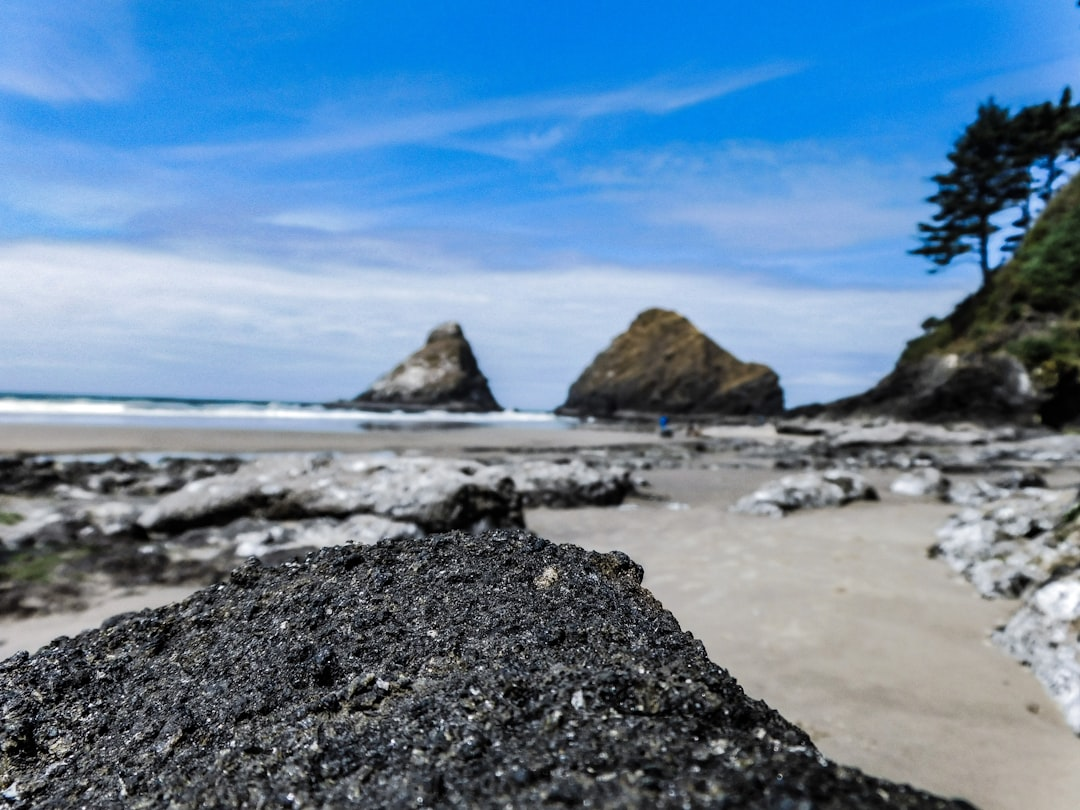
At its core, talus refers to a collection of broken rock fragments that have accumulated at the base of a cliff or steep slope. The term “scree” is often used interchangeably with talus, particularly when referring to a moving or loose surface of such debris. While both terms describe the same type of material, ‘scree’ often emphasizes the mobile, granular nature encountered by hikers, whereas ‘talus’ is a broader geological term for the accumulated deposit itself. For a foundational understanding of these concepts, Wikipedia provides a comprehensive overview of scree.
✅ Characteristics of Talus Deposits
- ➡️ Angular Fragments: Unlike water-transported sediments that become rounded, talus fragments are typically sharp and angular, indicative of their recent detachment from the parent rock.
- ➡️ Poor Sorting: Talus piles often consist of a wide range of fragment sizes, from fine gravel to large boulders, reflecting the varied nature of rockfall events.
- ➡️ Angle of Repose: Talus slopes commonly exhibit a characteristic angle of repose, which is the steepest angle at which loose material can remain stable without sliding. This angle varies with the size, shape, and friction of the fragments, often ranging from 30 to 45 degrees.
- ➡️ Concave Profile: From a distance, talus slopes often appear concave in profile, with steeper angles near the top (where larger rocks accumulate) and gentler slopes at the bottom.
The Mechanics of Formation: How Rockfalls Create Talus
The primary mechanism for talus formation is rockfall – the rapid descent of individual rocks or masses of rock from a cliff or steep slope. This process is a key component of mass wasting, a general term for the downslope movement of soil and rock material under the influence of gravity. The continuous action of rockfalls over long periods leads to the accumulation of vast talus fields.
⚙️ Processes Leading to Rockfall
- 💡 Freeze-Thaw Weathering: In temperate and cold climates, water seeps into cracks in rocks. When temperatures drop, this water freezes and expands, exerting pressure that widens the cracks. Repeated cycles of freezing and thawing can eventually pry pieces of rock away.
- 💡 Chemical Weathering: The chemical decomposition of rock can weaken its structure, making it more susceptible to fragmentation and detachment.
- 💡 Root Wedging: Plant roots growing into rock fractures can exert pressure, similar to ice, contributing to rock disintegration.
- 💡 Seismic Activity: Earthquakes can dislodge large volumes of rock, triggering extensive rockfalls.
- 💡 Erosion and Undercutting: Rivers, glaciers, or even strong winds can erode the base of a cliff, removing support and leading to the collapse of overlying rock. For more on how landscapes are shaped by such forces, consider our article on Geology Today: Latest Discoveries Shaping Our Understanding.
The role of rockfall in shaping geological landscapes is profound, as detailed by resources such as Number Analytics’ insights.
Where to Find Talus Slopes: Common Geological Settings
Talus slopes are ubiquitous features in many of the world’s most dramatic landscapes, from towering mountain ranges to coastal cliffs. Their presence is a clear indicator of active weathering and erosion processes.
🏞️ Mountainous Regions and Cliffs
- ✅ Alpine Environments: High-altitude areas with significant temperature fluctuations are prime locations for freeze-thaw weathering and subsequent talus accumulation. The sheer faces of glaciated valleys are often fringed by extensive talus cones.
- ✅ Arid and Semi-Arid Climates: While water is less abundant, intense flash floods can transport large quantities of rock debris, and significant temperature swings between day and night can contribute to rock breakdown.
- ✅ Canyon Lands: The steep walls of canyons, carved by rivers over millennia, frequently host talus slopes at their bases, formed from the ongoing spalling of rock.
🧊 Glacial Environments
Glaciers act as powerful erosive agents, carving out U-shaped valleys and leaving behind steep rock faces. As the ice retreats, these exposed cliffs are highly susceptible to weathering and rockfall, leading to the rapid formation of large talus deposits.
Ecological and Environmental Significance of Talus
Beyond their striking visual presence, talus slopes play several important roles in the broader ecosystem and geological processes. They are not merely inert piles of rock but dynamic environments.
Talus in Geology: Key Characteristics and Implications
Pros
- ✔Provides valuable insights into past geological processes and weathering.
- ✔Contributes to the unique geomorphology of mountain landscapes.
- ✔Creates specialized ecological niches for adapted flora and fauna.
- ✔Acts as a significant component in natural sediment transport systems.
Cons
- ✖Major source of geohazards, including rockfalls and landslides.
- ✖Presents significant challenges for infrastructure development and maintenance.
- ✖Limits extensive soil formation and vegetation growth on slopes.
- ✖Creates difficult and potentially dangerous terrain for human access and activity.
🦋 Unique Habitats and Biodiversity
- 💡 Microclimates: The loose, porous nature of talus creates unique microclimates, with cool, moist conditions beneath the surface and well-drained, exposed conditions on top.
- 💡 Shelter: The nooks and crannies within talus provide shelter for a variety of small animals, insects, and specialized plant species adapted to these harsh, unstable conditions.
- 💡 Plant Succession: Over time, if sufficiently stable, pioneer plant species may colonize talus slopes, gradually leading to soil development and ecological succession.
💧 Impact on Hydrology and Sediment Transport
- ➡️ Water Percolation: Talus slopes are highly permeable, allowing water to quickly percolate through them rather than flowing over the surface. This can influence groundwater recharge and spring formation at the base of the slope.
- ➡️ Sediment Source: Talus deposits serve as a significant source of sediment for rivers and other drainage systems, especially during periods of heavy rainfall or rapid snowmelt, contributing to the overall sediment budget of a watershed. This can relate to how Grain Size in Geology: Understanding Sedimentary Stories are formed downstream.
Hazards and Safety: Navigating Talus and Scree
While geologically fascinating, talus and scree slopes present significant hazards, especially to those venturing into mountainous terrain. Their inherent instability makes them prone to sudden movements and rockfalls.
⚠️ Risks of Rockfall and Instability
- ➡️ Falling Debris: The most obvious danger is from rocks detaching from the cliff face above or from the talus slope itself, which can gain considerable momentum as they descend.
- ➡️ Loose Footing: Hiking or climbing on scree can be incredibly challenging due to the loose, unstable nature of the surface, leading to slips, falls, and potential injuries.
- ➡️ Triggering Slides: Even a single footstep can dislodge a cascade of rocks, endangering not only the individual but also anyone below.
🎒 Safety Precautions for Hikers
Anyone planning to traverse talus or scree should prioritize safety. Essential hiking safety gear includes a helmet, sturdy boots with good ankle support, and often trekking poles for stability. Always travel with a partner, avoid lone excursions, and be aware of conditions above and below. Consult specialized Geomorphology textbooks or local guidebooks for terrain-specific advice.
🏗️ Mitigation Strategies for Infrastructure
In areas where talus slopes threaten roads, railways, or settlements, various mitigation strategies are employed:
- 💡 Rockfall Barriers: Fences, nets, and gabion walls are used to contain falling rocks.
- 💡 Catchment Ditches: Trenches at the base of slopes collect debris.
- 💡 Bolting and Netting: Unstable rock faces can be stabilized by drilling bolts into the rock and securing nets or mesh.
- 💡 Early Warning Systems: Monitoring systems can detect slope movement and issue warnings.
Studying Talus: Tools and Techniques in Geomorphology
The study of talus slopes provides critical data for understanding landscape evolution, hazard assessment, and climate change impacts. Geomorphologists employ a range of tools and techniques to analyze these features.
🗺️ Field Observation and Mapping
Traditional field methods involve direct observation, measurement of rock sizes and angles, and detailed mapping of talus deposits. This allows for direct assessment of the material characteristics and spatial distribution.
🛰️ Remote Sensing and GIS
Advanced technologies like LiDAR (Light Detection and Ranging) and drone-based photogrammetry allow for the creation of high-resolution 3D models of talus slopes and cliff faces. GIS (Geographic Information Systems) are then used to analyze these datasets, identifying potential rockfall sources, calculating volumes, and mapping susceptibility zones.
📊 Predictive Modeling of Rockfall
Computer models simulate rockfall trajectories and run-out distances, helping engineers and planners design effective mitigation measures and assess risk. These models consider factors like rock shape, slope angle, and surface friction to predict where falling rocks might land.
Recommended Video
Conclusion
Talus slopes and scree fields are more than just piles of broken rocks; they are active geological features that embody the relentless, unseen forces shaping our planet. From the dramatic rockfalls that create them to the unique ecosystems they support, talus deposits offer a window into the Earth’s ongoing dynamism. Understanding their formation, characteristics, and the associated hazards is essential for both scientific inquiry and practical safety in mountainous and steep environments. As we continue to explore and inhabit Earth’s diverse landscapes, appreciating the silent work of talus is key to comprehending the hidden dynamics of Earth’s Unseen Forces: The Hidden Dynamics of Our Planet.
Frequently Asked Questions
What is the difference between talus and scree?
Talus refers to the individual broken rock fragments, while scree refers to the entire accumulated pile or slope of these fragments, typically found at the base of a cliff or mountain.
How do talus slopes form?
Talus slopes form primarily from rockfall events, where rocks detach from a cliff face due to weathering (e.g., freeze-thaw cycles, root wedging) and gravity, accumulating at the bottom.
Are talus slopes stable?
Talus slopes are generally unstable and dynamic. Their loose, angular fragments can easily shift, making them prone to movement, especially with seismic activity, heavy rainfall, or increased weathering.
Why are talus slopes important in geology?
Talus slopes provide insights into erosion rates, rock type resistance, and past climatic conditions. They are also significant in hazard assessment due to potential rockfalls and other mass movements.