What is Red Biotechnology? The Core of Medical Innovation
In the vast landscape of life sciences, red biotechnology stands out as the specialized branch dedicated to advancing human health. Often synonymous with medical biotechnology, this field harnesses biological systems and living organisms to develop groundbreaking solutions for treating, preventing, and diagnosing diseases. It’s a dynamic discipline that merges biology, chemistry, engineering, and medicine to create therapeutic agents, diagnostic tools, and regenerative therapies that were once the realm of science fiction.
💡 Key Takeaways
- Red biotechnology focuses on medical and pharmaceutical applications, leveraging biological systems for health advancements.
- Key areas include developing new vaccines, gene therapies, diagnostic tools, and regenerative medicines.
- It holds immense potential for treating previously incurable diseases and enabling personalized healthcare solutions.
- Ethical considerations and regulatory frameworks are crucial alongside its rapid technological progress.
“Red biotechnology represents our growing ability to not just understand but intelligently interact with the very blueprints of life, offering unprecedented precision in combating disease and enhancing human health.”
— Julian Aris, PhD, Geneticist & Evolutionary Biologist
At its core, red biotechnology decodes the fundamental processes of life, leveraging insights from genetics, molecular biology, and immunology. This allows scientists to manipulate biological systems at a molecular level, leading to precise interventions. From engineering microorganisms to produce essential medicines to developing personalized treatments based on an individual’s genetic makeup, red biotechnology is transforming healthcare as we know it. Understanding its principles is key to comprehending the future of medicine, a future deeply intertwined with The Code of Life: Decoding Genetics, Evolution, and Existence.
In This Article
- → What is Red Biotechnology? The Core of Medical Innovation
- — 💡 Key Takeaways
- → Key Applications of Red Biotechnology in Healthcare
- — 🔬 Biopharmaceuticals: Revolutionizing Drug Development
- — 🧬 Gene Therapy: Correcting Genetic Defects
- — 🛡️ Vaccine Development: Protecting Public Health
- — 🧪 Diagnostics: Precision Medicine Tools
- → The Impact of Red Biotechnology on Disease Treatment
- → Challenges and Future Directions in Red Biotechnology
- — 🚧 Regulatory Hurdles & Ethical Considerations
- — 💰 Cost and Accessibility
- — 📈 Emerging Trends and Innovations
- → Driving Global Health: The Vision of Red Biotechnology
Key Applications of Red Biotechnology in Healthcare
The reach of red biotechnology extends across numerous facets of healthcare, offering innovative solutions where traditional methods often fall short. Its applications are diverse, impactful, and continuously expanding.
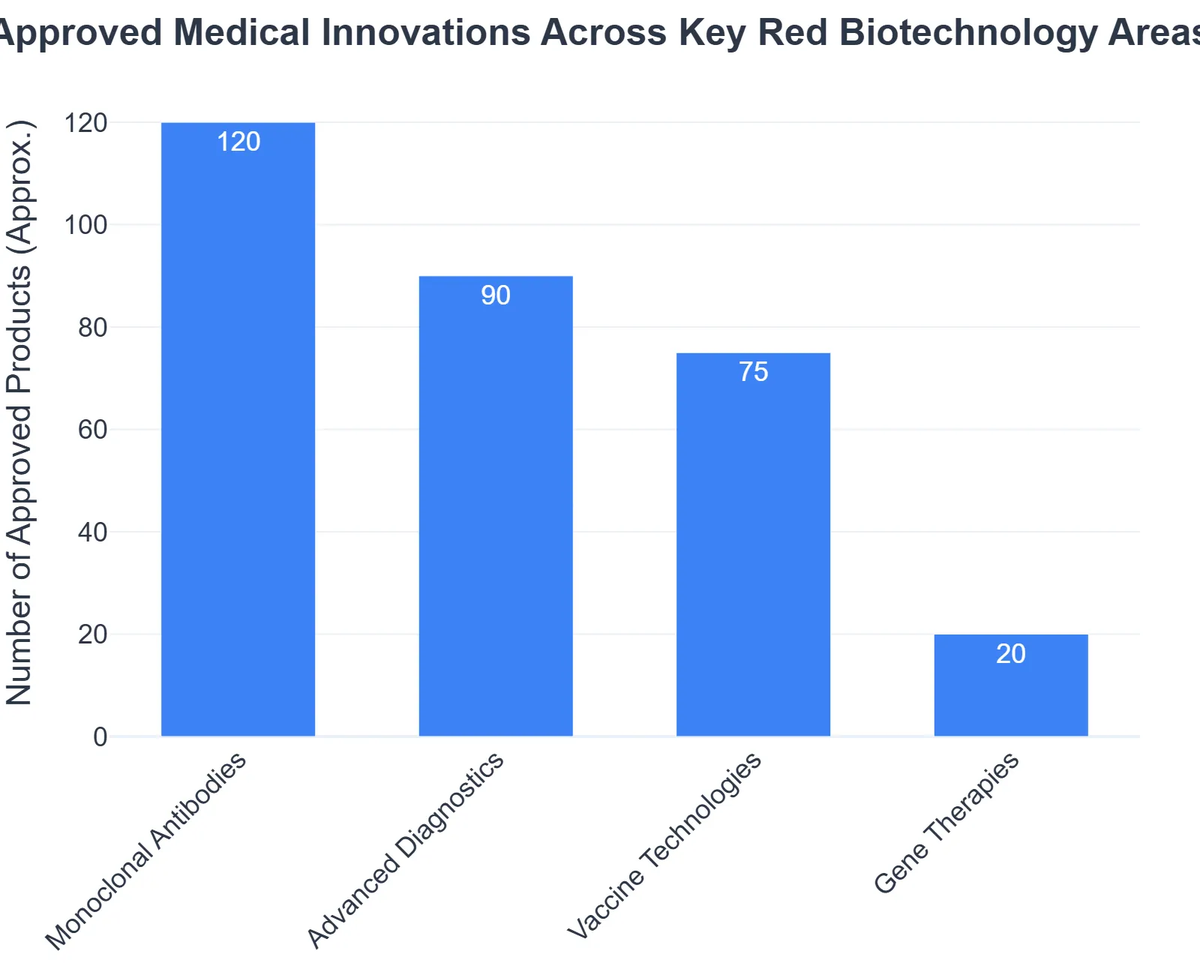
🔬 Biopharmaceuticals: Revolutionizing Drug Development
One of the most significant contributions of red biotechnology is the development of biopharmaceuticals. These are medicinal products manufactured using biological sources, such as living cells or organisms, through recombinant DNA technology. Unlike chemically synthesized drugs, biopharmaceuticals are complex molecules that often mimic natural biological processes in the body.
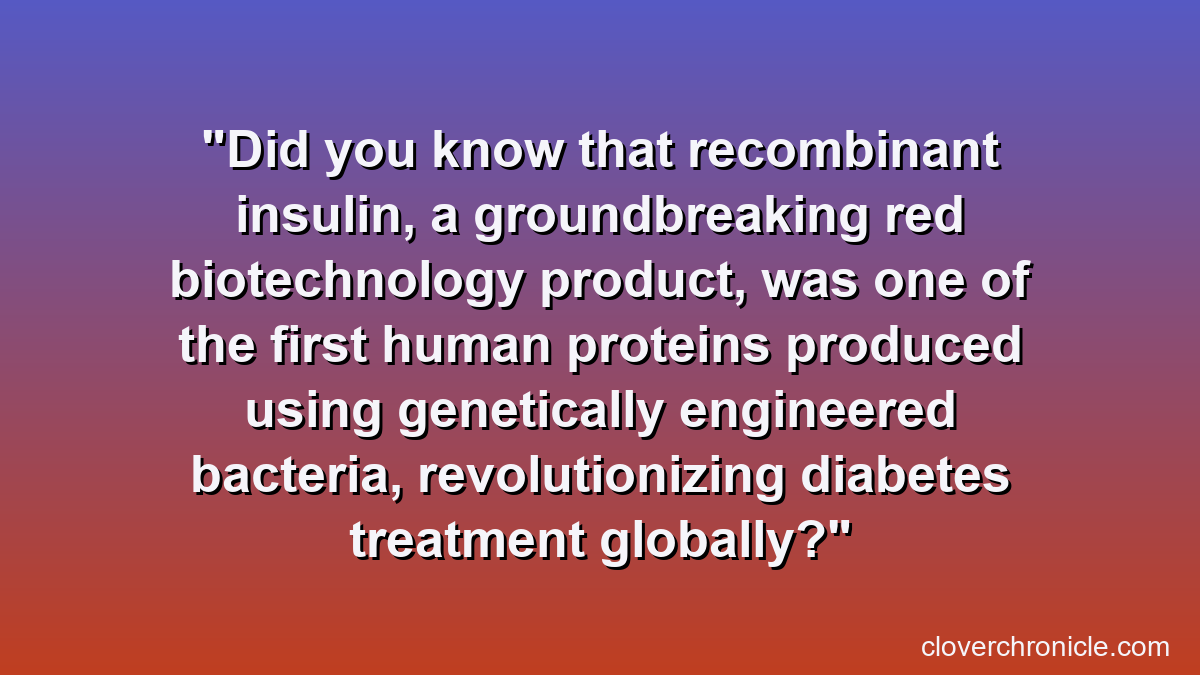
- ✅ Insulin and Growth Hormones: Early successes included human insulin produced by bacteria, making treatment widely accessible for diabetics. Similarly, recombinant human growth hormone revolutionized therapies for growth deficiencies.
- ✅ Monoclonal Antibodies: These engineered antibodies target specific cells or proteins, offering highly targeted treatments for cancers, autoimmune diseases, and inflammatory conditions with fewer side effects than conventional drugs.
- ✅ Blood Factors: Production of clotting factors for hemophilia patients, significantly improving their quality of life.
This area continues to expand, driven by advancements in protein engineering and cell culture technology, as discussed further in articles on GEN Biotechnology: Genetic Engineering and Biopharmaceutical Innovation.
🧬 Gene Therapy: Correcting Genetic Defects
Gene therapy represents a monumental leap in treating diseases at their source—the faulty genes. This innovative approach involves introducing, removing, or changing genetic material (DNA or RNA) within a patient’s cells to treat or prevent disease. It holds immense promise for conditions previously considered untreatable.
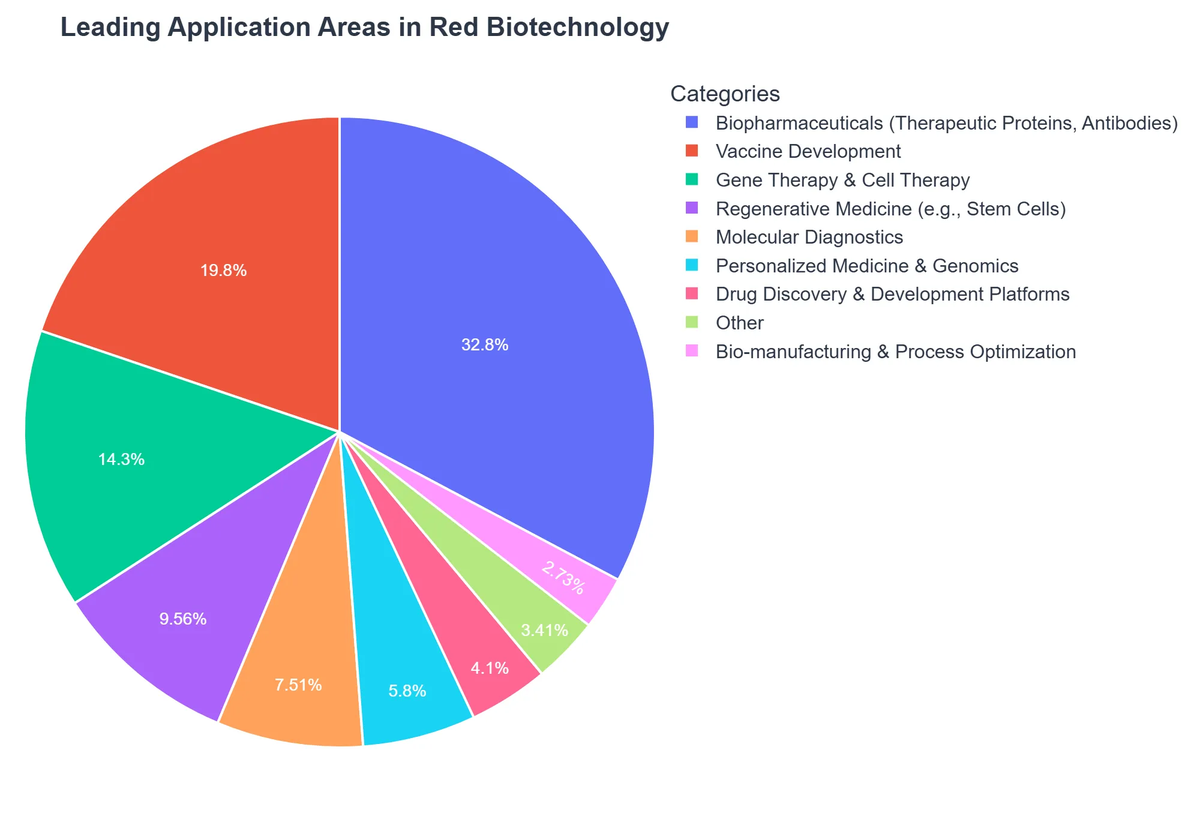
- ➡️ Monogenic Disorders: Successful treatments for inherited conditions like spinal muscular atrophy (SMA), certain forms of blindness, and severe combined immunodeficiency (SCID) demonstrate the power of gene therapy.
- ➡️ Cancer Treatment: Gene therapies are also being explored and approved for various cancers, often involving engineering a patient’s own immune cells to better fight tumors.
- ➡️ CRISPR Technology: The advent of CRISPR-Cas9 gene editing has accelerated research, offering unprecedented precision in modifying DNA, paving the way for correcting a wider range of genetic mutations.
🛡️ Vaccine Development: Protecting Public Health
Vaccine development is a cornerstone of public health, and red biotechnology has revolutionized this field. Traditional vaccines often use weakened or inactivated pathogens. Biotechnology has enabled the creation of safer, more effective, and rapidly producible vaccines.
- 💡 Recombinant Vaccines: These vaccines use only specific components of a pathogen (like a protein or a sugar) to trigger an immune response, reducing side effects and increasing safety. Examples include vaccines for Hepatitis B and HPV.
- 💡 mRNA Vaccines: A recent breakthrough, mRNA vaccines (like those for COVID-19) instruct human cells to produce a viral protein, triggering an immune response. This technology promises rapid development and production during outbreaks. Innovations like TriLink CleanCap: Revolutionizing mRNA Synthesis are critical to this advancement.
🧪 Diagnostics: Precision Medicine Tools
Red biotechnology has profoundly impacted medical diagnostics, enabling earlier and more accurate disease detection, monitoring, and even guiding treatment choices for personalized medicine.
- 📈 Molecular Diagnostics: Techniques like PCR (Polymerase Chain Reaction) allow for highly sensitive detection of pathogens (viruses, bacteria) and genetic mutations, crucial for infectious diseases and genetic disorders.
- 📈 Immunoassays: Methods like ELISA (Enzyme-Linked Immunosorbent Assay) are widely used for detecting antibodies, antigens, or other proteins in blood samples, important for disease screening and monitoring.
- 📈 Pharmacogenomics: This field uses an individual’s genetic information to predict their response to specific drugs, enabling doctors to prescribe medications that are more likely to be effective and less likely to cause adverse reactions.
The Impact of Red Biotechnology on Disease Treatment
The transformative power of red biotechnology is evident in its ability to redefine how we approach disease treatment, offering hope for conditions that were once considered incurable. It has shifted the paradigm from broad-spectrum interventions to highly targeted, often personalized, therapies.
Red Biotechnology: Benefits and Challenges in Medical Innovation
Pros
- ✔Enables groundbreaking therapies and cures for complex diseases.
- ✔Improves diagnostic accuracy and disease prevention through vaccines.
- ✔Facilitates personalized medicine tailored to individual genetic profiles.
- ✔Accelerates drug discovery and development processes.
Cons
- ✖High research, development, and production costs leading to expensive treatments.
- ✖Raises significant ethical, social, and safety concerns (e.g., gene editing).
- ✖Faces complex and lengthy regulatory approval processes.
- ✖Potential for unintended long-term side effects or misuse.
- ✅ Chronic Diseases: For conditions like diabetes, autoimmune disorders (e.g., rheumatoid arthritis, Crohn’s disease), and multiple sclerosis, biopharmaceuticals provide more effective management and improved quality of life compared to older treatments.
- ✅ Cancer Therapy: Biotechnology has been a game-changer in oncology. Immunotherapies, including checkpoint inhibitors and CAR T-cell therapies, harness the body’s immune system to fight cancer, leading to durable responses in many patients.
- ✅ Rare Diseases: Many rare genetic disorders, often neglected by traditional drug development, have found therapeutic solutions through red biotechnology. Orphan drugs developed via this path address critical unmet needs for small patient populations.
- ✅ Reduced Side Effects: By targeting specific disease mechanisms or cells, many biotechnological drugs offer a better safety profile and fewer side effects compared to non-specific chemical drugs, enhancing patient adherence and outcomes.
The integration of advanced analytics, including AI, further amplifies these impacts by accelerating drug discovery and optimizing patient selection for clinical trials. For more on this, consider sources like Advancing Healthcare through Red Biotechnology.
Challenges and Future Directions in Red Biotechnology
Despite its immense successes, red biotechnology faces significant hurdles. These challenges, however, also pave the way for exciting future directions and continued innovation.
🚧 Regulatory Hurdles & Ethical Considerations
The complexity and novelty of biotechnological products often lead to rigorous and lengthy regulatory approval processes. Ensuring safety and efficacy while adapting to rapidly evolving science is a constant balancing act. Ethical concerns, particularly regarding gene editing and reproductive technologies, require careful societal deliberation and robust regulatory frameworks.
BioGenix Breakthrough: Accelerating a Novel Autoimmune Therapy
❓The Challenge
BioGenix faced significant hurdles in the scalable and cost-effective production of a novel therapeutic protein for a rare autoimmune disorder, hindering its progression to clinical trials.
💡The Solution
By applying advanced red biotechnology principles, specifically optimizing recombinant DNA technology and expression systems, BioGenix engineered a more efficient cellular factory for their complex biopharmaceutical.
🏆The Result
This strategic pivot resulted in a 250% increase in therapeutic protein yield and a 40% reduction in production costs, accelerating their drug’s entry into Phase I clinical trials by 12 months.
💰 Cost and Accessibility
Biopharmaceuticals and advanced therapies are often very expensive to develop and produce, leading to high treatment costs. This raises critical questions about equitable access to these life-saving innovations, especially in developing countries. Initiatives focused on increasing affordability and global distribution are vital.
📈 Emerging Trends and Innovations
- 🚀 Personalized Medicine: Leveraging genomics, proteomics, and advanced diagnostics to tailor treatments specifically for an individual’s genetic makeup and disease profile. This approach promises maximum efficacy and minimal side effects.
- 🚀 Artificial Intelligence (AI) and Machine Learning (ML): AI is transforming drug discovery, target identification, clinical trial design, and even manufacturing processes, significantly accelerating the pace of innovation. Large pharmaceutical companies like Johnson & Johnson are leveraging AI to advance healthcare, as detailed on their innovation pages.
- 🚀 Synthetic Biology: Designing and building new biological parts, devices, and systems, or re-designing existing natural biological systems. This offers the potential for novel drug delivery systems, advanced diagnostic tools, and new therapeutic modalities.
- 🚀 CRISPR and Next-Gen Gene Editing: Beyond initial gene therapy applications, these technologies are being explored for broader applications, including combating infectious diseases and developing new agricultural traits, highlighting the need for strong intellectual property protection discussed in Biotechnology Patents: Protecting Innovation in Life Sciences.
As the field matures, global collaboration between academic institutions, industry, and regulatory bodies, often championed by organizations like Biotechnology Innovation Organization (BIO): Shaping the Global Biotech Landscape, will be crucial to navigating these challenges and unlocking the full potential of red biotechnology for global health.
Recommended Video
Driving Global Health: The Vision of Red Biotechnology
The journey of red biotechnology from scientific curiosity to a cornerstone of modern medicine has been nothing short of revolutionary. Its ongoing advancements promise not just incremental improvements but transformative shifts in how humanity combats disease, enhances well-being, and extends healthy lifespans.
The vision for red biotechnology is one where currently incurable diseases become manageable, where prevention is more precise, and where therapies are tailored to individual needs. It holds the key to addressing global health crises, from emerging pandemics to persistent chronic conditions, and even tackling the challenges of aging. By continually decoding the intricate “code of life,” researchers and innovators in this field are laying the foundation for a healthier, more resilient future for all.
For a comprehensive overview of the global state of biotech innovation, the European Joint Research Centre provides valuable insights into the landscape, underscoring the collaborative and international nature of this critical field: The global landscape of biotech innovation: state of play.
What is red biotechnology?
Red biotechnology refers to the branch of biotechnology focused on medical and pharmaceutical applications. It involves using living organisms or their components to develop products and technologies for improving human health, such as new drugs, vaccines, and diagnostic tools.
What are some key applications of red biotechnology?
Its key applications include the development of life-saving biopharmaceuticals (e.g., insulin, growth hormones), advanced gene and cell therapies, innovative diagnostic tests for early disease detection, and regenerative medicine techniques like tissue engineering.
How does red biotechnology impact healthcare?
Red biotechnology significantly impacts healthcare by providing novel treatments for diseases, enabling personalized medicine approaches, improving disease prevention through advanced vaccines, and offering more precise diagnostic capabilities, ultimately leading to better patient outcomes.