


Have you ever wondered how a simple grape transforms into a complex wine, or how milk becomes creamy yogurt? The answer lies in a fascinating biochemical process called fermentation. Far from being a modern culinary trend, fermentation is an ancient technique that has shaped human civilization, food traditions, and even medicine for millennia. It’s a fundamental process driven by microscopic organisms, turning ordinary ingredients into extraordinary products with enhanced flavors, textures, and shelf life.
💡 Key Takeaways
- Fermentation is a natural process driven by microorganisms like bacteria and yeast.
- It’s crucial for producing a wide range of foods and drinks, from bread and cheese to beer and kimchi.
- Beyond taste, fermentation enhances nutrient availability and extends food shelf life.
- Understanding fermentation offers insights into both traditional culinary arts and modern biotechnology.
“Fermentation is a masterclass in microbial alchemy; tiny organisms orchestrate incredible transformations, proving that some of the most profound science happens in our kitchens and cellars.”
— Garrison Leo, Science Educator & Author
In This Article
- — 💡 Key Takeaways
- → What is Fermentation? The Core Process
- → The Main Types of Fermentation
- — 🔬 Ethanol Fermentation (Alcoholic Fermentation)
- — 🥛 Lactic Acid Fermentation (Lactate Fermentation)
- — 🌬️ Aerobic Fermentation vs. Anaerobic
- → Beyond Food: Industrial and Other Applications
- → The Benefits and Importance of Fermentation
What is Fermentation? The Core Process
At its heart, fermentation is a metabolic process where microorganisms—primarily bacteria and yeast—convert carbohydrates, such as sugars, into acids, gases, or alcohol. This transformation typically occurs in the absence of oxygen, making it an anaerobic process. It’s how these microbes generate energy when oxygen isn’t available for cellular respiration.
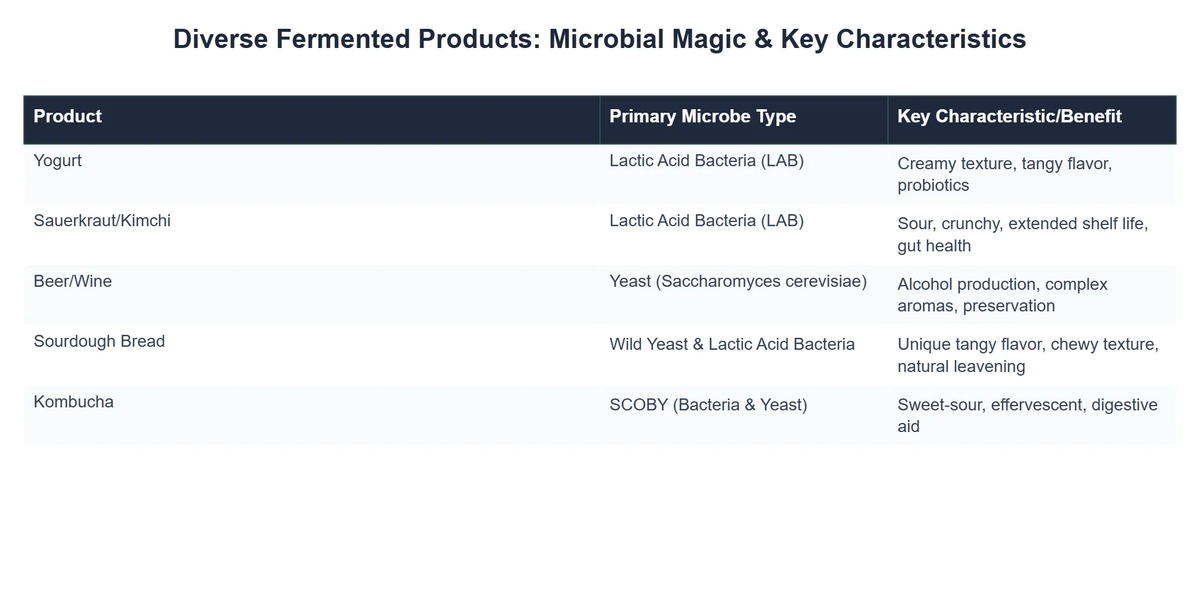
The initial substrate for most fermentation processes is a sugar molecule, such as glucose. The breakdown of these sugars (often referred to as the fermentation of glucose or fermentation of sugar) is the first step, leading to various end products depending on the specific microorganisms involved and the environmental conditions.
- ✅ Microbial Activity: The magic of fermentation hinges on tiny workers like lactic acid bacteria, acetobacter, and various strains of yeast.
- ➡️ Anaerobic Environment: Unlike processes that require oxygen, fermentation thrives without it, making it ideal for sealed containers or submerged conditions.
- 💡 Chemical Transformation: Complex organic compounds are broken down into simpler ones, releasing energy for the microorganisms and creating distinctive byproducts that we value.
The Main Types of Fermentation
While the basic principle remains the same, the specific pathways and end products of microbial fermentation vary significantly, leading to distinct types that yield different results.
🔬 Ethanol Fermentation (Alcoholic Fermentation)
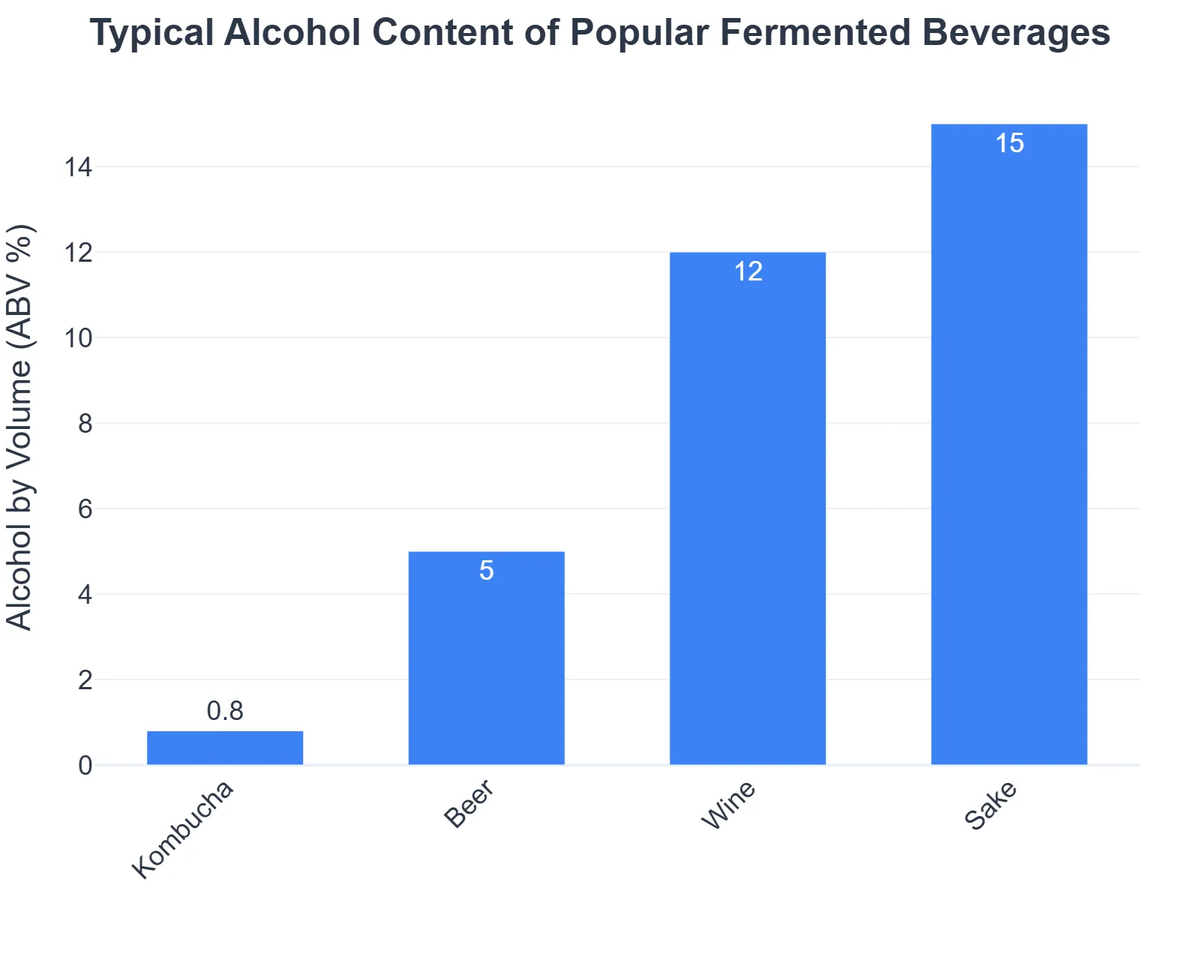
Also known as alcohol fermentation, this is perhaps the most widely recognized form, primarily carried out by yeasts. In this process, sugars (like glucose) are converted into ethanol (alcohol) and carbon dioxide (CO2).
- ✅ Key Microorganism: Saccharomyces cerevisiae, commonly known as brewer’s yeast or baker’s yeast.
- ➡️ Products: Ethanol (the alcohol in beverages) and carbon dioxide (which causes bread to rise and gives carbonation to drinks).
- 💡 Examples: Beer, wine, spirits, and bread. The CO2 creates bubbles in beer and wine, and the airy texture in bread, while ethanol is the primary desired product in alcoholic beverages. For more on how yeast functions, explore Yeast Respiration: How Microbes Fuel Life.
🥛 Lactic Acid Fermentation (Lactate Fermentation)
This type of fermentation is carried out by specific bacteria, predominantly lactic acid bacteria. They convert sugars into lactic acid. This process is crucial for preserving food and creating tangy flavors.
Fermentation: Benefits and Drawbacks
Pros
- ✔Extends food preservation and shelf life.
- ✔Enhances nutrient availability and digestibility.
- ✔Develops unique and complex flavors and aromas.
- ✔Introduces beneficial probiotic cultures for gut health.
Cons
- ✖Risk of spoilage or undesirable microbial growth if uncontrolled.
- ✖Requires precise temperature and environmental control.
- ✖Can produce strong or acquired tastes and odors.
- ✖Potential for histamine or alcohol content concerns for some.
- ✅ Key Microorganisms: Various strains of Lactobacillus, Streptococcus, and Bifidobacterium.
- ➡️ Product: Lactic acid, which acts as a natural preservative and gives a sour taste.
- 💡 Examples: Yogurt, kefir (a fermented milk drink, learn more at Zoe.com), sauerkraut, kimchi, sourdough bread, and many pickles. It’s also the process that causes muscle soreness after intense exercise, as our muscle cells switch to lactate fermentation when oxygen is scarce. For an in-depth look at this process, see our article on Acid Fermentation: Types, Processes, and Everyday Uses.
🌬️ Aerobic Fermentation vs. Anaerobic
It’s important to clarify a common point of confusion: true fermentation is an anaerobic process, meaning it occurs without oxygen. However, the term “aerobic fermentation” is sometimes used, particularly in industrial contexts, to describe processes where microbes are grown in the presence of oxygen to produce certain compounds. In such cases, the primary metabolic pathway might be aerobic respiration, not fermentation. The presence or absence of oxygen profoundly impacts the metabolic pathways microbes choose.
Beyond Food: Industrial and Other Applications
While food and drink are prominent examples, the utility of fermentation extends far beyond the kitchen. Industrial fermentation harnesses the power of microbes on a massive scale for diverse applications.
Local Deli Delights: Revolutionizing Fermented Foods with Science
❓The Challenge
The Fermentary struggled with inconsistent quality and batch spoilage in their popular line of krauts and pickles, impacting their reputation and profitability.
💡The Solution
By rigorously applying the principles of ‘Lactic Acid Fermentation’ detailed in the article, The Fermentary optimized their microbial cultures and controlled the anaerobic environment, ensuring consistent flavor development and extended shelf life.
🏆The Result
This scientific approach led to a 35% reduction in product spoilage and a 20% increase in customer satisfaction scores due to improved product consistency.
- ✅ Pharmaceuticals: The production of antibiotics (like penicillin), insulin, and various vaccines relies heavily on controlled microbial fermentation.
- ➡️ Biofuels: Ethanol produced through the fermentation of sugar from corn, sugarcane, or cellulosic biomass serves as a significant biofuel.
- 💡 Enzymes & Chemicals: Many industrial enzymes, amino acids, and organic acids are manufactured using fermentation techniques.
- 🏗️ Textiles & Bioplastics: Microorganisms are engineered to produce polymers that can be used in the creation of sustainable textiles and biodegradable plastics.
Industrial processes often employ sophisticated techniques like submerged fermentation, where microorganisms are grown in liquid mediums, or continuous fermentation, a system designed for ongoing product output. These methods allow for efficient and large-scale production, transforming various industries. Institutions like Colorado State University offer programs in this field, highlighting the blend of science and practical application (Colorado State University).
The Benefits and Importance of Fermentation
The pervasive presence of fermentation in our daily lives underscores its immense value. From enhancing culinary experiences to contributing to sustainable industries, its benefits are multifaceted.

- ✅ Food Preservation: The acids, alcohol, and CO2 produced during fermentation inhibit the growth of spoilage-causing microbes, extending the shelf life of foods naturally.
- ➡️ Enhanced Nutrition: Fermentation can increase the bioavailability of nutrients, break down anti-nutrients, and synthesize new vitamins (e.g., B vitamins and vitamin K).
- 💡 Digestive Health: Many fermented foods are a source of probiotics, beneficial bacteria that can improve gut microbiome health and aid digestion. This is a key area of study in modern nutrition, as highlighted by sources like Healthline (Healthline.com).
- 😋 Flavor and Aroma Development: The complex chemical reactions during fermentation create a diverse array of unique flavors, aromas, and textures that are highly prized in cuisines worldwide.
- ♻️ Sustainability: Fermentation processes can convert agricultural waste into valuable products, contributing to a more circular economy and reducing reliance on synthetic chemicals.
Understanding the science behind fermentation helps us appreciate the intricate world of microorganisms and their profound impact on our lives, from the food we eat to the medicines that heal us. It’s a prime example of The Science of Everyday: How the World Really Works.
Recommended Video
What is fermentation?
Fermentation is a metabolic process where microorganisms convert carbohydrates (like sugar) into alcohol, gases, or organic acids under anaerobic conditions, without the need for oxygen.
What common foods and drinks are made using fermentation?
Many everyday items are fermented, including bread, yogurt, cheese, kombucha, sauerkraut, kimchi, beer, wine, and even chocolate and coffee beans.
What are the benefits of fermented foods?
Fermented foods can improve digestion, enhance nutrient absorption, support gut health by introducing beneficial probiotics, and extend the shelf life of ingredients naturally.
Is fermentation safe for home use?
Yes, with proper hygiene, quality ingredients, and adherence to proven recipes, home fermentation is generally safe and rewarding. Understanding basic food safety is key.