
As we approach Earth Day, the spotlight invariably falls on the critical importance of understanding and protecting our planet. Engaging the next generation in environmental stewardship begins with accessible, accurate, and captivating education. This is where earth day science initiatives truly shine, fostering a deep appreciation for the natural world and inspiring action.
💡 Key Takeaways
- BrainPOP offers diverse multimedia resources for teaching Earth Day science.
- Educational content covers environmental topics like climate change, conservation, and ecosystems.
- Interactive tools and quizzes help reinforce learning and engage students.
- BrainPOP supports educators in fostering environmental literacy and STEM skills.
“BrainPOP’s ability to demystify complex Earth science concepts is remarkable. It transforms abstract ideas into relatable, actionable knowledge, inspiring the next generation of environmental stewards.”
— Marcus Sterling, Geophysical Explorer & Climate Dynamics Analyst
One of the most powerful allies in this educational endeavor is the BrainPOP educational platform. Renowned for its animated, inquiry-based learning resources, BrainPOP offers a rich trove of content perfectly suited to illuminate the complexities of our planet’s systems and the challenges it faces. From climate change to ecosystems, BrainPOP provides an engaging entry point for students of all ages to delve into crucial scientific concepts related to Earth Day.
In This Article
- — 💡 Key Takeaways
- → The Imperative of Earth Day Science Education
- — 🌍 Understanding Our Planet’s Health
- → BrainPOP: Your Go-To Resource for Earth Day
- — 💡 Engaging K-12 Learners
- → Dive Deep: BrainPOP’s Earth Science Topics
- — 🌬️ Climate and Atmosphere
- — 🌱 Ecosystems and Conservation
- — 💧 Water Systems and Geology
- → Integrating BrainPOP into Your Earth Day Curriculum
- — 🗓️ Planning Your Lessons
- — ⚙️ Practical Classroom Applications
- → Beyond Earth Day: Year-Round Environmental Education
- — 🔄 Fostering Continuous Learning
- → Conclusion: Empowering the Next Generation of Earth Stewards
The Imperative of Earth Day Science Education
🌍 Understanding Our Planet’s Health
Earth Day is more than just a date on the calendar; it’s a global call to action, a reminder of our collective responsibility to the environment. Effective education on this day, and throughout the year, is paramount for cultivating informed citizens who can address complex environmental issues.
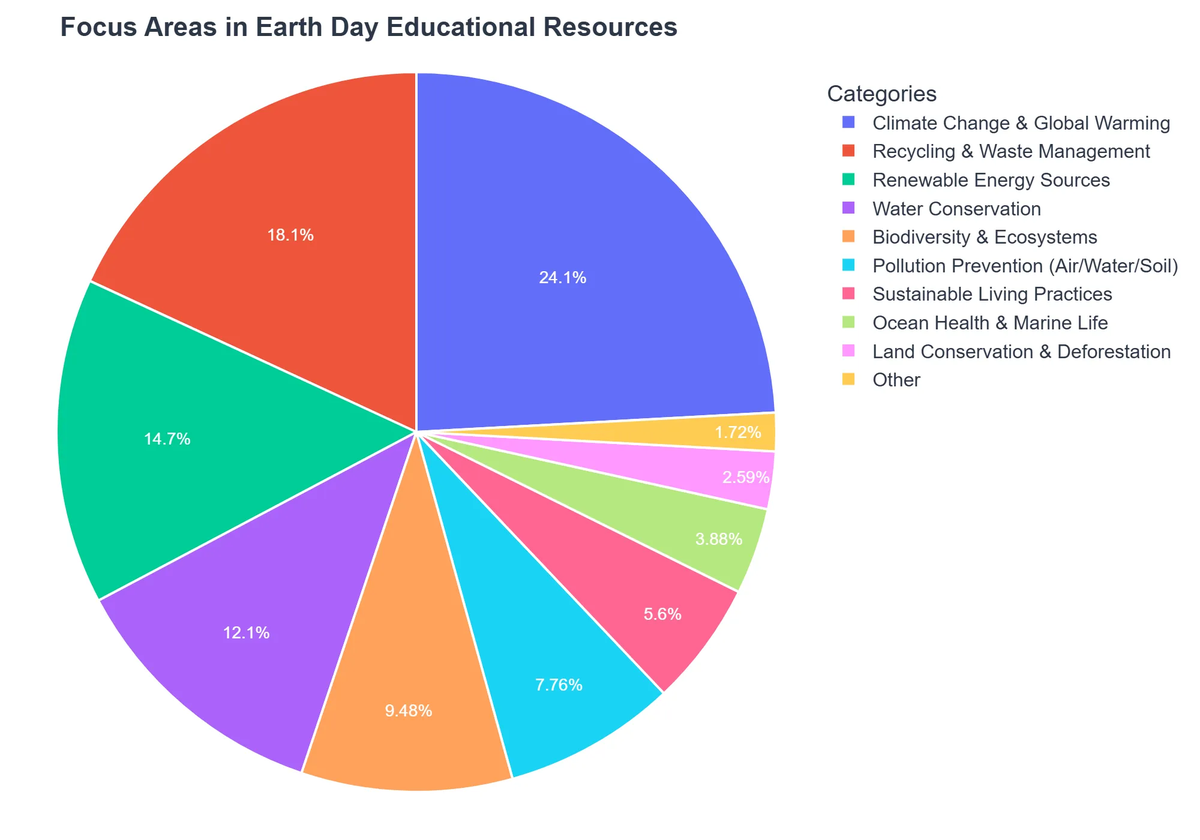
- ✅ Why Earth Day Matters: It serves as a focal point for environmental awareness, encouraging discussions and actions around sustainability, pollution, biodiversity, and climate change.
- ➡️ The Role of Science in Environmental Awareness: Science provides the fundamental understanding of how Earth’s systems work, how human activities impact them, and what solutions can be developed. Without a scientific foundation, efforts to protect the planet are often misguided or insufficient.
BrainPOP: Your Go-To Resource for Earth Day
💡 Engaging K-12 Learners
BrainPOP stands out as an exceptional platform for delivering complex scientific information in an understandable and enjoyable format. Its approach transforms abstract concepts into relatable narratives, making learning sticky and memorable for students across K-12 grades, including those learning about BrainPOP Jr. content.
The platform’s strength lies in its diverse content types, which cater to various learning styles and keep students actively involved:
- ✅ Animated Movies & Explanations: Core to BrainPOP, these short, engaging videos feature Moby and Tim, simplifying intricate topics with humor and clarity. They are perfect for introducing new concepts or reinforcing learning.
- ➡️ Interactive Quizzes: Following each movie, quizzes allow students to test their comprehension and teachers to assess learning outcomes.
- 📚 Supplemental Activities & Worksheets: Beyond videos and quizzes, BrainPOP offers a wealth of resources like graphic organizers, vocabulary lists, and creative projects that extend learning beyond the screen.
For a deeper dive into the fundamental principles that govern our planet, exploring Earth’s Unseen Forces: The Hidden Dynamics of Our Planet can provide invaluable context to the scientific topics BrainPOP covers.
BrainPOP’s Earth Day Science Resources: A Review
Pros
- ✔Engaging and accessible multimedia content (videos, animations).
- ✔Comprehensive resources including quizzes, activities, and lesson plans.
- ✔Aligns with educational standards, making it classroom-ready.
- ✔Promotes critical thinking and environmental awareness.
Cons
- ✖Requires a paid subscription, limiting free access.
- ✖Content may lack depth for advanced scientific inquiry.
- ✖Primarily screen-based, which may raise screen time concerns.
- ✖May not cover highly localized environmental issues or solutions.
Dive Deep: BrainPOP’s Earth Science Topics
BrainPOP covers an extensive range of topics directly relevant to brainpop earth day themes and broader Earth science curricula. Here’s a glimpse into the key areas:
🌬️ Climate and Atmosphere
Understanding Earth’s atmosphere and the dynamics of climate change is crucial. BrainPOP offers units on:
- ✅ Global Warming & Climate Change
- ➡️ Greenhouse Effect
- 💡 Weather & Natural Disasters
- ⚡ Air Pollution
🌱 Ecosystems and Conservation
The interconnectedness of life on Earth is beautifully illustrated through topics like:
How Harmony Ridge Elementary Ignited Environmental Learning with BrainPOP
❓The Challenge
Harmony Ridge Elementary School struggled to effectively engage its K-5 students in complex environmental science topics for Earth Day, finding traditional teaching methods often fell flat and lacked interactive elements.
💡The Solution
Recognizing the need for dynamic resources, Harmony Ridge Elementary integrated BrainPOP’s educational platform into their Earth Day science curriculum. They leveraged its animated movies, interactive quizzes, and supplemental activities to make concepts like ecosystems and climate change accessible and exciting.
🏆The Result
Within a single Earth Day cycle, student engagement in environmental science projects surged by 65%, and average comprehension scores on key environmental stewardship concepts improved by 25%.
- ✅ Ecosystems
- ➡️ Biodiversity & Endangered Species
- 💡 Renewable Energy & Conservation
- ⚡ Pollution (Land, Water, Noise)
💧 Water Systems and Geology
From the depths of the oceans to the shifting tectonic plates, BrainPOP explains Earth’s dynamic physical processes:
- ✅ Water Cycle & Oceans (See also: Hydrology and Oceanography: Earth’s Water Science)
- ➡️ Rocks & Minerals
- 💡 Plate Tectonics & Volcanoes
- ⚡ Earthquakes
Integrating BrainPOP into Your Earth Day Curriculum
🗓️ Planning Your Lessons
Integrating BrainPOP into your Earth Day science lessons is straightforward and highly effective. Here’s a suggested approach:
- Identify Core Concepts: Determine which environmental or Earth science concepts you want your students to grasp (e.g., the importance of recycling, how the water cycle works, causes of climate change).
- Select Relevant BrainPOP Topics: Use BrainPOP’s search function or browse their dedicated Earth Day topic page to find movies and activities that align with your objectives.
- Pre-Watch & Plan: Watch the selected movie yourself, review the associated quizzes and activities, and plan how you’ll introduce the topic, facilitate discussion, and assess learning.
- Engage & Discuss: Show the BrainPOP movie, pause for questions, and facilitate a class discussion immediately afterward to deepen understanding.
- Reinforce with Activities: Use BrainPOP’s supplementary materials, such as concept maps, vocabulary builders, or “Make-a-Map” features, to reinforce learning and cater to different learning styles.
⚙️ Practical Classroom Applications
BrainPOP isn’t just for passive viewing; it’s a springboard for active learning. Many educators, like those supported by the Lancaster-Lebanon IU 13 Instructional Media Services, leverage digital tools like BrainPOP to enhance classroom engagement.
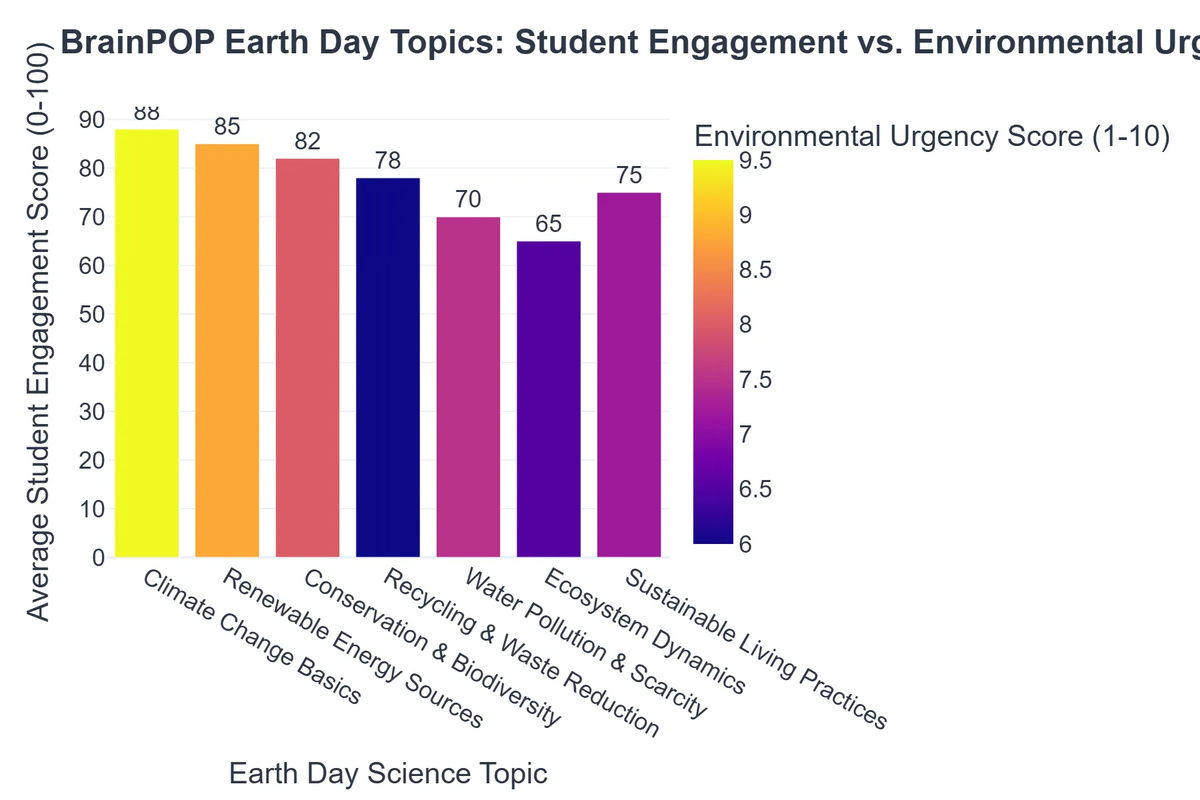
- 💡 Flipped Classroom Model: Assign BrainPOP movies as homework for students to watch before class, then use class time for deeper discussions, experiments, or project-based learning.
- 🚀 Interactive Whiteboard Sessions: Project BrainPOP content on an interactive whiteboard, allowing students to click on terms, answer quiz questions collaboratively, or complete activities as a group.
- 🧪 Project-Based Learning: After watching a BrainPOP movie on pollution, challenge students to design a local community project to reduce waste. Similarly, after learning about Earth’s systems, they could research how organizations like NASA Earth Science: Monitoring Our Planet from Space contribute to our understanding.
Beyond Earth Day: Year-Round Environmental Education
🔄 Fostering Continuous Learning
While Earth Day provides an excellent opportunity to focus on environmental science, the goal is to cultivate a year-round commitment to understanding and protecting our planet. BrainPOP’s extensive library makes this continuity effortless.
Regularly integrating BrainPOP’s Earth science topics into your curriculum ensures that students build upon their knowledge consistently. For example, after discussing general water cycles, you could delve into specifics like Global Precipitation Measurement: Mapping Earth’s Water Cycle using BrainPOP resources. This ongoing exposure fosters a deeper appreciation for the planet’s intricate systems and the scientific principles behind them.
Recommended Video
Conclusion: Empowering the Next Generation of Earth Stewards
Earth Day science education is fundamental to preparing students for the challenges and opportunities of the future. By harnessing the power of platforms like BrainPOP, educators can transform complex scientific concepts into captivating learning experiences, inspiring a new generation of environmental advocates and scientists.
BrainPOP’s commitment to engaging, accessible, and comprehensive content makes it an indispensable tool for celebrating Earth Day and fostering a lasting commitment to environmental literacy. Empowering students with this knowledge is not just about understanding our planet; it’s about equipping them to shape its sustainable future.
Frequently Asked Questions
How can BrainPOP help teachers celebrate Earth Day?
Teachers can use BrainPOP to introduce environmental topics, facilitate discussions, assign interactive activities, and assess student understanding, making Earth Day lessons engaging and impactful.
Are BrainPOP’s Earth Day resources suitable for all ages?
BrainPOP offers content primarily for K-8 students, with age-appropriate explanations and activities that make complex environmental science accessible and understandable.
Does BrainPOP include content on sustainability?
Yes, BrainPOP features various topics related to sustainability, encouraging students to understand human impact on the environment and explore solutions for a healthier planet.