

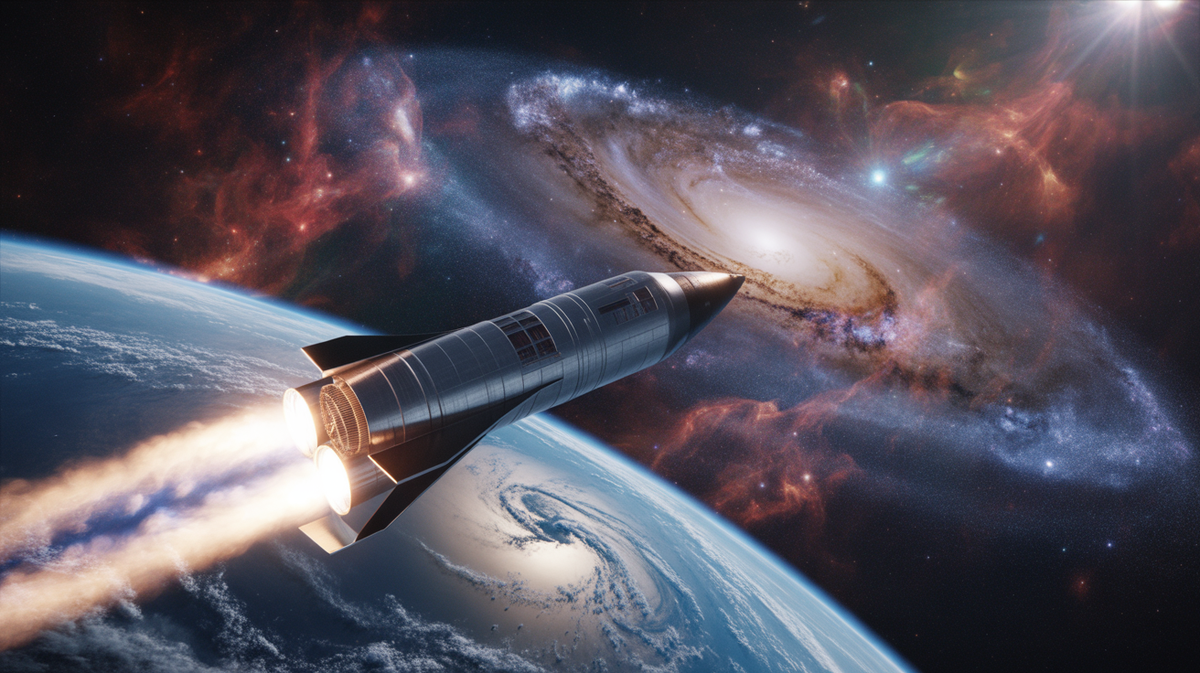
The human ambition to explore beyond our terrestrial confines has fueled centuries of innovation. Today, the concept of space travel is rapidly transitioning from the realm of science fiction to a tangible reality, offering experiences from fleeting trips to the edge of space to ambitious journeys across the solar system, and eventually, perhaps, beyond.
💡 Key Takeaways
- Space travel encompasses a vast spectrum, from short suborbital flights to theoretical intergalactic voyages.
- Current technology focuses on orbital and lunar missions, with Mars as the next major human destination.
- Future intergalactic travel faces immense challenges, requiring breakthroughs in propulsion and life support.
- Private companies are rapidly advancing commercial spaceflight, making space more accessible.
“Our journey from Earth’s embrace to the cosmic ocean is not just about distance; it’s a testament to human curiosity and our relentless pursuit of the unknown, bridging the gap between imagination and scientific reality.”
— Astrid Bellweather, Astrophysicist & Science Communicator
From the pioneering days of government-led space agencies to the rise of private enterprises, humanity’s reach into the cosmos is expanding at an unprecedented rate. Understanding the different facets of space travel, from its current capabilities to its breathtaking future, is key to appreciating this cosmic leap.
In This Article
- — 💡 Key Takeaways
- → Suborbital Flight: The Thrill of Space Tourism’s Edge
- → Orbital Journeys: Sustained Presence Beyond Earth
- → The Far Reaches: Interplanetary and Interstellar Ambitions
- — 🪐 Interplanetary Spaceflight: Missions to Our Neighbors
- — 🌌 Interstellar Travel: The Ultimate Frontier
- → The Future of Space Travel: Beyond Our Solar System and Beyond
Suborbital Flight: The Thrill of Space Tourism’s Edge
Suborbital space flight represents the nascent frontier of modern human space exploration, primarily driven by the burgeoning market of space tourism. Unlike orbital missions that require significant velocity to stay in space, suborbital flights reach an altitude high enough to experience weightlessness and see the curvature of Earth against the blackness of space, before returning to the ground without completing an orbit.
- ✅ Defining Suborbital: These journeys typically cross the Kármán line, generally accepted at 100 kilometers (62 miles) above Earth’s mean sea level, which is often considered the boundary of space.
- ➡️ The Experience: Passengers undergo a powerful ascent, experience several minutes of microgravity, and witness stunning views before re-entry. It’s an intense, brief, but unforgettable experience.
- 💡 Key Players: Companies like Virgin Galactic and Blue Origin are at the forefront. Virgin Galactic’s SpaceShipTwo and Blue Origin’s New Shepard are designed specifically for this type of exhilarating journey. You can learn more about Virgin Galactic and their offerings.
This accessible form of space flight is paving the way for broader public access to the cosmos, significantly impacting the growth of space tourism. For a deeper dive into this accessible frontier, explore our guide on Suborbital Space Flight: The Future of Space Tourism. Interested in the specifics of a particular provider? Our article on Blue Origin Space Flight: A Journey to the Edge of Space offers more insight.
Orbital Journeys: Sustained Presence Beyond Earth
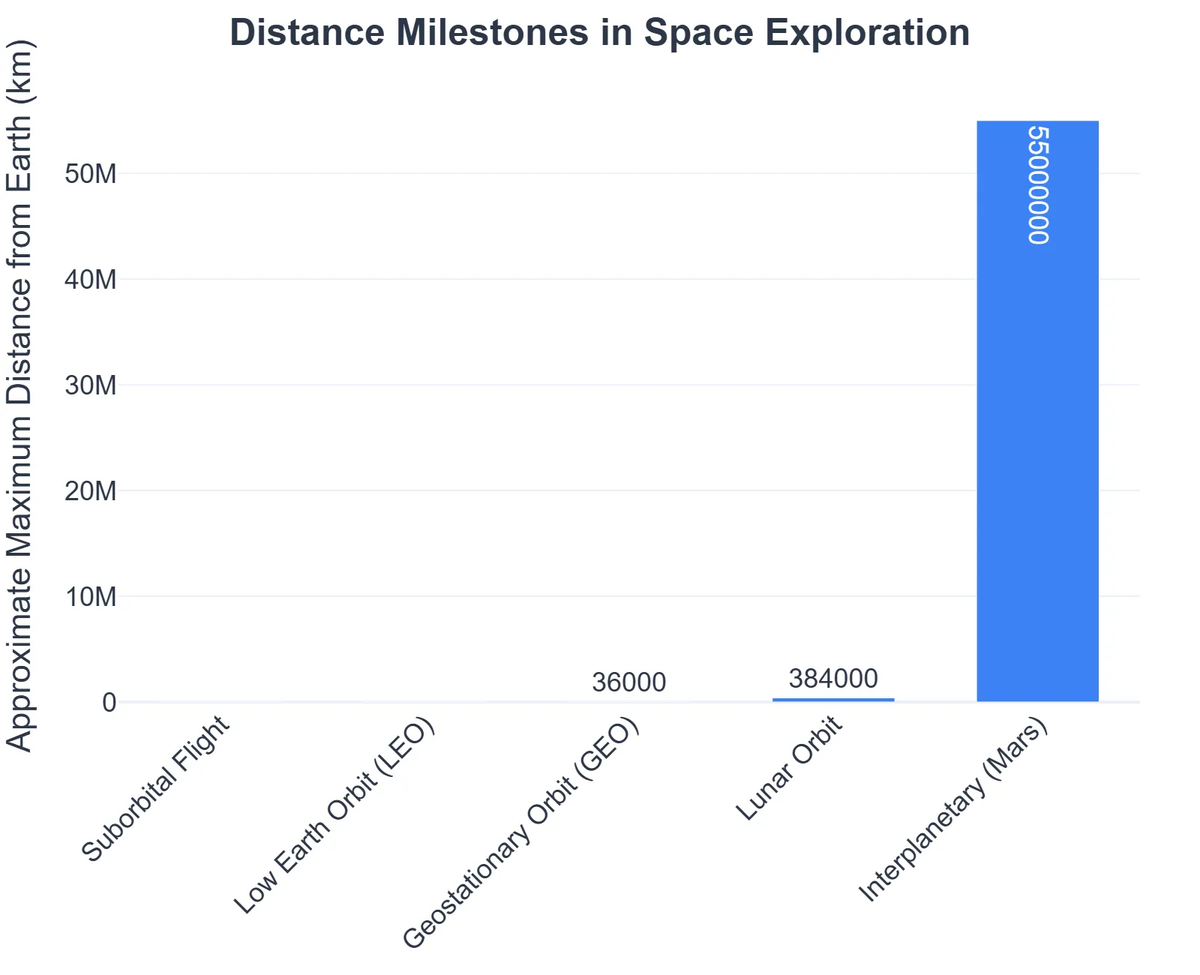
Moving beyond suborbital hops, orbital space travel involves reaching sufficient speed and altitude to continuously circle the Earth. This is where long-duration missions, scientific research, and the true essence of sustained space flight unfold.
- ✅ Low Earth Orbit (LEO): Most current human space activities, including the International Space Station (ISS) and commercial crew missions, take place in LEO. Astronauts and cosmonauts live and work aboard the ISS for months at a time, conducting critical scientific experiments. You can even take an International Space Station Virtual Tour: A Journey to Orbit from your home!
- ➡️ Vehicles and Operators: Historically, government agencies like NASA and Roscosmos dominated orbital access. Today, private entities, notably SpaceX with its Falcon 9 and Crew Dragon, have revolutionized this domain, providing reliable transport for both cargo and crew. This has fundamentally changed the landscape of spacex travel.
- 💡 Commercialization: The rise of commercial space companies means that orbital destinations, once exclusive to government astronauts, are becoming increasingly available for private citizens. This is a significant step towards more pervasive commercial space flight.
The costs associated with orbital missions remain substantially higher than suborbital flights due to the greater energy requirements and complexity. To get a clearer picture of what to expect, refer to our article on Commercial Space Flight Cost: How Much Does it Cost?.
The Far Reaches: Interplanetary and Interstellar Ambitions
While suborbital and orbital flights are current realities, humanity’s ultimate aspirations extend far beyond Earth’s immediate vicinity. The dream of interplanetary travel and, eventually, interstellar travel pushes the boundaries of engineering, biology, and human endurance.
🪐 Interplanetary Spaceflight: Missions to Our Neighbors
Missions to other planets within our solar system, such as Mars, represent the next major leap in human space travel. These journeys are dramatically different from LEO missions:
- ✅ Distances & Durations: Travel times can range from months to years, posing immense challenges for life support, radiation shielding, and psychological well-being.
- ➡️ Current Efforts: NASA’s Artemis program aims to return humans to the Moon and establish a sustainable lunar presence, a critical stepping stone for Mars missions. SpaceX’s Starship is also being developed with Mars colonization as a primary goal, envisioning ambitious spacex space travel plans.
- 💡 Challenges: Beyond the technological hurdles, the biological impacts of long-duration spaceflight and radiation exposure are significant considerations.
The journey to Mars and other planets will revolutionize our understanding of cosmic phenomena. To delve deeper into the potential and challenges, consider our comprehensive overview on Cosmic Queries: Probing the Mysteries of the Universe.
🌌 Interstellar Travel: The Ultimate Frontier
Traveling to other star systems, known as interstellar travel, remains largely theoretical. The immense distances involved — measured in light-years — necessitate technologies far beyond our current capabilities.
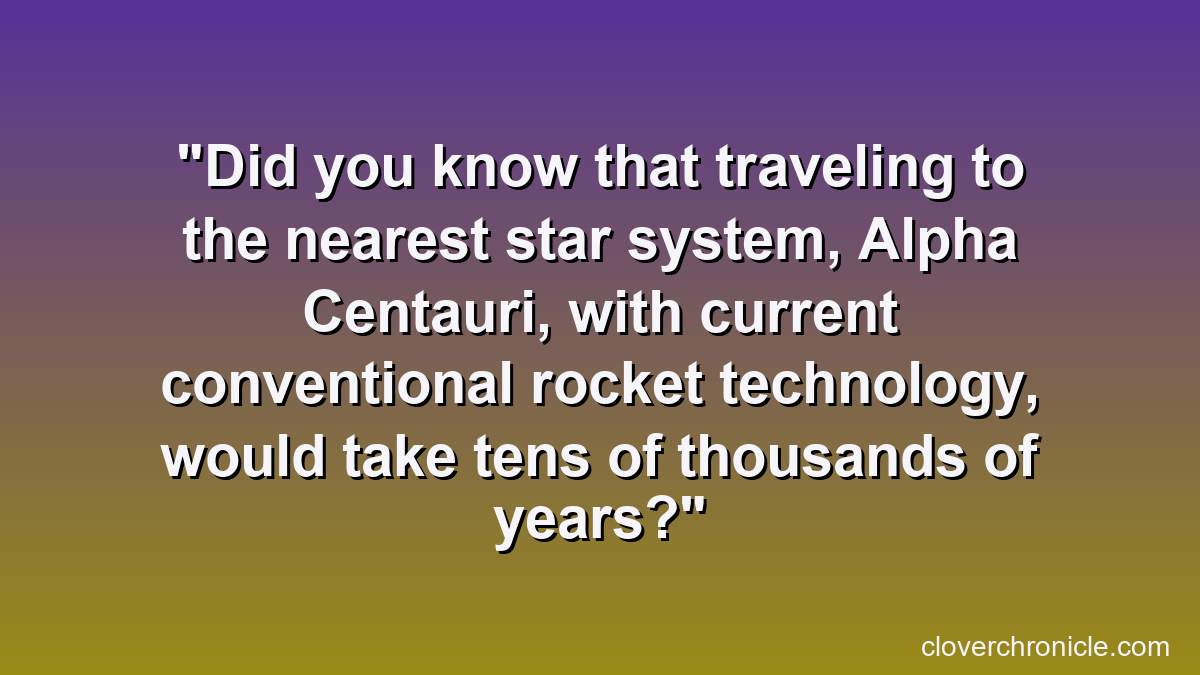
- ✅ Vast Distances: Even the closest star, Proxima Centauri, is over 4 light-years away. Conventional rockets would take tens of thousands of years to reach it.
- ➡️ Conceptual Propulsion: Scientists are exploring concepts like warp drives, Alcubierre drives, and generational ships, but these are still in the realm of speculative physics.
- 💡 Ethical & Societal Questions: The implications of such journeys raise profound questions about human civilization, resource allocation, and our place in the universe.
While a distant dream, the pursuit of interstellar travel continues to inspire groundbreaking research and technological advancements. Is it even possible in our lifetime? Find out more in our analysis: Interstellar Travel: Is it Possible? Challenges and Future.
The Future of Space Travel: Beyond Our Solar System and Beyond
The trajectory of space travel is undeniable: from short suborbital hops to establishing permanent lunar bases, and eventually, human exploration of Mars. The involvement of private companies and increasing commercialization are accelerating this evolution.
Looking ahead, the next few decades promise advancements that will make space more accessible, not just for scientific research but for everyday individuals. We’re witnessing the dawn of a new era where space is not just for astronauts, but for humanity. This expanding accessibility, though still costly, points to a future where more people can experience the profound perspective shift that comes from seeing Earth from above.
Recommended Video
What is the difference between suborbital and orbital flight?
Suborbital flight reaches space but does not achieve the velocity to stay in orbit, typically following a parabolic trajectory back to Earth. Orbital flight, conversely, achieves sufficient velocity to continuously circle the Earth.
Are intergalactic journeys currently possible?
No, intergalactic journeys are not currently possible. The immense distances between galaxies and the limitations of current propulsion technology make such trips theoretical at present.
What are the biggest challenges to long-duration space travel?
Major challenges include radiation exposure, psychological effects of confinement, maintaining life support systems for extended periods, and developing faster, more efficient propulsion methods.
What role do private companies play in modern space travel?
Private companies like SpaceX, Blue Origin, and Virgin Galactic are significant players, developing reusable rockets, commercial space tourism, satellite deployment, and contributing to NASA’s missions, driving innovation and reducing costs.