Understanding Species Biodiversity
The planet Earth is an astonishing tapestry of life, teeming with an incredible array of organisms. At the heart of this biological richness lies species biodiversity, a fundamental concept that encapsulates the variety of life forms on our planet. It refers to the sheer number and abundance of different species within a specific region or across the entire Earth.
💡 Key Takeaways
- Species biodiversity encompasses the vast variety of life on Earth, including all plants, animals, fungi, and microorganisms.
- Biodiversity is fundamental to ecosystem health, providing essential services like pollination, water purification, and climate regulation.
- Major threats to biodiversity include habitat loss, climate change, pollution, and overexploitation of resources.
- Global conservation efforts are crucial to protect and restore threatened species and their habitats, ensuring the planet’s ecological balance.
“Biodiversity is the living library of our planet’s past, present, and future. Losing a single species is like tearing a page from that irreplaceable book, diminishing not just our ecosystems, but our very understanding of Earth’s intricate planetary processes.”
— Dr. Marcus Sterling, PhD, Planetary Geoscientist & Climatologist
To truly define species biodiversity, we look beyond just the count of species. It also encompasses the genetic variation within those species and the different ecosystems they inhabit. This intricate web of life is what makes our world vibrant, resilient, and capable of sustaining complex biological processes. The more diverse a system, the more stable it tends to be.
In This Article
- → Understanding Species Biodiversity
- — 💡 Key Takeaways
- — What Does Species Biodiversity Encompass?
- → Why Species Biodiversity Matters: Ecological and Beyond
- — The Pillars of Ecosystem Stability
- → Factors Impacting Species Biodiversity
- — Major Drivers of Biodiversity Loss
- → Measuring and Monitoring Biodiversity
- — Techniques and Challenges
- → Strategies for Species Biodiversity Conservation
- — Key Approaches to Preservation
What Does Species Biodiversity Encompass?
When we discuss the biodiversity of species, we are considering several key aspects:
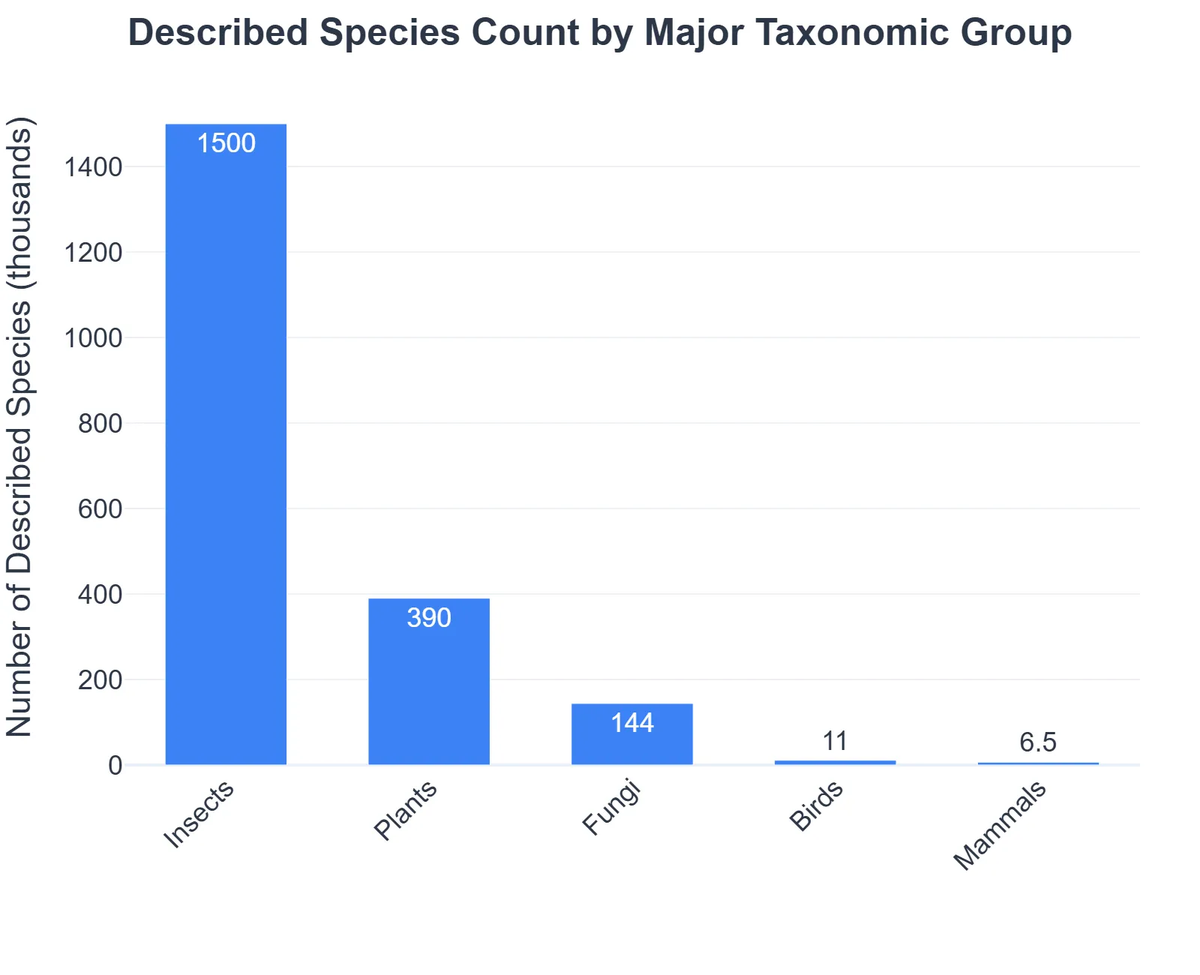
- ✅ Species Richness: This is the most straightforward measure, simply counting the number of different species present in a given area. For example, a forest with 100 different tree species is considered richer than one with only 10.
- ➡️ Species Evenness: This metric assesses how equally abundant each species is. A community where all species are represented by a similar number of individuals is more even than one dominated by a few species.
- 💡 Genetic Diversity: This refers to the variation in genes within a particular species. High genetic diversity makes a species more adaptable to environmental changes and less susceptible to diseases.
- 🌱 Ecological Diversity: While species biodiversity focuses on individual species, it’s intrinsically linked to Ecosystem Diversity: Crucial for Life on Earth, which explores the variety of habitats, communities, and ecological processes.
A classic species biodiversity example can be found in tropical rainforests, which boast an incredibly high number of different plant, animal, and microbial species living in close proximity, each playing a unique role in the ecosystem.
Why Species Biodiversity Matters: Ecological and Beyond
The importance of robust species biodiversity extends far beyond mere aesthetic appreciation. It is fundamental to the functioning of all ecosystems and directly impacts human well-being. Understanding its value is crucial for appreciating Earth’s Unseen Forces: The Hidden Dynamics of Our Planet.
The Pillars of Ecosystem Stability
- ✅ Ecosystem Services: Diverse species contribute to critical services such as pollination of crops, purification of water and air, decomposition of waste, and nutrient cycling. Without these services, life as we know it would cease to function efficiently.
- ➡️ Disease Resistance: A diverse community is often more resistant to the spread of diseases. If one species is susceptible to a pathogen, others might be immune, preventing a widespread collapse.
- 💡 Resource Provision: Many species provide us with food, medicine, building materials, and genetic resources that can be crucial for future innovations. For instance, many life-saving drugs have been derived from compounds found in plants or microbes.
- 🔄 Adaptation to Change: Biodiversity provides a natural “insurance policy” against environmental changes. A larger pool of species and genetic traits increases the likelihood that some forms of life will survive and adapt to new conditions, such as climate shifts or new diseases.
For more detailed insights into the ecological significance, explore Species Diversity: Examples and Ecological Importance.
Factors Impacting Species Biodiversity
Globally, species biodiversity is facing unprecedented threats, largely due to human activities. Understanding these pressures is the first step towards effective conservation efforts.
Major Drivers of Biodiversity Loss
- 🔥 Habitat Loss and Fragmentation: This is the single greatest threat. As human populations expand, natural habitats are converted for agriculture, urbanization, logging, and infrastructure development, leaving species with no place to live.
- pollution🌊 Pollution: Chemical pollutants, plastics, and excess nutrients from agricultural runoff contaminate air, water, and soil, harming or killing sensitive species.
- climate_change_emissionsClimate Change: Rising global temperatures, altered weather patterns, and more frequent extreme weather events disrupt ecosystems, shift species ranges, and lead to extinctions, particularly for species unable to adapt quickly.
- hunting_fishingOverexploitation: Unsustainable hunting, fishing, logging, and harvesting of wild species deplete populations faster than they can reproduce, leading to decline and extinction.
- invasive_speciesInvasive Alien Species: Non-native species introduced into new environments (often by human activity) can outcompete native species for resources, prey on them, or introduce diseases, leading to declines in native populations.
- diseaseDisease: Global travel and climate change can facilitate the spread of diseases among species, with devastating impacts, especially on already vulnerable populations.
These factors often interact, creating complex challenges for biodiversity. The cumulative effect is a rapid decline in the number of species and the health of ecosystems worldwide, leading to a profound impact on the planet’s overall capacity to support life.
Measuring and Monitoring Biodiversity
To effectively protect species biodiversity, scientists and conservationists must first understand what exists and how it’s changing. This involves sophisticated methods of measurement and continuous monitoring.
Techniques and Challenges
- 🔍 Species Inventories: Systematic surveys and expeditions are conducted to identify and catalog species in particular regions. This often involves traditional taxonomic methods combined with modern genetic analysis.
- 🛰️ Remote Sensing and GIS: Satellite imagery and Geographic Information Systems (GIS) are used to monitor habitat changes, deforestation rates, and even the health of ecosystems from a broad scale.
- 🧬 Environmental DNA (eDNA): This cutting-edge technique involves sampling environmental materials (like water or soil) for traces of DNA left behind by organisms. It can identify the presence of species without needing to directly observe or capture them.
- 📊 Biodiversity Indices: Scientists use various mathematical indices (e.g., Shannon-Wiener, Simpson’s Index) to quantify species richness and evenness, providing a standardized way to compare biodiversity across different areas or over time.
- 🌐 Citizen Science: Engaging the public in data collection (e.g., bird counts, plant identification) can vastly expand the scope of monitoring efforts, contributing valuable data to large-scale projects.
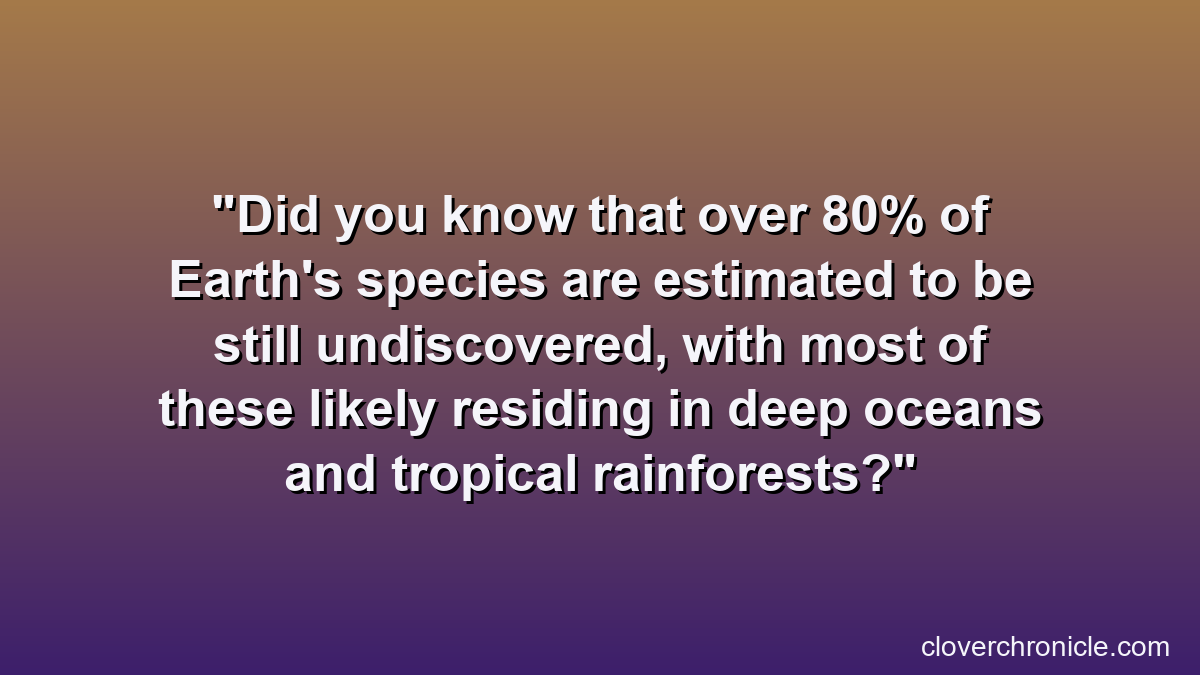
Despite these advancements, a significant challenge remains: a vast number of species, particularly invertebrates and microorganisms, are still unknown to science. Estimating the total number of species on Earth varies widely, highlighting the immense task of fully cataloging life on our planet. Resources like OneZoom Tree of Life Explorer offer fascinating visual representations of what we do know.
Strategies for Species Biodiversity Conservation
Protecting species biodiversity is a global imperative, requiring multifaceted approaches that span from international policy to local community action. For broader strategies, see Biodiversity Conservation: Protecting Earth’s Ecosystems.
Key Approaches to Preservation
- 🌍 Protected Areas: Establishing national parks, wildlife reserves, and marine protected areas shields critical habitats and the species within them from human interference.
- 🌿 Restoration Ecology: Actively restoring degraded habitats, such as replanting forests, restoring wetlands, or rehabilitating coral reefs, helps species recover and re-establish themselves.
- 🔬 Ex-situ Conservation: This involves protecting species outside their natural habitats, such as in zoos, botanical gardens, seed banks, or gene banks. This acts as a safety net against extinction and provides opportunities for research and reintroduction programs.
- ⚖️ Sustainable Resource Management: Implementing practices that ensure natural resources are used at a rate that allows them to regenerate, preventing overexploitation of fish stocks, timber, and other wildlife.
- 📜 Policy and Legislation: International treaties (like the Convention on Biological Diversity) and national laws protect endangered species, regulate trade in wildlife, and mandate environmental impact assessments.
- 🤝 Community Engagement: Involving local communities in conservation efforts is vital, as they often live alongside and depend on the ecosystems being protected. Education and sustainable livelihood initiatives can foster stewardship.
The urgency to act is growing, as highlighted by initiatives like Biodiversity Preservation: Protecting Earth’s Life. Every species, from the smallest microorganism to the largest whale, plays a role in the intricate balance of life on Earth, and their preservation is crucial for the health of the planet and future generations.
Recommended Video
What is species biodiversity?
Species biodiversity refers to the variety of different types of living organisms—plants, animals, fungi, and microorganisms—found in an ecosystem or on Earth as a whole.
Why is biodiversity important for Earth’s ecosystems?
Biodiversity ensures stable and resilient ecosystems, providing essential services such as nutrient cycling, pollination of crops, water purification, and climate regulation, all vital for life on Earth.
What are the biggest threats to global biodiversity?
The primary threats include habitat destruction and fragmentation, climate change, pollution, invasive alien species, and overexploitation of natural resources through activities like overfishing and deforestation.
How can individuals contribute to biodiversity conservation?
Individuals can help by supporting sustainable practices, reducing their carbon footprint, conserving water, buying locally and ethically sourced products, participating in conservation efforts, and educating others about the importance of biodiversity.