The Proteomics Revolution: Why Nautilus Biotechnology is Reshaping Biological Understanding
In the vast and intricate landscape of life sciences, the human genome has long held center stage. However, it’s the proteins—the tireless workhorses of our cells—that execute virtually every biological function. This is where Nautilus Biotechnology steps in, pioneering a revolutionary approach to proteomics, the large-scale study of proteins.
💡 Key Takeaways
- Nautilus Biotechnology’s platform offers unprecedented depth in proteome analysis.
- Their technology aims to overcome limitations of traditional proteomics, revealing new biological insights.
- This advancement holds significant promise for accelerating drug discovery and biomarker identification.
- The ability to analyze single protein molecules could revolutionize personalized medicine and disease understanding.
“Nautilus Bio’s approach to single-molecule proteomics is a game-changer; it’s like finally being able to read the entire language of life, not just isolated words. This will profoundly shift our understanding of disease evolution and drug efficacy.”
— Julian Aris, PhD, Geneticist & Evolutionary Biologist
While genomics tells us what could happen, proteomics reveals what is happening at a given moment within a cell or organism. Understanding the complete set of proteins (the proteome) and their dynamic interactions is crucial for unlocking the mysteries of health and disease. Traditionally, proteomics has faced significant hurdles:
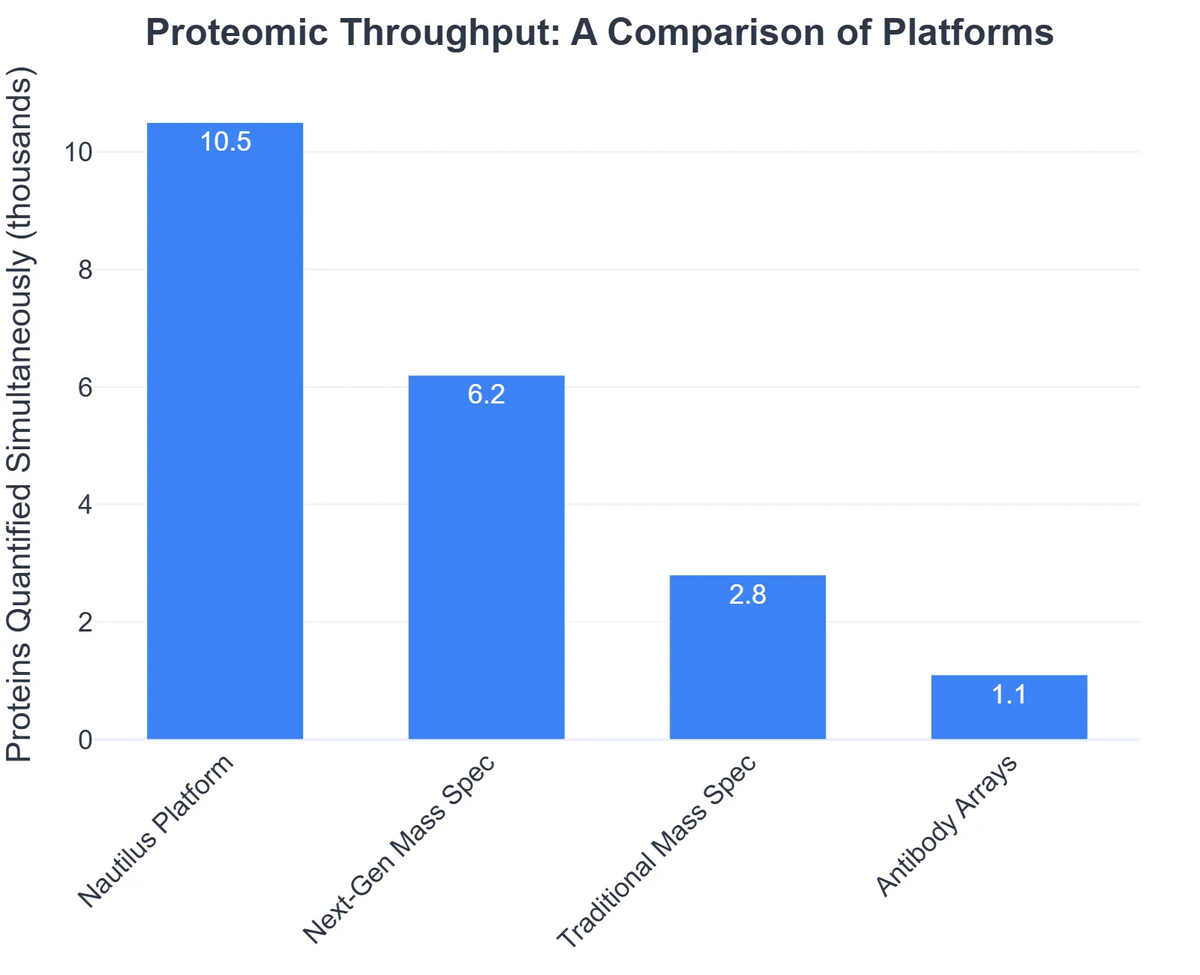
- 📈 Limited Dynamic Range: Proteins exist in vastly different concentrations, making it hard to detect both abundant and rare ones simultaneously.
- 🧪 Throughput Challenges: Analyzing thousands, even millions, of proteins in a single sample has been slow and complex.
- 🔍 Sensitivity Issues: Detecting subtle changes in protein expression or modification, critical for early disease detection or drug response, has been difficult.
Nautilus Biotechnology’s core mission is to overcome these limitations, providing an unprecedented view into the proteome. This innovation is not just an incremental step; it’s a leap forward poised to redefine our understanding of The Code of Life: Decoding Genetics, Evolution, and Existence itself.
In This Article
- → The Proteomics Revolution: Why Nautilus Biotechnology is Reshaping Biological Understanding
- — 💡 Key Takeaways
- → ⚙️ The Nautilus Platform: Unlocking Single-Molecule Proteomics
- → Impact on Drug Discovery and Translational Medicine
- → The Future of Proteomics with Nautilus Biotechnology
- — FAQs About Nautilus Biotechnology and Proteomics
⚙️ The Nautilus Platform: Unlocking Single-Molecule Proteomics
At the heart of Nautilus’s groundbreaking approach is its proprietary platform, designed for single-molecule protein analysis. Unlike conventional methods that rely on fragmenting proteins and inferring their identity, Nautilus aims to directly detect and quantify individual proteins with high sensitivity and accuracy.
The platform integrates several cutting-edge technologies to achieve this:
- 🔬 Proprietary Chip: A specialized chip featuring billions of nanoscale wells, each capable of capturing and analyzing a single protein molecule.
- 🔗 Multi-Affinity Flowcell: Instead of relying on a single antibody, the system uses a diverse array of affinity reagents (like antibodies or aptamers) that bind to different parts of the protein. By flowing these reagents over the chip in cycles and capturing imaging data, the system builds a unique “fingerprint” for each protein.
- 📸 Advanced Imaging System: High-resolution optical imaging captures the binding events of each affinity reagent, creating a rich dataset of binding kinetics and spatial information.
- 🧠 Machine Learning and AI: Sophisticated algorithms analyze the vast amount of imaging data, decoding the unique affinity pattern for each single protein and identifying it with high confidence. This AI-driven analysis is crucial for managing the complexity and scale of the data, akin to how Accutar Biotechnology: Pioneering AI-Driven Drug Discovery leverages AI in its domain.
This multi-cycle, single-molecule detection strategy provides an exponential increase in dynamic range and sensitivity, allowing researchers to observe proteins that were previously undetectable and quantify changes with unparalleled precision.
Nautilus Biotechnology’s Proteomics Platform: Pros and Cons
Pros
- ✔Enables unprecedented scale and depth in proteome profiling at single-molecule resolution.
- ✔Potential to significantly accelerate drug discovery, target identification, and biomarker discovery.
- ✔Offers a fundamentally novel and differentiated approach to protein analysis beyond traditional methods.
- ✔Designed for high-throughput analysis, facilitating comprehensive biological studies.
Cons
- ✖Technology is relatively new and not yet widely validated or adopted across all research settings.
- ✖Requires substantial initial investment and potentially high operational costs, limiting accessibility.
- ✖Generates vast and complex datasets requiring advanced bioinformatics and new interpretation frameworks.
- ✖Faces competition from established and continuously evolving mass spectrometry-based proteomic techniques.
Impact on Drug Discovery and Translational Medicine
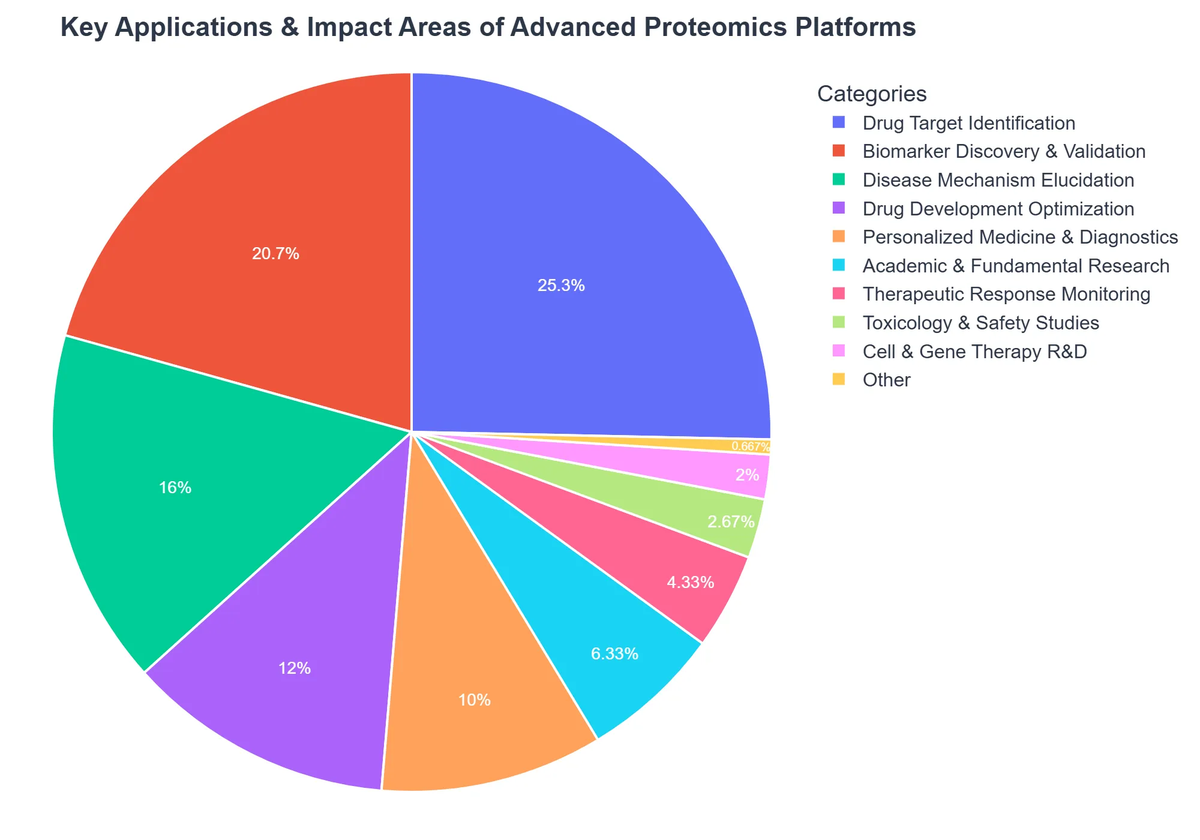
The implications of Nautilus’s high-resolution proteomics platform for drug discovery and development are profound. By providing an unprecedented view of the proteome, the technology promises to accelerate multiple stages of the therapeutic pipeline:
- 🎯 Target Identification and Validation: Identifying disease-relevant proteins (drug targets) becomes more efficient and accurate when researchers can see the entire proteome in detail, including subtle protein modifications or isoforms.
- 💊 Biomarker Discovery: Discovering reliable biomarkers for disease diagnosis, prognosis, and therapeutic response is significantly enhanced. The ability to detect low-abundance proteins or specific protein signatures can lead to earlier detection and more personalized medicine.
- 🧪 Drug Mechanism of Action: Understanding how a drug interacts with its targets and off-targets at the protein level is critical for optimizing efficacy and minimizing side effects. Nautilus’s platform can provide detailed insights into these interactions.
- 📈 Preclinical and Clinical Development: Monitoring protein changes during preclinical studies and clinical trials can provide deeper insights into drug safety and efficacy, helping to streamline the development process.
This level of proteomic insight is transformative, moving beyond traditional genetic screens to a functional understanding of disease, complementing advancements seen in Molecular Biotechnology: Mastering Gene Editing and Recombinant DNA and other cutting-edge fields. The ability to precisely measure drug-induced protein changes can lead to more effective and safer therapies.
OmniBio Therapeutics: Accelerating Drug Discovery with Next-Gen Proteomics
❓The Challenge
OmniBio Therapeutics faced significant hurdles in drug development, struggling to identify precise protein biomarkers and understand complex drug-target interactions due to the limitations of traditional proteomics methods.
💡The Solution
By adopting a revolutionary single-molecule proteomics platform, akin to Nautilus Biotechnology’s innovation, OmniBio gained unprecedented sensitivity and dynamic range, enabling deep analysis of even rare protein variants and their intricate binding kinetics.
🏆The Result
This breakthrough allowed OmniBio to reduce their biomarker discovery phase by 40% and increase the success rate of their early-stage drug candidates by 25% within 18 months.
You can learn more about how Nautilus envisions the future of proteomics and its impact on medicine and biology through various expert discussions, such as this podcast discussing the revolutionizing of proteomics for drug development.
Recommended Video
The Future of Proteomics with Nautilus Biotechnology
Nautilus Biotechnology is at the forefront of a new era in biological research and medicine. Their platform represents a significant paradigm shift from inferential proteomics to direct, single-molecule protein analysis. This capability has the potential to:
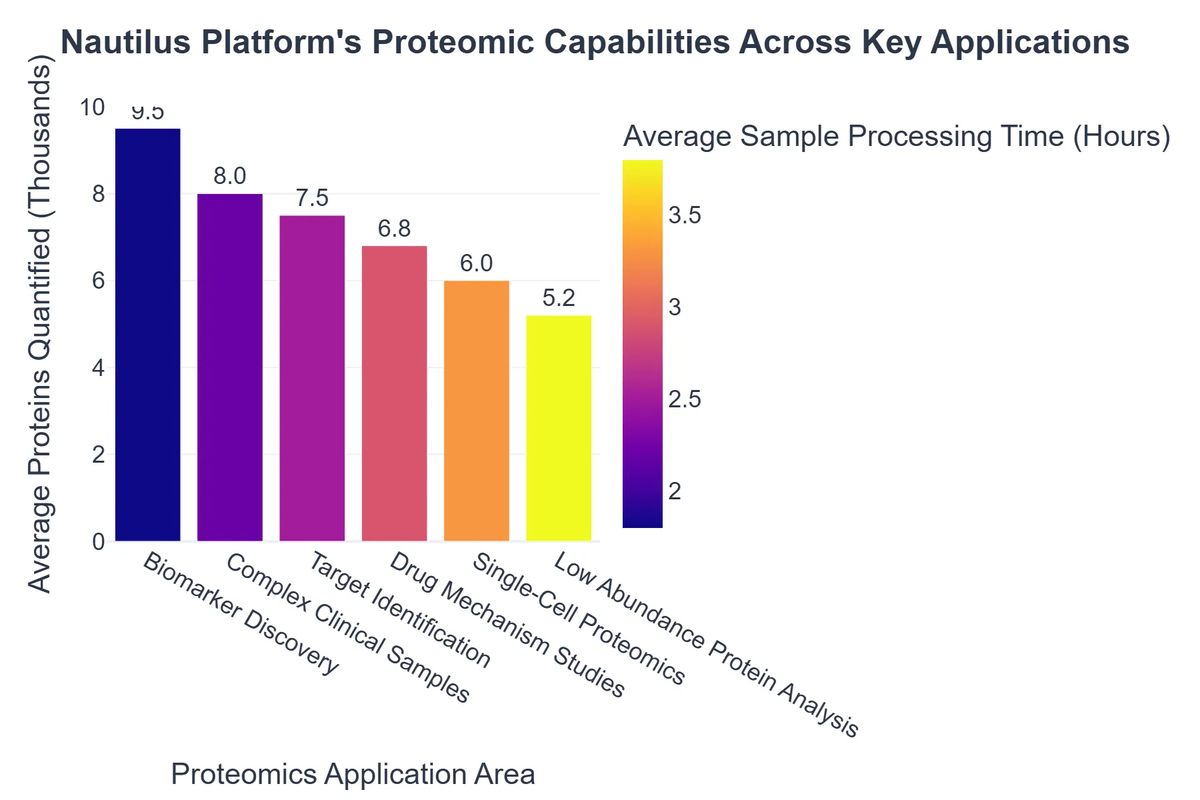
- 💡 Uncover New Biology: Reveal previously hidden protein isoforms, post-translational modifications, and protein-protein interactions that are vital for cellular function and disease pathology.
- 🚀 Drive Precision Medicine: Enable the development of highly specific diagnostics and targeted therapies, moving closer to truly personalized healthcare.
- 🌐 Democratize Proteomics: Make comprehensive proteomic analysis more accessible and scalable for researchers and clinicians globally.
As the convergence of technologies like advanced instrumentation, big data analytics, and artificial intelligence continues, the field of biotechnology is poised for unprecedented growth. Nautilus’s innovation aligns perfectly with this trend, promising to unlock new insights into disease mechanisms, accelerate drug discovery, and ultimately improve human health. For further insights into their strategic vision, their investor relations page offers a detailed overview of their long-term goals and market positioning.
FAQs About Nautilus Biotechnology and Proteomics
What is Nautilus Biotechnology’s core innovation?
Nautilus Biotechnology has developed a groundbreaking single-molecule protein analysis platform designed to characterize the entire proteome with unparalleled precision.
How does this technology benefit drug discovery?
By providing a more complete and accurate understanding of protein interactions and cellular mechanisms, Nautilus’s platform can significantly accelerate the identification of new drug targets and the development of more effective therapies.
What is proteomics and why is it important?
Proteomics is the large-scale study of proteins, crucial for understanding biological systems, disease mechanisms, and drug actions, as proteins perform most cellular functions.
How does Nautilus’s platform differ from traditional proteomics?
Unlike traditional methods that analyze protein mixtures, Nautilus’s technology can characterize individual protein molecules, offering higher sensitivity, broader coverage, and the ability to detect subtle modifications.