


In the dynamic realm of life sciences, staying abreast of cutting-edge discoveries is paramount. Among the myriad of scientific journals and publications, one stands out as a beacon of excellence and a trusted source for the most impactful advancements: Nature Biotechnology. This premier publication is not just a journal; it’s a cornerstone for anyone delving into the complexities of biotech research, offering unparalleled insights into the innovations shaping our world.
💡 Key Takeaways
- Nature Biotechnology is a top-tier journal for groundbreaking biotech research.
- It covers diverse fields from genetic engineering to bioinformatics.
- The journal plays a crucial role in disseminating key scientific advancements.
- Its publications significantly influence the direction of the global biotech industry.
“Nature Biotechnology isn’t just a journal; it’s a vital ecosystem for genetic innovation. Its rigorous publications illuminate the evolutionary pathways of engineered life, profoundly shaping our understanding of what’s biologically possible.”
— Julian Aris, Evolutionary Biologist & Geneticist
As experts in The Code of Life: Decoding Genetics, Evolution, and Existence, we understand the critical role such scientific publications play in advancing our collective knowledge. This article will provide a comprehensive overview of Nature Biotechnology, detailing its significance, scope, and impact on the global biotechnology landscape.
In This Article
- — 💡 Key Takeaways
- → Understanding Nature Biotechnology: A Pillar in Scientific Publications
- → Why Nature Biotechnology Leads Biotech Research Dissemination
- — 🔬 Groundbreaking Research Areas
- — 💡 Impact on Innovation and Industry
- → Navigating Nature Biotechnology’s Content
- — 📚 Types of Publications
- — 🌐 Access and Engagement
- → The Future Landscape of Biotech Research
- → Conclusion
Understanding Nature Biotechnology: A Pillar in Scientific Publications
Nature Biotechnology is a monthly scientific journal published by Nature Portfolio, an imprint of Springer Nature. It focuses on the applied aspects of biological research, bridging the gap between fundamental scientific discovery and its practical application. Since its inception, the journal has been instrumental in disseminating high-impact studies across various biotechnology fields.
- ✅ Rigorous Peer Review: Known for its exceptionally stringent peer-review process, ensuring that only the most robust and significant research makes it to publication.
- ✅ Broad Scope: Covers a vast array of topics, from gene editing and synthetic biology to biopharmaceuticals and agricultural biotechnology.
- ✅ Global Influence: A highly cited journal, it significantly influences academic research, industrial development, and policy-making worldwide.
Why Nature Biotechnology Leads Biotech Research Dissemination

The journal’s reputation is built on several foundational pillars that distinguish it from other scientific publications. Its commitment to quality, relevance, and impact makes it a preferred platform for scientists and researchers globally.
🔬 Groundbreaking Research Areas
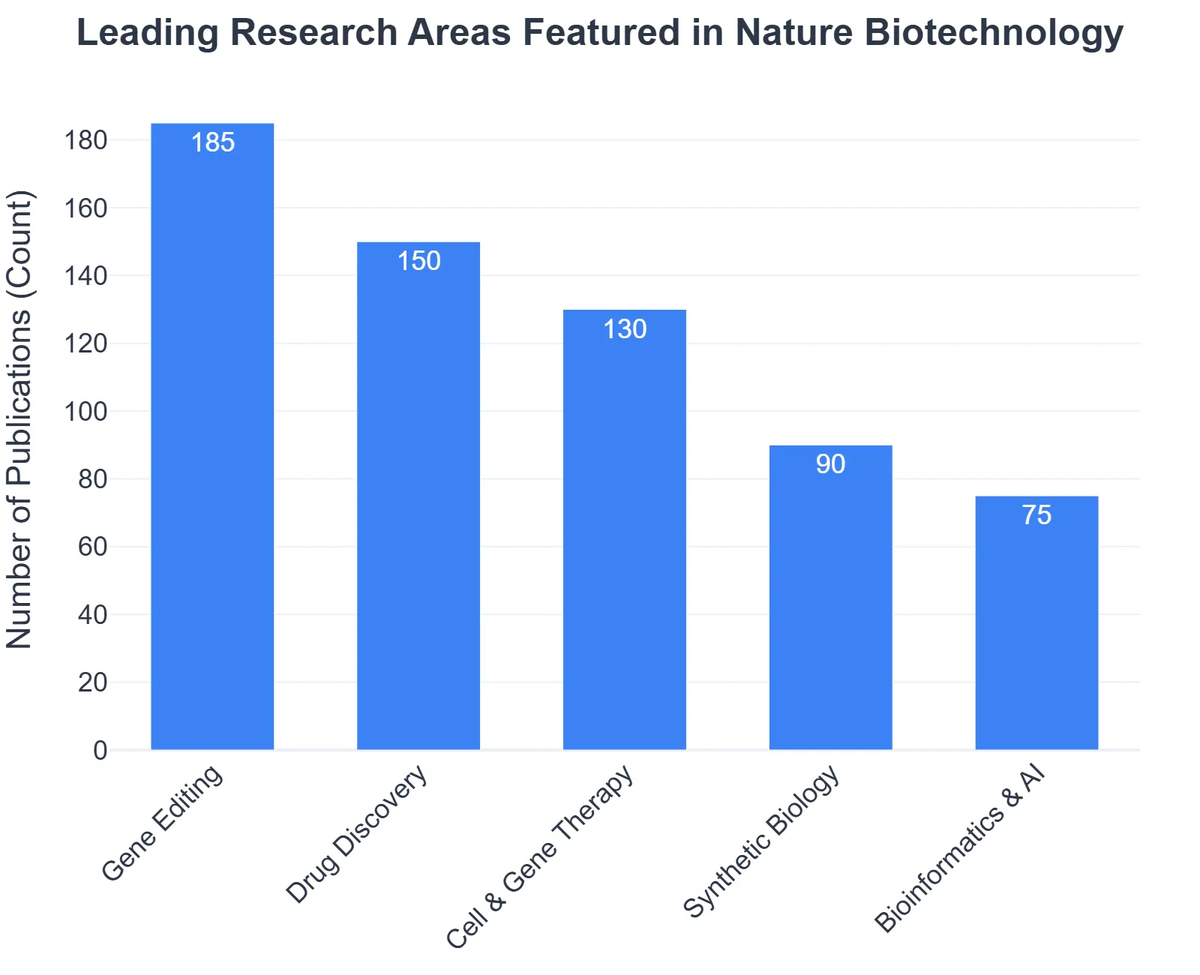
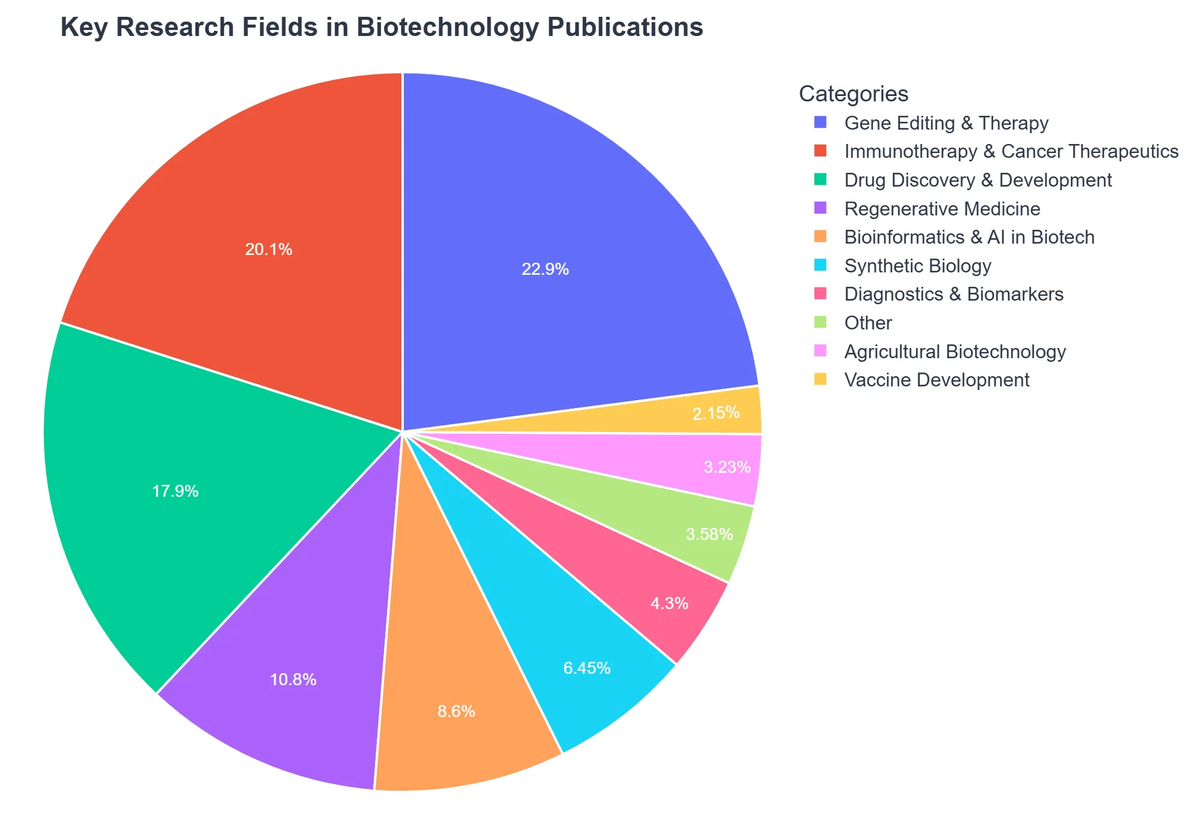
Nature Biotechnology consistently features pioneering research that pushes the boundaries of what’s possible. From the development of novel therapeutic strategies to the engineering of organisms for industrial purposes, the journal highlights studies with tangible real-world implications.
- ➡️ Gene Editing & Therapy: Publishes seminal works on CRISPR, gene therapy, and other genetic manipulation techniques, including their applications in disease treatment.
- ➡️ Drug Discovery & Development: Covers advances in drug design, high-throughput screening, antibody engineering, and clinical trials for new biopharmaceuticals. For more on this, explore Red Biotechnology: Advancing Healthcare with Medical Innovations.
- ➡️ Synthetic Biology: Features innovations in designing and constructing new biological parts, devices, and systems, as well as redesigning existing natural biological systems.
- ➡️ Agricultural & Environmental Biotech: Showcases how biotechnology can revolutionize food production, enhance crop resilience, and offer sustainable environmental solutions. Learn more about this in Biotechnology in Agriculture: Sustainable Harvests.
💡 Impact on Innovation and Industry
Beyond academia, Nature Biotechnology plays a crucial role in informing and driving the biotech industry. Many studies published in the journal serve as foundational research for new startup companies or significant advancements within established corporations. It’s a key resource for understanding the trajectory of commercial biotechnology.
- 📈 Translational Science: A strong emphasis on research that can be translated from the lab bench to practical applications, including clinical and industrial settings.
- 🤝 Industry-Academia Bridge: Often features collaborations between academic institutions and biotech companies, fostering a fertile ground for innovation. For insights into the commercial landscape, see our article on Top 100 Biotechnology Companies: A Deep Dive.
- 🌍 Global Perspective: Presents research from diverse geographical regions, reflecting the international nature of biotech research and development.
Navigating Nature Biotechnology’s Content
Accessing and understanding the vast amount of information published by Nature Biotechnology can be highly beneficial for researchers, students, and industry professionals. The journal offers various content types, from original research to reviews and commentaries.
📚 Types of Publications
- ✔️ Research Articles: Detailed reports of original, significant, and rigorously peer-reviewed scientific findings. You can explore their extensive collection of research articles directly on their website: Research articles | Nature Biotechnology.
- ✔️ Reviews: Comprehensive summaries and analyses of specific fields or topics within biotechnology, often providing future perspectives.
- ✔️ News & Views: Shorter articles that provide context and commentary on recently published research, making complex topics more accessible.
- ✔️ Editorials & Commentaries: Opinions and insights from the editorial team and leading experts on current issues, ethical considerations, and trends in biotechnology.
🌐 Access and Engagement
While much of the content requires a subscription, Nature Biotechnology, like many major scientific journals, offers various access points and engagement opportunities:
- ➡️ Institutional Subscriptions: Most universities and research institutions provide access to their faculty and students.
- ➡️ Personal Subscriptions: Individuals can subscribe to the journal or bundles like Nature+ which offer access to multiple Nature journals. More information on subscription options can be found here: Nature+ | 55 science journals in one subscription – Nature+ Americas.
- ➡️ Open Access Articles: A growing number of articles are published open access, making them freely available to the public.
- ➡️ Conferences & Events: Nature Biotechnology often organizes or sponsors scientific conferences, providing platforms for networking and discussion.
The Future Landscape of Biotech Research
As biotechnology continues its rapid evolution, journals like Nature Biotechnology will remain critical in shaping its direction. They act as gatekeepers of quality, promoters of innovation, and forums for critical discussion, ensuring the field progresses responsibly and effectively.
Nature Biotechnology: Pros and Cons
Pros
- ✔Publishes highly impactful and cutting-edge research in biotechnology.
- ✔Known for its rigorous peer-review process and high scientific standards.
- ✔Offers significant visibility and prestige for published authors.
- ✔Covers a broad range of topics within the biotechnology field.
Cons
- ✖Extremely high competition and a very low acceptance rate for submissions.
- ✖Access often requires expensive institutional or individual subscriptions.
- ✖Content can be highly specialized, potentially limiting accessibility for a broader audience.
- ✖Review and publication times can be lengthy due to the rigorous process.
The insights gleaned from such scientific publications are indispensable for anyone looking to contribute to or understand the advancements in life sciences. They highlight not only breakthroughs but also the challenges and ethical considerations inherent in powerful technologies like gene editing and synthetic biology.
For a broader perspective on scientific excellence, consider exploring other leading publications like Science | AAAS.
Recommended Video
Conclusion
Nature Biotechnology stands as an undisputed leader among scientific publications, providing a vital platform for the dissemination of groundbreaking biotech research. Its rigorous standards, comprehensive coverage, and global reach ensure that it remains an essential resource for scientists, innovators, and anyone interested in the future of life itself. By following the developments reported in this prestigious journal, we can gain invaluable insights into the scientific and technological frontiers that are continually redefining our understanding of biology and our capacity to shape it.
Frequently Asked Questions
What is Nature Biotechnology?
Nature Biotechnology is a monthly scientific journal published by Nature Portfolio, focusing on high-impact original research, reviews, and commentaries in all areas of biotechnology.
What kind of research does it publish?
It publishes cutting-edge research across a broad spectrum of biotechnology, including genomics, proteomics, gene therapy, molecular biology, biomaterials, and bioengineering.
How does Nature Biotechnology contribute to the biotech field?
By disseminating groundbreaking discoveries and fostering critical scientific discussion, it helps to accelerate progress, innovation, and the application of new technologies in the global biotechnology industry.
Is Nature Biotechnology a peer-reviewed journal?
Yes, Nature Biotechnology is a highly selective, peer-reviewed journal renowned for its rigorous editorial standards and the significant influence of its published works.