


Cyber Security Company: Choosing the Right Services
In an era defined by rapid technological advancement and increasing digital interconnectedness, the landscape of cyber threats grows more complex and pervasive by the day. For any organization, regardless of size or industry, cybersecurity is no longer an optional add-on but a foundational imperative. Navigating this intricate domain often necessitates partnering with a specialized cyber security company that can offer robust defenses and proactive strategies.
💡 Key Takeaways
- Understand your specific cyber security needs and risk profile before engaging providers.
- Prioritize companies with strong reputations, relevant industry certifications, and a proven track record.
- Look beyond basic services; consider advanced threat detection, incident response, and ongoing vulnerability management.
- A strong cyber security partner is an ongoing strategic asset, essential for long-term digital resilience.
“In an age where AI fuels both innovation and sophisticated threats, choosing a cyber security partner isn’t just about current defenses, but about their foresight in future-proofing your digital existence.”
— Kira Chen, Futurist & AI Ethics Advocate
Choosing the right partner, however, is not a decision to be taken lightly. It requires a deep understanding of your own vulnerabilities, a clear grasp of the services available, and a discerning eye for quality and expertise. This comprehensive guide will equip you with the insights needed to make an informed decision, safeguarding your digital assets and ensuring business continuity in a volatile cyber environment.
As we chart the course of tomorrow’s technology, understanding cybersecurity becomes paramount for the very future of digital operations. For a broader perspective on the evolving tech landscape, explore our Future Perfect?: Charting the Course of Tomorrow’s Technology pillar page.
In This Article
- → Cyber Security Company: Choosing the Right Services
- — 💡 Key Takeaways
- → Understanding Your Cybersecurity Needs: The First Step
- — ✅ Assessing Your Current Landscape
- — 💡 Identifying Your Vulnerabilities
- — 💰 Defining Your Budget and Resources
- → Core Services Offered by a Leading Cyber Security Company
- — 📊 Risk Assessment & Management
- — 🚨 Incident Response & Forensics
- — 🛡️ Managed Security Services (MSSP)
- — ⚖️ Security Consulting & Compliance
- — 🌐 Threat Intelligence & Cyber Defense Services
- → Key Factors to Consider When Selecting a Cyber Security Partner
- — 🧑🔬 Expertise and Specialization
- — ⭐ Reputation and Track Record
- — 📈 Scalability and Flexibility
- — 💬 Communication and Transparency
- — 📜 Certifications and Compliance Adherence
- → Navigating the Landscape of Cyber Security Company Services: From SMBs to Enterprises
- — Small to Medium Businesses (SMBs)
- — Large Enterprises
- → The Future of Cyber Security: What to Look For in a Partner
- — 🤖 AI and Machine Learning Integration
- — 🕵️ Proactive Threat Hunting
- — ☁️ Cloud Security Expertise
- → Conclusion
Understanding Your Cybersecurity Needs: The First Step

Before you even begin evaluating a cyber security company, you must first look inward. A clear understanding of your organization’s unique risk profile and security requirements is the bedrock of a successful partnership.
✅ Assessing Your Current Landscape
- ➡️ Inventory Assets: What data, systems, and infrastructure do you need to protect? Categorize them by criticality.
- ➡️ Identify Existing Defenses: What security measures are currently in place? Where are the gaps?
- ➡️ Understand Regulatory Requirements: Are you subject to GDPR, HIPAA, PCI DSS, or other industry-specific compliance standards?
- ➡️ Evaluate Past Incidents: Have you experienced breaches or security incidents before? What lessons were learned?
💡 Identifying Your Vulnerabilities
A thorough vulnerability assessment is crucial. This goes beyond simple network scans to include:
- ✅ Technical Weaknesses: Outdated software, misconfigured systems, weak passwords.
- ✅ Human Factors: Phishing susceptibility, social engineering risks, lack of employee training.
- ✅ Process Gaps: Inadequate incident response plans, lack of data backup procedures.
💰 Defining Your Budget and Resources
Cybersecurity is an investment, not just an expense. Determine what you can realistically allocate. Consider both initial setup costs and ongoing maintenance, monitoring, and potential incident response expenses.
- ➡️ What’s the cost of a breach? Factor in reputational damage, regulatory fines, operational downtime, and data recovery.
- ➡️ In-house vs. Outsourced: Do you have the internal expertise and personnel, or is it more cost-effective to outsource all or part of your security operations?
Core Services Offered by a Leading Cyber Security Company
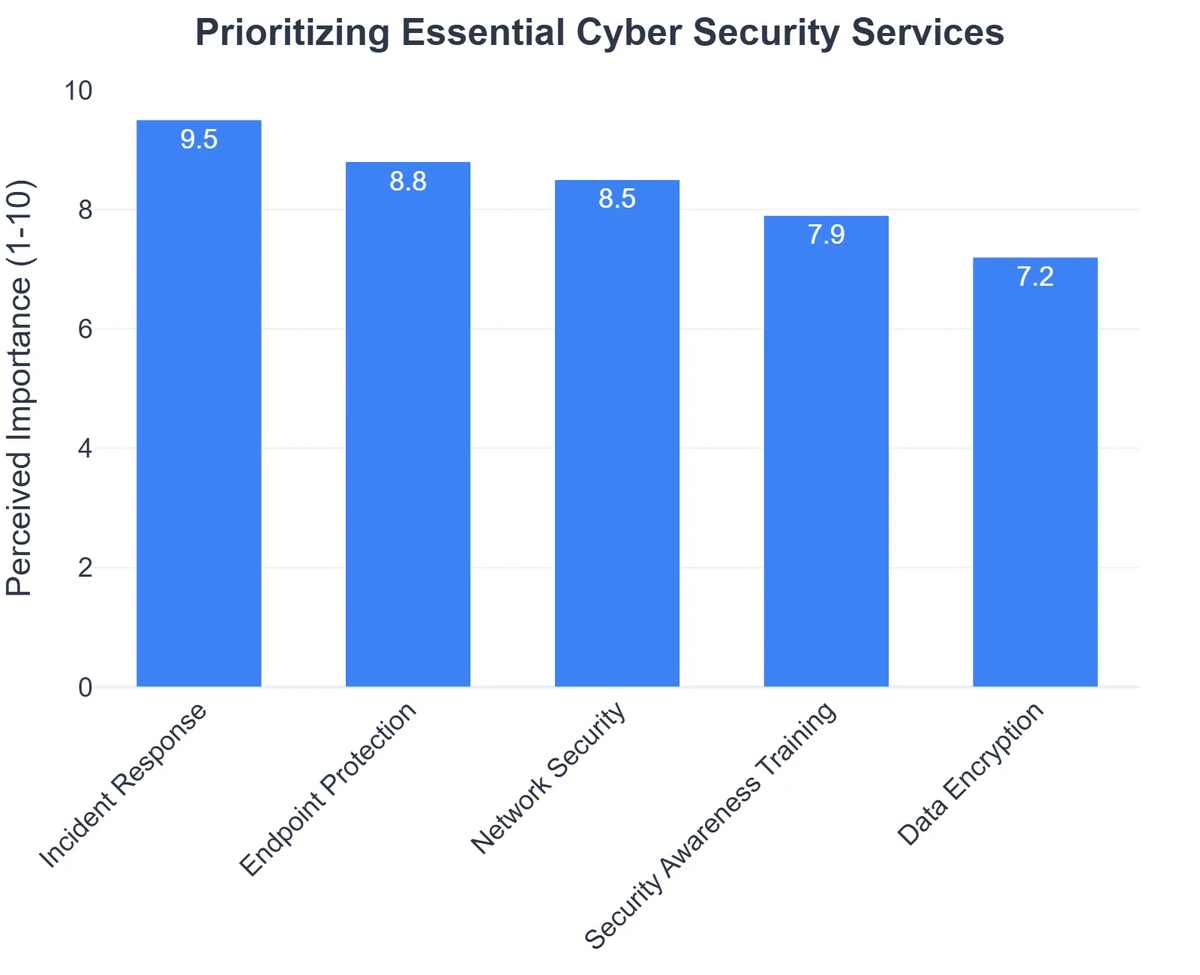
A comprehensive cyber security services company typically offers a broad spectrum of solutions designed to protect, detect, and respond to threats. Understanding these categories will help you match services to your identified needs.
📊 Risk Assessment & Management
This foundational service involves identifying, analyzing, and evaluating information security risks. A good cyber security partner will help you understand where your greatest risks lie and develop strategies to mitigate them.
- ✅ Vulnerability Assessments: Identifying weaknesses in systems, applications, and networks.
- ✅ Penetration Testing (Pen Testing): Simulating real-world attacks to uncover exploitable vulnerabilities.
- ✅ Security Audits: Evaluating compliance with policies, standards, and regulations.
🚨 Incident Response & Forensics
When a breach occurs, rapid and effective response is paramount. These services ensure that your organization can contain, eradicate, and recover from cyberattacks with minimal damage.
- ✅ Incident Response Planning: Developing playbooks and procedures for managing security incidents.
- ✅ 24/7 Monitoring & Alerting: Constant surveillance for suspicious activities.
- ✅ Digital Forensics: Investigating the root cause of breaches, collecting evidence, and identifying affected systems. For proactive measures against evolving threats, explore our article on Cyber Threat Protection: Essential Strategies for Digital Security.
🛡️ Managed Security Services (MSSP)
Many organizations opt for managed services to offload the burden of constant security management. An MSSP provides outsourced monitoring and management of security devices and systems.
- ✅ Security Information and Event Management (SIEM): Centralized logging and analysis of security data.
- ✅ Endpoint Detection and Response (EDR)/Managed Detection and Response (MDR): Protecting individual devices and providing active threat hunting.
- ✅ Firewall & VPN Management: Ensuring secure network perimeters.
- For more detailed insights into the advantages of this approach, read about the Managed Cyber Security Services: Benefits for Modern Businesses.
⚖️ Security Consulting & Compliance
Beyond technical services, a leading cyber security company offers strategic guidance to build a robust security posture and navigate complex regulatory landscapes.
- ✅ Security Program Development: Crafting an overarching security strategy.
- ✅ Compliance Advisory: Helping meet industry and regulatory requirements (e.g., ISO 27001, SOC 2, HIPAA).
- ✅ Security Awareness Training: Educating employees to be the first line of defense.
🌐 Threat Intelligence & Cyber Defense Services
Staying ahead of attackers requires up-to-date knowledge of emerging threats. A strong partner provides actionable threat intelligence and advanced defense capabilities.
- ✅ Dark Web Monitoring: Tracking compromised credentials and organizational data.
- ✅ Zero-Day Exploitation Protection: Defending against previously unknown vulnerabilities.
- ✅ Proactive Threat Hunting: Actively searching for threats that have evaded automated defenses.
Key Factors to Consider When Selecting a Cyber Security Partner
Making the right choice for a cyber security company involves more than just a list of services. Consider these critical factors:
🧑🔬 Expertise and Specialization
Does the company have deep knowledge in your industry, or experience with technologies specific to your infrastructure (e.g., cloud environments, IoT)? Look for certifications, accreditations, and a demonstrated history of solving problems similar to yours.
Choosing Cyber Security Services: Pros & Cons
Pros
- ✔Access to specialized expertise and latest threat intelligence.
- ✔Proactive identification and mitigation of cyber threats.
- ✔Ensures regulatory compliance and reduces legal risks.
- ✔Allows internal teams to focus on core business functions.
Cons
- ✖Significant ongoing cost for comprehensive services.
- ✖Dependency on an external vendor’s reliability and security.
- ✖Potential for a mismatch between services and specific business needs.
- ✖Risk of data exposure if the chosen provider suffers a breach.
⭐ Reputation and Track Record
Research client testimonials, case studies, and independent reviews. Major players like Accenture Security, IBM Security, and Deloitte Cyber are renowned for their extensive resources, global reach, and broad spectrum of high-level advisory and implementation services, often catering to large enterprises and complex regulatory environments. However, smaller, specialized firms might offer more agile and personalized services for specific niches or SMBs. Always verify their past performance and success stories.
According to research, choosing the right partner involves assessing their proactive approach to emerging threats and their ability to integrate seamlessly with your existing infrastructure. For further guidance on selecting a cybersecurity solution, the Canadian Centre for Cyber Security offers valuable insights: Choosing the best cyber security solution for your organization.
📈 Scalability and Flexibility
Your security needs will evolve. Can the prospective partner scale their services up or down as your business grows or changes? Do they offer flexible engagement models, such as project-based, retainer, or managed services?
💬 Communication and Transparency
A good relationship is built on clear communication. How do they report on security posture? What is their process for alerting you to incidents? Do they provide regular briefings and strategic advice?
📜 Certifications and Compliance Adherence
Ensure the provider themselves adheres to stringent security standards and has relevant certifications (e.g., ISO 27001, SOC 2 Type II). This demonstrates their commitment to security best practices.
For more detailed considerations on selecting a consultant, particularly for specific industry needs, Optiv provides helpful information: Choosing the Right Cybersecurity Consulting Services for Your Industry.
Navigating the Landscape of Cyber Security Company Services: From SMBs to Enterprises
The type of cyber security company services you require often depends on the scale and complexity of your operations.
Small to Medium Businesses (SMBs)
SMBs often have limited in-house IT and security resources. Their needs typically revolve around cost-effective, comprehensive solutions that are easy to implement and manage.
- ✅ Managed Detection and Response (MDR): Provides 24/7 monitoring, threat detection, and response without the need for a dedicated internal security operations center.
- ✅ Endpoint Protection Platforms (EPP): Basic antivirus and anti-malware solutions.
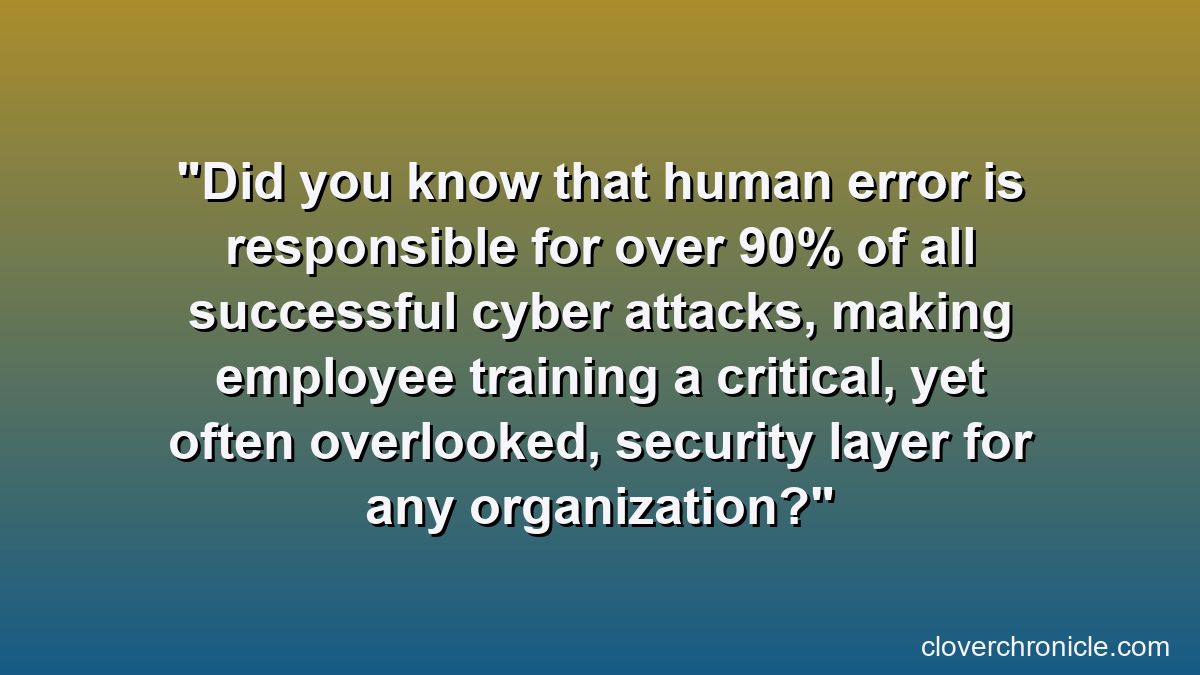
- ✅ Security Awareness Training: Essential for protecting against common phishing and social engineering attacks.
- ✅ Cloud Security: Solutions tailored for common cloud platforms used by SMBs (e.g., Microsoft 365, Google Workspace).
Large Enterprises
Enterprises face complex, multi-faceted threats and have intricate IT environments. They require highly specialized, scalable, and often bespoke cyber defense services.
- ✅ Advanced Threat Intelligence: Custom feeds and analysis relevant to their industry and threat landscape.
- ✅ Security Operations Center (SOC) as a Service: Comprehensive, often co-managed, security operations.
- ✅ DevSecOps Integration: Embedding security into the software development lifecycle.
- ✅ Data Loss Prevention (DLP): Preventing sensitive data from leaving the organization’s control.
- ✅ Zero Trust Architecture Implementation: Building security around the principle of “never trust, always verify.”
The Future of Cyber Security: What to Look For in a Partner
As the digital frontier expands, so do the capabilities of cybercriminals. A forward-thinking cyber security company won’t just react to current threats but will anticipate future challenges. For overall strategic guidance, delve into Cyber Security: Essential Strategies for a Protected Digital Future.
🤖 AI and Machine Learning Integration
Look for partners leveraging AI and ML for enhanced threat detection, anomaly behavior analysis, and automated response capabilities. These technologies are crucial for processing vast amounts of data and identifying sophisticated, evasive threats.
🕵️ Proactive Threat Hunting
Beyond automated alerts, the best partners engage in proactive threat hunting – actively searching for hidden threats within your network that have bypassed initial defenses. This human-driven, intelligence-led approach is critical for catching advanced persistent threats (APTs).
☁️ Cloud Security Expertise
With increasing migration to cloud platforms, expertise in securing IaaS, PaaS, and SaaS environments is non-negotiable. This includes cloud-native security tools, compliance in the cloud, and secure cloud configurations.
Recommended Video
Conclusion
Choosing the right cyber security services company is one of the most critical decisions an organization can make in today’s digital age. It’s not merely about purchasing a product or service; it’s about forming a strategic partnership that understands your unique needs, offers comprehensive solutions, and adapts to the ever-evolving threat landscape.
By thoroughly assessing your internal requirements, understanding the breadth of services available, diligently evaluating potential partners based on their expertise and reputation, and considering their readiness for future challenges, you can select a cyber security company that truly fortifies your digital defenses and ensures your journey into the future is secure.
Frequently Asked Questions
What are the most common types of cyber security services?
Common services include network security, endpoint protection, cloud security, data encryption, security awareness training, and incident response planning.
How do I evaluate a cyber security company’s reliability?
Look for industry certifications (e.g., ISO 27001, SOC 2), client testimonials, case studies, and assess their specific incident response capabilities and service level agreements.
Should I choose a generalist or specialist cyber security firm?
It depends on your needs. Generalists offer broad coverage, while specialists might be better for niche threats, specific industry compliance, or advanced technical challenges.
What budget should I allocate for cyber security?
Budget varies widely by company size, industry, and risk profile. It’s crucial to view it as an investment in business continuity, data integrity, and reputation, not merely an expense.