

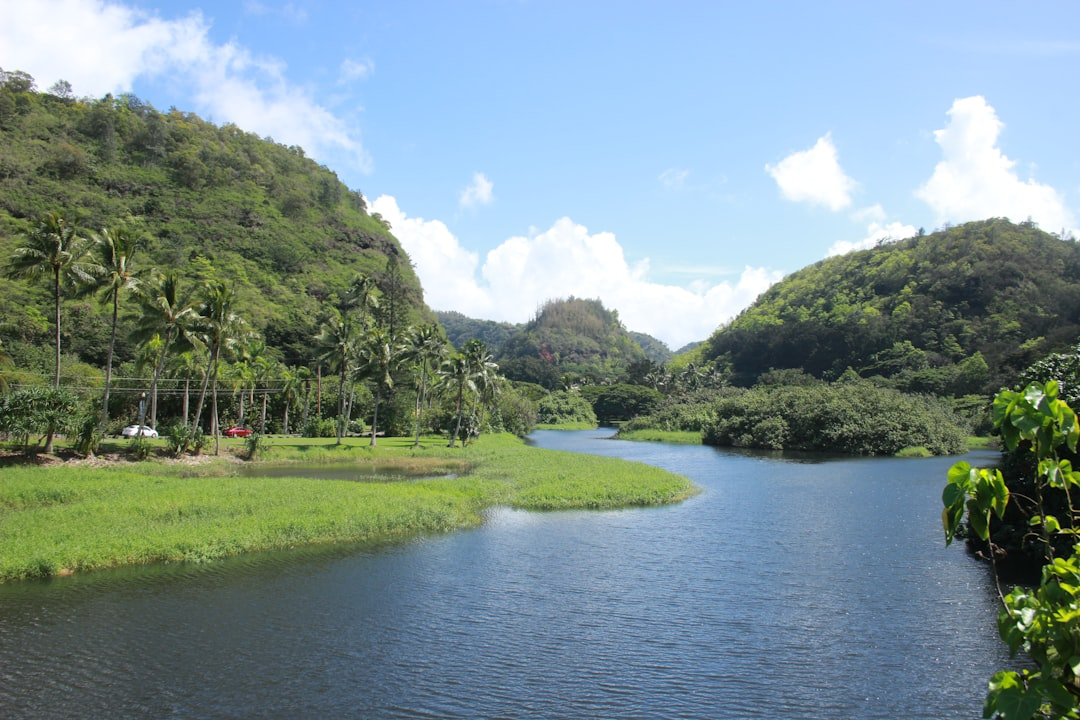
The intricate web of life on Earth is supported by a fundamental concept: ecosystem biodiversity. This isn’t just about the number of species present in a given area; it’s about the full spectrum of life—from the smallest microbes to the largest mammals—and the complex interactions they have with their physical environment.
💡 Key Takeaways
- Ecosystem biodiversity encompasses the variety of life within an environment, crucial for its stability and function.
- Diverse ecosystems provide essential services like clean air, water purification, and nutrient cycling.
- Loss of biodiversity weakens ecosystems, making them vulnerable to environmental changes and disease.
- Protecting and restoring biodiversity is fundamental for maintaining planetary health and human well-being.
“Biodiversity isn’t just a count of species; it’s the intricate genetic tapestry that allows life to adapt and persist. Every gene, every organism, contributes to the resilience of our planet’s living systems.”
— Julian Aris, PhD, Geneticist & Evolutionary Biologist
Understanding the vital link between life and environment requires delving into how different species, their genetic variations, and the diverse habitats they inhabit collectively contribute to the health and stability of our planet. Every element, living or non-living, plays a role in the grand symphony of existence, a concept explored in greater detail in The Code of Life: Decoding Genetics, Evolution, and Existence.
In This Article
Understanding Ecosystem Biodiversity
To truly grasp the significance of ecosystem biodiversity, we must first define its core components. An ecosystem encompasses all living organisms (biotic factors) in an area, interacting with each other and with their non-living physical environment (abiotic factors) like air, water, soil, and sunlight. For a comprehensive overview, understanding “what is ecology” is crucial. What Is Ecology? – Ecological Society of America
Biodiversity, short for biological diversity, refers to the variety of life on Earth at all its levels, from genes to ecosystems. When we combine these concepts, define ecosystem biodiversity, we are talking about the variety of life within and among ecosystems. This includes three main levels:
- ✅ Genetic Diversity: The variation of genes within a species. This allows species to adapt to changing environments.
- ✅ Species Diversity: The variety of different species within an ecosystem or region. This is often the most commonly recognized form of biodiversity.
- ✅ Ecosystem Diversity: The variety of ecosystems across a landscape. This includes forests, deserts, grasslands, coral reefs, wetlands, and more. Each unique ecosystem supports different sets of species. For example, the unique nature of Wetlands and Biodiversity: A Vital Ecosystem showcases a specific type of ecosystem diversity.
The health of an ecosystem is directly proportional to its biodiversity. A diverse ecosystem is more resilient, productive, and stable, better equipped to withstand disturbances like climate change, disease outbreaks, or natural disasters. The intricate balance observed within various Biomes and Biodiversity: Shaping Life on Earth further illustrates this interconnectedness.
Why Ecosystem Biodiversity Matters: Essential Services
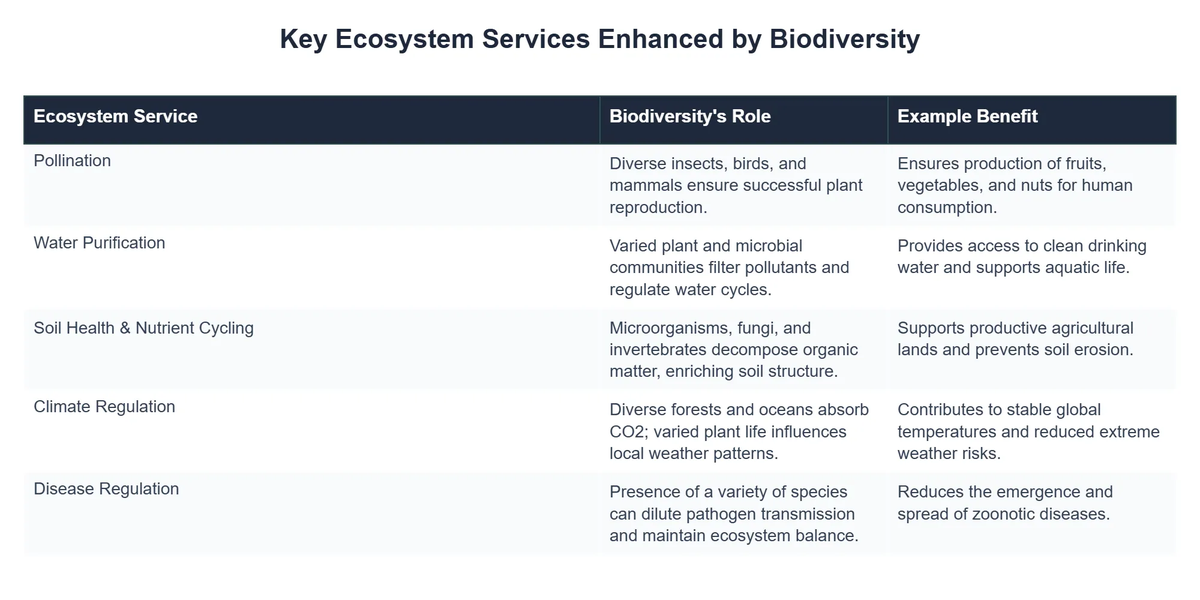
The functionality of our planet hinges on biodiversity and ecosystem functioning. Healthy, diverse ecosystems provide invaluable “ecosystem services” that are fundamental to human well-being and the very survival of life. These services can be broadly categorized as:
Cultivating Resilience: How Green Futures Reaped Gains from Biodiversity
❓The Challenge
A large agricultural client was experiencing declining crop yields and increased pest outbreaks, battling instability due to extensive monoculture practices that had severely degraded their soil health and natural ecological services.
💡The Solution
Green Futures applied insights from ecosystem biodiversity, recommending the strategic integration of diverse native plant species and multi-crop rotation. This approach aimed to restore natural pest control mechanisms and enhance soil fertility, leveraging the inherent resilience of a biodiverse ecosystem.
🏆The Result
Within 18 months, the client reported a 15% increase in average crop yield and a significant 30% reduction in dependency on chemical pesticides, showcasing a healthier and more productive agricultural system.
- 💡 Provisioning Services: Products obtained from ecosystems.
- Food (crops, livestock, fish)
- Freshwater
- Timber and fiber
- Genetic resources (for medicine, agriculture)
- 💡 Regulating Services: Benefits obtained from the regulation of ecosystem processes.
- Climate regulation (carbon sequestration by forests)
- Flood regulation (wetlands absorbing excess water)
- Disease regulation (biodiversity can limit disease spread)
- Water purification (wetlands and forests filter pollutants)
- Pollination (insects and animals pollinating crops)
- 💡 Cultural Services: Non-material benefits from ecosystems.
- Recreational opportunities (hiking, birdwatching)
- Spiritual and aesthetic enrichment
- Educational and scientific exploration
- 💡 Supporting Services: Necessary for the production of all other ecosystem services.
- Nutrient cycling (decomposition, nitrogen fixation)
- Soil formation
- Primary production (photosynthesis)
Without robust biodiversity and ecosystem functioning, these vital services degrade, leading to cascading effects that can destabilize economies, impact human health, and accelerate environmental crises. The direct connection between nature, biodiversity, and ecosystem services is a subject of ongoing research and critical importance. Exploring connections among nature, biodiversity, ecosystem services and sustainability
Threats to Ecosystem Biodiversity
Despite its critical importance, global ecosystem biodiversity is under unprecedented threat. Human activities are the primary drivers of this accelerating loss, pushing many species and entire ecosystems towards collapse. Key threats include:
- 🚨 Habitat Loss and Degradation:
- Conversion of natural lands for agriculture, urban development, and infrastructure.
- Fragmentation of habitats, isolating populations and reducing genetic diversity.
- Specific ecosystems like Mangrove Biodiversity: Coastal Ecosystems Under Threat are particularly vulnerable to coastal development and climate change.
- 🚨 Climate Change:
- Altering global temperatures and precipitation patterns, shifting species ranges.
- Increasing frequency and intensity of extreme weather events.
- Ocean acidification, severely impacting Marine Biodiversity: Protecting Ocean Life.
- 🚨 Pollution:
- Chemical runoff from agriculture and industry contaminating water and soil.
- Plastic pollution, particularly devastating to marine life.
- Air pollution impacting forest health and overall air quality.
- 🚨 Overexploitation of Resources:
- Overfishing, unsustainable logging, and illegal wildlife trade.
- Depletion of resources faster than they can regenerate.
- This directly impacts Biodiversity and Wildlife Conservation: An Intertwined Fate.
- 🚨 Invasive Alien Species:
- Introduction of non-native species that outcompete or prey on native ones.
- Can disrupt food webs and ecosystem processes.
The cumulative effect of these threats is a rapid decline in species populations and the degradation of ecosystems worldwide, leading to a loss of resilience and vital services. Understanding these threats is the first step towards effective conservation, as highlighted by discussions around Threatened Biodiversity: Protecting Endangered Species Globally.
Strategies for Preserving Ecosystem Biodiversity
Protecting and restoring ecosystem biodiversity is a global imperative. Concerted efforts across various levels—from international policy to local action—are essential. Effective strategies include:
- 🌎 Protected Area Establishment and Management:
- Creating national parks, wildlife reserves, and marine protected areas.
- Ensuring effective management to prevent poaching, illegal logging, and habitat destruction.
- 🌳 Ecosystem Restoration:
- Rehabilitating degraded habitats, such as reforestation, wetland restoration, and coral reef rebuilding.
- Reintroducing native species to areas where they have been extirpated.
- 🔄 Sustainable Resource Management:
- Implementing sustainable forestry, fishing, and agricultural practices.
- Promoting responsible consumption and reducing waste.
- ⚖️ Policy and Governance:
- Developing and enforcing environmental laws and regulations.
- International agreements for species protection and climate action.
- 🔬 Research and Monitoring:
- Ongoing scientific research to understand biodiversity patterns and threats.
- Monitoring populations and ecosystems to assess conservation effectiveness.
- 🤝 Community Engagement and Education:
- Involving local communities in conservation efforts, leveraging traditional ecological knowledge.
- Raising public awareness about the value of biodiversity and the urgency of its protection.
These strategies aim not only to protect individual species but also to safeguard the integrity and functionality of entire ecosystems. The future of life on Earth depends on our collective commitment to preserving this vital link between life and environment. For a deeper understanding of biodiversity itself, refer to Defining Biodiversity: A Comprehensive Guide.

Recommended Video
What is ecosystem biodiversity?
Ecosystem biodiversity refers to the variety of living organisms (plants, animals, fungi, microorganisms) and the ecological processes they form within a particular environment, including the diversity of habitats and the interactions among species.
Why is biodiversity important for the environment?
Biodiversity is crucial for environmental health as it provides essential ecosystem services such as pollination, water purification, soil fertility, climate regulation, and disease control, all of which are vital for supporting life on Earth.
What are the main threats to ecosystem biodiversity?
Major threats include habitat loss and fragmentation, climate change, pollution, invasive species, overexploitation of resources, and unsustainable agricultural practices.
How can we help protect biodiversity?
Protecting biodiversity involves supporting conservation efforts, reducing carbon footprints, promoting sustainable consumption, advocating for protective policies, and educating others about the importance of ecological balance.