

“The true marvel of the human enigma lies not just in our complex neural networks, but in the dynamic interplay between our biology and our lived experience – a frontier we’re only just beginning to truly grasp.”
— Eleanor Vance, Neuroscience Communicator & Cognitive Psychologist
In This Article
- → Human Evolution & Origins
- — The Deep Time Perspective: Foundations of Our Blueprint
- — Key Evolutionary Leaps & Their Enduring Impact
- — The Mismatch Hypothesis: Ancient Genes, Modern World
- — Unlocking Our Evolutionary Legacy: Practical Applications
- → Cognitive Processes & Biases
- — Understanding the Foundation: The Brain’s Efficiency Trade-Off
- — Key Cognitive Biases in Action
- — Mitigating Bias: Practical Strategies for Sharper Decisions
- — The Role of Technology in Bias Oversight
- → Social Psychology & Classic Experiments
- — The Milgram Experiment: The Power of Authority and Compliance
- — The Asch Conformity Experiment: The Pressure of the Group
- — Cognitive Dissonance Theory: Justifying Our Choices
- → Humanistic Psychology & Well-being
- — The Self-Actualization Imperative: Your Internal GPS
- — Client-Centered Principles: Empowering Others (and Yourself)
- — Psychological Safety: The Bedrock of Collaborative Well-being
- → Applied Psychology & Technology
- — The Symbiotic Relationship: Psychology Powering Technology
- — Key Application Area 1: User Experience (UX) & Persuasive Design
- — Key Application Area 2: Mental Health & Well-being Platforms
- — Key Application Area 3: Optimized Learning & Skill Acquisition
- — Key Application Area 4: Workplace Performance & Engagement
- — Ethical Imperatives & The Human-Centric Future
- → Physical Health & Longevity
- — The Unshakeable Foundation: Sleep, Hydration, & Stress Management
- — Optimizing Movement: Beyond Just “Exercise”
- — Precision Nutrition: Fueling Longevity
- — Mastering Recovery & Regeneration
- — Proactive Health Monitoring & Data-Driven Insights
- — Common Pitfalls & Practical Safeguards
- → Health Sciences & Medical Fields
- — Decoding the Body’s Blueprint: Genomics & Proteomics
- — Visualizing the Invisible: Advanced Diagnostics & Imaging
- — Tailoring Treatment: The Rise of Precision Medicine
- — Mapping the Mind: Neuroscience & Cognitive Health
- — The Data Revolution: AI & Machine Learning in Healthcare
- — Navigating Your Health Journey: Actionable Insights for the Practitioner
- → Societal & Cultural Dynamics
- — The Silent Architects: Norms, Stress & Performance
- — Diet, Lifestyle & Cultural Palates
- — Digital Echo Chambers: Social Media & Cognitive Bias
- — Healthcare Paradigms & Access Equity
- — Work-Life Integration: A Cultural Construct
- → General Natural Sciences
- — Biology: The Foundation of Being
- — Genetics: Your Unique Blueprint
- — Neuroscience: The Mind’s Hardware and Software
- — Physiology: The Interconnected Systems
- — Biochemistry: The Chemistry of Life
Human Evolution & Origins
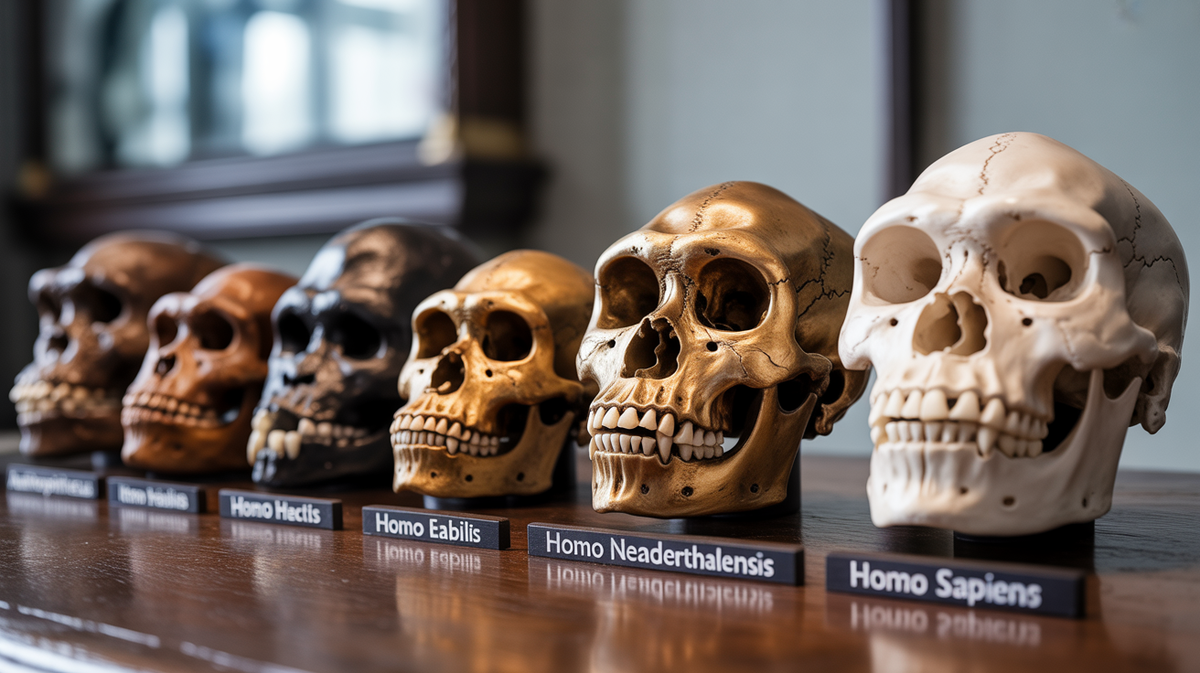
The Deep Time Perspective: Foundations of Our Blueprint
To truly understand the human enigma, we must first confront the extraordinary temporal scale of our development. We are not merely products of recent history but living archives of billions of years of trial, error, and adaptation. Our current physical and mental architecture is largely a legacy of life forms that existed long before recorded history, operating under vastly different environmental pressures.
The core biological imperatives – survival, reproduction, and the efficient allocation of energy – were etched into our genetic code over eons. This means that many of our “irrational” behaviors, our deepest fears, and our most profound desires are not glitches, but rather highly effective, albeit sometimes outdated, strategies for thriving in a world that no longer exists. A non-obvious insight here is the profound “evolutionary lag”: our biology adapts at a glacial pace compared to the exponential acceleration of our technological and social environments. This inherent mismatch is a root cause of many modern dilemmas.
Key Evolutionary Leaps & Their Enduring Impact
Our journey from single-celled organisms to complex beings involved several pivotal transformations, each leaving an indelible mark on who we are today:
- Bipedalism & Upright Stance: The shift to walking on two legs freed our hands for tool use and carrying, enabling efficient long-distance travel and new foraging strategies. The hidden cost? Increased vulnerability to lower back pain and the anatomical challenges of childbirth due to a narrower pelvis. Understanding this ancestral trade-off informs ergonomic design and physical therapy today.
- Brain Expansion & Encephalization: The dramatic increase in brain size, particularly the neocortex, gifted us with unparalleled cognitive abilities: abstract thought, language, complex problem-solving, and foresight. This leap, however, is resource-intensive. Our large brains consume roughly 20% of our resting metabolic energy, a fact that shaped our need for calorie-dense foods and efficient energy acquisition strategies. Modern neuroimaging tools, like those used by researchers at institutions collaborating with the National Institutes of Health (NIH), continue to unravel the complex wiring and function of this remarkable organ, revealing how ancient structures still influence our decisions.
- Dietary Shifts & Gut Biome Development: The move from a primarily vegetarian diet to one incorporating meat and cooked foods was a game-changer, providing the high-quality energy needed to fuel our expanding brains. This also profoundly shaped our digestive system and the human microbiome. Today, the implications of this shift are actively researched by companies like Viome or academic institutions, investigating how our modern processed diets clash with our ancient digestive programming, leading to inflammation and chronic disease.
- Social Structures & Cooperation: Living in groups offered protection, facilitated knowledge transfer, and enabled complex hunting and gathering. This fostered the development of sophisticated social cognition: empathy, theory of mind, and the capacity for large-scale cooperation and competition. This innate drive for social connection is why platforms like Meta Platforms (Facebook, Instagram) or LinkedIn are so profoundly successful – they tap directly into our hardwired need for belonging and status within a group. Conversely, it also explains phenomena like tribalism and “us vs. them” mentalities.
- Ape to Human Evolution Timeline: Charting Primate Ancestry
- Human Evolution: Did We Evolve From Apes?
- Apes and Human Evolution: Uncovering Shared Ancestry
The Mismatch Hypothesis: Ancient Genes, Modern World
Perhaps the most critical practical takeaway from studying human evolution is the Mismatch Hypothesis. Our bodies and minds are still largely optimized for a Pleistocene environment characterized by scarcity, physical activity, immediate threats, and small social groups. We are living with Stone Age bodies in a Space Age world.
This fundamental mismatch manifests in myriad ways:
- Chronic Disease Epidemic: Our genes predispose us to store fat efficiently for times of famine, a disastrous trait in an era of abundant, calorie-dense, and highly palatable processed foods. This contributes to the global rise in obesity, type 2 diabetes, and cardiovascular disease, conditions extensively researched and addressed by initiatives funded by the National Institutes of Health (NIH). Similarly, our “fight or flight” stress response, designed for acute dangers, becomes maladaptive in the face of chronic psychological stress from work demands or information overload, contributing to anxiety and depression.
- Mental Health Challenges: Our need for belonging and social status can be amplified and distorted by constant exposure to curated online personas, leading to feelings of inadequacy or isolation. Our brains, hardwired for natural light cycles (circadian rhythms), struggle with artificial lighting and screen use late into the night, impacting sleep quality, a factor increasingly tracked by wearable health tech like Whoop and Oura Ring.
Unlocking Our Evolutionary Legacy: Practical Applications
Understanding our evolutionary past isn’t just academic; it’s a powerful lens for designing more effective strategies for health, productivity, and well-being in the modern era. This knowledge empowers us to work with our inherent biological predispositions, rather than against them.
- Informed Health & Wellness: Instead of fighting our biology, we can align our lifestyles. This means prioritizing whole, unprocessed foods that more closely resemble our ancestral diet, incorporating varied physical activity into our daily routines, optimizing for natural light exposure, and intentionally managing chronic stress. Many progressive nutrition and fitness companies leverage these evolutionary principles.
- Behavioral Economics & Marketing: Evolutionary psychology provides a robust framework for understanding human decision-making. Companies like Google or Netflix leverage insights into our innate biases, social drives, and cognitive shortcuts to design user interfaces and recommendation algorithms that are intuitively engaging and persuasive. Understanding our drive for scarcity, immediate gratification, or social proof (as seen in reviews or popularity indicators) is key to effective product design and marketing.
- Workplace & Educational Design: Creating environments that cater to our social, cognitive, and physical needs can significantly boost productivity and morale. This includes designing collaborative spaces that foster social connection, providing opportunities for movement, and structuring tasks to accommodate our attention spans and cognitive load. The success of agile methodologies, for example, can be partially attributed to their alignment with our natural tendencies for small-group collaboration and iterative problem-solving.
- Technological Innovation: Developers are increasingly aware of human factors informed by evolutionary insights. For example, UI/UX design often incorporates principles that tap into our visual processing strengths, pattern recognition, and innate emotional responses. Even the success of personalized genetic testing platforms like 23andMe stems from our deep-seated curiosity about our origins and genetic predispositions, providing a modern-day connection to our ancient ancestry.
- Human Evolution History: From Primates to Modern Humans
- Ape to Human Evolution Timeline: Charting Primate Ancestry
- Apes and Human Evolution: Uncovering Shared Ancestry
- Tracing Our Ancestry: A Comprehensive Hominid Timeline
- Human Evolution: Tracing the Incredible Journey
- Human Evolution: Tracing Our Ancestral Journey
- Humans and Apes: Tracing the Evolutionary Link
- Human Evolution: From Fins to Feet
- Early Humans Timeline: Tracing Our Ancestors and Evolution
- Human Evolution: Tracing Our Evolutionary Roots
Cognitive Processes & Biases

The human mind, an intricate marvel of evolution, is engineered for efficiency. Faced with an overwhelming influx of sensory data and decisions, our brains have developed sophisticated shortcuts – cognitive processes – to navigate the world. While these processes are vital for rapid decision-making and survival, they are also the fertile ground from which cognitive biases emerge. These biases are systematic deviations from rationality, often leading to flawed judgments and suboptimal outcomes, even for the most seasoned professionals.
Understanding the Foundation: The Brain’s Efficiency Trade-Off
Our cognitive architecture operates primarily through two systems, as popularized by researchers like Daniel Kahneman: System 1 and System 2. System 1 is fast, intuitive, automatic, and often emotional. It’s responsible for instant reactions and gut feelings. System 2 is slow, deliberate, analytical, and requires conscious effort. While System 2 strives for logical consistency, System 1 often overrides it, especially under pressure or when faced with complexity. Cognitive biases are largely the product of an over-reliance on, or the inherent limitations of, System 1 thinking. Understanding this dual-process model is fundamental to appreciating why even highly intelligent individuals fall prey to predictable patterns of irrationality, a concept widely studied and documented by institutions like the American Psychological Association.
Key Cognitive Biases in Action
Ignoring these biases is not an option; they are hardwired. The key is to recognize them and establish countermeasures. Here are some of the most prevalent biases and their real-world impact:
- Confirmation Bias: The tendency to seek, interpret, favor, and recall information in a way that confirms one’s preexisting beliefs or hypotheses.
- Impact: Prevents objective evaluation, reinforces echo chambers, and leads to poor strategic decisions. A marketing team convinced of a product’s success might only review positive customer testimonials, ignoring critical feedback gathered via platforms like SurveyMonkey, much like algorithms on social media platforms reinforce user preferences by showing similar content. In investing, a trader on platforms like Robinhood or eToro might only seek out news articles that support their current stock holdings, ignoring contradictory data.
- Anchoring Bias: The tendency to rely too heavily on the first piece of information (the “anchor”) offered when making decisions.
- Impact: Skews negotiations, budget allocations, and initial estimations. In project management, the first estimate for a task on a platform like Jira or Asana, even if rough, can unduly influence subsequent, more detailed planning, leading to unrealistic deadlines or resource allocation. Salary expectations in job interviews are another classic example.
- Availability Heuristic: Overestimating the likelihood of events that are easily recalled from memory, often due to their vividness or recency.
- Impact: Leads to misjudgments of risk and probability, favoring familiar over potentially better options. A hiring manager, after a few successful hires from specific universities or companies like Google or Meta, might unconsciously favor candidates from those institutions listed on their LinkedIn profiles, despite equally qualified candidates from other backgrounds being available via Applicant Tracking Systems like Greenhouse or Workday.
- Sunk Cost Fallacy: Continuing an endeavor or investing more resources into it because of past investments (time, money, effort), even when doing so is irrational.
- Impact: Perpetuates failing projects, inefficient processes, and prevents necessary pivots. Companies often fall victim to this by continuing to pour money into outdated legacy IT systems (e.g., custom-built solutions on top of old SAP or Oracle databases) instead of adopting more agile, modern cloud-native architectures, simply because of the massive past investment.
- Framing Effect: The phenomenon where people react to choices based on how they are presented, rather than on their objective characteristics.
- Impact: Influences consumer choices, policy acceptance, and risk perception. A product marketed as “90% fat-free” is perceived more positively than one labeled “contains 10% fat,” even though they are identical. E-commerce sites like Amazon frequently leverage this by displaying an inflated “original price” next to a “discounted price” to make a deal seem more attractive.
- Representative Bias: Understanding Cognitive Shortcuts
- Brain Bias: How Biases Shape Our Reality
- Types of Bias in Psychology: A Complete Guide
- Cognitive Science: An Introduction
- Types of Cognitive Bias: Understanding Distortions in Thinking
- Atkinson-Shiffrin Model: How We Process Memory (1968)
Mitigating Bias: Practical Strategies for Sharper Decisions
Awareness is the first step, but not sufficient. True mastery lies in implementing systems and processes that actively counteract these cognitive pitfalls:
- Implement Structured Decision-Making Frameworks:
Force System 2 thinking. Use clear rubrics for evaluating options, define success metrics before starting, and document assumptions. For product development, this means rigorous specification documents and user story mapping, not just ad-hoc feature requests.
- Actively Seek Dissent and Diverse Perspectives:
Establish “devil’s advocate” roles in meetings or create “red teams” to deliberately challenge prevailing assumptions. If internal diversity is limited, leverage external consultants or freelancers through platforms like Upwork or Toptal to bring fresh, unbiased perspectives to complex problems or project reviews.
- Prioritize Data-Driven Validation Over Intuition:
Before making significant changes, especially in areas like marketing or product features, run A/B tests or controlled experiments. Tools like Optimizely or VWO are indispensable here. Don’t rely on gut feelings when empirical evidence is attainable. This also means regularly reviewing performance dashboards built with tools like Tableau or Microsoft Power BI, focusing on the raw data rather than interpretations.
- Conduct Pre-Mortem Analyses:
Before launching a project or making a major decision, imagine it has already failed catastrophically. Then, work backward to identify all the reasons why. This technique helps uncover potential risks and biases that might otherwise be overlooked due to overconfidence or groupthink.
- Establish Clear Exit Criteria and Stop-Loss Points:
Combat the sunk cost fallacy by defining conditions under which a project or investment will be terminated before it begins. This creates an objective benchmark that prevents emotional attachment from overriding rational decision-making, similar to how sophisticated investors use stop-loss orders in trading.
The Role of Technology in Bias Oversight
Technology is a double-edged sword: it can both perpetuate and mitigate cognitive biases. AI and machine learning algorithms, for instance, can amplify biases present in their training data. However, thoughtfully applied technology can be a powerful ally:
- Algorithmic Audits: Regularly audit AI and ML systems for embedded biases, especially in critical areas like hiring, lending, or law enforcement. This involves specialized tools and ethical AI frameworks to ensure fairness and transparency.
- Structured Collaboration Platforms: Tools like Slack, Microsoft Teams, or Confluence can foster transparency by centralizing discussions and decisions, making it harder for information silos to form and thus reducing the impact of availability heuristic and confirmation bias by making all relevant information broadly accessible.
- Objective Data Presentation: Utilize advanced data visualization tools (e.g., D3.js libraries for custom dashboards) that present information in neutral, interactive ways, allowing users to explore data without being overly influenced by a pre-determined narrative or framing.
Mastering the human enigma means understanding that rationality is not a default state but an active pursuit. By acknowledging our inherent cognitive biases and deliberately implementing practical countermeasures, we can significantly enhance the quality of our decisions, leading to more robust outcomes in every facet of life and business.
- Cognition in Psychology: Understanding How We Think
- Halo Effect Bias: Understanding Its Impact on Perception
- Framing Effect: How Presentation Shapes Decisions
- Anchoring Bias: Real-World Examples and Impact
- Confirmation Bias: Meaning, Examples, & Impact
- Representative Bias: Understanding Cognitive Shortcuts
- Cognitive Scientists: Unraveling the Human Mind
- Behavioral and Cognitive Neuroscience: Bridging Brain and Behavior
- Brain Bias: How Biases Shape Our Reality
- Attention Bias Modification: Rewiring Your Mind for Better Focus
Social Psychology & Classic Experiments

The human experience is not merely an internal monologue; it is fundamentally shaped by our interactions with others and the groups we inhabit. Social psychology provides the empirical framework for understanding these often-invisible forces. As practitioners, it’s not enough to merely know these concepts; we must internalize their implications and apply them strategically. Forget the academic jargon; let’s extract the actionable intelligence from some foundational experiments.
The Milgram Experiment: The Power of Authority and Compliance
Stanley Milgram’s controversial yet profoundly insightful experiments demonstrated the astonishing degree to which individuals obey authority, even when such obedience conflicts with their personal conscience. Participants, acting as “teachers,” were instructed by an “experimenter” to administer increasingly severe electric shocks to a “learner” (an actor) for incorrect answers. Despite audible pleas and simulated pain, a significant percentage continued to administer what they believed were dangerous shocks.
The Core Behavioral Insight:
Humans possess a deep-seated propensity to obey perceived authority, often overriding personal moral codes. The context and the nature of the authority figure profoundly influence behavior.
Practical Business Applications:
- User Experience & Onboarding: Design interfaces that subtly guide users through complex processes, making desired actions feel like the “expected” or “official” path. Platforms like Salesforce and HubSpot use step-by-step onboarding flows with progress indicators and clear calls to action, implicitly guiding new users to adopt core features.
- Compliance & Policy Adherence: Understand that policies are more likely to be followed when communicated by a clear, legitimate authority. Implement compliance training using authoritative figures or well-designed modules (e.g., on platforms like SAP Litmos or Workday Learning) that clearly state expectations and consequences. Tools like ZenGRC help formalize and track compliance processes, adding a layer of perceived authority to internal regulations.
- Leadership & Change Management: Leaders must project clear, consistent authority, not through authoritarianism, but through competence, clarity, and decision-making. During organizational change, senior leadership must be visibly united and consistently communicate the “why,” as seen in successful large-scale transitions at companies like IBM or General Electric.
- Non-Obvious Insight: Authority isn’t just about titles or uniforms. It’s often about perceived expertise, confidence, and the context of the environment. A well-designed, professional-looking website or app (think Stripe‘s clean UI) can convey authority and trustworthiness, subtly influencing user behavior more effectively than overt commands.
- Asch Conformity Experiments: Understanding Social Influence
- Iconic Social Experiments: Unveiling Human Behavior
The Asch Conformity Experiment: The Pressure of the Group
Solomon Asch’s experiments revealed the powerful influence of group pressure on individual judgment. Participants were asked to identify which of three lines matched a standard line. Unbeknownst to the true participant, the other “participants” were confederates instructed to give incorrect answers. A remarkable percentage of true participants conformed to the obviously wrong group answer, even when it contradicted their own clear perception.
The Core Behavioral Insight:
Individuals are highly susceptible to social conformity, often adjusting their opinions or behaviors to align with the perceived group consensus, even against their own better judgment.
Practical Business Applications:
- Social Proof & Marketing: Leverage the “herd mentality” to your advantage. E-commerce platforms like Amazon and Booking.com prominently display “Most Popular,” “X people bought this,” and customer reviews/ratings. Marketing automation tools (e.g., Marketo, Pardot) integrate social sharing metrics and testimonial features to amplify this effect.
- Product Adoption & Virality: Encourage initial users to share their experiences. Success on platforms like TikTok or Instagram often hinges on trends and challenges that encourage user participation and replication, creating a powerful wave of social proof that draws in new users. Even B2B software like Slack or Zoom benefited from word-of-mouth and visible team adoption.
- Team Dynamics & Decision-Making: Be acutely aware of “groupthink” within your teams. During critical decision-making, actively solicit diverse opinions and create safe spaces for dissent. Companies implementing agile methodologies (e.g., Spotify‘s squads) aim to foster environments where direct feedback is encouraged to counteract unconscious conformity.
- Non-Obvious Insight: The power of conformity is not just in numbers but in identity. People are more likely to conform to groups they identify with or aspire to join. Building strong community around your brand (e.g., Lululemon‘s community events, Apple‘s user ecosystem) creates a powerful internal pressure for members to align with shared values and choices.
Cognitive Dissonance Theory: Justifying Our Choices
Proposed by Leon Festinger, cognitive dissonance describes the mental discomfort (dissonance) experienced when holding two or more conflicting beliefs, ideas, or values, or when performing an action that contradicts one’s beliefs. To reduce this uncomfortable state, individuals are motivated to change one of their conflicting elements (often their beliefs) to align with the action or other belief. A classic example is people enjoying a task less when paid more for it, because the high payment removes the need to convince themselves the task was enjoyable.
The Core Behavioral Insight:
Humans strive for internal consistency between their beliefs, attitudes, and behaviors. When inconsistency (dissonance) arises, we are strongly motivated to resolve it, often by rationalizing or changing our beliefs after an action has been taken.
Practical Business Applications:
- Customer Retention & Loyalty: Once a customer has invested time, money, or effort into your product or service, they are more likely to justify that investment. Loyalty programs (e.g., Starbucks Rewards, airlines’ frequent flyer programs) and subscription models (e.g., Netflix, Adobe Creative Cloud) capitalize on this sunk cost. The more engaged a user becomes (e.g., setting up complex workflows in Zapier, customizing a profile on LinkedIn), the harder it is for them to justify switching.
- Sales & Conversion Funnels: Get small commitments first. A free trial (e.g., Canva, Microsoft 365) or asking a customer to configure a preference sets up a micro-commitment. Once a user has taken several small steps, they are more likely to complete the larger action (e.g., purchase, full signup) to avoid the dissonance of “wasting” their prior effort.
- Brand Messaging & Values: Ensure your brand’s messaging consistently aligns with the customer’s perceived self-image or values. If a customer believes they are environmentally conscious and your brand purports to be green, any internal conflict (e.g., finding out your product isn’t as eco-friendly) will cause dissonance, which they might resolve by abandoning your brand or rationalizing your less-green aspects. Companies like Patagonia have built their entire brand around consistent values.
- Non-Obvious Insight: Dissonance doesn’t just occur before or during a decision; it’s often strongest after a purchase or choice. This is why post-purchase reinforcement (e.g., welcome emails, thank you notes, success stories) is crucial. It helps customers rationalize their decision as the “right” one, cementing loyalty and reducing buyer’s remorse, effectively minimizing their internal “why did I do that?” struggle.
- Asch Conformity Experiments: Understanding Social Pressure
- Social Behavioral Psychology: Understanding Human Interaction
- Iconic Social Experiments: Unveiling Human Behavior
- Asch’s Conformity Study: Social Influence Insights
- Zimbardo Experiment: Understanding the Psychology of Power
- Milgram Experiment: Understanding Obedience to Authority
- Obedience in Psychology: Exploring Social Influence
- Conformity Studies: Classic Social Psychology Experiments
- Conformity Experiment: Understanding Social Pressure and Influence
- Stanley Milgram’s Obedience Experiment: A Deep Dive into Authority
Humanistic Psychology & Well-being

Humanistic Psychology is not a soft science; it’s a profound framework for understanding and optimizing human potential, rooted in the belief that individuals possess an inherent drive towards growth and self-fulfillment. As practitioners, our focus shifts from pathology to possibility, from what’s broken to what can be built. This section distills humanistic principles into actionable strategies for enhancing well-being, fostering personal growth, and building resilient, thriving environments.
The Self-Actualization Imperative: Your Internal GPS
Abraham Maslow’s hierarchy isn’t just a diagram; it’s a blueprint for understanding human motivation, culminating in self-actualization – the realization of one’s full potential. This isn’t a destination; it’s a continuous, dynamic process of becoming. For the modern professional, it means aligning your actions with your deepest values and capabilities, not just chasing external validation.
Actionable Strategies for Cultivating Self-Actualization:
- Identify Your Core Values: What truly drives you? Beyond income or status, what principles do you live by? Tools like the Values in Action (VIA) Survey can provide objective insights into your character strengths, a critical first step.
- Embrace Continuous Learning & Skill Acquisition: Self-actualization thrives on growth. Leverage platforms like Coursera, edX, or MasterClass to acquire new knowledge or deepen existing expertise. Dedicate specific time blocks, even just 30 minutes daily, to focused learning.
- Engage in Meaningful Work: If your current role doesn’t fully align with your potential, seek out projects that challenge you, allow for creativity, or contribute to a larger purpose. Many companies now offer internal mobility programs; explore avenues within your organization or consider side projects that utilize untapped skills. Platforms like Upwork or Fiverr can be excellent for testing new capabilities.
- Practice Mindful Self-Reflection: Regular introspection is key. Utilize journaling apps (e.g., Day One) or dedicated meditation practices (e.g., Calm, Headspace) to foster awareness of your thoughts, emotions, and progress. This isn’t merely introspection; it’s a data-gathering exercise on your internal state.
- Seek Peak Experiences: Maslow noted that self-actualizers often report “peak experiences” – moments of intense joy, awe, or profound understanding. Actively seek out experiences that push your comfort zone, expose you to beauty, or connect you deeply with others or nature. This could be anything from mastering a complex project to a challenging wilderness hike.
- Abraham Maslow: Foundations of Humanistic Psychology
- Maslow’s Hierarchy of Needs: Understanding Human Motivation
Client-Centered Principles: Empowering Others (and Yourself)
Carl Rogers’ client-centered approach (now often called person-centered) is built on three core conditions: unconditional positive regard, empathy, and congruence. While born in therapy, these principles are transformative for leadership, mentorship, and even everyday interactions. They shift the dynamic from telling to empowering, from judging to understanding.
Applying Person-Centered Principles in Practice:
- Cultivate Unconditional Positive Regard: This means accepting others as valuable individuals, regardless of their actions or beliefs, especially in a professional context. When a team member makes a mistake, focus on the learning opportunity rather than punitive blame. Companies like Netflix, known for their “radical candor” model, still frame difficult feedback within a context of genuine care and belief in individual growth.
- Practice Empathic Listening: Beyond just hearing words, strive to understand the speaker’s perspective, feelings, and underlying needs. In team meetings, instead of immediately jumping to solutions, pause and ask, “Help me understand your concern more deeply.” Tools like Zoom or Google Meet, with their non-verbal cues (when cameras are on), can facilitate better empathic connection in remote settings.
- Demonstrate Congruence (Authenticity): Be genuine and transparent in your communication. Your words, body language, and actions should align. If you’re feeling frustrated, acknowledge it constructively rather than suppressing it, which can lead to miscommunication. Leaders who admit their own challenges or uncertainties, similar to the leadership philosophy espoused by Satya Nadella at Microsoft, often build stronger trust and psychological safety within their teams.
- Facilitate Self-Direction: Instead of dictating solutions, empower others to find their own answers. In coaching or mentorship, use open-ended questions like “What do you see as the next logical step?” or “How might you approach this challenge?” This fosters ownership and strengthens problem-solving skills.
Psychological Safety: The Bedrock of Collaborative Well-being
A concept championed by Amy Edmondson, psychological safety is the belief that one will not be punished or humiliated for speaking up with ideas, questions, concerns, or mistakes. It’s not about being “nice”; it’s about creating an environment where candid feedback, experimentation, and learning from failure are the norm. This directly supports humanistic aims by allowing individuals to be fully present and authentic without fear of reprisal, crucial for personal and collective well-being.
Building and Sustaining Psychological Safety:
- Model Vulnerability & Fallibility: Leaders must go first. Share your own mistakes, uncertainties, and what you’re learning. When a project goes awry, say, “Here’s what I learned from my part in that…” Companies like Pixar are renowned for their “Braintrust” meetings, where frank, often brutal, feedback is delivered in a context of mutual respect and a shared goal of making the work better.
- Actively Solicit Input: Don’t just ask if anyone has questions; explicitly invite dissenting opinions and critical feedback. Phrase questions like, “What are the potential pitfalls we haven’t considered?” or “Who sees this differently?” Utilize anonymous feedback tools like Culture Amp or Peakon to gather insights that might not surface in public forums.
- Respond Productively to Failure: When errors occur, frame them as learning opportunities. Focus on “what can we learn?” rather than “who is to blame?” Conduct “blameless post-mortems” where the process, not the individual, is analyzed. This is standard practice in high-reliability organizations, from aviation to tech (e.g., Google’s Site Reliability Engineering culture).
- Establish Clear Boundaries & Consequences (Non-Punitive): Psychological safety doesn’t mean a free-for-all. It means addressing non-inclusive behavior (e.g., interrupting, demeaning comments) swiftly and transparently, ensuring everyone feels respected. This reinforces that the environment is safe for everyone to speak up.
- Use Structured Feedback Sessions: Implement regular team retrospectives using tools like Miro or Retrium, allowing individuals to contribute ideas for improvement anonymously or semi-anonymously. These structured formats ensure everyone has a voice and feedback is channeled constructively.
- Abraham Maslow: Foundations of Humanistic Psychology
- Humanistic Psychology: Principles and Positive Connections
- Mindfulness for Stress Relief: Techniques for Calm and Clarity
- Spotify & Headspace: Mindfulness Through Music & Meditation
- Maslow’s Hierarchy of Needs: Understanding Human Motivation
- Headspace and Spotify: Unlock Calm and Improve Well-being
- Headspace Student Subscription: Affordable Mindfulness for Academic Success
- Ayelet Fishbach: The Science of Motivation and Goal Pursuit
- Medito Foundation: Free Meditation for a Calmer Mind
- Mindful Self-Compassion Class: Cultivating Inner Kindness
Applied Psychology & Technology
The Symbiotic Relationship: Psychology Powering Technology
In the modern era, technology is not merely a collection of tools; it is a profound extension of human capability and, increasingly, a mirror reflecting our inner workings. The most impactful technologies are those built upon a deep understanding of human psychology. This isn’t just about making interfaces intuitive; it’s about leveraging principles of cognitive psychology, behavioral economics, and social psychology to design systems that genuinely enhance human experience, influence behavior, and foster desired outcomes. From app notifications to AI-driven mental health support, applied psychology is the invisible engine powering digital innovation.
Key Application Area 1: User Experience (UX) & Persuasive Design
The success of any digital product hinges on how effectively it addresses user needs and engages them psychologically. This is where UX design, deeply rooted in psychological principles, comes to the fore.
- Cognitive Load Reduction: Designers actively work to minimize the mental effort required for users to interact with a system. Principles from the Nielsen Norman Group’s usability heuristics, for instance, guide the creation of clear navigation paths and predictable interactions, preventing frustration.
- Habit Formation & Engagement: Many applications are engineered to encourage repeated engagement. Companies like Duolingo masterfully employ gamification (streaks, badges, leaderboards) and variable rewards to create addictive learning loops, leveraging the principles explored by B.J. Fogg’s Behavior Model (Motivation, Ability, Prompt). Social media platforms, including Instagram and TikTok, utilize infinite scroll and unpredictable content feeds to tap into our reward systems, fostering continuous interaction.
- Choice Architecture & Nudges: E-commerce sites like Amazon and travel booking platforms like Booking.com expertly apply concepts like scarcity (“Only 2 left at this price!”), social proof (“500 people bought this in the last hour!”), and anchoring (showing original price vs. discounted price) to subtly guide purchasing decisions. These “nudges,” derived from behavioral economics, significantly impact conversion rates.
- A/B Testing & Iteration: Platforms such as Optimizely and Google Optimize are critical tools for UX professionals. They allow for the scientific testing of different design elements (e.g., button colors, headline wording, layout changes) to empirically determine which psychological appeals resonate most effectively with user segments, driving higher engagement or conversion. Design tools like Figma and Adobe XD facilitate rapid prototyping based on these psychological insights.
- Human Factors Psychology: Designing for Better Interaction
Key Application Area 2: Mental Health & Well-being Platforms
Technology is democratizing access to mental health support, providing scalable and often personalized interventions.
- Telehealth & Remote Therapy: Platforms like BetterHelp and Teladoc connect individuals with licensed therapists, overcoming geographical barriers and reducing the stigma associated with in-person visits. This leverages the accessibility principle, making psychological support more readily available.
- Mindfulness & Meditation Apps: Applications such as Calm and Headspace employ guided meditations, sleep stories, and breathing exercises rooted in cognitive behavioral therapy (CBT) and mindfulness-based stress reduction (MBSR) techniques. Their structured programs help users manage stress, anxiety, and improve sleep quality.
- AI-Powered Conversational Agents: Chatbots like Woebot and Wysa utilize artificial intelligence to deliver therapeutic techniques (e.g., CBT, dialectical behavior therapy principles) through text-based conversations. They offer immediate, accessible support, helping users track moods, practice coping skills, and challenge negative thought patterns.
- Wearable Technology & Biofeedback: Devices like the Oura Ring, Whoop, and certain Garmin models track biometric data (heart rate variability, sleep stages, activity levels). This data, when presented back to the user, can increase self-awareness regarding stress responses, sleep patterns, and overall well-being, enabling data-informed behavioral changes.
Key Application Area 3: Optimized Learning & Skill Acquisition
Technology has revolutionized education by applying principles of cognitive science to create more effective and personalized learning experiences.
- Adaptive Learning Systems: Platforms such as Coursera, edX, and even K-12 learning tools often employ algorithms that adjust content difficulty and pace based on an individual’s performance and learning style. This personalized approach, rooted in theories of cognitive load and individual differences, optimizes retention and engagement.
- Spaced Repetition & Retrieval Practice: Language learning apps like Duolingo and Anki flashcard systems are built on the psychological principle of spaced repetition, which dictates that information is best remembered when reviewed at increasing intervals. This boosts long-term memory formation and recall efficiency.
- Gamification for Motivation: Beyond just streaks, learning platforms use points, levels, and virtual rewards to maintain learner motivation. Khan Academy, for example, awards “energy points” and badges for completing lessons, tapping into intrinsic motivation and the desire for mastery.
- Immersive Learning: Virtual Reality (VR) and Augmented Reality (AR) are being used for highly immersive training simulations in fields from medicine to aviation. These technologies leverage experiential learning, providing safe environments for skill acquisition and decision-making practice that is difficult or dangerous to replicate in the real world. For instance, surgical training via Osso VR provides realistic, repeatable practice.
Key Application Area 4: Workplace Performance & Engagement
Applied psychology, channeled through technology, is transforming how organizations manage teams, foster productivity, and enhance employee well-being.
- Collaboration & Communication Tools: Platforms like Slack and Microsoft Teams are designed to facilitate seamless communication, reduce cognitive switching costs, and create a sense of team cohesion. Features like channel organization and quick reactions tap into social psychology to streamline interactions.
- Performance Management & Feedback Systems: HR technology platforms such as Workday and SAP SuccessFactors integrate psychological principles to foster continuous feedback loops, goal setting, and performance recognition. These systems aim to leverage positive reinforcement and clear objectives to motivate employees. Companies like Glint and Culture Amp focus specifically on employee sentiment, using surveys and analytics rooted in organizational psychology to identify engagement drivers and potential burnout risks.
- Project Management & Task Organization: Tools like Asana and Jira visually break down complex projects into manageable tasks, provide clear ownership, and allow teams to track progress. This leverages principles of goal setting, chunking, and immediate feedback, which are known to enhance focus and productivity.
- Well-being & Burnout Prevention: Some corporate wellness programs integrate apps and wearable tech to encourage healthy habits among employees. Furthermore, analytics from HR platforms can identify patterns (e.g., excessive overtime, high stress scores) that indicate a risk of burnout, allowing for proactive psychological interventions.
Ethical Imperatives & The Human-Centric Future
While the application of psychology in technology offers immense benefits, it also carries significant ethical responsibilities. The power to influence behavior must be wielded with integrity and transparency.
- Avoiding “Dark Patterns”: The use of psychological principles to trick or manipulate users into unintended actions (e.g., hidden fees, forced continuity, privacy shaming) is a critical concern. Regulations like GDPR and CCPA are responses to the misuse of psychological tactics and personal data. Industry leaders and ethical design advocates are pushing for a greater emphasis on human-centered design that prioritizes user well-being over purely commercial metrics.
- Data Privacy & Security: As technology collects vast amounts of psychological data (mood, behavior patterns, health metrics), robust privacy protocols are paramount. Companies like Apple have positioned themselves on strong privacy stances, recognizing the psychological impact of perceived data vulnerability.
- Mitigating Addiction & Overuse: The very psychological principles used to enhance engagement can, if unchecked, contribute to technology addiction. Responsible design increasingly includes features like screen time limits (Google’s Digital Wellbeing, Apple’s Screen Time), mindfulness prompts, and “take a break” nudges to promote healthier digital habits.
- Bias in AI & Algorithms: AI systems, often trained on human data, can inadvertently perpetuate or amplify existing societal biases, with significant psychological consequences (e.g., algorithmic discrimination in hiring, credit scoring). Addressing this requires diverse data sets, transparent algorithms, and ethical oversight.
The future of technology is inextricably linked to our evolving understanding of the human mind. By applying psychological insights responsibly and ethically, we can build tools that truly empower individuals, foster well-being, and unlock humanity’s potential.
- Brain-Computer Interfaces: Bridging Mind and Machine
- Engineering Psychology: Designing for a Better Human Experience
- Human Factors Psychology: Designing for Better Interaction
- Association for Contextual Behavioral Science: Advancing Mind & Behavior
- Talkspace with Insurance: Affordable Online Therapy
- Top Biohackers: Shaping the Future of Human Enhancement
- Tim the Biohacker: Human Optimization and Biohacking
- Biohacking on Reddit: Trends, Nootropics, and Community Insights
- Apple Watch Mindfulness: Apps, Tips & Daily Practice for Beginners
- Neuralink: A Comprehensive Guide to Brain-Computer Interfaces
Physical Health & Longevity

The Unshakeable Foundation: Sleep, Hydration, & Stress Management
Longevity isn’t merely about avoiding disease; it’s about optimizing cellular function and systemic resilience. Many overlook the foundational elements, opting for complex interventions before mastering the basics. This is a critical error.
- Prioritize High-Quality Sleep: This is non-negotiable. Aim for 7-9 hours of consistent, uninterrupted sleep per night. Focus on sleep hygiene: a cool, dark room, consistent sleep schedule, and avoiding screens an hour before bed. Tools like the Oura Ring or Whoop strap provide invaluable data on sleep stages (REM, deep sleep), heart rate variability (HRV), and recovery metrics, allowing you to fine-tune your routine. Understanding your personal chronotype can also optimize your daily energy peaks.
- Master Hydration: Water is the solvent for all biological processes. Chronic dehydration impacts mood, cognitive function, energy levels, and metabolic efficiency. A simple rule of thumb is to drink half your body weight in ounces daily, adjusting for activity and climate. Don’t rely on thirst; it’s often a lagging indicator. Keep a reusable water bottle from brands like Hydro Flask or Stanley visible as a constant reminder.
- Integrate Effective Stress Management: Chronic stress is a silent killer, elevating cortisol and inflammation, accelerating cellular aging, and impairing immune function. Techniques range from daily meditation (apps like Calm or Headspace are excellent starting points) to targeted breathwork exercises, spending time in nature, or engaging in hobbies. The goal isn’t to eliminate stress but to build resilience and develop effective coping mechanisms, actively down-regulating your nervous system.
- VO2 Max: Peter Attia’s Guide to Optimizing Longevity
Optimizing Movement: Beyond Just “Exercise”
Movement is medicine, but not all movement is created equal. A truly robust longevity strategy incorporates diverse forms of physical activity, not just hitting the gym sporadically.
- Embrace Strength Training: Muscle mass is a leading predictor of longevity. Aim for 2-3 full-body strength sessions per week, focusing on compound movements (squats, deadlifts, presses, rows). Bodyweight exercises using systems like TRX, or free weights at a well-equipped gym, are highly effective. This builds lean mass, improves bone density, and enhances metabolic health.
- Target Cardiovascular Health with Zone 2 Cardio: While high-intensity interval training (HIIT) has its place, consistent Zone 2 cardio (an intensity where you can comfortably hold a conversation, typically 60-70% of max heart rate) is crucial for mitochondrial health, fat oxidation, and cardiovascular endurance. Think brisk walking, light jogging, cycling, or using equipment like a Peloton or NordicTrack at a moderate pace for 30-60 minutes, 3-4 times a week.
- Maximize Non-Exercise Activity Thermogenesis (NEAT): Don’t underestimate the power of daily movement outside of structured workouts. Aim for 7,000-10,000 steps daily. Take the stairs, walk during phone calls, park further away. Wearable devices like the Apple Watch or Garmin can track your NEAT and encourage consistent activity. This combats the sedentary risks of modern life.
- Prioritize Flexibility & Mobility: As we age, range of motion often diminishes, leading to stiffness and increased injury risk. Incorporate daily stretching, yoga, or mobility drills using tools like a foam roller or lacrosse ball. This maintains joint health and functional independence.
Precision Nutrition: Fueling Longevity
Nutrition is highly individualized, but core principles rooted in scientific evidence provide the framework for optimal health and longevity.
- Focus on Whole, Unprocessed Foods: Prioritize nutrient-dense foods: colorful fruits and vegetables, lean proteins (fish, poultry, legumes), healthy fats (avocado, nuts, olive oil), and complex carbohydrates. Minimize ultra-processed foods, refined sugars, and industrial seed oils, which drive inflammation and metabolic dysfunction.
- Optimize Protein Intake: Adequate protein (typically 0.7-1.0 gram per pound of lean body mass) is vital for muscle protein synthesis, satiety, and maintaining metabolism. Distribute protein intake throughout the day. Apps like MyFitnessPal or Cronometer can help track macronutrient ratios.
- Leverage Personalization & Data: Generic diet advice is often ineffective. Consider using genetic tests like 23andMe (for genetic predispositions, not prescriptive diets) or advanced blood work through providers like Quest Diagnostics or LabCorp to understand your unique metabolic profile, inflammation markers (e.g., highly sensitive CRP), and micronutrient deficiencies. Platforms like Levels Health or NutriSense provide continuous glucose monitoring (CGM) for real-time insights into your body’s response to different foods.
- Strategic Supplementation: Supplements are not a substitute for a healthy diet. However, specific supplements can fill gaps. Common examples include Vitamin D3 (especially for those with limited sun exposure, confirmed by blood test), Omega-3 fatty acids (EPA/DHA for inflammation), and potentially creatine for muscle strength and cognitive benefits. Always consult with a healthcare professional before starting new supplements.
- Implement Practical Meal Management: Consistency is key. Utilize meal prepping services like Factor or Blue Apron for convenient healthy options, or dedicate time each week to batch cooking. This reduces decision fatigue and ensures nutritious meals are always available.
Mastering Recovery & Regeneration
The gains from exercise and disciplined nutrition are made during recovery. Ignoring this phase is a common mistake that leads to burnout, injury, and stalled progress.
- Prioritize Active Recovery: Don’t just rest; actively recover. Light walks, gentle stretching, or foam rolling sessions on off-days increase blood flow and aid muscle repair. Tools like Theragun or Hyperice massage guns can provide targeted muscle relief.
- Cultivate Mind-Body Practices: Beyond formal meditation, simple practices like deep diaphragmatic breathing, body scans, or spending time in nature can significantly lower cortisol and enhance physical recovery. These practices activate the parasympathetic nervous system, shifting your body into a “rest and digest” state.
- Utilize Targeted Recovery Tools: Invest in tools that support recovery. Beyond foam rollers and massage guns, consider cold plunges or contrast therapy for inflammation reduction, or even simple Epsom salt baths for muscle relaxation.
- Seek Professional Interventions When Needed: Don’t hesitate to consult with physical therapists (e.g., at clinics like ATI Physical Therapy), chiropractors, or sports massage therapists for persistent aches, injuries, or to optimize biomechanics. Proactive intervention prevents minor issues from becoming major problems.
Proactive Health Monitoring & Data-Driven Insights
Modern longevity strategies move beyond reactive symptom management to proactive, data-informed health optimization.
- Regular Medical Check-ups: Schedule annual physicals. This allows your primary care physician to establish baselines, track trends, and address emergent concerns early.
- Advanced Biomarker Testing: Go beyond the basic lipid panel. Request tests for highly sensitive C-reactive protein (hs-CRP) for inflammation, homocysteine, Lp(a), advanced lipid particle testing (LDL-P), comprehensive hormone panels (thyroid, sex hormones), and key micronutrients (e.g., Vitamin B12, Magnesium, Vitamin D). Providers like Quest Diagnostics and LabCorp offer these, often requiring a doctor’s order.
- Understand Genetic Predisposition: While not deterministic, services like 23andMe or AncestryDNA can provide insights into genetic predispositions for certain conditions (e.g., APOE4 gene for Alzheimer’s risk). This knowledge empowers you to tailor lifestyle interventions to mitigate risks, rather than waiting for symptoms.
- Leverage Continuous Monitoring Technology: Beyond CGMs (Levels Health, NutriSense), utilize smartwatches from brands like Apple Watch or Garmin to track resting heart rate, heart rate variability (HRV), and sleep metrics. Consistently monitoring these biomarkers offers early warning signs of stress, illness, or overtraining, allowing for timely adjustments.
Common Pitfalls & Practical Safeguards
Even with the best intentions, individuals often fall prey to common mistakes that derail their longevity efforts. Awareness is the first step to avoidance.
- The “Quick Fix” Fallacy: There are no shortcuts to sustained health. Avoid fads, extreme diets, or miracle pills. Longevity is built on consistent, fundamental habits, not ephemeral trends. Real results compound over time, like an investment.
- Ignoring Sleep & Stress: Many individuals meticulously track macros and workouts but utterly neglect sleep quality and chronic stress. These two factors can nullify the benefits of even the most disciplined diet and exercise regimen, directly impacting hormonal balance and systemic inflammation.
- Nutritional Dogma vs. Bio-Individuality: Blindly following a popular diet (keto, vegan, paleo) without considering your unique needs, genetics, and preferences can lead to deficiencies or unsustainability. Use data (blood tests, CGM) and listen to your body’s signals to find what truly works for you.
- Over-Reliance on Wearables Without Action: Collecting data from your Whoop or Apple Watch is useless if you don’t interpret it and take corrective action. Use the insights to adjust your training, prioritize rest, or seek professional advice, rather than just admiring the numbers.
- Neglecting Proactive Screening: Many wait until symptoms arise to consult a doctor. Regular cancer screenings (e.g., colonoscopy, mammogram, prostate exams) and cardiovascular health assessments are crucial. Early detection dramatically improves outcomes for many life-threatening conditions. Your annual physical is a minimum, not a maximum.
- VO2 Max: Peter Attia’s Guide to Optimizing Longevity
- Male Longevity: Strategies for a Longer, Healthier Life
- The Lancet on Healthy Longevity: Advancing Research
- Muscle Mass & Longevity: Maintaining Strength for a Longer Life
- Goldstar Longevity & Wellness: Pathways to Extended Health
- VO2 Max & Longevity: A Metric for Longer Life?
- Height and Longevity: Does Height Impact Lifespan?
- Reddit’s Longevity Debates: Community Insights
- Global Life Expectancy: Trends and Factors
- Human Body Limits: Pushing the Extreme Capabilities
Health Sciences & Medical Fields
The human body and mind are complex systems, and unlocking their secrets requires a multi-faceted approach. Health sciences and medical fields provide the foundational frameworks, advanced technologies, and practical interventions that allow us to delve into this enigma. This isn’t just about treating illness; it’s about understanding the intricate dance of our biology, the mechanics of our thoughts, and the potential for optimization.
Decoding the Body’s Blueprint: Genomics & Proteomics
Our fundamental understanding of the human enigma begins at the molecular level. Genomics, the study of our entire DNA sequence, and proteomics, the study of proteins, are revolutionizing how we comprehend predispositions, disease mechanisms, and even personalized responses to therapies. Companies like Illumina and Pacific Biosciences (PacBio) provide the high-throughput sequencing technologies that make large-scale genomic studies possible, while advancements in mass spectrometry allow for detailed proteomic analysis.
- Unlocking Predispositions: Genetic sequencing can identify genetic variants associated with an increased risk for conditions like certain cancers, cardiovascular diseases, or neurodegenerative disorders. For instance, specific mutations in the BRCA1/2 genes are well-known indicators for increased breast and ovarian cancer risk.
- Pharmacogenomics: This rapidly expanding field uses an individual’s genetic profile to predict their response to specific medications. This can prevent adverse drug reactions and optimize treatment efficacy. For example, the effectiveness of certain antidepressants or blood thinners can be influenced by specific genetic markers.
- Beyond DNA: Epigenetics: While our DNA blueprint is largely fixed, epigenetics, the study of heritable changes in gene expression that do not involve changes to the underlying DNA sequence, reveals how lifestyle, environment, and even psychological states can turn genes “on” or “off.” This offers a powerful lens into how our choices shape our biological reality.
- Leading Health Experts: Insights & Advice
- Community Healthcare: Health Science North Innovations
Non-Obvious Insight: Consumer genetic tests from companies like 23andMe or AncestryDNA offer intriguing insights into ancestry and some health predispositions. However, understand that these are recreational tools. For clinical decisions, a board-certified genetic counselor or a medical professional using validated clinical-grade sequencing from specialized labs (e.g., Invitae, Myriad Genetics) is essential. The distinction between a “risk factor” and a “diagnosis” is critical.
Visualizing the Invisible: Advanced Diagnostics & Imaging
To truly understand the body and mind, we need to see what’s happening beneath the surface, often in real-time. Modern diagnostic and imaging techniques provide unprecedented views into our anatomy and physiology.
- Structural Imaging: Techniques like MRI (Magnetic Resonance Imaging) and CT (Computed Tomography) scans, pioneered by companies like Siemens Healthineers, GE Healthcare, and Philips Healthcare, provide detailed structural images of organs, bones, and soft tissues, invaluable for identifying tumors, injuries, or anatomical abnormalities.
- Functional Imaging: fMRI (functional MRI) measures brain activity by detecting changes in blood flow, revealing which brain regions are active during specific tasks or cognitive states. PET (Positron Emission Tomography) scans can track metabolic activity or the distribution of specific molecules, crucial for understanding neurological disorders like Alzheimer’s or Parkinson’s.
- Wearable Biometrics: Consumer devices from companies like Apple (Apple Watch), Whoop, and Garmin have democratized access to personal biometric data. They can track heart rate variability (HRV), sleep patterns, activity levels, and even detect early signs of conditions like atrial fibrillation. While not medical devices, the continuous, longitudinal data they provide offers invaluable insights into personal health trends and responses to lifestyle changes.
Actionable Takeaway: Leverage wearable technology for personal health trends, but always cross-reference significant findings with clinical-grade diagnostics and medical professionals. Do not self-diagnose based solely on wearable data.
Tailoring Treatment: The Rise of Precision Medicine
The era of “one-size-fits-all” medicine is rapidly fading. Precision medicine, also known as personalized medicine, uses an individual’s unique genetic makeup, lifestyle, and environmental factors to guide diagnostic, preventive, and therapeutic strategies.
- Targeted Therapies: In oncology, for example, companies like Roche and Novartis develop drugs that specifically target cancer cells with particular genetic mutations, sparing healthy cells and leading to more effective treatments with fewer side effects. This relies on advanced molecular diagnostic companies like Foundation Medicine or Tempus that profile tumors for specific biomarkers.
- Individualized Drug Dosing: Pharmacogenomics helps tailor drug dosages based on how an individual metabolizes certain medications. This is particularly relevant for drugs with narrow therapeutic windows, preventing both under-dosing and toxicity.
- Predictive and Preventive Strategies: By understanding individual risks, precision medicine allows for highly personalized preventive strategies. This could include targeted screenings, specific dietary recommendations, or tailored exercise regimens to mitigate identified genetic predispositions.
Non-Obvious Insight: Precision medicine extends beyond genomics. It encompasses a holistic view, integrating microbiome data, metabolomics, lifestyle factors, and even social determinants of health to create a truly individualized health profile. The integration of these diverse data sets is the next frontier.
Mapping the Mind: Neuroscience & Cognitive Health
The brain remains the ultimate frontier in understanding the human enigma. Neuroscience and cognitive health fields are tirelessly working to unravel its mysteries, from basic neural function to complex consciousness and mental well-being.
- Brain Imaging for Function: As mentioned, fMRI is crucial for mapping brain activity during cognitive tasks, helping researchers understand conditions like depression, anxiety, and neurodevelopmental disorders. EEG (Electroencephalography) provides real-time insights into electrical brain activity, useful for diagnosing epilepsy or sleep disorders.
- Neuroplasticity & Interventions: Research into neuroplasticity—the brain’s ability to reorganize itself by forming new neural connections—underpins many cognitive interventions. Techniques like Transcranial Magnetic Stimulation (TMS), offered by companies like MagVenture, are used to treat depression by stimulating specific brain regions. Neurofeedback, using tools from providers like BrainMaster Technologies, trains individuals to self-regulate brain activity.
- Brain-Computer Interfaces (BCIs): Though still largely experimental, companies like Neuralink and academic institutions are pushing the boundaries of BCIs, aiming to restore motor function for paralyzed individuals or even enhance cognitive capabilities. This emerging field promises a direct bridge between thought and action.
Practical Application: Engaging in mentally stimulating activities, learning new skills, and maintaining social connections are evidence-based methods supported by neuroscience to promote cognitive health and leverage neuroplasticity throughout life.
The Data Revolution: AI & Machine Learning in Healthcare
The sheer volume of data generated in health sciences—from genomic sequences to imaging scans and electronic health records (EHRs)—necessitates powerful analytical tools. Artificial Intelligence (AI) and Machine Learning (ML) are transforming these fields, accelerating discovery and improving patient care.
- Enhanced Diagnostics: AI algorithms are proving adept at analyzing medical images (e.g., X-rays, MRIs) with speed and accuracy, often identifying subtle patterns missed by the human eye. Companies like Aidoc and Google Health are developing AI tools for radiology, pathology, and ophthalmology.
- Drug Discovery & Development: AI is dramatically speeding up the notoriously slow and expensive process of drug discovery. Platforms from companies like BenevolentAI and Recursion Pharmaceuticals use AI to analyze vast datasets, identify potential drug candidates, and predict their efficacy and toxicity, significantly reducing research timelines.
- Predictive Analytics in Patient Care: ML models can analyze EHR data from systems like Epic Systems and Cerner to predict patient deterioration, identify individuals at high risk for certain conditions, or optimize treatment plans. This allows for proactive interventions, improving patient outcomes and resource allocation.
Critical Consideration: While AI offers immense promise, it is a tool, not a replacement for human expertise. Ethical considerations, data privacy (governed by regulations like HIPAA in the US and GDPR in Europe), and the potential for algorithmic bias remain paramount.
Navigating Your Health Journey: Actionable Insights for the Practitioner
As an informed individual, understanding these fields empowers you to navigate your own health journey more effectively. Here’s how to engage with health sciences and medical fields:
- Be a Proactive Participant, Not a Passive Recipient: Ask questions, understand your diagnoses, and be an active partner in your treatment plan. Don’t hesitate to seek a second opinion, especially for major health decisions.
- Verify Information: In an age of abundant (and often misleading) health information, always verify sources. Rely on reputable institutions like the National Institutes of Health (NIH), the Centers for Disease Control and Prevention (CDC), or academic medical centers like Mayo Clinic or Johns Hopkins Medicine. Peer-reviewed scientific literature platforms like PubMed or systematic review databases like the Cochrane Library are invaluable.
- Understand the Limits of Consumer Tests: While fascinating, direct-to-consumer genetic tests, microbiome kits (e.g., Viome, ThryveInside), and many at-home biomarker tests provide insights, not diagnoses. Their clinical utility is often limited, and results should always be discussed with a qualified healthcare professional.
- Protect Your Health Data: Understand how your personal health information is collected, stored, and used. Be cautious about sharing sensitive data with unverified apps or platforms. Familiarize yourself with your rights under data protection laws.
- Embrace Lifelong Learning: The fields of health sciences and medicine are constantly evolving. Stay curious, read credible science journalism, and maintain an open mind to new discoveries, while also applying a critical, evidence-based lens.
The human enigma is vast, but through the rigorous lens of health sciences and medical innovation, we are steadily unlocking its profound secrets, paving the way for a future of enhanced well-being and deeper self-understanding.
- Health Physics: Protecting Humanity from Radiation
- Allied Health Careers: Exploring Health Sciences Services
- Health Sciences Institutions: Rapti Academy and Beyond
- Community Healthcare: Health Science North Innovations
- Medical Education: Tomo Riba Institute and Global Health Sciences
- Human Liver Physiology: A Comprehensive Guide
- Human Performance Specialist: Careers and Impact
- Amgen: Pioneering Biotechnology and Human Health
- Shawn Willsey: Pioneering Human Genetics Research
- Specialized Dental Majors: Impact on Oral Health
Societal & Cultural Dynamics

The human experience is not lived in a vacuum. Our biology and psychology are constantly interacting with, and being shaped by, the societal structures and cultural narratives that envelop us. Ignoring these dynamics is akin to designing a high-performance engine without accounting for the fuel quality or the road conditions it will encounter. This section dives into the tangible impacts of society and culture on our body and mind, offering clear insights and actionable perspectives.
The Silent Architects: Norms, Stress & Performance
Societal norms and cultural expectations act as powerful, often invisible, forces dictating our behavior, stress levels, and even our physiological responses. The relentless pursuit of productivity, often lauded as “hustle culture,” is a prime example. In environments that value constant connectivity and long hours, like certain sectors within Silicon Valley or investment banking firms such as Goldman Sachs, chronic stress becomes an endemic issue, leading to increased cortisol levels, sleep deprivation, and higher rates of burnout. Contrast this with countries like Denmark or companies like Patagonia, which actively promote work-life balance, often resulting in lower stress markers and higher employee retention.
Non-Obvious Insight: Societal stress isn’t just about individual deadlines; it’s often a systemic issue embedded in company policies and cultural values. For instance, the expectation of immediate email responses, often a de facto policy in many modern corporations, contributes significantly to a constant state of hyper-vigilance, impacting the nervous system.
Diet, Lifestyle & Cultural Palates
What we eat, how much we move, and our overall lifestyle choices are profoundly influenced by our cultural background and the globalized food ecosystem. The proliferation of ultra-processed foods, championed by global brands like McDonald’s and Coca-Cola, has reshaped dietary habits across continents, contributing to rising rates of obesity, type 2 diabetes, and cardiovascular diseases. Conversely, traditional diets, such as the widely studied Mediterranean diet, demonstrate the protective effects of cultural foodways emphasizing whole grains, healthy fats, and fresh produce.
The cultural shift towards convenience has also manifested in a sedentary lifestyle. While traditional societies often involved significant physical activity as part of daily life, modern Western cultures, fueled by remote work platforms like Zoom and entertainment services like Netflix, frequently involve prolonged sitting. This “sitting disease” is a direct cultural consequence, impacting metabolism and musculoskeletal health globally.
Practical Takeaway: Understand that your “normal” diet and activity level are highly cultural constructs. Seek out traditional, less processed dietary patterns. Companies like Whole Foods Market or the growing accessibility of plant-based alternatives from brands like Beyond Meat reflect a cultural counter-movement towards healthier, more mindful consumption.
Digital Echo Chambers: Social Media & Cognitive Bias
The digital revolution has introduced unprecedented societal dynamics, fundamentally altering our social interactions, self-perception, and cognitive processes. Platforms like TikTok, Instagram, and X (formerly Twitter), designed with addictive algorithms, can foster echo chambers that reinforce existing beliefs, amplify misinformation, and contribute to confirmation bias. The constant stream of curated content can lead to increased anxiety, depression, and body image issues, particularly among younger demographics.
Moreover, the ubiquitous presence of digital devices affects our attention spans and critical thinking. The “always-on” culture, facilitated by smartphone integration with work and social life, blurs boundaries and makes true mental downtime rare. Conversely, the rise of digital wellness tools like the sleep tracking features in the Apple Watch or dedicated health apps like Calm and Headspace indicates a growing cultural awareness of these issues, offering digital solutions to digital problems.
Actionable Strategy: Implement “digital hygiene” practices. This might involve scheduled screen-free times, turning off notifications from non-essential apps (e.g., on platforms from Meta), or utilizing device usage dashboards to monitor and reduce screen time. Cultivate critical media literacy to identify and counter cognitive biases amplified by social media algorithms.
Healthcare Paradigms & Access Equity
The societal organization of healthcare profoundly impacts individual well-being and longevity. Cultural beliefs about health, illness, and the body also shape how individuals perceive symptoms, seek treatment, and adhere to medical advice. For instance, the private health insurance model prevalent in the United States, often featuring high deductibles and co-pays from providers like Blue Cross Blue Shield, creates significant access barriers for many, leading to delayed care and worse health outcomes for low-income populations. In contrast, universal healthcare systems, such as the NHS in the UK or the model in Canada, aim to reduce financial barriers to care, although they may face different challenges like wait times.
Beyond access, cultural stigmas surrounding mental health or certain illnesses can prevent individuals from seeking necessary help. In many cultures, admitting to mental health struggles is seen as a weakness, delaying diagnoses and treatment for conditions that could be managed effectively with support from organizations like the National Alliance on Mental Illness (NAMI) or local therapy services.
Key Insight: True health equity requires not just medical advances but also societal policies that dismantle access barriers and cultural shifts that de-stigmatize conditions and empower individuals to advocate for their health within their specific healthcare paradigm.
Work-Life Integration: A Cultural Construct
The concept of “work-life balance” has evolved into “work-life integration,” reflecting a cultural shift facilitated by technology. The rise of remote and hybrid work models, spurred by the pandemic, has blurred the lines between professional and personal life. Companies like Atlassian and GitLab have championed fully distributed workforces, proving that productivity doesn’t require a physical office. This shift, while offering flexibility, also presents challenges related to maintaining boundaries and preventing work from encroaching on personal time.
Cultural attitudes towards leisure, rest, and personal pursuits directly affect the adoption and success of these new work models. Countries with strong traditions of leisure time, such as Germany with its “Feierabend” culture or Scandinavian nations promoting a healthy work-life balance, are often quicker to adopt policies like the four-day work week being trialed by companies like Microsoft and advocated by organizations like the 4 Day Week Global Foundation.
Practitioner’s View: The ideal work arrangement is a fluid cultural construct. Organizations that succeed in the future will be those that understand their workforce’s cultural context and implement policies (e.g., flexible hours, unlimited PTO, mental health days) that genuinely support integration rather than just lip service, as exemplified by the wellness programs offered by progressive employers like Google or Unilever.
- Cultural Revolutions & Evolution: How Societies Changed
- Socrates the Philosopher: Life, Wisdom, and Enduring Legacy
- Behavioral Social Sciences: How Society Shapes Us
- Behavioral Sociology: How Social Context Shapes Actions
- American Behavioral Scientist: Pioneering Minds
- Social & Behavioral Science: Understanding Humanity
- Nietzsche on Religion: God, Morality, and the Human Condition
- Mass Hysteria: Understanding Psychology, History & Cases
- Understanding Human Behavior: A Sociological Perspective
- Nietzsche on Religion: God, Morality, and the Human Condition
- American Behavioral Scientist: Pioneering Minds
General Natural Sciences
To genuinely unlock the secrets of the body and mind – the ‘Human Enigma’ – we must first establish a firm grounding in the natural sciences. This isn’t about academic theory; it’s about understanding the fundamental rules that govern our biological machinery and mental processes. Dismissing these core principles is akin to building a skyscraper without understanding gravity or material science. Our aim here is to provide a practical lens through which to view these disciplines, highlighting their direct utility in self-understanding, optimization, and problem-solving.
Biology: The Foundation of Being
At its core, the human body is an intricate collection of cells, tissues, and organs. Understanding fundamental cellular biology is paramount. This encompasses cellular energy production (especially mitochondrial function), waste removal, repair mechanisms, and intercellular communication. Every function, from thought to muscle contraction, begins at the cellular level.
- Practicality: Cellular health directly dictates your energy levels, resilience to stress, and susceptibility to chronic conditions. Strategies to optimize cellular function include targeted nutrient intake, managing inflammation, and reducing environmental toxin exposure. Think of how meticulous biotech firms optimize cell cultures for drug discovery – your cells demand similar attention.
- Non-Obvious Insight: The body’s incredible capacity for self-repair and adaptation is deeply rooted in these cellular mechanisms. Many pervasive, chronic issues aren’t simple ‘organ failures’ but rather a cumulative result of sustained cellular dysfunction or overwhelm, often years in the making.
- Unique Animals: Discover Earth’s Most Extraordinary Creatures
Genetics: Your Unique Blueprint
Our genetic code provides a powerful blueprint, outlining predispositions, strengths, and sensitivities. It’s crucial to distinguish between genetic predisposition and destiny. Your genes load the gun, but your lifestyle pulls the trigger.
- Practicality: Consumer genetic testing services like 23andMe or AncestryDNA can offer insights into ancestry, health predispositions (e.g., metabolic pathways, nutrient absorption quirks), and even behavioral traits. While these are not diagnostic tools, they can inform personalized approaches to diet, exercise, and environmental choices. For deeper, clinical applications, advanced genetic sequencing and pharmacogenomics (understanding drug responses based on genetics) are utilized by specialized medical institutions.
- Non-Obvious Insight: The profound impact of epigenetics. This field reveals how lifestyle factors (diet, stress, exercise, sleep, environment) can “turn genes on or off” without altering the underlying DNA sequence. This means you have significant agency over how your genetic blueprint expresses itself, making lifestyle interventions incredibly powerful for long-term health and performance.
Neuroscience: The Mind’s Hardware and Software
Understanding the brain’s structure, neurochemistry, neural pathways, and their plasticity is fundamental to comprehending cognition, emotion, behavior, and mental well-being. This discipline bridges the physical and the psychological, revealing the biological underpinnings of our subjective experience.
- Practicality: Insights from neuroscience inform strategies for enhancing cognitive function, managing stress, regulating emotions, and fostering resilience. Techniques like mindfulness and cognitive behavioral therapy (CBT), often found on platforms like Calm or Headspace, are rooted in neurological principles of attention and emotional regulation. Brain imaging technologies like fMRI and EEG, while primarily research tools, highlight areas of brain activity and connectivity, informing therapeutic approaches like neurofeedback (e.g., systems used by clinics or companies like BrainPaint).
- Non-Obvious Insight: The brain is not static; it’s profoundly plastic. Neuroplasticity means your brain is constantly rewiring itself based on your experiences, thoughts, and habits. This implies that learning new skills, breaking old habits, or recovering from neurological injury are not just possible, but biologically wired. Furthermore, the gut-brain axis is a critical, often underestimated, bidirectional communication pathway influencing mood, cognition, and overall neurological health.
Physiology: The Interconnected Systems
Physiology is the study of how the body’s systems (cardiovascular, respiratory, endocrine, digestive, musculoskeletal, immune, nervous) work together and maintain homeostasis – the dynamic equilibrium vital for survival and optimal function.
- Practicality: Applied physiology is crucial for performance optimization, understanding the root causes of symptoms, and developing effective recovery strategies. Wearable technologies from companies like Apple (Apple Watch), Garmin, and Fitbit monitor vital physiological data such as heart rate, sleep patterns, and activity levels, providing actionable feedback. Routine blood tests, processed by major labs like LabCorp or Quest Diagnostics, offer critical snapshots of hormone levels, metabolic markers, and organ function, guiding interventions.
- Non-Obvious Insight: The body operates as a complex, integrated network, not a collection of isolated silos. A dysfunction in one system (e.g., chronic stress impacting the endocrine system) will inevitably cascade and manifest as issues in seemingly unrelated areas (e.g., digestive problems, fatigue, impaired immunity). True health optimization requires a holistic view of systemic interplay.
Biochemistry: The Chemistry of Life
Biochemistry delves into the chemical processes and substances that occur within living organisms. This includes understanding metabolic pathways, nutrient utilization, enzyme functions, and the intricate roles of macronutrients (carbohydrates, fats, proteins) and micronutrients (vitamins, minerals) in sustaining life.
- Practicality: A grasp of biochemistry is essential for informed nutritional choices, understanding the efficacy and necessity of supplements, and supporting the body’s detoxification pathways. Nutritional tracking apps like Cronometer or MyFitnessPal can help log intake, but understanding the underlying biochemical needs for specific vitamins (e.g., the role of Vitamin D in immune regulation and bone health) and minerals (e.g., Magnesium’s role in hundreds of enzymatic reactions) allows for truly targeted interventions.
- Non-Obvious Insight: Subclinical nutrient deficiencies are far more common than most realize, even in developed nations, leading to widespread suboptimal function long before overt disease symptoms appear. Furthermore, the gut microbiome is a literal biochemical factory, influencing everything from nutrient absorption and vitamin synthesis to neurotransmitter production and immune regulation. Ignoring its profound biochemical impact is a critical oversight.
- Unique Animals: Discover Earth’s Most Extraordinary Creatures
- Human Behavior: An Introduction to Behavioral Biology
This journey through “The Human Enigma” has laid bare the extraordinary complexity and profound beauty of our species, equipping you with unparalleled insights into the forces that shape us. May this deepened understanding serve as a compass for your own life, empowering you to navigate the world with greater clarity, empathy, and an enduring appreciation for the magnificent enigma that is humanity.
Recommended Video
Frequently Asked Questions
What constitutes the ‘human enigma’?
It refers to the complex, often mysterious aspects of human biology, consciousness, and behavior that science is still striving to fully comprehend, including our unique cognitive abilities and emotional depth.
How are the body and mind connected?
The body and mind are intricately linked, with physical health impacting mental well-being and vice versa, often through neurological, endocrine, and immune system pathways. This connection is fundamental to overall health.
Can understanding neuroscience improve daily life?
Yes, insights from neuroscience can help us better manage stress, improve learning and memory, foster emotional regulation, enhance decision-making, and promote healthier lifestyle choices for overall well-being.
What is the latest discovery in human consciousness?
While no single ‘latest discovery’ has fully solved consciousness, current research increasingly focuses on theories like Integrated Information Theory and Global Workspace Theory to explain its emergence from complex brain activity and neural networks.