
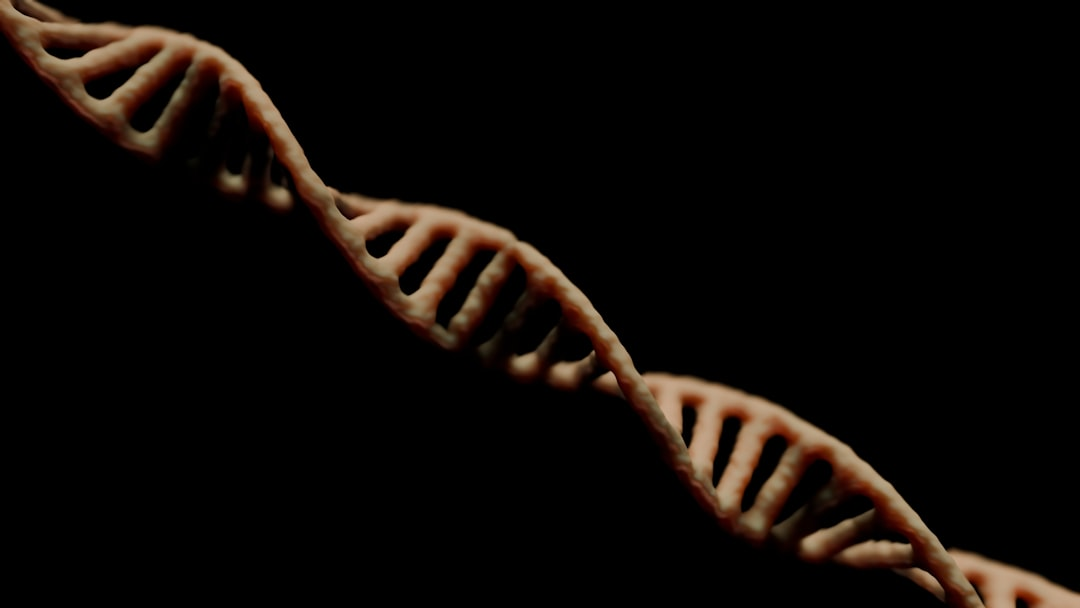
What if every living thing, from the smallest microbe to the most complex human, shares a fundamental, ancient language? This isn’t science fiction; it’s the profound reality encoded within the ‘Code of Life’ – the intricate interplay of genetics and evolution that dictates form, function, and fate across all species.
This definitive guide, “The Code of Life: Decoding Genetics, Evolution, and Existence,” will unlock the profound secrets of this biological lexicon. You will gain an unparalleled, transformative understanding of how life began, diversified, and continues to adapt, equipping you to grasp the very essence of our existence, the critical importance of biodiversity, and the ethical frontiers of biotechnology shaping our future.
💡 Key Takeaways
- Master the foundational principles of genetics and evolution that govern all biological life.
- Gain a deeper appreciation for global biodiversity and the critical importance of conservation efforts.
- Explore the revolutionary impact of biotechnology on health, environment, and societal advancement.
- Connect the microscopic genetic code to the grand tapestry of life’s existence and future trajectory.
In This Article
- — 💡 Key Takeaways
- → 🌍 Global Biodiversity & Conservation
- — 🌱 What is Biodiversity (and Why Does it Matter So Much)?
- — 📉 The Looming Crisis: Major Threats to Biodiversity
- — 🛠️ Strategies for Safeguarding Our Living Planet
- — ➡️ Your Role: Actionable Steps for a Biodiverse Future
- → 🧬 Fundamentals of Genetics & Evolution
- — 🧬 The Blueprint: Fundamentals of Genetics
- — ⚙️ From Code to Trait: Gene Expression & Inheritance
- — 🌱 The Great Driver: Fundamentals of Evolution
- — 🔗 The Indispensable Interplay: Genetics & Evolution
- → 🧪 Biotechnology: Research & Applications
- — 🔬 What is Biotechnology? The Art of Biological Engineering
- — 🏥 Revolutionary Applications in Medicine & Healthcare
- — 🌱 Transforming Agriculture & Food Systems
- — ⚙️ Industrial & Environmental Biotechnology
- — 🛠️ Key Enabling Technologies: The Toolkit of Biotech
- — ➡️ Navigating Challenges & The Future Horizon
- → 🌌 Broader Evolutionary Concepts
- — 🌍 Micro vs. Macro: Zooming Out on Change
- — 💥 Adaptive Radiation: Unlocking New Niches
- — 🤝 Coevolution: Evolutionary Dance Partners
- — 🕰️ The Pace of Change: Gradual or Jerky?
- — 🌪️ Mass Extinctions: Reshaping Life’s Trajectory
- — 🌱 Convergent Evolution: Different Paths, Similar Solutions
- → 🎓 Scientific & Academic Context
- — 🔬 The Bedrock Disciplines
- — ⏳ Milestones & Revolutions
- — ⚙️ Modern Tools & Frontiers
- — 🤔 Ethical & Societal Crossroads
- — 🤝 The Collaborative Ecosystem
- → 📚 Additional Resources
- — 📚 Foundational Texts & Insightful Reads
- — 💻 Online Courses & Learning Platforms
- — 🔬 Scientific Journals & Reputable Publications
- — 🧬 Hands-On Exploration & Citizen Science
- — 🤝 Community & Professional Organizations
- — ⚠️ Critical Thinking & Verifying Information
🌍 Global Biodiversity & Conservation

Welcome back, fellow life-decoders! In our journey through the intricate “Code of Life,” we’ve explored the building blocks of genetics and the grand tapestry of evolution. But what happens when the threads of that tapestry start to fray? Today, we dive into the critical, often urgent, topic of global biodiversity and the imperative to conserve it. This isn’t just an ecological concern; it’s a fundamental issue tied to our very existence, health, and economic well-being.
🌱 What is Biodiversity (and Why Does it Matter So Much)?
At its core, biodiversity encompasses the variety of life on Earth at all its levels, from genes to ecosystems. Think of it as a multi-layered concept:
- ✅ Genetic Diversity: The variation within a single species (e.g., different breeds of dogs, different strains of a crop). This is crucial for a species’ adaptability to changing environments.
- ✅ Species Diversity: The number and abundance of different species in a particular area. This is often what people think of first – from the smallest bacteria to the largest whales.
- ✅ Ecosystem Diversity: The variety of habitats, communities, and ecological processes (e.g., rainforests, deserts, coral reefs, wetlands). Each ecosystem provides unique services.
Why does this intricate web matter? Biodiversity underpins virtually every aspect of our lives. It provides essential ecosystem services: clean air and water, fertile soil, pollination of crops, climate regulation, and even cultural and recreational benefits. Consider the vital role of pollinators – without bees, butterflies, and other insects, a vast proportion of our food supply would simply vanish. Moreover, many of our medicines, from aspirin to anti-cancer drugs, originate from natural compounds found in plants and microorganisms. Losing biodiversity isn’t just about losing a pretty bird; it’s about eroding the very systems that sustain us.
💡 Non-Obvious Insight: While charismatic megafauna (like tigers or pandas) rightly grab our attention, an often overlooked, yet profoundly critical, component of biodiversity is the microscopic world. Bacteria, fungi, and viruses (yes, even some viruses!) in soil, water, and our own bodies play indispensable roles in nutrient cycling, decomposition, and maintaining ecosystem health. Neglecting this hidden diversity is a significant oversight in conservation efforts.
📉 The Looming Crisis: Major Threats to Biodiversity
Despite its immense value, global biodiversity is facing unprecedented threats, largely driven by human activities. The rate of species extinction is accelerating, far surpassing natural background rates. The International Union for Conservation of Nature (IUCN), which maintains the authoritative Red List of Threatened Species, reports that over 42,100 species are threatened with extinction. This stark figure highlights a critical emergency, not just an unfortunate trend.
Here are the primary drivers of this biodiversity decline:
- 🔥 Habitat Loss & Fragmentation: This is arguably the biggest threat. Deforestation for agriculture (e.g., palm oil plantations in Borneo, cattle ranching in the Amazon), urbanization, infrastructure development, and industrial expansion directly destroy natural habitats, forcing species out or eliminating them entirely.
- 🌡️ Climate Change: Rising global temperatures, altered precipitation patterns, and extreme weather events disrupt ecosystems. Coral reefs are bleaching due to warmer oceans, species are forced to migrate to higher altitudes or latitudes, and many simply cannot adapt quickly enough.
- 🎣 Overexploitation: Unsustainable harvesting of wild species, whether through overfishing, illegal wildlife trade (poaching), or unsustainable logging, depletes populations faster than they can reproduce. Think about the dramatic decline in tuna or shark populations due to industrial fishing.
- 🗑️ Pollution: Contaminants like plastics, pesticides, industrial chemicals, and agricultural runoff poison ecosystems, harming species directly or disrupting food chains. Microplastics, for example, are now found in virtually every corner of the planet, from ocean depths to mountain peaks.
- Invasive Alien Species: Species introduced intentionally or accidentally to new environments can outcompete native species for resources, prey on them, or introduce diseases, leading to local extinctions.
🛠️ Strategies for Safeguarding Our Living Planet
The good news is that the biodiversity crisis is being met with innovative and collaborative conservation strategies. It’s not a lost cause, but it requires concerted effort and smart application of resources.
- 🌳 Protected Area Establishment: Creating national parks, wildlife refuges, and marine protected areas (MPAs) safeguards critical habitats and allows species to thrive without direct human interference. Many countries use frameworks like the World Heritage Sites program to internationally recognize and protect invaluable natural areas.
- 🌱 Restoration Ecology: This involves actively restoring degraded ecosystems. Examples include large-scale reforestation projects, wetland restoration, and reintroducing native species to areas where they were extirpated. Initiatives like re-wilding aim to restore ecological processes by reintroducing keystone species.
- 💰 Sustainable Resource Management & Economic Incentives: Promoting practices like sustainable agriculture (e.g., organic farming, agroforestry), sustainable forestry, and responsible fisheries management reduces environmental impact. Eco-tourism, when managed correctly, provides economic benefits that incentivize local communities to protect their natural assets.
- 🔬 Technological Solutions & Citizen Science: Advancements in DNA sequencing allow for precise identification of species and understanding of genetic diversity, aiding breeding programs for endangered species. Remote sensing via satellites (like those from NASA’s Landsat program) monitors deforestation and habitat change in real-time. Platforms like iNaturalist empower citizen scientists globally to contribute valuable biodiversity data, tracking species distributions and phenology.
- ⚖️ Policy & Legislation: International agreements, such as the Convention on Biological Diversity (CBD) and the Convention on International Trade in Endangered Species of Wild Fauna and Flora (CITES), provide frameworks for global cooperation. National laws and regulations protect endangered species and their habitats.
➡️ Your Role: Actionable Steps for a Biodiverse Future
This isn’t a problem for scientists and governments alone. Every one of us, as decoders of life’s code, has a role to play in protecting biodiversity. Even small, practical changes can create a ripple effect.
- 🛍️ Make Conscious Consumer Choices:
- ✅ Opt for sustainably sourced products. Look for certifications on seafood (e.g., from programs like the Monterey Bay Aquarium Seafood Watch), wood products, and palm oil to ensure they are harvested responsibly.
- ✅ Reduce, Reuse, Recycle: Minimize your consumption and waste, especially plastics, which are a major marine pollutant.
- 💡 Support Conservation Efforts:
- ✅ Donate to or volunteer with reputable conservation organizations, whether they are international NGOs or local land trusts working on habitat preservation.
- ✅ Advocate for policies that protect biodiversity and combat climate change.
- 🏡 Cultivate Biodiversity at Home:
- ✅ Plant native species in your garden, which provide habitat and food for local wildlife and pollinators.
- ✅ Reduce your use of pesticides and chemical fertilizers.
- 📚 Educate Yourself & Others:
- ✅ Learn more about the biodiversity in your local area and the threats it faces.
- ✅ Share your knowledge with friends, family, and your community to raise awareness.
- 🔬 Participate in Citizen Science:
- ✅ Join platforms like eBird or iNaturalist to contribute valuable data on species sightings in your area. Your observations help scientists track changes in biodiversity over time.
The code of life is not static; it’s a dynamic, interconnected web that requires our understanding, respect, and active stewardship. Protecting global biodiversity isn’t just an environmental nicety; it’s an investment in the resilience and prosperity of our shared future.
- Biodiversity Articles: Essential Reads for Conservation
- Restoring Biodiversity: Key Strategies for Ecosystem Recovery
- Threatened Biodiversity: Protecting Endangered Species Globally
- Biodiversity Issues: Challenges and Solutions for a Sustainable Planet
- Saving Biodiversity: Why It Matters and How to Help
- International Biodiversity Day: Celebrating Earth’s Life
- Biodiversity Explained: A Deep Dive into Life’s Rich Tapestry
- Ecosystem Biodiversity: The Vital Link Between Life and Environment
- Marine Biodiversity: Protecting Ocean Life
- Community Biodiversity: Species Interactions in Ecosystems
🧬 Fundamentals of Genetics & Evolution

The very essence of what makes you, well, you – from the color of your eyes to your predisposition for certain traits – is encoded in a microscopic language. This language is the foundation of genetics, and its dynamic interplay with the environment drives the grand narrative of evolution. Understanding these twin pillars isn’t just academic; it’s about grasping the fundamental operating system of life itself.
🧬 The Blueprint: Fundamentals of Genetics
At the heart of every living organism lies a meticulously organized instruction manual: our genetic code. This isn’t just a jumble of letters; it’s a highly structured system that dictates everything from cellular function to species-level characteristics.
- ➡️ DNA: The Master Code. Our genetic material is primarily housed in Deoxyribonucleic Acid (DNA), a double-helix molecule. Think of DNA as a vast library of blueprints, with each “book” being a chromosome and each “chapter” being a gene. The sequence of its four chemical bases (Adenine, Guanine, Cytosine, Thymine – A, G, C, T) forms the actual code.
- 💡 Genes: Instructions for Life. A gene is a specific segment of DNA that contains the instructions for making a particular protein or a functional RNA molecule. Proteins are the workhorses of the cell, building structures, catalyzing reactions, and sending signals. For instance, the gene for insulin provides the instructions for cells to produce the insulin protein, vital for regulating blood sugar.
- 📌 Chromosomes: Organized Packages. Our DNA isn’t free-floating; it’s tightly coiled and packaged into structures called chromosomes. Humans typically have 23 pairs of chromosomes (46 in total) in each cell. These packages ensure that the vast amount of genetic information is neatly organized and accurately copied during cell division.
- 🔬 Beyond the Basics: Non-Coding DNA. A common misconception is that all DNA codes for proteins. In fact, a significant portion of our DNA is “non-coding.” While once dismissed as “junk DNA,” we now understand that much of it plays crucial roles in regulating gene expression, maintaining chromosome structure, and even contributing to evolutionary processes. This non-obvious insight highlights the complexity and remaining mysteries of the genome.
⚙️ From Code to Trait: Gene Expression & Inheritance
Having the blueprint is one thing; bringing it to life is another. Gene expression is the process by which the information in a gene is used in the synthesis of a functional gene product, like a protein. Inheritance, meanwhile, is how these blueprints are passed down through generations.
- ✅ The Central Dogma. The fundamental flow of genetic information is often summarized as the “Central Dogma” of molecular biology: DNA makes RNA, and RNA makes protein. This intricate process involves transcription (DNA to RNA) and translation (RNA to protein), meticulously controlled to ensure the right proteins are made at the right time and place.
- 📊 Mendelian Inheritance. Remember those Punnett squares from biology class? They illustrate Mendelian inheritance, named after Gregor Mendel, who uncovered the basic principles of how traits are passed from parents to offspring. Concepts like dominant and recessive alleles explain why you might inherit your grandmother’s distinct nose or your father’s eye color.
- ➡️ Complexities Beyond Mendel. Not all traits are as straightforward as a simple dominant/recessive pattern. Many human traits, like height, intelligence, or susceptibility to certain diseases, are polygenic, meaning they are influenced by multiple genes acting together. Furthermore, epigenetics adds another layer of complexity: environmental factors can literally switch genes on or off without altering the underlying DNA sequence, profoundly impacting an organism’s traits and even influencing future generations. This is a critical non-obvious insight that challenges a purely deterministic view of genetics.
🌱 The Great Driver: Fundamentals of Evolution
While genetics explains the machinery of life, evolution explains how that machinery changes and adapts over vast stretches of time, leading to the incredible diversity of species we see today.
- 💡 Natural Selection: The Engine of Change. Charles Darwin’s groundbreaking concept of natural selection explains how populations evolve. It’s based on four key principles:
- ➡️ Variation: Individuals within a population vary in their traits.
- ➡️ Inheritance: Many of these variations are heritable (passed from parents to offspring).
- ➡️ Selection: In any given environment, some individuals with specific traits are more likely to survive and reproduce than others.
- ➡️ Time: Over many generations, these advantageous traits become more common in the population, leading to adaptation.
- 📌 Adaptation: Fitness for the Environment. Evolution doesn’t aim for “perfection” or “progress.” Instead, it drives adaptation – the process by which organisms become better suited to their particular environment. A classic example is the increasing prevalence of antibiotic-resistant bacteria; these microbes evolve rapidly because individuals with resistance genes survive and reproduce more effectively in the presence of antibiotics, passing on their advantageous traits. This demonstrates evolution in action, even in relatively short timescales.
- 🚫 Common Misconception: Individuals Don’t Evolve. It’s crucial to understand that individuals do not evolve during their lifetime. Evolution occurs at the population level, as the genetic makeup of a group of organisms changes over successive generations.
🔗 The Indispensable Interplay: Genetics & Evolution
Genetics provides the raw material, and evolution sculpts it. Without genetic variation, natural selection would have nothing to act upon. New alleles (variants of genes) arise through mutation – random changes in DNA sequence – which are then shuffled through sexual reproduction. This constant generation of variation feeds the evolutionary process.
Conversely, the pressures of natural selection determine which genetic variants are favored and persist in a population, thereby shaping the genetic landscape of species over time. This dynamic feedback loop between the underlying genetic code and the environmental pressures is the driving force behind all biological diversity and adaptation on Earth.
- Biological Evolution: Understanding Life’s Diversity
- Cell Theory: The Foundation of Modern Biology
- Natural Selection: Darwin’s Theory of Evolution Explained
- Earth & Life Science: Origins to Environmental Stewardship
- Darwin’s Natural Selection: Understanding Evolution’s Engine
- Biological Evolution: Understanding Mechanisms and Processes
- Nucleic Acids Explained: A Comprehensive Guide to DNA and RNA
- DNA Replication: How Cells Precisely Copy DNA
- DNA Explained: A Simple Guide to its Structure and Role
- DNA Replication Explained: Copying Life’s Blueprint
🧪 Biotechnology: Research & Applications

Welcome to the frontier where biology meets engineering, where the very code of life becomes a canvas for innovation. Biotechnology isn’t just a buzzword; it’s a rapidly evolving field that leverages living systems and biological processes to develop groundbreaking products and technologies. From curing diseases to creating sustainable materials, its impact on our existence is profound and ever-expanding.
🔬 What is Biotechnology? The Art of Biological Engineering
At its core, biotechnology is the application of scientific and engineering principles to the processing of materials by biological agents to provide goods and services. Think of it as harnessing the intricate machinery of nature – cells, enzymes, DNA, and proteins – to solve human problems. It’s an inherently interdisciplinary field, drawing heavily from genetics, molecular biology, biochemistry, bioinformatics, and even chemical engineering.
- 💡 Beyond the Lab Bench: While often associated with cutting-edge genetic research, biotechnology has ancient roots in practices like fermentation for bread, cheese, and alcohol production. The modern era, however, is defined by our unprecedented ability to read, write, and edit the genetic code itself.
- Cloning Explained: Science, Ethics & The Future
🏥 Revolutionary Applications in Medicine & Healthcare
Biotechnology’s most visible and life-changing impacts are often found in medicine. It’s fundamentally transforming how we diagnose, treat, and prevent diseases.
- ✅ Advanced Therapeutics:
- ➡️ Biologics: These are medicines derived from living organisms, such as therapeutic proteins (like insulin or monoclonal antibodies, e.g., Humira for autoimmune diseases). They represent a significant portion of new drug approvals.
- ➡️ Gene Therapy: Correcting faulty genes that cause disease. Examples include Luxturna (for a rare form of inherited blindness) and Zolgensma (for spinal muscular atrophy), which deliver functional genes into patients’ cells.
- ➡️ Cell Therapy: Using living cells to treat diseases, most notably in cancer. CAR-T cell therapies like Kymriah involve modifying a patient’s own immune cells to target and destroy cancer cells.
- ➡️ Vaccines: The rapid development of mRNA vaccines by companies like Moderna and Pfizer/BioNTech during the COVID-19 pandemic showcased the incredible speed and efficacy of biotech in global health crises.
- ✅ Precision Diagnostics:
- ➡️ PCR (Polymerase Chain Reaction): A ubiquitous tool for rapidly amplifying DNA, essential for diagnosing infectious diseases (e.g., COVID-19 tests), genetic disorders, and forensic analysis.
- ➡️ Genetic Testing: Identifying predispositions to diseases or confirming diagnoses. Companies like Invitae and Color Genomics offer comprehensive genetic screening services.
- ➡️ Liquid Biopsies: Detecting cancer DNA in blood samples, offering a less invasive way to diagnose and monitor cancer progression.
- 💡 Non-Obvious Insight: While the scientific breakthroughs are exhilarating, the journey from discovery to patient accessibility is arduous. Biotech products, especially novel therapies, face incredibly stringent and lengthy regulatory approval processes (e.g., with the FDA in the US) that can take over a decade and cost billions of dollars, leading to a high attrition rate for promising drug candidates.
🌱 Transforming Agriculture & Food Systems
Biotechnology is critical for addressing global food security, sustainability, and nutritional challenges.
- ✅ Genetically Modified Organisms (GMOs): Crops engineered for traits like pest resistance (reducing pesticide use), herbicide tolerance (e.g., Bayer’s Roundup Ready crops), increased yield, or enhanced nutritional content (like “Golden Rice,” engineered to produce Vitamin A).
- ✅ Precision Breeding: Utilizing advanced genomic tools, including gene editing, to develop new crop varieties with desired traits much faster and more precisely than traditional breeding methods.
- ✅ Sustainable Practices: Development of biofertilizers, biopesticides, and drought-resistant crops to reduce environmental impact and adapt to climate change.
- ✅ Cellular Agriculture: Producing meat, dairy, and other animal products directly from cell cultures, promising a more sustainable and ethical alternative to traditional livestock farming. Companies like GOOD Meat are at the forefront of cultivated meat production.
⚙️ Industrial & Environmental Biotechnology
Beyond health and food, biotechnology offers solutions for manufacturing, energy, and environmental protection.
- ✅ Biofuels & Bioplastics: Engineering microbes to produce renewable fuels (e.g., ethanol from biomass) or biodegradable plastics, reducing reliance on fossil fuels.
- ✅ Biomaterials: Creating novel materials with superior properties, such as spider silk proteins for strong, lightweight textiles, or bio-derived chemicals for industrial processes.
- ✅ Bioremediation: Using microorganisms to clean up pollutants, such as oil spills (e.g., using specialized bacteria to break down hydrocarbons) or hazardous waste, leveraging nature’s own clean-up crew.
- ✅ Enzyme Engineering: Designing and optimizing enzymes for industrial applications, from detergents that work better in cold water to more efficient textile processing.
🛠️ Key Enabling Technologies: The Toolkit of Biotech
The rapid advancements in biotechnology are underpinned by revolutionary tools and platforms that allow us to manipulate and understand biological systems with unprecedented precision.
- 🔬 CRISPR-Cas9 Gene Editing: This revolutionary technology allows scientists to precisely cut and edit DNA at specific locations, effectively “re-writing” the genetic code. It has transformed research and offers immense therapeutic potential for diseases like sickle cell anemia and cystic fibrosis. Companies like Editas Medicine and CRISPR Therapeutics are leading clinical trials in this space.
- 🔬 Next-Generation DNA Sequencing (NGS): Technologies like those developed by Illumina have dramatically reduced the cost and time of sequencing entire genomes. This has fueled personalized medicine, allowed for rapid pathogen tracking (e.g., SARS-CoV-2 variants), and accelerated biological discovery.
- 🔬 Polymerase Chain Reaction (PCR): Invented by Kary Mullis, PCR revolutionized molecular biology by enabling the rapid amplification of specific DNA segments. Companies like Thermo Fisher Scientific and Roche Diagnostics are major suppliers of PCR reagents and instruments, essential for virtually all molecular biology labs.
- 🔬 Synthetic Biology: This field goes beyond editing existing life; it’s about designing and building new biological parts, devices, and systems, or re-designing existing ones. Companies like Ginkgo Bioworks are leveraging synthetic biology platforms for applications ranging from novel enzymes to designer microbes for industrial purposes. Twist Bioscience specializes in synthesizing DNA on demand, a foundational component for synthetic biology research.
- 🔬 Bioinformatics & AI: The sheer volume of data generated by genomics and other ‘omics’ technologies necessitates powerful computational tools. Bioinformatics and artificial intelligence are crucial for interpreting this data, identifying drug targets, predicting protein structures, and accelerating discovery in areas like drug repositioning and personalized medicine.
➡️ Navigating Challenges & The Future Horizon
While the promise of biotechnology is immense, the field also faces significant challenges and ethical considerations.
- ⚖️ Ethical Dilemmas: Gene editing in humans raises profound ethical questions about “designer babies,” unintended consequences, and equitable access. These conversations are crucial for responsible innovation.
- 💰 Cost & Accessibility: Many advanced biotech therapies are incredibly expensive, raising concerns about who can access these life-saving treatments and how healthcare systems will bear the cost.
- 📈 Regulatory Hurdles: The complexity and novelty of biotech products often mean that regulatory frameworks struggle to keep pace, leading to long and unpredictable approval processes.
- 💡 Non-Obvious Insight: Many promising biotech discoveries fall into what’s known as the “Valley of Death” – the gap between academic research funding and venture capital, where promising science struggles to get the sustained investment needed for commercial development, scale-up, and regulatory approval. Navigating this gap requires specialized business acumen in addition to scientific brilliance.
The future of biotechnology lies in its continued convergence with other fields, particularly artificial intelligence, advanced computing, and nanotechnology. Expect to see highly personalized medicines, even more sustainable agricultural practices, and innovative solutions to global challenges like climate change and resource scarcity. It’s a field not just decoding life, but actively engineering a better future for it.
- Nautilus Biotechnology: Revolutionizing Proteomics and Drug Discovery
- Department of Biotechnology India: Driving India’s Bio Revolution
- Biotechnology Innovation Organization (BIO): Shaping the Global Biotech Landscape
- Dark Biotechnology: Understanding Bioweapons and Bioterrorism
- Biotechnology Patents: Protecting Innovation in Life Sciences
- White Biotechnology: Revolutionizing Industrial Processes Sustainably
- Biotechnology and Bioprocess Engineering: From Lab to Production
- Biotechnology Applications: Beyond Medicine
- Top 100 Biotechnology Companies: A Deep Dive
- Accutar Biotechnology: Pioneering AI-Driven Drug Discovery
🌌 Broader Evolutionary Concepts

Building upon the foundational mechanisms of genetic inheritance and natural selection, evolution isn’t just about subtle shifts in a gene pool over generations. It also encompasses grand, sweeping changes that reshape entire ecosystems, continents, and even the very fabric of life on Earth. These are the broader evolutionary concepts that reveal the epic scale and profound impact of life’s continuous unfolding.
🌍 Micro vs. Macro: Zooming Out on Change
Often, when we discuss evolution, our minds jump to images of long-necked giraffes or antibiotic-resistant bacteria. These are examples of microevolution—small-scale changes in allele frequencies within a population over a relatively short period. But what about the bigger picture? The emergence of new species, the diversification of entire lineages, or the rise of complex life forms from simpler ones? That’s where macroevolution comes in.
- ✅ Microevolution: Observable changes within a species. Think of the peppered moth’s coloration shifting due to industrial pollution, or the increasing prevalence of MRSA (Methicillin-resistant Staphylococcus aureus) due to widespread antibiotic use. These are direct, measurable shifts in a gene pool.
- ➡️ Macroevolution: Evolutionary changes above the species level, leading to the formation of new genera, families, and even phyla. This involves cumulative microevolutionary changes over vast stretches of geological time, often spanning millions of years.
- 💡 Non-Obvious Insight: While distinct in scale, macroevolution is fundamentally driven by the same microevolutionary processes. It’s not a different kind of evolution, but rather the cumulative effect of microevolutionary changes observed over deep time. Imagine individual brushstrokes (micro) eventually forming a magnificent mural (macro).
💥 Adaptive Radiation: Unlocking New Niches
One of the most spectacular displays of macroevolutionary power is adaptive radiation. This occurs when a single ancestral species rapidly diversifies into a multitude of new species, each adapted to exploit a different ecological niche. It’s often triggered by a sudden availability of new resources or environments, or the evolution of a key innovation.
- ✅ The Scenario: Picture an island chain, like the Galápagos, devoid of many established species. An ancestral finch arrives. With open niches (different food sources like seeds, insects, nectar), and no competition, the finches quickly evolve varied beak shapes and behaviors to specialize, leading to a burst of new species. This is exactly what happened with Darwin’s finches.
- ➡️ Key Triggers:
- 💡 Ecological Opportunity: Vacant niches (e.g., islands, aftermath of mass extinction).
- 💡 Key Innovation: Evolution of a new trait that opens up new ways of life (e.g., wings, jaws, or even the ability to digest new foods).
- 🔬 Real-World Examples:
- The diversification of mammals after the extinction of the non-avian dinosaurs, allowing them to fill countless terrestrial and even aquatic niches.
- The incredible variety of cichlid fish in the Great Lakes of Africa, each species adapted to a specific food source or habitat within the lake.
🤝 Coevolution: Evolutionary Dance Partners
Life doesn’t evolve in isolation. Species frequently interact, and these interactions can drive reciprocal evolutionary changes in both parties. This fascinating phenomenon is called coevolution.
- ✅ Definition: It’s an evolutionary arms race or a cooperative dance where two or more species reciprocally affect each other’s evolution. The selective pressure exerted by one species influences the other, and vice-versa.
- ➡️ Types of Coevolution:
- 💡 Predator-Prey / Host-Parasite: Think of a newt developing potent toxins, and a garter snake evolving resistance to those toxins. Each adaptation creates selective pressure for the other species to counter-adapt. This is often an “arms race.”
- 💡 Mutualistic: A flowering plant and its specific pollinator (e.g., a specific orchid species and a moth with a precisely matching proboscis length). Both benefit, and their adaptations become increasingly interdependent.
- 🔬 Practical Implication: Understanding coevolution is crucial in fields like agriculture (pest resistance to pesticides), medicine (antibiotic resistance in bacteria), and conservation (how loss of one species can impact another). For instance, the rise of herbicide-resistant weeds like Palmer amaranth is a prime example of an ongoing coevolutionary struggle in modern farming.
🕰️ The Pace of Change: Gradual or Jerky?
How fast does evolution happen? Is it a slow, steady crawl, or a series of rapid bursts interspersed with long periods of stasis? This debate has historically shaped our understanding of evolutionary tempo, leading to two main hypotheses:
- ✅ Phyletic Gradualism: The traditional view, championed by Darwin, suggests that evolution occurs gradually and continuously over long periods, with species slowly transforming into new ones. If you were to look at the fossil record, you’d expect to see a smooth continuum of intermediate forms.
- ➡️ Punctuated Equilibrium: Proposed by Niles Eldredge and Stephen Jay Gould in 1972, this model suggests that species remain relatively stable (stasis) for long periods, with most evolutionary change occurring in rapid bursts associated with speciation events. These “bursts” are still long in human terms (thousands to tens of thousands of years) but appear instantaneous in the geological record.
- 💡 Non-Obvious Insight: The fossil record often supports punctuated equilibrium more strongly than gradualism. Gaps in the fossil record, once attributed to incompleteness, can be reinterpreted as evidence of rapid speciation events that left fewer transitional fossils. Think of it like taking a photo every million years – you might see the ‘before’ and ‘after’ but miss the quick change. While both modes operate, punctuated equilibrium highlights that major change isn’t always a slow march.
🌪️ Mass Extinctions: Reshaping Life’s Trajectory
While often seen as destructive events, mass extinctions are powerful drivers of macroevolution. These are periods where a significant percentage of Earth’s species die out in a relatively short geological timeframe, wiping the slate clean and creating new opportunities for the survivors.
- ✅ Definition: A global reduction in biodiversity affecting a wide range of taxa. The Earth has experienced five major mass extinctions in its history, with many smaller, regional extinction events.
- ➡️ The Big Five:
- 💡 Ordovician-Silurian Extinction: ~440 million years ago.
- 💡 Late Devonian Extinction: ~360 million years ago.
- 💡 Permian-Triassic Extinction (“The Great Dying”): ~252 million years ago, the most severe, wiping out over 90% of marine species and 70% of terrestrial vertebrate species.
- 💡 Triassic-Jurassic Extinction: ~200 million years ago.
- 💡 Cretaceous-Paleogene (K-Pg) Extinction: ~66 million years ago, famously leading to the demise of the non-avian dinosaurs and paving the way for the rise of mammals.
- 🔬 The Aftermath: Mass extinctions are followed by periods of intense adaptive radiation as surviving lineages diversify to fill the newly vacant ecological niches. Without the K-Pg extinction, mammals might never have achieved their current diversity and dominance. These catastrophic events aren’t just endpoints; they are also crucial reset buttons for evolution.
🌱 Convergent Evolution: Different Paths, Similar Solutions
Sometimes, distantly related species evolve similar traits or forms because they face similar environmental challenges or occupy similar ecological niches. This phenomenon is known as convergent evolution.
- ✅ The Principle: It’s proof that natural selection often arrives at effective solutions independently, even when starting from very different genetic or developmental blueprints.
- ➡️ Key Examples:
- 💡 Wings: While bats, birds, and insects all have wings for flight, their wing structures evolved independently from different ancestral forelimbs or appendages. The underlying genetic and anatomical basis is distinct, but the functional outcome is similar.
- 💡 Streamlined Body Shapes: Sharks (fish), dolphins (mammals), and ichthyosaurs (extinct reptiles) all evolved remarkably similar torpedo-like body shapes for efficient movement through water. They are distantly related, but the physics of moving through water imposes similar selective pressures.
- 💡 Camera Eyes: The complex, image-forming eyes of vertebrates and cephalopods (like octopuses and squids) evolved completely independently, yet share striking functional similarities.
- 💡 Non-Obvious Insight: Convergent evolution demonstrates the power of natural selection to channel evolutionary trajectories towards optimal solutions given specific environmental constraints. It highlights the principle that function often dictates form, regardless of ancestry.
These broader concepts illustrate that evolution is far more than just “survival of the fittest.” It’s a dynamic, multi-layered process involving massive shifts, reciprocal adaptations, rapid bursts, and recurring patterns across the vast tapestry of life.
- Cosmological Evolution: From Cosmos to Consciousness
- Social Evolution: Dynamics of Societal Change
- Evolution vs. Creation: Exploring the Debate
- Multiregional Evolution: An Alternative Theory
- Neanderthal Evolution: Unraveling the Story of Our Ancient Cousins
- Creationism and Evolution: Understanding Different Perspectives
- Culture and Evolution: Shaping Human Societies
- Debunking Evolution Myths: Facts vs. Fiction
- Human Evolution: Tracing Our Ancestry, Present and Future
- Ape Evolution: Understanding Our Closest Primate Relatives
🎓 Scientific & Academic Context

Welcome to the core of our journey! To truly decode the “Code of Life,” we must first anchor ourselves in the established scientific and academic landscape. This isn’t just about memorizing facts; it’s about understanding the historical progression, the foundational principles, the cutting-edge methodologies, and the ongoing ethical debates that shape our understanding of genetics, evolution, and existence itself. Think of this section as your orientation to the scientific frontier.
🔬 The Bedrock Disciplines
Our exploration of life’s code is built upon several interconnected scientific disciplines, each contributing a unique lens through which we understand biological complexity:
- ✅ Genetics: The study of heredity, genes, and variation in living organisms. From Gregor Mendel’s peas to the intricacies of human genetic disorders, this field unravels how traits are passed down.
- ✅ Evolutionary Biology: Focuses on the processes that drive life’s diversity and adaptation over geological timescales. Charles Darwin’s theory of natural selection remains the cornerstone, constantly refined by new genetic insights.
- ✅ Molecular Biology: Dives into the molecular mechanisms of biological activity, particularly the interactions between DNA, RNA, and proteins. This is where the literal “code” and its expression are deciphered.
- ✅ Bioinformatics: The essential bridge between biology and computer science. With the explosion of biological data, bioinformatics provides the computational tools and algorithms needed to store, analyze, and interpret vast datasets from genomics, proteomics, and more. Without it, modern biological research would grind to a halt.
Non-Obvious Insight: These fields aren’t siloed. Modern biological breakthroughs almost always occur at their intersections. For instance, understanding a genetic disease often requires molecular insights into protein function, evolutionary context for its prevalence, and bioinformatics for large-scale genomic analysis.
⏳ Milestones & Revolutions
Our current understanding is the culmination of centuries of tireless inquiry. Here are some pivotal moments that irrevocably altered the scientific landscape:
- 💡 Mendelian Inheritance (Mid-19th Century): Gregor Mendel’s meticulous experiments with pea plants laid the foundation for modern genetics, introducing concepts like dominant and recessive traits and the idea of “units of inheritance” (what we now call genes).
- 💡 The Double Helix (1953): James Watson, Francis Crick, Rosalind Franklin, and Maurice Wilkins unveiled the structure of DNA as a double helix. This iconic discovery immediately suggested how genetic information could be copied and passed on, opening the floodgates for molecular biology.
- 💡 The Human Genome Project (1990-2003): An unprecedented international collaboration to map the entire human genome. This monumental undertaking provided the complete sequence of human DNA, revolutionizing biomedicine and ushering in the era of “big data” in biology. Platforms and databases established during this time, like those at the National Center for Biotechnology Information (NCBI), remain critical resources.
- 💡 CRISPR-Cas9 Gene Editing (Early 2010s): Adapted from a bacterial immune system, CRISPR (Clustered Regularly Interspaced Short Palindromic Repeats) technology allows scientists to precisely edit DNA with unprecedented ease and accuracy. It’s transformed genetic research and holds immense promise for treating genetic diseases, leading to the 2020 Nobel Prize in Chemistry for Emmanuelle Charpentier and Jennifer Doudna.
Common Mistake: Viewing these milestones as isolated eureka moments. In reality, each built upon previous work, often involving numerous unsung heroes and years of incremental progress, proving science is a collective, iterative endeavor.
⚙️ Modern Tools & Frontiers
The pace of discovery continues to accelerate, driven by sophisticated technologies and innovative approaches:
- ➡️ Next-Generation Sequencing (NGS): Technologies, spearheaded by companies like Illumina, have drastically reduced the cost and time required to sequence DNA, enabling large-scale genomic studies that were once unimaginable. This has democratized access to genomic data for researchers worldwide.
- ➡️ Single-Cell Genomics: Moving beyond bulk tissue analysis, this allows scientists to study the genetic material of individual cells, revealing hidden cellular diversity and providing insights into complex biological processes like development and disease progression at an unparalleled resolution.
- ➡️ Epigenetics: This field investigates heritable changes in gene expression that occur without altering the underlying DNA sequence. It explains how environmental factors can influence which genes are “turned on” or “off,” adding another layer of complexity to the code of life.
- ➡️ Synthetic Biology: An engineering discipline that applies engineering principles to biology. Scientists are not just reading the code, but writing it, designing and constructing new biological parts, devices, and systems (e.g., engineering microbes to produce biofuels or pharmaceuticals).
Pro Tip: Stay updated by following major scientific journals like Nature, Science, and Cell. They regularly publish groundbreaking research in these areas and are excellent sources for understanding the cutting edge.
🤔 Ethical & Societal Crossroads
The power to decode and manipulate the code of life brings profound ethical and societal responsibilities. This is a critical part of the academic context:
- 💡 Bioethics: A dedicated field grappling with the moral implications of biological and medical advances. Discussions around genetic privacy, gene editing in humans (especially germline editing), and equitable access to advanced therapies are central.
- 💡 “Designer Babies” & Gene Drive: The possibility of altering human embryos to select for desired traits, or using gene drive technology to rapidly spread specific genes through populations (e.g., to eradicate disease vectors), raises significant questions about human identity, biodiversity, and unintended consequences.
- 💡 Data Privacy & Discrimination: As personal genomic data becomes more accessible, concerns about its use for insurance, employment, or other forms of discrimination are paramount. Regulations like HIPAA (in the US) and GDPR (in Europe) attempt to address these, but the landscape is constantly evolving.
Non-Obvious Insight: Scientific progress is not neutral; it’s deeply embedded in societal values. The academic context demands not just technical mastery but also a robust engagement with philosophy, law, and public discourse to guide responsible innovation.
🤝 The Collaborative Ecosystem
Modern science, especially in complex fields like genetics and evolution, thrives on collaboration:
- ✅ Interdisciplinary Teams: Grand challenges are rarely solved by one discipline alone. Today’s labs often comprise biologists, computer scientists, chemists, statisticians, engineers, and ethicists, working together to tackle multifaceted problems.
- ✅ Open Science & Data Sharing: There’s a strong movement towards making research data and findings openly accessible. Large public databases (like those maintained by EMBL-EBI in Europe or the NCBI in the US) allow researchers worldwide to share and analyze vast datasets, accelerating discovery and promoting reproducibility.
- ✅ Peer Review: The cornerstone of scientific credibility. Before publication, research undergoes rigorous scrutiny by independent experts in the field, ensuring quality, validity, and methodological soundness. This iterative feedback loop strengthens scientific knowledge.
This academic context provides the map and compass for our journey. Armed with an understanding of its history, tools, and challenges, you are now better equipped to navigate the fascinating world of genetics, evolution, and existence.
- Federal Universities: Advancing Health Sciences
📚 Additional Resources

The journey into “The Code of Life” is less a destination and more an exhilarating expedition. While this guide lays a robust foundation, the fields of genetics, evolution, and existence are vast, constantly evolving, and deeply intertwined. To truly decode the mysteries and stay at the cutting edge, ongoing exploration is not just recommended, it’s essential. Think of these resources not as mere suggestions, but as your next set of practical tools and maps for deeper dives.
📚 Foundational Texts & Insightful Reads
There’s nothing quite like a well-crafted book to distill complex ideas or provide a comprehensive historical perspective. These are not just textbooks; they are narratives that bring the science to life.
- ✅ For the Curious Beginner:
- ➡️ “The Selfish Gene” by Richard Dawkins: A classic that revolutionized our understanding of evolution from a gene’s-eye view. While nearly 50 years old, its core ideas remain profoundly influential and accessible.
- ➡️ “A Brief History of Everyone Who Ever Lived” by Adam Rutherford: An engaging exploration of human history through the lens of DNA, showcasing how genetics has reshaped our understanding of our past.
- 💡 For Deeper Scientific & Philosophical Insights:
- ➡️ “The Double Helix” by James Watson: A fascinating, though controversial, firsthand account of the discovery of DNA’s structure. Offers a rare glimpse into the human side of scientific breakthroughs.
- ➡️ “Sapiens: A Brief History of Humankind” by Yuval Noah Harari: While broader than just genetics, Harari expertly weaves in evolutionary biology and its impact on human culture and existence. A powerful reminder of our biological underpinnings.
- ➡️ “The Code Breaker: Jennifer Doudna, Gene Editing, and the Future of the Human Race” by Walter Isaacson: A superb biography that delves into the revolutionary CRISPR gene-editing technology and its ethical implications, centered on one of its co-discoverers.
- ⚠️ Pro Tip: Evaluating Popular Science Books: Always check the author’s credentials. Are they a respected scientist, a well-regarded science journalist, or someone with a clear expertise in the field? Look for books from reputable science publishers (e.g., W. W. Norton, Basic Books, Penguin Random House science imprints).
💻 Online Courses & Learning Platforms
The digital age has democratized learning, offering university-level education at your fingertips. These platforms provide structured learning paths, often with interactive elements and peer communities.
- ✅ Major MOOC Providers (Massive Open Online Courses):
- ➡️ Coursera: Offers courses and specializations from top universities (e.g., University of Pennsylvania’s “Genomics: The Science of Health”) and companies. Many courses are free to audit, with options to pay for certificates.
- ➡️ edX: Similar to Coursera, featuring courses from institutions like Harvard, MIT, and UC Berkeley. Look for courses on evolutionary biology, bioinformatics, and human genetics.
- ➡️ Khan Academy: Excellent for foundational understanding, particularly in biology and molecular genetics. Their content is always free and superb for clarifying core concepts.
- 💡 Non-Obvious Insight: University Open Courseware: Many top universities, like MIT and Yale, offer free access to course materials (lectures, notes, assignments) directly on their institutional websites. Search for “MIT OpenCourseWare genetics” or “Yale Open Courses evolution” to find a treasure trove of content that’s often very current.
🔬 Scientific Journals & Reputable Publications
To stay truly current, you need to understand where new discoveries are published. While some content requires a subscription, many summaries and select articles are freely available, and popular science magazines distill complex findings into accessible language.
- ✅ Premier Scientific Journals (for cutting-edge research):
- ➡️ Nature & Science: The leading multidisciplinary scientific journals. While full articles can be highly technical, their “News & Views” or “Perspectives” sections often provide excellent summaries for the non-specialist.
- ➡️ Cell & Nature Genetics: More specialized, but crucial for understanding breakthroughs in molecular biology and human genetics, respectively. Again, focus on summaries and review articles.
- 💡 Pro Tip: Navigating Research Papers: Don’t feel overwhelmed by the technical jargon. Start by reading the Abstract (summary), then the Introduction (background and hypothesis), and the Discussion/Conclusion (what the findings mean). You can often skip the detailed “Methods” section unless you’re replicating the experiment.
- ✅ Accessible Science Publications (for curated summaries):
- ➡️ Scientific American: Provides in-depth, accessible articles on a wide range of scientific topics, including regular features on genetics and evolution.
- ➡️ New Scientist: A weekly magazine offering news, features, and analysis on all areas of science and technology, known for making complex topics understandable.
- ➡️ PLOS (Public Library of Science) ONE: An open-access journal that publishes peer-reviewed research across all scientific disciplines. All articles are freely available, making it a great resource for direct access to studies.
🧬 Hands-On Exploration & Citizen Science
Sometimes, the best way to understand is to get a little bit “hands-on” or contribute to the scientific process yourself.
- ✅ Personal Genomics Services:
- ➡️ 23andMe & AncestryDNA: These services can provide insights into your genetic ancestry and predispositions to certain traits. It’s a tangible way to see genetics in action.
- ⚠️ Important Caveat: Understand the privacy policies and limitations of these services. Genetic information is sensitive. Also, remember that genetic predispositions are not destinies, and results should be interpreted with caution and, if health-related, ideally in consultation with a medical professional.
- ✅ Citizen Science Projects:
- ➡️ Zooniverse: A platform for people-powered research. While not all projects are genetics-focused, you can find opportunities to analyze images, classify data, or transcribe historical records that contribute to scientific understanding across various fields.
- ➡️ Foldit: A protein folding video game where players contribute to scientific research by helping to predict the structure of proteins. While more biochemistry than pure genetics, it directly relates to how genes (via proteins) function.
🤝 Community & Professional Organizations
Connecting with others who share your passion can open new avenues for learning and discovery, from local meetups to global professional bodies.
- ✅ Online Communities:
- ➡️ Reddit: Subreddits like
r/genetics,r/evolution, andr/scienceare active communities where you can ask questions, discuss research, and engage with enthusiasts and experts.
- ➡️ Reddit: Subreddits like
- ✅ Professional Societies (for public resources & events):
- ➡️ American Society of Human Genetics (ASHG): While primarily for professionals, their website often hosts educational materials, public outreach initiatives, and information about breakthroughs in human genetics.
- ➡️ Society for the Study of Evolution (SSE): Similarly, this organization offers resources for educators and the public interested in evolutionary biology.
- 💡 Non-Obvious Insight: University Public Lectures: Many universities and research institutions host free public lectures or seminar series on cutting-edge research. Check the events calendars of local universities or science museums – these are often fantastic opportunities to hear directly from leading scientists.
⚠️ Critical Thinking & Verifying Information
In an age of abundant information (and misinformation), the most crucial “resource” is your ability to critically evaluate what you read and hear. This applies to every source, from a viral social media post to a news article.
- ✅ Key Questions to Ask:
- ➡️ Who is the author or source? What are their credentials? Are they experts in the field?
- ➡️ Is the information peer-reviewed or independently verified? Scientific consensus typically forms around research that has undergone rigorous scrutiny by other experts.
- ➡️ What is the evidence presented? Are claims supported by data, studies, or logical arguments?
- ➡️ Does the source have an agenda? (e.g., selling a product, promoting a particular ideology).
- ➡️ Is the information current? Especially in fast-moving fields like genetics, new discoveries can rapidly change our understanding.
- 💡 Common Mistake to Avoid: Confirmation bias – the tendency to interpret new evidence as confirmation of one’s existing beliefs. Actively seek out diverse perspectives and be open to changing your mind based on new, credible information.
Armed with these resources and a critical mindset, you are well-equipped to continue your fascinating journey into the very essence of life itself.
This definitive guide has equipped you with a profound understanding of life’s intricate code, from the foundational genetic blueprints to the sweeping saga of evolution. May this knowledge empower you to see the world with new eyes, appreciate our shared biological heritage, and inspire your continued journey of discovery within the magnificent ‘Code of Life’.
Recommended Video
What is the primary function of DNA in living organisms?
DNA carries the genetic instructions used in the growth, development, functioning, and reproduction of all known living organisms and many viruses. It’s the blueprint of life.
How does genetics influence evolution?
Genetic mutations and variations provide the raw material for natural selection. Over generations, beneficial genetic changes can become more common in a population, leading to the evolution of new traits and species.
What is CRISPR and why is it significant?
CRISPR (Clustered Regularly Interspaced Short Palindromic Repeats) is a revolutionary gene-editing tool that allows scientists to precisely cut and modify DNA. Its significance lies in its potential to treat genetic diseases, develop new crops, and advance fundamental biological research.